
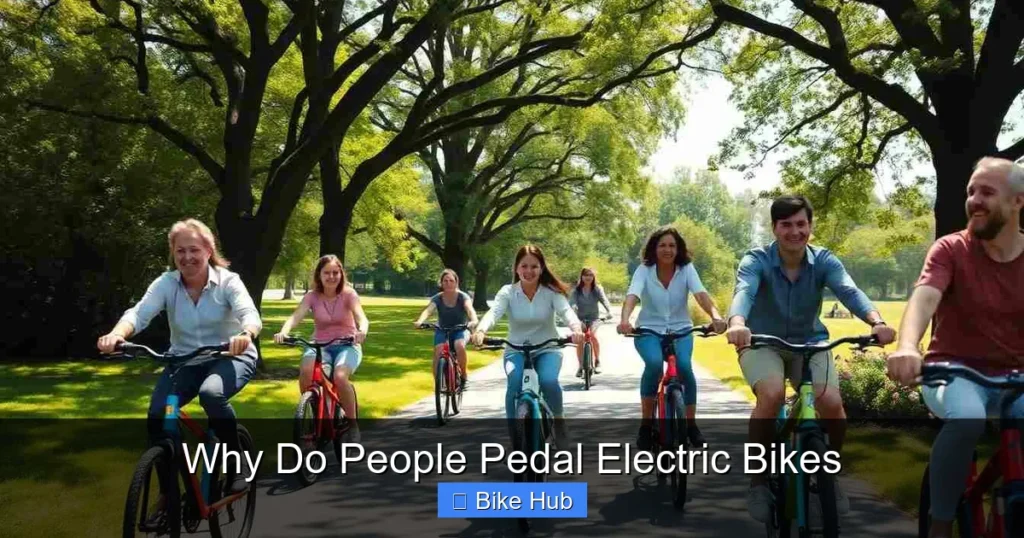
Many riders pedal electric bikes to boost fitness, extend range, and enjoy a more natural cycling experience. Pedaling gives you control over speed and battery use, making your ride efficient and fun. Whether commuting or exploring trails, pedaling enhances every journey.
Key Takeaways
- Pedaling improves fitness: Even with motor assistance, pedaling provides cardiovascular and muscle-building benefits.
- Extends battery life: Combining pedal power with motor support helps conserve battery for longer rides.
- Offers better control: Pedaling lets you adjust speed and effort, especially on hills or rough terrain.
- Enhances riding experience: Many riders enjoy the feeling of traditional cycling with optional electric help.
- Supports eco-friendly travel: Using pedal power reduces reliance on the motor, lowering energy use.
- Required in some regions: Certain areas mandate pedaling for e-bike operation to comply with local laws.
- Adapts to fitness levels: Riders of all abilities can customize effort using pedal-assist levels.
Why Do People Pedal Electric Bikes? A Complete Guide
If you’re new to electric bikes, you might wonder: Why do people pedal electric bikes when they have a motor? After all, the motor can do the work, right? While it’s true that e-bikes can run on motor power alone, most riders choose to pedal—and for good reasons. Pedaling isn’t just an option; it’s a smart, healthy, and efficient way to get the most out of your electric bike.
In this guide, we’ll explore the top reasons people pedal electric bikes, how it benefits your ride, and how to make the most of pedal-assist features. Whether you’re commuting to work, exploring mountain trails, or just cruising around town, understanding why pedaling matters will help you ride smarter and enjoy every mile.
1. Pedaling Boosts Your Fitness
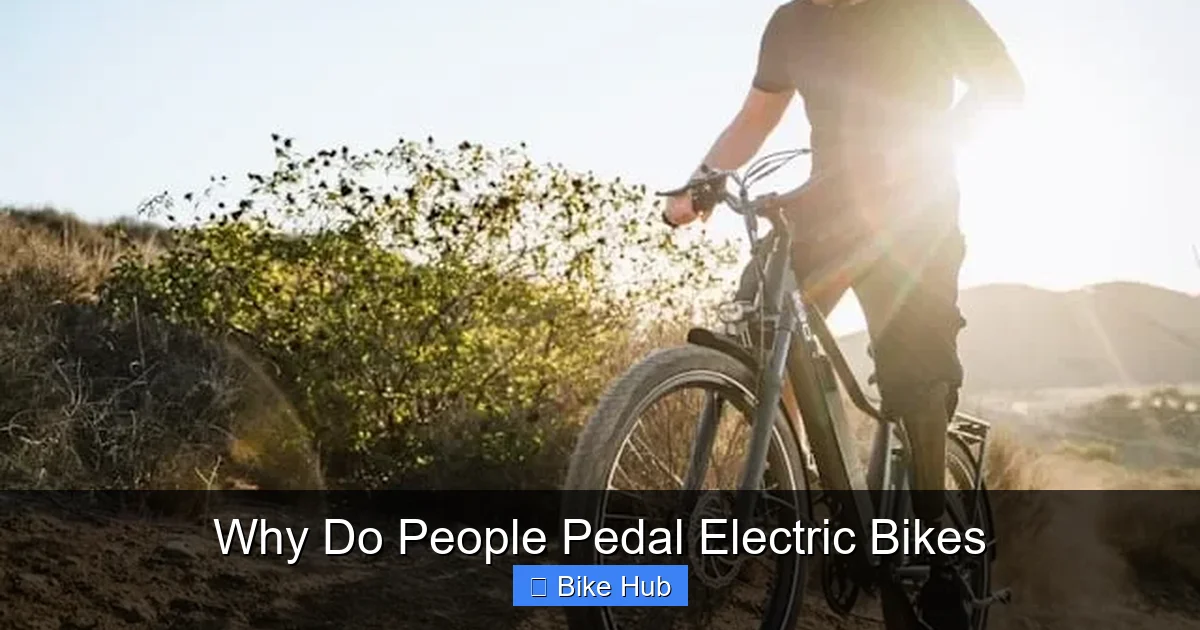
Visual guide about Why Do People Pedal Electric Bikes
Image source: boltbikers.com
One of the biggest reasons people pedal electric bikes is to stay active. Even though e-bikes have motors, they still require human power—especially when using pedal-assist mode.
How Pedaling Builds Strength and Stamina
When you pedal, you engage your leg muscles, heart, and lungs. This helps improve cardiovascular health, burn calories, and build endurance. Unlike riding a scooter or motorcycle, e-biking keeps you moving your body.
For example, a 30-minute ride on an e-bike with moderate pedaling can burn between 200 and 400 calories, depending on your effort level. That’s comparable to a brisk walk or light jog—but with less joint strain.
Great for All Fitness Levels
E-bikes are perfect for people who want to exercise but may not be ready for intense workouts. Seniors, recovering athletes, or those with joint issues can start slow and gradually increase effort. You control how hard you pedal, so it’s always a comfortable workout.
If you’re looking for a bike that supports low-impact exercise, check out our guide on the best electric bikes for seniors.
2. Pedaling Extends Your Battery Life
Visual guide about Why Do People Pedal Electric Bikes
Image source: chicebike.com
Battery life is a major concern for e-bike riders. The more you rely on the motor, the faster the battery drains. But when you pedal, you share the workload with the motor, which helps conserve energy.
How Pedal-Assist Saves Power
Most e-bikes have multiple pedal-assist levels—like low, medium, and high. At lower levels, the motor provides gentle support while you do most of the pedaling. This uses less battery and lets you ride farther.
For instance, riding with low pedal-assist on flat terrain can extend your range by 30–50% compared to using throttle-only mode. That means more time exploring and fewer charging stops.
Real-World Example
Imagine you’re commuting 10 miles to work. Using high assist might get you there in 20 minutes but drain 60% of your battery. With moderate pedaling, you might take 25 minutes but only use 30% of the battery. That leaves plenty of power for the return trip.
3. Pedaling Gives You Better Control
Pedaling isn’t just about fitness or battery—it’s also about control. When you pedal, you’re actively involved in the ride, which improves balance, handling, and responsiveness.
Handling Hills and Rough Terrain
On steep hills or uneven trails, pedaling helps maintain momentum. The motor gives a boost, but your pedaling keeps the wheels turning smoothly. This is especially important on mountain e-bikes or when carrying heavy loads.
For trail riders, combining pedal power with motor support makes tough climbs feel manageable. If you’re into off-road adventures, explore our picks for the best electric dirt bikes for adults.
Safer in Traffic
When riding in city traffic, sudden stops and starts are common. Pedaling gives you instant control over your speed, helping you react quickly to cars, pedestrians, or traffic lights. Throttle-only riding can feel jerky or unpredictable in tight spaces.
4. Pedaling Makes Riding More Enjoyable
Many e-bike riders say pedaling makes the experience more fun and engaging. It feels more like traditional cycling—just with a helpful boost when you need it.
The Joy of Movement
There’s something satisfying about feeling the pedals turn under your feet. It connects you to the ride in a way that sitting back and letting the motor do all the work doesn’t. Pedaling adds rhythm, flow, and a sense of accomplishment.
Customize Your Effort
With pedal-assist, you decide how much help you want. Feeling energetic? Pedal hard and use low assist. Tired or climbing a hill? Switch to high assist and let the motor help more. This flexibility makes every ride feel personalized.
5. Pedaling Is Required in Some Areas
In many countries and U.S. states, e-bikes are classified by how they’re powered. Class 1 and Class 3 e-bikes, for example, only provide motor assistance when you pedal. These are often allowed on bike paths and trails where throttle-only bikes are not.
Know Your Local Laws
Before riding, check your local regulations. In places like California, Class 2 e-bikes (throttle-only) are restricted in certain areas. Pedaling ensures you stay compliant and avoid fines.
This is also why many commuters choose pedal-assist models—they’re more widely accepted on public paths and bike lanes. For city riders, we recommend checking out the best electric bikes for city commuting.
6. Pedaling Supports Eco-Friendly Travel
Electric bikes are already greener than cars, but pedaling makes them even more sustainable. The less you rely on the motor, the less electricity you use—and the smaller your carbon footprint.
Reduce Energy Consumption
A typical e-bike battery holds about 500 watt-hours of energy. If you pedal half the time, you might only use 250 watt-hours on a long ride. That’s equivalent to powering a light bulb for a few hours—far less than driving a car the same distance.
Longer Lifespan for Your Bike
Using the motor less also reduces wear and tear on components like the battery, motor, and drivetrain. This means fewer repairs and a longer-lasting bike.
How to Make the Most of Pedal-Assist
Now that you know why pedaling matters, here’s how to use it effectively.
Start with Low Assist
Begin your ride with low pedal-assist to warm up and save battery. Increase the level as needed for hills or fatigue.
Shift Gears Smoothly
Most e-bikes have gears. Use lower gears for starting and climbing, and higher gears for flat roads. This reduces strain on your legs and the motor.
Pedal Before You Need Help
Start pedaling before you hit a hill or stop sign. This gives the motor time to engage smoothly and prevents jerky starts.
Monitor Your Battery
Keep an eye on your battery level. If it’s low, pedal more and use lower assist to make it home.
Troubleshooting Common Issues
Bike Feels Hard to Pedal?
Check if the motor is disengaged. Some bikes have a “walk mode” or require you to pedal a few times to activate assist. Also, ensure your tires are properly inflated—underinflated tires make pedaling harder.
Battery Draining Fast?
You might be using high assist too often. Try lowering the assist level and pedaling more. Also, avoid carrying heavy loads unless necessary.
Pedal-Assist Not Working?
Check the sensor near the pedals. Dirt or misalignment can prevent it from detecting your pedaling. Clean it gently and ensure it’s properly aligned.
For maintenance tips, see our guide on how to choose a pump for e-bikes to keep your tires in top shape.
Conclusion
So, why do people pedal electric bikes? The answer is simple: pedaling makes e-biking better. It improves fitness, saves battery, gives you control, and makes every ride more enjoyable. Whether you’re commuting, exploring, or just having fun, combining your power with the motor creates a smarter, smoother, and more sustainable way to ride.
Don’t think of the motor as a replacement for pedaling—think of it as a partner. Together, you and your e-bike can go farther, climb higher, and feel great doing it.
Ready to find the perfect e-bike? Explore our top picks for the best electric bikes under $2000 and start your pedal-powered adventure today.



