

Imagine gliding smoothly through winter’s icy embrace, your bike handling the snowy streets like a dream. Doesn’t that sound appealing?
You might think that winter biking is only for the brave-hearted, but with the right tires, you can join them. Installing winter bike tires is easier than you might expect, and it’s the key to transforming your winter rides. You’re about to discover how to equip your bike for the cold months, ensuring safety and enjoyment on every trip.
Whether you’re a seasoned cyclist or just curious about winter biking, this guide will give you the confidence and know-how to conquer any frosty trail. Stay with us, and let’s make your winter riding experience unforgettable.
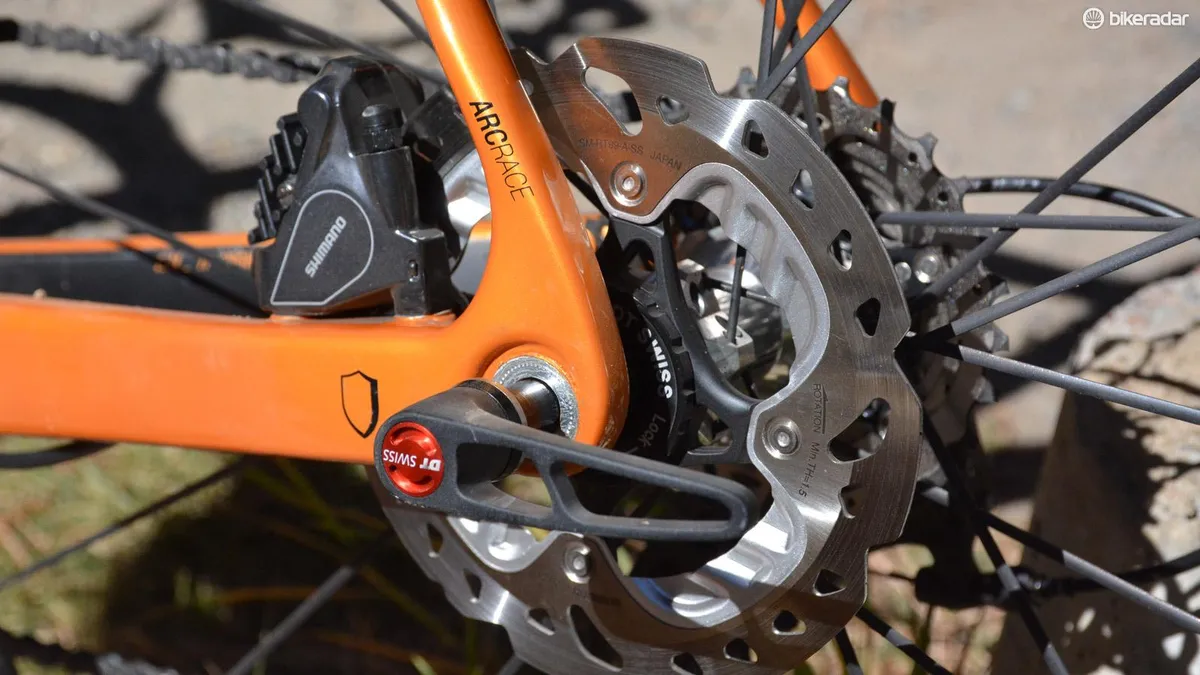
Credit: www.bikeradar.com
Choosing The Right Winter Tires
Studded tires have small metal spikes. They help on icy roads. Non-studded tires use a special rubber. They grip snow well without spikes. Studded tires make noise on dry roads. Non-studded tires are quieter. Choose based on your area’s weather.
Wider tires spread weight and help in snow. Narrow tires cut through snow better. Look for deep tread patterns. They push away snow and water. Some have special designs for extra grip. It’s important for safe winter rides.
Tire ratings show how tires handle cold. Look for a snowflake symbol. It means the tire is good for winter. Check the speed and load ratings too. They tell you how fast and heavy you can go. Choose tires that match your bike’s needs.
Preparing Your Bike
Prepare your bike for winter by installing specialized tires. Begin by selecting tires with deeper treads for better grip. Ensure the tires are the correct size for your bike. Use a tire lever to remove the old tires and fit the new ones securely.
Adjust the tire pressure to match winter conditions for optimal safety.
Cleaning The Bike Frame
Start by washing the bike frame. Use a soft cloth and soapy water. Dirt can hide damage and make tires harder to change. Scrub gently to avoid scratching the paint. Dry it with a clean towel.
Inspecting The Wheels
Check the wheels for cracks or dents. Spin each wheel to see if it wobbles. Look for loose spokes or rust spots. Replace damaged wheels if needed. This ensures safe riding.
Gathering Necessary Tools
Collect all tools before starting. You need a wrench and tire levers. A pump is essential for inflating tires. Have a spare tube ready. It helps if you get a flat tire.
Removing Existing Tires
Removing existing tires is essential before installing winter bike tires. Begin by loosening the wheel nuts with a wrench. Carefully detach the tire from the rim, ensuring no damage to the bike frame.
Deflating The Tires
Release air from the bike tires. Use a valve tool to do this. Make sure the tire is fully deflated. This helps in removing the tire easily. Check twice for no remaining air.
Loosening The Wheel Nuts
Use a wrench to loosen the wheel nuts. Turn the nuts in the opposite direction. Do not remove the nuts completely yet. Just make them loose enough. This prepares for taking the tire off.
Taking Off The Tires
Carefully lift the tire from the wheel. Ensure the wheel nuts are loose. Pull the tire away from the rim. Check if the tire is stuck. If stuck, loosen the nuts more. Remove the tire and place it aside.

Credit: bikeco.com
Installing Winter Tires
First, make sure you have the right winter tires. Check the tread direction on the tire. It should point forward when rolling. This helps grip the road in snow. Place the tire on the wheel hub carefully. Ensure it is straight and aligned.
Use a lug wrench to tighten the bolts. Start with the top bolt, then move to the opposite one. This is called a star pattern. It helps keep the tire secure. Make sure all bolts are tight and even. Loose bolts can make the tire wobble.
Check the tire pressure with a gauge. Inflate the tire to the recommended pressure level. This is usually found in the car manual. Proper pressure ensures better traction and safety. Over-inflated tires can burst, under-inflated tires can slip.
Final Adjustments And Checks
Check tire pressure to ensure optimal grip on icy roads. Tighten all bolts and nuts securely. Test brakes for proper function before riding.
Ensuring Proper Tire Pressure
Check the tire pressure with a gauge. Make sure it matches the bike’s manual. Proper pressure helps the bike grip the road. It keeps you safe while riding. Low pressure can lead to slips. High pressure can make tires burst. Always keep a pump handy. Adjust if needed.
Testing Tire Alignment
Spin the wheel gently. Watch if it wobbles or stays straight. A straight spin means good alignment. If it wobbles, adjust it. Use a wrench to fix the alignment. Proper alignment helps in smooth rides. It also saves tire life.
Inspecting For Any Leaks
Listen for hissing sounds. It might indicate a leak. Check around the tire edges. Use soapy water to spot bubbles. Bubbles show where leaks are. Fix leaks with a patch kit. Ensure the tire is leak-free before riding.

Credit: www.reddit.com
Maintenance Tips For Winter Tires
Installing winter bike tires requires careful attention to detail. Ensure the tread direction matches the bike’s movement for optimal grip. Double-check the tire pressure to maintain stability on icy roads.
Regular Inspection And Cleaning
Check your winter tires often. Look for cracks or cuts. Wash off any dirt and salt. This keeps tires in good shape. Use water and mild soap for cleaning. Dry tires fully before driving. Clean tires grip the road better.
Storing Tires After Winter
Store tires in a cool, dark place. Keep them away from sunlight. Use tire bags if you have them. Stack tires flat, not standing up. This helps them keep their shape. Check tires before using them next winter.
Monitoring Tire Wear
Look at the tire tread often. Use a coin to measure tread depth. Replace tires if tread is too low. Even wear on all tires is good. Rotate tires to keep wear even. This helps tires last longer.
Frequently Asked Questions
Can You Put Winter Tires On A Bike?
Yes, you can put winter tires on a bike. Winter tires offer improved traction on snow and ice. Ensure they fit your bike’s specifications for optimal performance. Consider tire width and tread pattern for better grip and safety during winter cycling.
How To Stud Your Winter Tires?
To stud winter tires, clean them and use a stud gun to insert studs into pre-molded holes. Ensure each stud is securely placed. Follow the manufacturer’s guidelines for the correct stud size and pattern.
Do You Have To Stud Winter Tires?
Studding winter tires is optional. Studded tires offer better grip on icy roads. Non-studded tires perform well in milder winter conditions. Check local regulations as some areas restrict studded tires. Choose based on driving conditions and personal preference.
How Do You Put Your Winter Tires On?
Raise your car with a jack. Loosen lug nuts, remove old tires, and install winter tires. Tighten nuts securely. Lower the vehicle, ensuring all tires are properly aligned and inflated. Check tire pressure regularly for safety.
Conclusion
Installing winter bike tires is simple with the right steps. Keep safety in mind when switching your tires. Check for snug fit and proper pressure. Follow the guide closely for best results. Regular maintenance ensures long-lasting tires. Enjoy smooth rides on icy roads.
Riding in winter can be fun and safe. Just prepare your bike properly. Ensure your tires grip well on slippery surfaces. Now, you’re ready to embrace winter biking adventures. Stay safe, and enjoy the ride!



