

Long-term use of folding bikes can lead to wear and tear on hinges, drivetrains, and frames. This guide helps you spot issues early and keep your bike running smoothly for years.
Key Takeaways
- Hinge and joint wear: Folding mechanisms endure constant stress and may loosen or corrode over time.
- Drivetrain degradation: Chains, gears, and cables wear faster due to compact designs and frequent folding.
- Tire and wheel issues: Smaller wheels are more prone to punctures and misalignment with heavy or long-term use.
- Frame fatigue: Repeated folding weakens stress points, especially on lower-quality models.
- Brake performance decline: Rim and disc brakes lose efficiency as components wear or get misaligned.
- Corrosion and rust: Exposure to moisture and lack of maintenance accelerate metal deterioration.
- Storage and portability strain: Improper storage or overloading can damage hinges and reduce lifespan.
What Problems Occur After Long Term Usage of Folding Bikes
Folding bikes are a fantastic solution for urban commuters, travelers, and space-conscious riders. Their compact design and portability make them ideal for combining with public transport or storing in small apartments. However, like all bicycles, folding bikes aren’t immune to wear and tear—especially when used daily over several years. The very features that make them convenient—folding hinges, smaller wheels, and compact frames—can also become points of failure if not properly maintained.
In this guide, you’ll learn about the most common problems that develop after long-term use of folding bikes, how to spot them early, and what you can do to prevent or fix them. Whether you’ve owned your folding bike for two years or ten, this guide will help you keep it safe, reliable, and ride-ready.
1. Hinge and Joint Wear
One of the most vulnerable parts of any folding bike is the hinge mechanism. These joints allow the frame to fold, but they also endure repeated stress every time you open and close the bike.
Signs of Hinge Problems
You might notice creaking sounds when folding or unfolding, stiffness in the movement, or visible gaps around the hinge. In severe cases, the frame may not lock securely, creating a safety hazard.
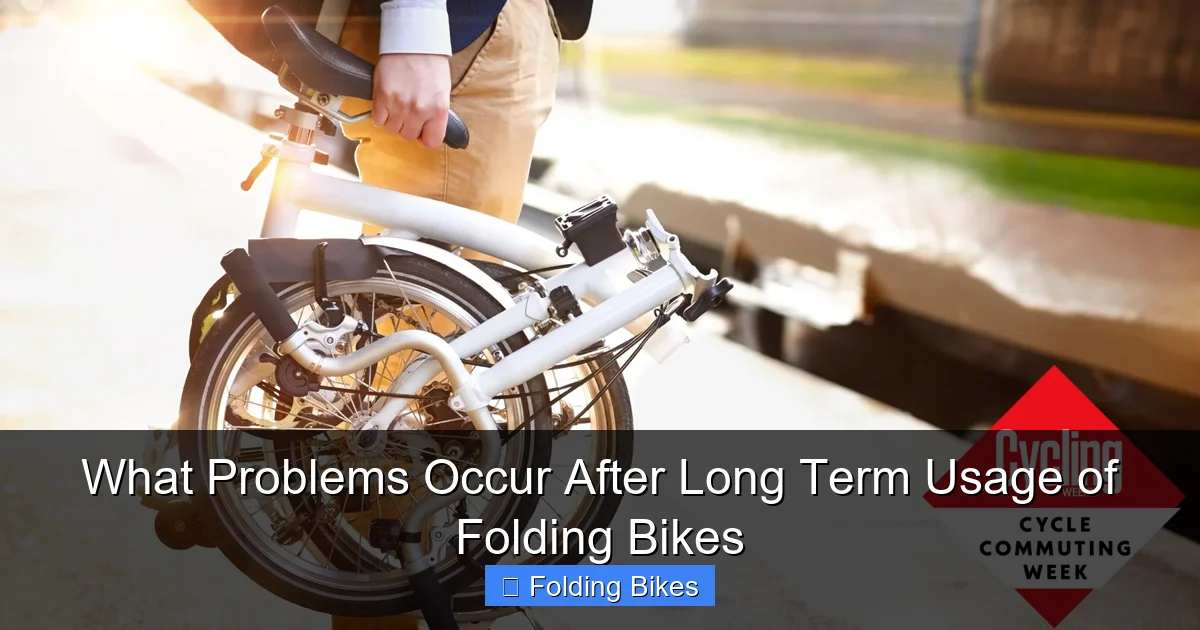
Visual guide about What Problems Occur After Long Term Usage of Folding Bikes
Image source: cdn.mos.cms.futurecdn.net
Why It Happens
Over time, dirt, moisture, and metal fatigue can degrade the hinge pins and locking mechanisms. Cheaper models often use lower-grade steel or aluminum that wears faster.
How to Prevent and Fix
- Clean and lubricate hinges every 3–6 months with a light machine oil or silicone spray.
- Check hinge bolts regularly and tighten them if loose—but avoid over-tightening.
- If the hinge becomes wobbly or won’t lock, consider replacing the pin or upgrading to a reinforced hinge kit.
Pro tip: Avoid folding and unfolding your bike on rough or dirty surfaces to reduce debris buildup.
2. Drivetrain Degradation
The drivetrain—chain, cassette, derailleur, and shifter cables—is under constant strain on folding bikes, especially those with compact gearing systems.
Common Drivetrain Issues
- Chain stretch or skipping under load
- Rough shifting or missed gears
- Stiff or sticky cables
Causes of Wear
Smaller chainrings and cassettes have less surface area, so wear happens faster. Frequent folding can also misalign derailleurs or put extra tension on cables.
Maintenance Tips
- Clean and lubricate the chain every 100–200 miles or after riding in wet conditions.
- Use a chain checker tool to monitor stretch—replace the chain before it damages the cassette.
- Inspect cables for fraying and replace them every 1–2 years.
- Adjust derailleur alignment if shifting becomes inconsistent.
For long-distance riders, consider upgrading to a high-quality chain and cassette designed for durability.
3. Tire and Wheel Problems
Folding bikes typically use smaller wheels (16″ to 20″), which are more susceptible to punctures, rim damage, and alignment issues.
Frequent Tire Issues
- Frequent flats from sharp debris
- Uneven wear due to misaligned wheels
- Cracked or brittle sidewalls from aging rubber
Why Smaller Wheels Wear Faster
Smaller wheels hit obstacles harder and have less air volume, making them more prone to pinch flats. They also rotate more times per mile, increasing wear.
How to Maintain Tires and Wheels
- Check tire pressure weekly—underinflated tires increase puncture risk.
- Inspect tires for cuts, cracks, or embedded glass after every ride.
- Rotate tires if possible, or replace them in pairs to maintain balance.
- Use puncture-resistant tires or tire liners for city commuting.
If you store your bike for long periods, learn how to store bike tires properly to prevent dry rot and deformation.
4. Frame Fatigue and Stress Cracks
The frame is the backbone of your folding bike, but repeated folding introduces stress at key points—especially around the hinge and seat post.
Warning Signs
- Hairline cracks near welds or hinge mounts
- Unusual flexing or creaking when riding
- Loose or wobbly seat post
What Causes Frame Damage
Poor-quality materials, overloading, or improper folding can weaken the frame over time. Aluminum frames are lighter but more prone to fatigue than steel.
Prevention and Repair
- Avoid carrying loads heavier than the bike’s rated capacity.
- Never force the bike to fold—adjust components if it feels stiff.
- Inspect the frame monthly, especially after long rides or travel.
- If you spot a crack, stop riding immediately and consult a professional welder or bike shop.
For riders who frequently travel with their bike, consider a folding mountain bike designed for rugged use, which often features reinforced frames.
5. Brake Performance Decline
Brakes are critical for safety, but on folding bikes, they can degrade faster due to compact designs and exposure to the elements.
Common Brake Problems
- Reduced stopping power
- Squeaking or grinding noises
- Brakes feeling “spongy” or unresponsive
Causes
Rim brakes wear down the wheel rims over time, while disc brakes can suffer from contaminated pads or misaligned calipers. Frequent folding may also loosen brake cables.
Maintenance Steps
- Clean brake pads and rims with isopropyl alcohol every few months.
- Check pad thickness—replace if less than 1mm remains.
- Adjust cable tension if brakes feel loose.
- For disc brakes, ensure the rotor is straight and not rubbing.
If you ride in wet or muddy conditions, consider upgrading to weather-resistant brake components for better long-term performance.
6. Corrosion and Rust
Moisture is the enemy of metal components. Folding bikes, often stored in garages, balconies, or under desks, are especially vulnerable.
Areas Prone to Rust
- Hinge pins and bolts
- Chain and drivetrain
- Inside the frame (if water gets trapped)
How to Prevent Corrosion
- Wipe down your bike after riding in rain or snow.
- Store in a dry, covered area—avoid direct ground contact.
- Apply a light coat of anti-rust spray to metal parts annually.
- Use stainless steel bolts and hardware when replacing parts.
For long-term storage, consider using a bike cover or storing it indoors.
7. Storage and Portability Strain
Folding bikes are meant to be portable, but improper handling can cause damage over time.
Common Mistakes
- Carrying the bike by the handlebars or seat
- Overloading rear racks or baskets
- Folding with cables or accessories in the way
Best Practices
- Always carry the bike by the frame or designated handle.
- Use a lightweight, well-balanced rear basket if you need cargo space.
- Remove accessories before folding to avoid pinching.
- Use a padded bike bag for travel to protect hinges and paint.
Troubleshooting Common Issues
| Problem | Possible Cause | Quick Fix |
|——–|—————-|———|
| Bike won’t fold smoothly | Dirty or dry hinges | Clean and lubricate hinges |
| Chain skips under load | Worn chain or cassette | Replace chain first, then cassette |
| Brakes squeak | Dirty pads or rims | Clean with alcohol |
| Wheels wobble | Loose spokes or hub | Tighten spokes or service hub |
| Seat post slips | Dirty or worn clamp | Clean and tighten clamp |
Conclusion
Long-term use of folding bikes brings convenience and freedom, but it also demands regular care and attention. The compact design that makes these bikes so useful also introduces unique wear points—hinges, small wheels, and tight drivetrains—that need proactive maintenance. By inspecting your bike regularly, keeping it clean and lubricated, and addressing small issues before they become big problems, you can extend its lifespan and enjoy safe, reliable rides for years to come.
Remember, prevention is always cheaper and safer than repair. Whether you’re commuting daily or traveling the world, a well-maintained folding bike is a joy to ride. Don’t wait for a breakdown—start your maintenance routine today.



