
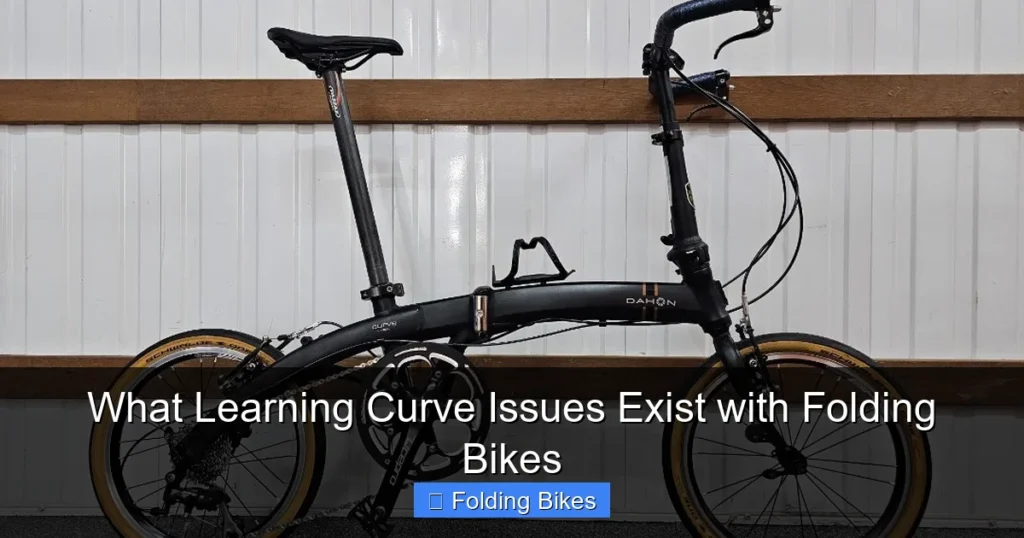
Folding bikes offer convenience and portability, but they come with unique challenges that can surprise new riders. This guide breaks down the most common learning curve issues—from handling and stability to folding mechanics—and offers practical solutions to help you adapt quickly and ride confidently.
Key Takeaways
- Steering and handling feel different: Smaller wheels and compact frames change how the bike responds, requiring adjustments in balance and turning.
- Folding and unfolding takes practice: Mastering the folding mechanism is essential for safety and efficiency, especially in tight spaces.
- Stability at high speeds can be tricky: Due to shorter wheelbases, folding bikes may feel less stable when riding fast or downhill.
- Gear shifting may feel less responsive: Some models have simplified drivetrains that require smoother pedaling and timing.
- Braking requires earlier anticipation: Smaller wheels and lighter frames mean you need to brake sooner than on full-sized bikes.
- Storage and transport logistics add complexity: Knowing how to securely carry or store your folded bike is crucial for daily use.
- Maintenance routines differ slightly: Folding joints and hinges need regular checks to ensure smooth operation and safety.
Introduction: Why Folding Bikes Have a Learning Curve
Folding bikes are a fantastic solution for commuters, travelers, and urban dwellers who need a compact, portable ride. But despite their clever design, they’re not just “regular bikes that fold.” New riders often discover that folding bikes come with a unique set of challenges—what we call the learning curve. These aren’t flaws, but rather adaptations you need to make to ride safely and comfortably.
In this guide, we’ll walk you through the most common learning curve issues with folding bikes, explain why they happen, and give you step-by-step tips to overcome them. Whether you’re a first-time buyer or transitioning from a standard bike, this guide will help you build confidence and get the most out of your folding bike.
1. Adjusting to Different Handling and Steering
One of the first things new folding bike riders notice is how the bike handles. Thanks to smaller wheels (typically 16″ to 20″) and a shorter wheelbase, folding bikes respond more quickly to steering input. This can feel twitchy or unstable at first, especially if you’re used to larger road or mountain bikes.
Visual guide about What Learning Curve Issues Exist with Folding Bikes
Image source: knovator.com
Why It Happens
Smaller wheels have less gyroscopic stability, meaning they don’t naturally resist changes in direction as much as larger wheels. The compact frame also shifts the center of gravity, making the bike feel lighter and more agile—but also more sensitive to body movements.
How to Adapt
- Start slow: Begin in a safe, open area like a park or empty parking lot. Get a feel for how the bike responds to gentle turns and weight shifts.
- Keep your weight centered: Avoid leaning too far forward or backward. Stay balanced over the pedals to maintain control.
- Practice slow-speed maneuvers: Try figure-eights or tight turns to build confidence in handling. This helps you learn the bike’s turning radius and responsiveness.
Tip: If your folding bike has suspension (like some models in our best folding mountain bikes for bikepacking guide), it can help absorb bumps and improve stability on rough surfaces.
2. Mastering the Folding and Unfolding Process
Folding bikes are designed for convenience, but the folding mechanism can be confusing or intimidating at first. Missteps here can lead to frustration, damaged parts, or even accidents if the bike isn’t securely locked when riding.
Common Mistakes
- Forgetting to lock the main hinge or seat post.
- Folding in the wrong order, causing parts to jam.
- Not checking that all latches are fully engaged before riding.
Step-by-Step Folding Practice
- Read the manual: Every model is slightly different. Start by understanding your bike’s specific folding sequence.
- Practice at home: Fold and unfold your bike 5–10 times in a safe space. Time yourself to build speed and muscle memory.
- Check all locks: After unfolding, ensure the frame hinge, handlebar stem, and seat post are fully locked. Give each a firm tug to test.
- Use a checklist: Create a quick mental or written checklist: “Fold frame → lower seat → collapse handlebars → secure with clip.”
Pro tip: Keep a small best folding bike pump in your bag so you can inflate tires after unfolding—this ensures a smooth ride every time.
3. Building Confidence at Higher Speeds
While folding bikes aren’t built for high-speed racing, many riders eventually want to pick up the pace—especially on flat commutes or downhill stretches. The challenge? They can feel less stable than full-sized bikes when moving quickly.
Why Stability Feels Different
The shorter wheelbase and lighter frame mean less inertia, so the bike reacts faster to bumps, wind, or sudden movements. This can lead to a “nervous” feeling, especially on uneven pavement.
How to Ride Safely at Speed
- Lower your center of gravity: Slightly bend your knees and elbows to absorb shocks and improve balance.
- Avoid sudden movements: Steer smoothly and avoid sharp turns at high speed.
- Use both brakes evenly: Most folding bikes have rear and front brakes. Apply them gradually to avoid skidding.
- Upgrade tires if needed: Wider, higher-pressure tires can improve grip and stability. Check out our guide on what size bike tire do I need for help choosing the right fit.
4. Adapting to Gear Shifting and Pedaling Rhythm
Many folding bikes come with internal gear hubs or simplified drivetrains (like 3- or 7-speed systems). These are great for low maintenance, but they shift differently than traditional derailleur systems.
Common Shifting Challenges
- Gears feel “mushy” or slow to respond.
- Difficulty timing shifts while pedaling.
- Chain skipping if not properly adjusted.
Tips for Smoother Shifting
- Shift before you need to: Anticipate hills or stops and shift early. Internal hubs work best when you’re already moving.
- Ease off the pedals slightly: Reduce pressure when shifting to let the mechanism engage smoothly.
- Maintain your drivetrain: Clean and lubricate the chain regularly. A well-maintained system shifts better and lasts longer.
If you’re planning long rides or varied terrain, consider models with more gears. Our best electric bikes for city commuting guide includes folding e-bikes with advanced gearing for extra support.
5. Braking with Precision and Timing
Braking on a folding bike requires more anticipation than on larger bikes. Due to the lighter frame and smaller wheels, you’ll stop faster—but also more abruptly if you’re not careful.
Why Braking Feels Different
Less rotational mass means less momentum, so the bike decelerates quickly. However, if you brake too hard, especially on the front wheel, you risk going over the handlebars.
Safe Braking Techniques
- Use both brakes: Apply the rear brake first, then gradually add front brake pressure. This prevents skidding and maintains control.
- Brake earlier: Start slowing down well before stops, intersections, or turns.
- Practice emergency stops: In a safe area, practice stopping quickly from moderate speed. This builds muscle memory for real-world situations.
For added safety, consider upgrading to high-quality brakes. Check out our review of the best brakes for e-bikes—many of these perform well on folding bikes too.
6. Managing Storage and Transport Logistics
One of the biggest advantages of folding bikes is portability—but only if you know how to handle the folded bike. Carrying, storing, and transporting it requires planning.
Common Storage Issues
- The folded bike is bulky or awkward to carry.
- It doesn’t fit in car trunks, train racks, or under desks.
- Dirt or grease gets on clothes or surfaces.
Practical Storage Solutions
- Use a carrying bag: A padded bag protects the bike and makes it easier to carry. Look for one with shoulder straps and wheels.
- Clean before folding: Wipe down the chain and frame to avoid transferring grease.
- Practice compact folding: Some bikes allow you to remove the pedals or turn the handlebars for a smaller footprint.
- Secure in vehicles: Use straps or bungee cords to keep the folded bike from shifting during transport.
Troubleshooting Common Learning Curve Problems
Even with practice, you might run into issues. Here’s how to solve the most frequent problems:
Bike Feels Unstable on Bumps
Solution: Check tire pressure—underinflated tires reduce stability. Also, ensure the frame locks are tight. If the problem persists, consider adding suspension or upgrading to wider tires.
Folding Mechanism Sticks or Won’t Lock
Solution: Clean and lubricate the hinges and latches. Avoid forcing the mechanism—this can damage parts. If it still doesn’t work, consult your manual or contact the manufacturer.
Difficulty Carrying the Folded Bike
Solution: Use a backpack-style carrier or a wheeled bag. Distribute weight evenly and practice lifting with your legs, not your back.
Conclusion: Embrace the Learning Curve
Yes, folding bikes have a learning curve—but that’s part of what makes them so rewarding. Once you adapt to their unique handling, folding mechanics, and riding style, you’ll enjoy a bike that’s incredibly versatile, portable, and fun. The key is patience, practice, and the right mindset.
Remember, every expert rider started as a beginner. With the tips in this guide, you’ll move past the initial challenges and discover just how capable and convenient a folding bike can be. Whether you’re commuting, traveling, or just exploring your city, your folding bike is ready to go—wherever life takes you.



