
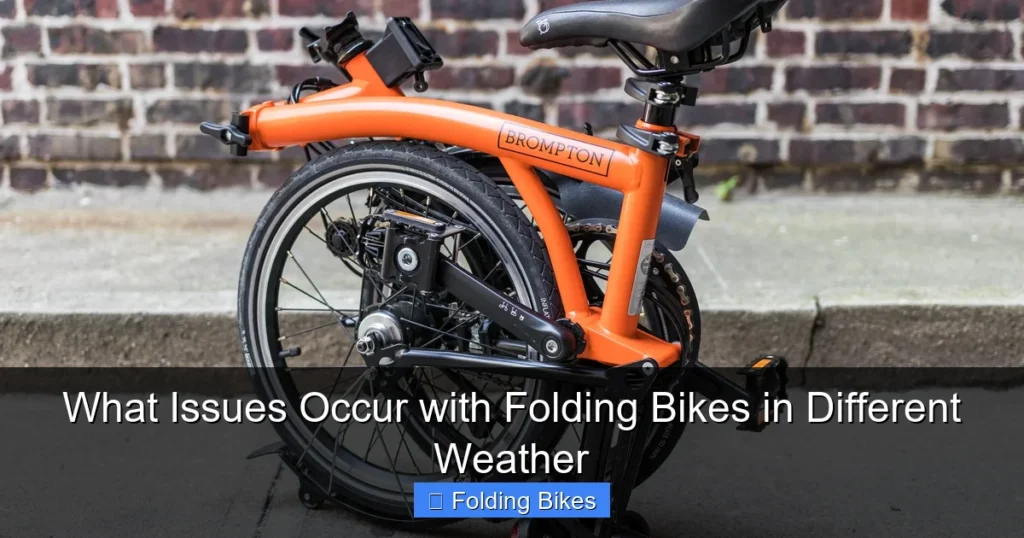
Folding bikes are convenient and portable, but they face unique challenges in extreme weather. This guide explains how rain, heat, cold, and wind affect performance and offers practical solutions to keep your bike running smoothly year-round.
Key Takeaways
- Rain causes rust and electrical issues: Water can seep into hinges, gears, and brakes, leading to corrosion and reduced braking power.
- Heat expands components and dries lubricants: High temperatures can warp frames, melt adhesives, and evaporate chain oil, increasing wear.
- Cold stiffens parts and drains batteries: Low temps thicken lubricants, reduce tire pressure, and weaken e-bike battery performance.
- Wind affects stability and folding mechanisms: Strong gusts make lightweight folding bikes harder to control and may loosen folded locks.
- Regular maintenance prevents weather damage: Cleaning, drying, and lubricating after each ride extends your bike’s lifespan in all conditions.
- Use weather-specific gear and accessories: Fenders, covers, and insulated storage help protect your folding bike from the elements.
- Store indoors when possible: Keeping your bike sheltered reduces exposure to moisture, UV rays, and temperature swings.
Introduction: Why Weather Matters for Folding Bikes
Folding bikes are built for convenience—easy to carry, store, and transport. But their compact design and multiple moving parts make them especially vulnerable to weather extremes. Whether you’re commuting in a rainy city, biking through desert heat, or riding in winter chill, understanding how different weather conditions affect your folding bike is essential for safety, performance, and longevity.
In this guide, you’ll learn exactly what issues arise in rain, heat, cold, and wind—and how to prevent or fix them. We’ll walk you through practical steps, maintenance routines, and smart gear choices to keep your folding bike in top shape no matter the forecast.
Rain and Wet Conditions: Rust, Slipping, and Electrical Problems
Rain is one of the biggest threats to folding bikes. Water doesn’t just make your ride uncomfortable—it can seriously damage your bike over time.
Visual guide about What Issues Occur with Folding Bikes in Different Weather
Image source: bicycleshome.com
Common Rain-Related Issues
- Rust on hinges and joints: Folding bikes have more exposed metal parts than standard bikes. Rainwater can seep into folding mechanisms, causing rust that stiffens movement or even locks the frame.
- Brake failure: Wet rims reduce braking efficiency, especially on rim brakes. Disc brakes perform better but can still lose grip if contaminated with mud or water.
- Electrical damage (for e-bikes): Water can short-circuit motors, batteries, and wiring if seals are compromised.
- Chain and gear corrosion: Without proper lubrication, wet chains rust quickly, leading to poor shifting and increased wear.
How to Protect Your Bike in the Rain
- Use fenders: Install full-coverage fenders to block water and mud from hitting the frame, chain, and brakes. Check out our guide on how to layer clothing for cycling in the rain for full wet-weather preparedness.
- Apply waterproof lubricant: Use wet-weather chain lube that repels water and lasts longer in damp conditions.
- Wipe down after riding: Dry your bike with a clean cloth, especially hinges, joints, and the chain. Pay attention to hidden spots where water collects.
- Store indoors: Never leave your folding bike outside in the rain. If you must, use a waterproof cover.
- Inspect seals on e-bikes: Regularly check battery compartments and motor housings for cracks or loose seals.
Hot Weather: Overheating, Drying, and Frame Stress
High temperatures can be just as damaging as rain—especially in summer or desert climates. Heat affects both mechanical and electrical components.
Heat-Related Problems
- Dried-out lubricants: Chain oil evaporates faster in heat, leading to increased friction and wear.
- Frame expansion: Metal parts expand slightly in heat, which can loosen bolts or misalign folding joints.
- Tire pressure spikes: Air inside tires heats up and expands, increasing pressure and risk of blowouts.
- Battery degradation (e-bikes): Lithium-ion batteries lose capacity and lifespan when exposed to prolonged heat.
- Adhesive failure: Some folding bikes use glue or tape for accessories—heat can melt these, causing parts to fall off.
Tips for Riding in Hot Weather
- Check tire pressure regularly: Use a reliable pump with a gauge. Our best folding bike pump guide helps you pick one that fits your bike’s valves and storage needs.
- Reapply lubricant often: Use high-temperature chain lube and clean the chain weekly.
- Avoid direct sun when parked: Use a bike cover or park in shade to protect paint, rubber, and electronics.
- Cool batteries before charging: Let e-bike batteries cool down after a hot ride before plugging in.
- Wear breathable gear: Stay comfortable and safe with moisture-wicking clothing. Learn more in our article on how to ride with a helmet in hot weather.
Cold Weather: Stiffness, Battery Drain, and Traction Loss
Winter riding brings unique challenges. Cold temperatures affect everything from your tires to your battery.
Cold-Weather Issues
- Thickened lubricants: Oil in the chain and hinges becomes sticky, making pedaling harder and increasing wear.
- Reduced tire pressure: Cold air contracts, lowering tire pressure and increasing the risk of pinch flats.
- Battery drain (e-bikes): Lithium batteries lose up to 40% of their range in freezing temps.
- Brake stiffness: Brake cables and hydraulic fluid can stiffen, reducing responsiveness.
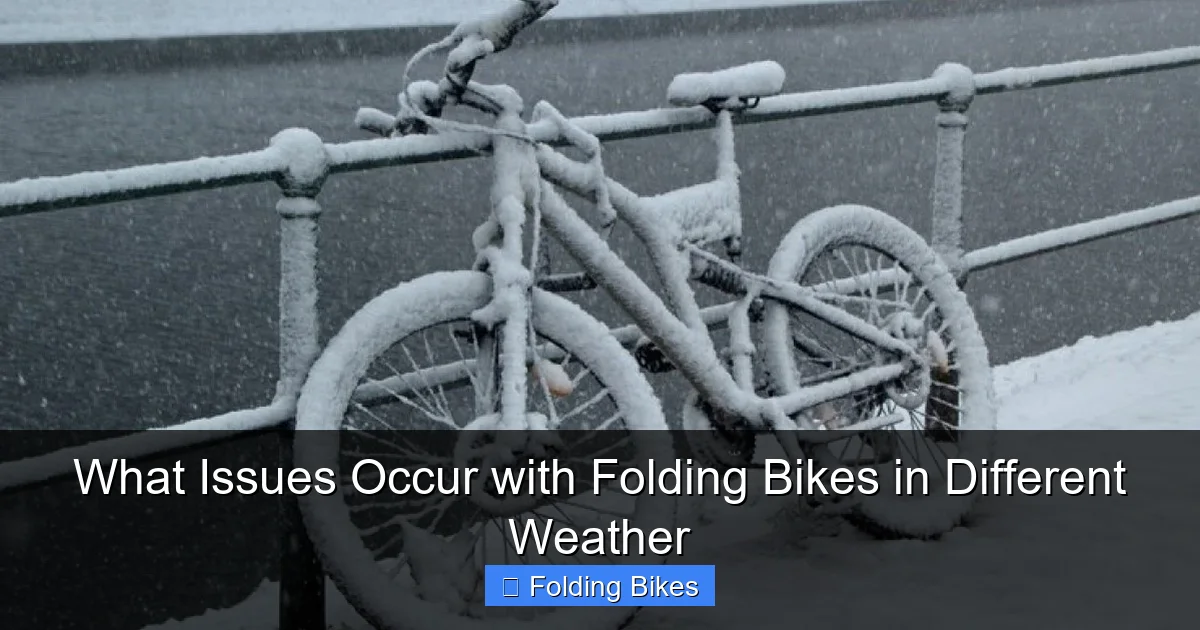
- Ice and snow buildup: Snow can pack into folding joints, preventing proper folding or unfolding.
How to Ride Safely in the Cold
- Use winter-specific tires: Wider, studded, or puncture-resistant tires improve grip on snow and ice.
- Check pressure frequently: Inflate tires to the recommended PSI, especially on cold mornings.
- Switch to cold-weather lube: Use a lighter, low-temperature chain oil that stays fluid in the cold.
- Keep batteries warm: Store e-bike batteries indoors and use insulated covers during rides.
- Clear snow from hinges: Before folding, brush off snow and ice to avoid jamming the mechanism.
Windy Conditions: Stability and Folding Risks
Wind might not seem as damaging as rain or snow, but it poses real risks—especially for lightweight folding bikes.
Wind-Related Challenges
- Reduced stability: Folding bikes are often lighter and have smaller wheels, making them more susceptible to crosswinds.
- Folding mechanism loosening: Strong gusts can shake the bike, potentially loosening latches or hinges if not secured.
- Difficulty controlling direction: Headwinds slow you down; tailwinds can cause sudden speedups.
- Debris impact: Wind blows dust, leaves, and small rocks into moving parts, causing abrasion.
Tips for Windy Rides
- Lower your center of gravity: Bend your elbows and knees, and lean slightly into the wind.
- Use a rear rack with a basket: Adding a bit of weight low on the bike improves stability. See our guide on the best rear basket for bikes for secure storage options.
- Secure all folding locks: Double-check that latches are fully engaged before riding.
- Wear aerodynamic clothing: Reduce wind resistance with tight-fitting gear.
- Plan your route: Avoid open areas or bridges where wind speeds are higher.
Troubleshooting Common Weather Damage
Even with precautions, weather can cause problems. Here’s how to fix the most common issues.
Rust on Hinges or Bolts
If your folding mechanism feels stiff or squeaky, rust may be the culprit. Use a rust dissolver spray, then wipe clean and apply a light machine oil. For severe rust, consult a bike mechanic.
Slipping Brakes After Rain
Wipe brake pads and rims with a dry cloth. If pads are worn, replace them. For disc brakes, spin the wheel to dry the rotor.
Battery Not Charging in Cold
Bring the battery indoors and let it warm to room temperature before charging. Never charge a frozen battery.
Chain Skipping in Heat
This usually means the chain is dry or stretched. Clean and re-lubricate the chain. If it’s old, consider replacing it.
Conclusion: Ride Smart in Any Weather
Folding bikes are incredibly versatile, but they need extra care when facing rain, heat, cold, or wind. By understanding how each weather condition affects your bike—and taking simple preventive steps—you can enjoy safe, smooth rides all year long.
Remember: regular cleaning, proper lubrication, smart storage, and weather-appropriate gear make all the difference. Whether you’re commuting through a summer storm or biking in winter chill, your folding bike can handle it—if you prepare wisely.



