
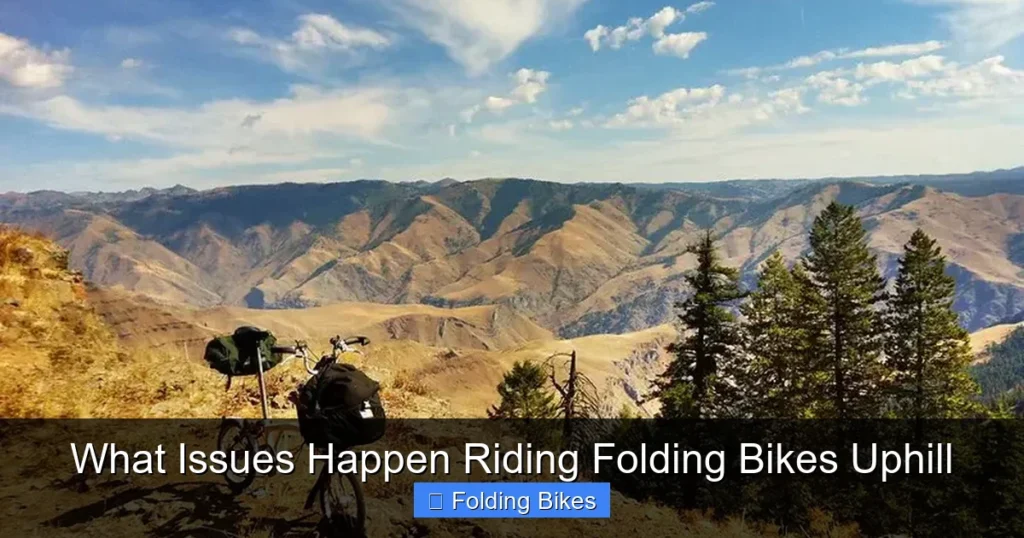
Riding folding bikes uphill can present unique challenges due to their compact design and lighter build. This guide covers the most common problems—like limited gear range, reduced traction, and rider fatigue—and offers actionable tips to overcome them. Whether you’re commuting or exploring hills, you’ll learn how to ride smarter and more efficiently.
Key Takeaways
- Gear limitations are common: Many folding bikes have fewer gears, making steep climbs harder. Consider upgrading to a model with a wider gear range.
- Weight distribution affects balance: The compact frame can shift your center of gravity, especially when standing on pedals. Practice proper body positioning.
- Tire pressure matters: Underinflated tires increase rolling resistance. Keep tires at the recommended PSI for better uphill efficiency.
- Lightweight frames can flex: Some folding bikes flex under heavy load. Choose a rigid model or reinforce key joints if needed.
- Use proper pedaling technique: Smooth, consistent pedaling conserves energy. Avoid sudden bursts that drain stamina quickly.
- Consider an electric assist: E-folding bikes make hills easier and are ideal for longer commutes or hilly terrain.
- Regular maintenance is key: Check brakes, chain tension, and folding mechanisms before every ride to ensure safety and performance.
Introduction: Why Uphill Riding on Folding Bikes Is Challenging
Folding bikes are fantastic for city commuting, travel, and storage convenience. But when it comes to tackling hills, they often face unique hurdles. Their smaller wheels, compact frames, and sometimes limited gearing can make uphill climbs feel more strenuous than on full-sized bikes.
This guide will walk you through the most common issues riders face when climbing hills on folding bikes—and how to solve them. You’ll learn about bike setup, riding techniques, gear choices, and maintenance tips to make your uphill rides smoother, safer, and more enjoyable. Whether you’re a daily commuter or a weekend explorer, these strategies will help you conquer those inclines with confidence.
Common Issues When Riding Folding Bikes Uphill
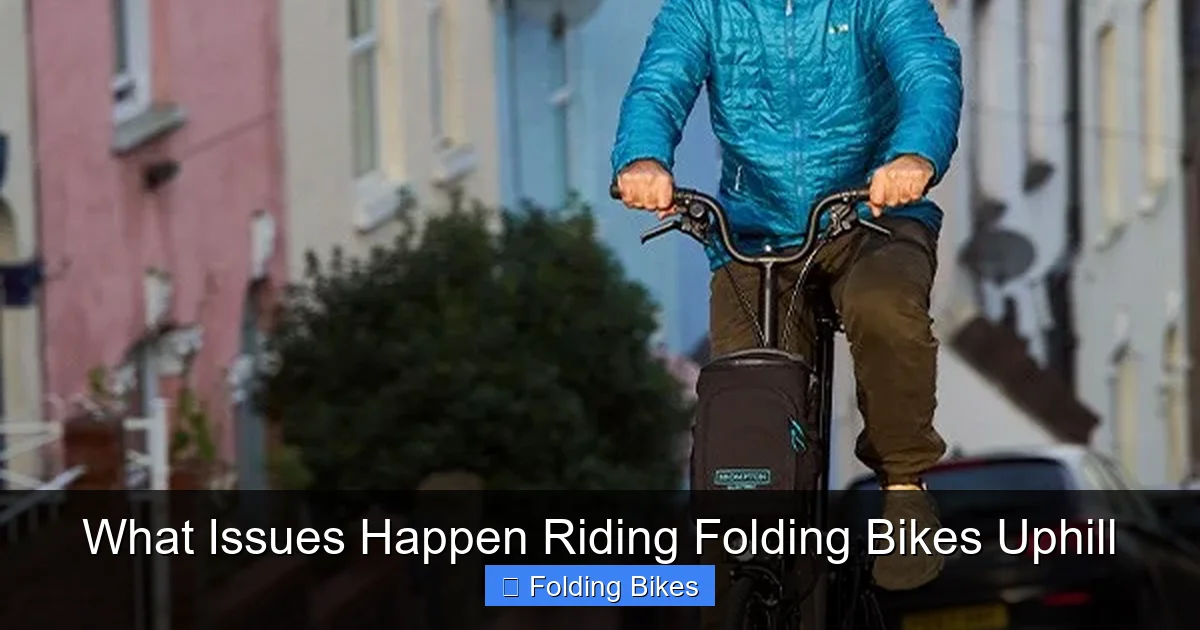
Visual guide about What Issues Happen Riding Folding Bikes Uphill
Image source: assets.tredz.co.uk
Understanding the root causes of uphill struggles is the first step to overcoming them. Here are the top problems riders encounter:
1. Limited Gear Range
Many folding bikes come with fewer gears than traditional mountain or road bikes. This can make steep climbs extremely difficult, especially if you’re carrying a backpack or panniers. A narrow gear range means you might not have a low enough gear to maintain a steady cadence on steep slopes.
2. Smaller Wheels and Reduced Traction
Folding bikes typically use 16″ to 20″ wheels, which have less momentum and can struggle with grip on loose or wet surfaces. This makes climbing more physically demanding and increases the risk of slipping.
3. Frame Flex and Weight Distribution
The folding mechanism and lightweight materials can lead to frame flex under heavy pedaling force. This not only wastes energy but can also make the bike feel unstable when standing on the pedals.
4. Poor Weight Distribution
Because folding bikes are designed to be compact, the rider’s weight is often positioned further back. This can reduce front-wheel traction and make the bike prone to wheelies or loss of control on steep climbs.
5. Rider Fatigue and Technique
Without proper technique, even minor hills can exhaust you quickly. Jerky pedaling, incorrect posture, or inefficient breathing all contribute to early fatigue.
How to Prepare Your Folding Bike for Hill Climbing
A few adjustments can make a big difference in your uphill performance.
Check and Optimize Tire Pressure
Underinflated tires increase rolling resistance, making every pedal stroke harder. Always check your tire pressure before a ride. Use a reliable pump—like one from our guide on the best folding bike pumps—to ensure accuracy. Most folding bikes perform best between 65–85 PSI, but check your sidewall for exact recommendations.
Inspect and Tighten the Folding Mechanism
Loose hinges or clamps can cause unwanted movement during climbs. Before each ride, ensure all folding joints are securely locked. A wobbly frame wastes energy and reduces control.
Lubricate the Chain and Drivetrain
A dry or dirty chain increases friction, making pedaling harder. Clean and lubricate your chain regularly. Use a light bike-specific lube for best results, especially if you ride in wet conditions.
Adjust Seat Height and Position
Proper seat height ensures efficient leg extension and power transfer. If your seat is too low, you’ll waste energy. If it’s too high, you risk losing balance. Aim for a slight bend in your knee at the bottom of the pedal stroke.
Mastering Your Riding Technique Uphill
How you ride is just as important as your bike’s setup.
Use a Steady, Rhythmic Pedaling Cadence
Avoid sprinting or mashing the pedals. Instead, aim for a smooth, consistent rhythm—around 60–80 RPM. This conserves energy and prevents burnout. If your bike has gears, shift down early before the hill gets steep.
Shift Your Weight Forward
On steep climbs, lean slightly forward to keep weight over the front wheel. This improves traction and prevents the front wheel from lifting. Keep your elbows slightly bent and your core engaged for stability.
Stand Only When Necessary
Standing on the pedals gives you more power, but it also increases fatigue. Use it sparingly—only for short, steep sections. When standing, keep your weight centered and avoid rocking the bike side to side.
Breathe Deeply and Stay Relaxed
Tension in your shoulders, arms, or hands wastes energy. Focus on deep, controlled breathing and keep your upper body relaxed. This helps maintain endurance over longer climbs.
Upgrading Your Folding Bike for Better Hill Performance
If you frequently ride hills, consider these upgrades:
Install a Wider-Range Cassette or Chainring
Some folding bikes allow gear upgrades. A cassette with a larger largest cog (e.g., 32T or 36T) gives you lower gears for climbing. Consult a bike mechanic to see if your drivetrain is compatible.
Switch to Higher-Quality Tires
Look for tires with good grip and low rolling resistance. Wider tires (up to 1.75″) can improve traction without sacrificing speed. For guidance, check out our tips on how to choose tires for long-distance riding.
Add a Rear Rack and Panniers
Carrying weight in a backpack shifts your center of gravity and increases fatigue. A rear rack with panniers keeps weight low and centered. Explore options in our guide to the best rear baskets for bikes.
Consider an Electric Conversion or E-Folding Bike
Electric assist can make hills feel flat. Many folding bikes are compatible with bolt-on motor kits, or you can upgrade to a full e-folding bike. For city commuters, we recommend reviewing the best electric bikes for city commuting.
Troubleshooting Common Uphill Problems
Even with preparation, issues can arise. Here’s how to handle them:
Bike Feels Unstable or Wobbles
This is often due to loose folding joints or improper weight distribution. Stop and check all clamps and hinges. Shift your weight forward and avoid sudden movements.
Chain Skips or Slips Under Load
This could indicate a worn chain, cassette, or improper tension. Replace worn components and ensure your derailleur is properly adjusted.
Excessive Fatigue on Short Climbs
Review your gearing—you may need lower gears. Also, assess your fitness and riding technique. Practice on gradual hills to build strength and efficiency.
Front Wheel Lifts Off the Ground
Lean forward more and keep your arms slightly bent. Avoid standing too upright. If it happens frequently, consider a front rack or redistributing weight.
Conclusion: Ride Smarter, Not Harder
Riding a folding bike uphill doesn’t have to be a struggle. By understanding the common challenges—like limited gears, small wheels, and frame flex—you can take proactive steps to improve your experience. Focus on proper bike setup, refine your technique, and consider smart upgrades when needed.
With the right preparation, your folding bike can handle hills just as well as any other bike. Whether you’re climbing city streets or mountain trails, these tips will help you ride with confidence and ease. Remember: it’s not about how fast you go, but how smoothly you get there.



