
Choosing the most comfortable bike for seniors means prioritizing ergonomic design, ease of use, and stability. This guide walks you through the best bike types, essential features, and practical tips to help older riders enjoy safe, enjoyable cycling.
[FEATURED_IMAGE_PLACEHOOLDER]
Key Takeaways
- Recumbent and electric bikes lead in comfort: These offer back support, low-impact pedaling, and reduced strain on joints.
- Step-through frames are ideal for seniors: They allow easy mounting and dismounting, reducing the risk of falls.
- Wide, cushioned seats enhance comfort: Look for ergonomic saddles with ample padding and backrests when possible.
- Adjustable handlebars and upright posture matter: They reduce neck and back strain during longer rides.
- Tire width and suspension improve ride quality: Wider tires (at least 32mm) absorb shocks better on uneven surfaces.
- Assistive features like gears and brakes are crucial: Easy-to-use components help maintain control and reduce fatigue.
- Test rides and professional fitting are essential: Always try before you buy to ensure the bike suits your body and needs.
What Is the Most Comfortable Bike for Seniors?
As we age, staying active becomes more important than ever—and cycling is one of the best low-impact exercises for maintaining mobility, heart health, and mental well-being. But not all bikes are created equal, especially when it comes to comfort and safety for older riders. So, what is the most comfortable bike for seniors? The answer isn’t one-size-fits-all, but certain types and features consistently stand out for their ease of use, ergonomic design, and gentle impact on the body.
In this guide, you’ll learn how to identify the most comfortable bike for seniors by understanding key design elements, comparing bike types, and knowing what to look for during a test ride. Whether you’re shopping for yourself or a loved one, this step-by-step guide will help you make a confident, informed decision.
Why Comfort Matters for Senior Cyclists
Visual guide about What Is the Most Comfortable Bike for Seniors
Image source: bikebesties.com
Cycling should be enjoyable, not painful. For seniors, comfort isn’t just about luxury—it’s about safety and sustainability. Joint stiffness, reduced flexibility, and balance concerns make traditional bikes less suitable. A comfortable bike reduces strain on the back, knees, and wrists while boosting confidence on the road or trail.
Comfort also encourages consistency. When a bike feels good to ride, seniors are more likely to use it regularly, reaping long-term health benefits like improved cardiovascular function, stronger muscles, and better mood.
Step 1: Choose the Right Bike Type

Visual guide about What Is the Most Comfortable Bike for Seniors
Image source: reallygoodebikes.com
Not all bikes are equally comfortable for older riders. Here are the top options, ranked by comfort and suitability.
Recumbent Bikes: Maximum Support and Relaxation
Recumbent bikes are often considered the gold standard for comfort. Riders sit in a reclined position with full back support, distributing weight evenly and eliminating pressure on the hands, wrists, and tailbone.
These bikes are excellent for those with back pain, arthritis, or limited mobility. They’re stable, low to the ground, and ideal for leisurely rides. For home use, check out the best recumbent bike for home gym setups.
Electric Bikes (E-Bikes): Effortless Pedaling
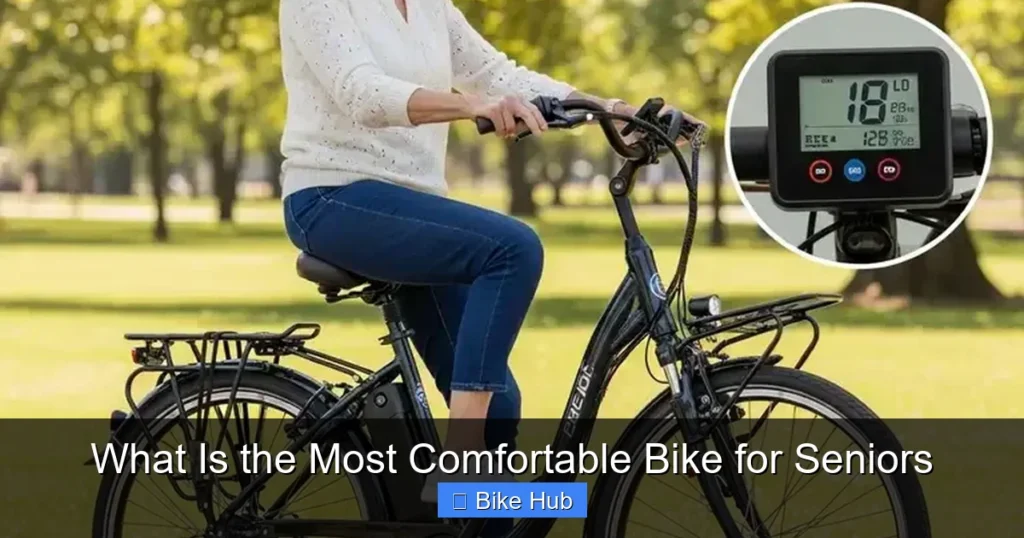
E-bikes provide pedal assistance, making hills and long distances manageable. This is especially helpful for seniors who want to stay active without overexertion. Modern e-bikes are lightweight, reliable, and often come with step-through frames.
For seniors, models with mid-drive motors and smooth torque sensors offer the most natural riding experience. Explore the best electric bike for seniors to find top-rated options with comfort-focused designs.
Hybrid Bikes: A Balanced Choice
Hybrid bikes combine features of road and mountain bikes, offering upright handlebars, medium-width tires, and comfortable seating. They’re versatile for paved paths, light trails, and city streets.
Look for hybrids with suspension seat posts and ergonomic grips. These small details make a big difference on bumpy roads.
Cruiser Bikes: Relaxed and Stylish
Cruisers are perfect for flat, scenic routes. With wide saddles, swept-back handlebars, and balloon tires, they offer a smooth, relaxed ride. However, they’re heavier and less efficient on hills, so they’re best for short, casual outings.
Step 2: Prioritize Key Comfort Features
Once you’ve narrowed down the bike type, focus on specific features that enhance comfort.
Step-Through Frame Design
Traditional diamond frames require lifting a leg high to mount, which can be challenging. Step-through frames have a low or absent top tube, allowing riders to step on and off easily. This reduces the risk of falls and is ideal for those with limited flexibility.
Wide, Padded Saddles
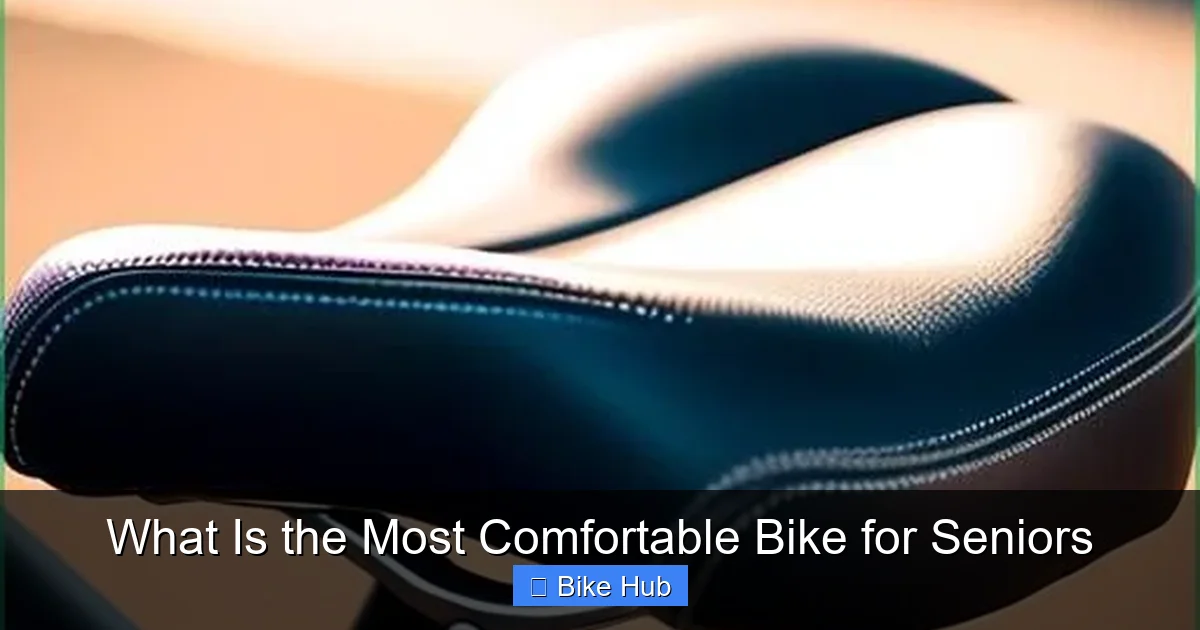
A narrow, hard seat can cause discomfort within minutes. Look for saddles with generous padding, ergonomic contours, and cutouts to relieve pressure. Some seniors prefer saddles with backrests or gel inserts for extra cushioning.
Upright Riding Position
Leaning forward strains the neck and back. An upright posture keeps the spine aligned and reduces fatigue. Adjustable handlebars and stems help customize the fit.
Wide Tires for Stability and Shock Absorption
Wider tires (32mm or more) provide better grip and absorb road vibrations. For casual weekend rides, consider the best bike tires for casual weekend cycling, which prioritize comfort over speed.
Suspension Systems
Front suspension forks or suspension seat posts smooth out bumps on uneven terrain. Full suspension is rare on comfort bikes but can be found on some hybrid or e-bike models.
Step 3: Ensure Easy Operation and Safety
Comfort isn’t just physical—it’s also about ease of use.
Simple Gearing Systems
Too many gears can be confusing. Look for bikes with 7 to 8 speeds or internal hub gears, which are low-maintenance and easy to shift. E-bikes with automatic shifting take the guesswork out of gear changes.
Reliable, Easy-to-Use Brakes
Disc brakes (mechanical or hydraulic) offer strong stopping power in all weather conditions. For seniors, lever-operated rim brakes or coaster brakes (pedal backward to stop) can be simpler to use.
Low Standover Height
This is the distance between the ground and the top tube. A low standover height ensures you can put both feet flat on the ground when stopped, improving balance and confidence.
Step 4: Get the Right Fit
Even the most comfortable bike won’t feel good if it doesn’t fit. A professional bike fitting can prevent discomfort and injury.
Adjustable Components
Ensure the seat height, handlebar position, and stem length can be adjusted. Many comfort bikes come with tool-free adjustments for quick tweaks.
Test Ride Before Buying
Always take a test ride. Pay attention to:
– Can you mount and dismount easily?
– Is the seat comfortable after 10–15 minutes?
– Do your hands go numb? (This indicates poor weight distribution.)
– Can you reach the brakes and shifters without straining?
Step 5: Add Comfort Accessories
Small upgrades can make a big difference.
Padded Gloves
Reduce hand fatigue and improve grip with cycling gloves designed for comfort.
Bike Seat Covers
If the stock saddle isn’t quite right, a gel or memory foam cover can add instant cushioning.
Rear Rack and Panniers
Carrying items in panniers instead of a backpack keeps weight low and balanced, reducing strain on the back.
Fenders and Lights
Fenders keep you dry on wet roads, while lights improve visibility and safety—especially important for older riders.
Troubleshooting Common Comfort Issues
Even with the right bike, discomfort can arise. Here’s how to fix common problems:
Sore Back or Neck?
Adjust the handlebars higher or closer. Consider a stem riser or ergonomic grips.
Numb Hands or Wrists?
This often means too much weight is on the hands. Lower the seat slightly or switch to a wider, more supportive saddle.
Knee Pain While Pedaling?
Check seat height. Your leg should be almost fully extended at the bottom of the pedal stroke, with a slight bend.
Bike Feels Unstable?
Wider tires and lower tire pressure (within recommended range) can improve stability. Avoid overly lightweight frames if you prefer a sturdier feel.
Conclusion
The most comfortable bike for seniors is one that fits well, supports the body, and makes riding enjoyable and safe. Recumbent and electric bikes often top the list for their ergonomic designs and ease of use, but hybrid and cruiser bikes can also be excellent choices depending on needs and preferences.
Prioritize step-through frames, wide saddles, upright posture, and wide tires. Don’t skip the test ride—comfort is personal, and what works for one person may not work for another. With the right bike, seniors can enjoy years of low-impact exercise, fresh air, and independence on two wheels.
Investing in comfort isn’t just about luxury—it’s about enabling a healthier, more active lifestyle. So take your time, explore your options, and find the bike that feels like it was made just for you.



