

Have you ever wondered where velomobiles come from and how they became the sleek, efficient vehicles they are today? Understanding the history of velomobiles can change the way you see these unique machines and inspire you to explore their potential for your own travels.
This story is full of surprising inventions, clever designs, and passionate people who dared to rethink how we move. Keep reading, and you’ll discover the fascinating journey behind velomobiles—one that might just spark your curiosity and fuel your next adventure.

Credit: www.youtube.com
Early Human-powered Vehicles
Human-powered vehicles have a long history. People have always looked for ways to move faster and easier.
These vehicles use human energy to move. They include bicycles, tricycles, and early designs that led to velomobiles.
Origins Of Pedal-powered Transport
The first pedal-powered machines started appearing in the early 19th century. They were simple and heavy.
People used pedals connected to cranks to turn wheels. This allowed faster and more efficient travel than walking.
- The “Draisine” was a two-wheeled vehicle pushed by feet on the ground.
- The “Velocipede” had pedals attached directly to the front wheel.
- These inventions set the stage for modern bicycles and velomobiles.
First Velomobile Concepts
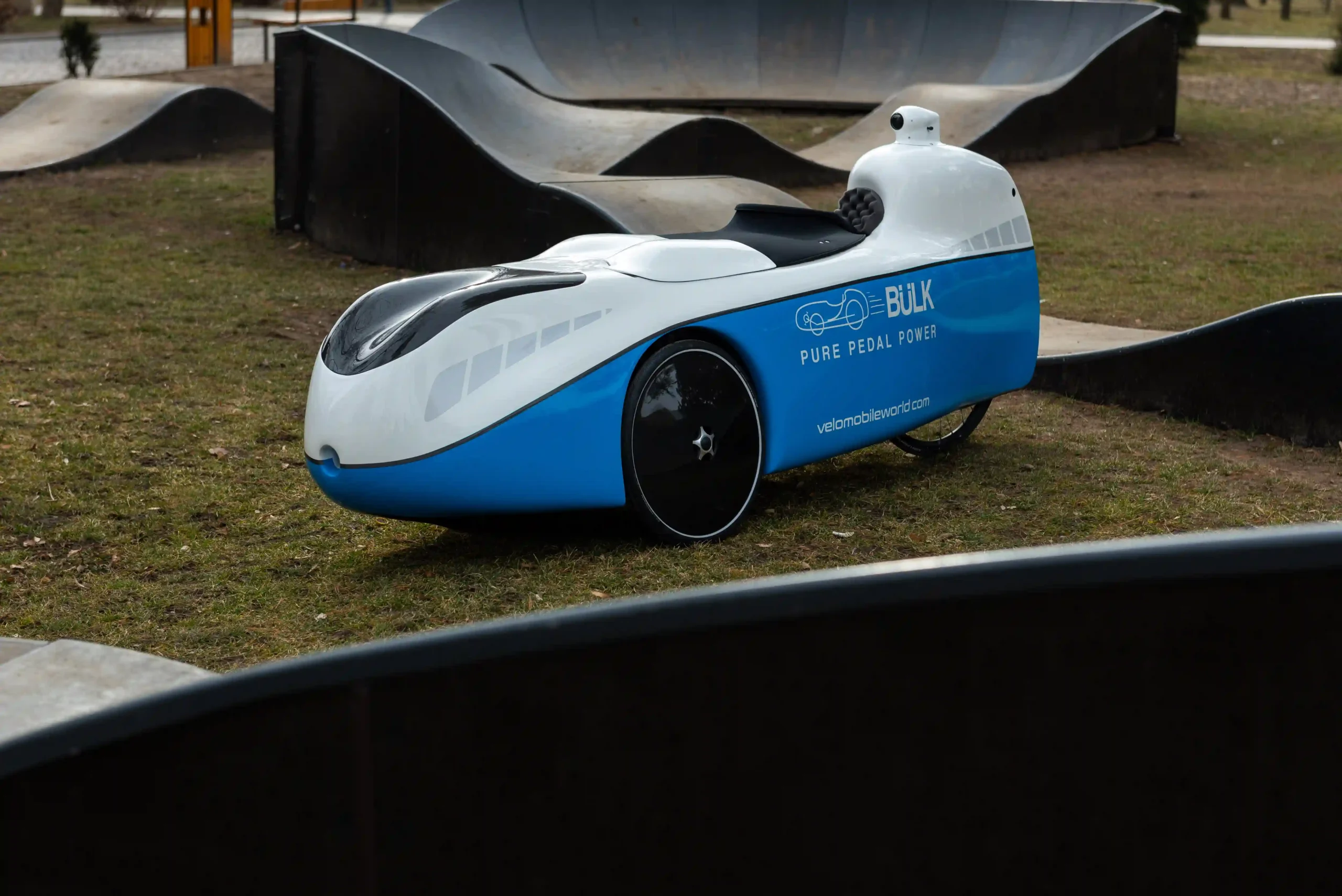
Velomobiles are enclosed, human-powered vehicles. They combine bicycle power with a protective shell.
The first ideas of velomobiles came in the late 1800s and early 1900s. People wanted faster, weatherproof transport.
- Early velomobiles used wood and metal frames with simple shells.
- Inventors aimed to reduce wind resistance and improve comfort.
- These concepts inspired modern velomobile designs we see today.
Credit: www.velomobileworld.com
Development Through The 20th Century
The history of velomobiles is rich and interesting. These human-powered vehicles have evolved significantly over time. Velomobiles were inspired by bicycles and tricycles but offer more protection and speed.
During the 20th century, velomobiles gained popularity. They were developed to be more efficient and comfortable. Many inventors worked on improving their design and usability.
Innovations In Design And Materials
Innovations in design played a key role in velomobile development. Designers focused on aerodynamics to increase speed. This led to sleeker shapes and better performance.
Materials also changed over the years. Early velomobiles used metal frames. Later, lighter materials like fiberglass and carbon fiber were used. These materials made velomobiles faster and easier to handle.
- Fiberglass reduced weight and increased speed
- Carbon fiber improved durability and efficiency
- Streamlined shapes enhanced aerodynamics
Impact Of World Wars On Velomobile Progress
The World Wars impacted velomobile development. During these times, resources were scarce. This slowed down progress in many industries, including velomobiles.
Despite these challenges, some advances were made. The need for efficient transportation increased interest in velomobiles. They were seen as practical solutions for short distances.
- Resource scarcity limited material availability
- Increased interest in efficient transportation
- Practical for short distance travel
Modern Velomobile Designs
Modern velomobiles show big changes from old designs. They focus on speed, comfort, and safety.
Designers use new ideas and tools to make them better for riders and the environment.
Advancements In Aerodynamics
Aerodynamics help velomobiles move faster with less effort. Shapes are smooth and curved to cut air resistance.
- Streamlined bodies reduce drag
- Low ground clearance improves airflow
- Enclosed wheels lower wind noise
- Lightweight materials keep speed high
Integration Of Technology
Technology makes velomobiles easier and safer to ride. Many models use digital tools and smart parts.
| Technology | Purpose |
| GPS Navigation | Find routes and track trips |
| Electric Assist | Help pedaling on hills |
| LED Lighting | Increase visibility at night |
| Digital Displays | Show speed, distance, and battery |

Credit: en.wikipedia.org
Velomobiles Around The World
Velomobiles are human-powered vehicles with a shell for speed and weather protection. They have a rich history across many countries.
Different regions have shaped velomobile designs based on their needs and technology. These vehicles have grown popular worldwide.
European Contributions
Europe played a key role in velomobile development. Designers focused on aerodynamics and comfort early on.
Countries like Germany and the Netherlands led the way with innovative designs and lightweight materials. Velomobiles in Europe often have sleek shapes for city and long-distance rides.
- Germany developed early fiberglass shells for low weight
- The Netherlands emphasized practical models for everyday use
- Sweden and Denmark contributed with aerodynamic and efficient designs
North American And Asian Developments
In North America, velomobiles grew with a focus on strength and durability. Builders often used stronger frames for rough roads.
Asia saw growing interest in velomobiles for commuting and recreation. Japan and China worked on compact, lightweight versions suitable for crowded cities.
- North America focused on rugged and versatile designs
- Japan created small, efficient velomobiles for urban travel
- China developed affordable models for growing cycling communities
Cultural And Environmental Impact
The history of velomobiles shows their role beyond transport. They offer new ways to think about culture and the environment.
These human-powered vehicles shape how people travel and connect with nature. They also affect communities and the planet.
Velomobiles In Sustainable Transport
Velomobiles help reduce pollution and traffic. They use less energy and support clean air goals.
- Lower carbon footprint than cars
- Use human power, no fuel needed
- Encourage active lifestyles and health
- Reduce noise pollution in cities
- Fit well on bike lanes and paths
Community And Enthusiast Movements
People who use velomobiles often join groups to share knowledge and enjoy rides together. These communities grow culture around sustainable travel.
| Community Type | Main Activity | Impact |
| Local Clubs | Group rides and meetups | Build social bonds |
| Online Forums | Sharing tips and designs | Spread awareness |
| Events | Races and exhibitions | Showcase innovation |
| Workshops | Building and repairs | Teach skills |
Future Trends In Velomobile Evolution
Velomobiles have a long history as efficient human-powered vehicles. Their designs keep improving for better speed and comfort.
The future of velomobiles looks bright. New technologies and wider interest will shape their growth.
Emerging Technologies
New materials like carbon fiber make velomobiles lighter and stronger. This helps riders go faster with less effort.
Electric assist motors are becoming common. They help riders on hills and make longer trips easier.
- Carbon fiber and lightweight composites
- Electric pedal-assist systems
- Improved aerodynamic designs
- Smart sensors for safety and performance
Potential For Mass Adoption
More people want green transport options. Velomobiles offer a clean way to travel without pollution.
Urban areas with bike lanes make velomobiles practical. They can replace short car trips and reduce traffic.
- Growing interest in eco-friendly transport
- Better city infrastructure for bikes
- Lower costs with mass production
- Increased awareness of health benefits
Frequently Asked Questions
What Is The Origin Of Velomobiles?
Velomobiles originated in the 1930s as streamlined human-powered vehicles. Early designs aimed to improve speed and efficiency by adding aerodynamic shells to bicycles.
How Have Velomobiles Evolved Over Time?
Velomobiles evolved with advances in materials and design. Modern versions use lightweight composites and focus on comfort, speed, and weather protection.
Who Were The Pioneers Of Velomobile Development?
Pioneers include Charles Mochet, who created early pedal-powered vehicles in the 1930s. Later innovators refined the concept with better aerodynamics and usability.
Why Did Velomobiles Gain Popularity In Europe?
European cities embraced velomobiles for eco-friendly transport. Their efficiency and weather protection suit urban commuting and reduce reliance on cars.
Conclusion
Velomobiles have a rich and interesting history. They started as simple human-powered vehicles. Over time, designs improved for speed and comfort. People used them for commuting and fun. Today, velomobiles show how old ideas can grow. They blend technology with eco-friendly travel.
Their story inspires new ways to move. Velomobiles prove small changes can make a big difference. They remain a unique part of transport history. Keep an eye on their future developments.



