
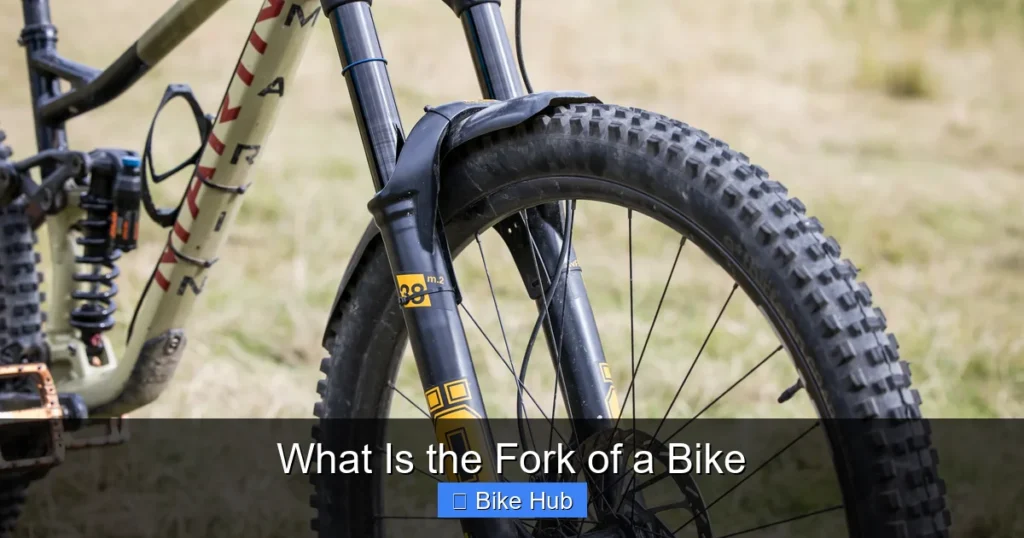
The fork of a bike is a crucial component that connects the front wheel to the frame and allows steering. This guide explains its structure, types, functions, and maintenance tips to help you ride safely and smoothly.
Key Takeaways
- Function: The bike fork holds the front wheel and enables steering and shock absorption.
- Types: Rigid, suspension, and carbon forks are common, each suited for different riding styles.
- Materials: Forks are made from steel, aluminum, carbon fiber, or a combination, affecting weight and durability.
- Maintenance: Regular inspection and lubrication prevent wear and ensure smooth operation.
- Safety: A damaged or loose fork can compromise control and lead to accidents.
- Compatibility: Choosing the right fork depends on your bike type, wheel size, and riding terrain.
- Upgrades: Swapping forks can improve comfort, handling, and performance on trails or roads.
What Is the Fork of a Bike? A Complete Guide
If you’re new to cycling or just curious about how your bike works, you’ve probably wondered: What is the fork of a bike? It might look like a simple metal curve, but the fork plays a vital role in your ride. From steering to absorbing bumps, this component is essential for control, comfort, and safety.
In this guide, we’ll break down everything you need to know about the bike fork—what it is, how it works, the different types available, and how to maintain it. Whether you’re riding a mountain bike on rugged trails or cruising on a road bike through the city, understanding your fork will help you get the most out of your cycling experience.
Understanding the Bike Fork: Structure and Function
Visual guide about What Is the Fork of a Bike
Image source: toseekshop.com
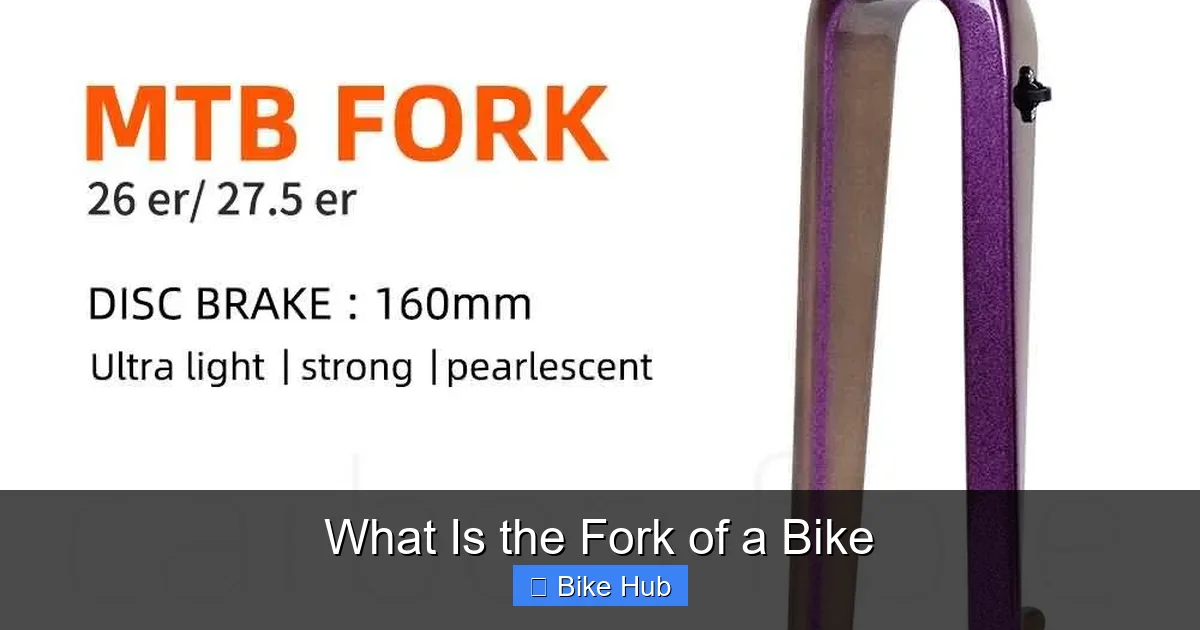
The bike fork is the part of the bicycle that connects the front wheel to the frame. It consists of two blades (or legs) that curve down from the steerer tube and attach to the front axle. At the top, the steerer tube inserts into the bike’s head tube and is secured by the stem, which holds the handlebars.
Main Components of a Bike Fork
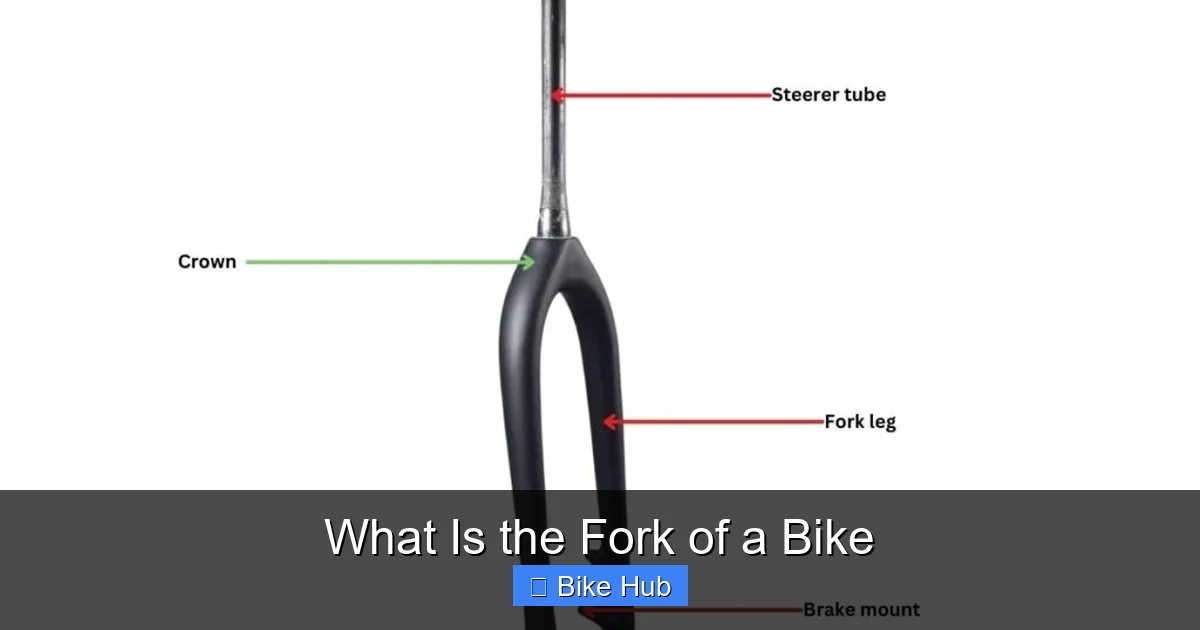
- Steerer Tube: The vertical tube that connects the fork to the handlebars and allows steering.
- Fork Blades (Legs): Two curved arms that extend downward and hold the front wheel.
- Dropouts: Slots at the bottom of the blades where the wheel axle is secured.
- Crown: The part where the two blades meet at the top, connecting to the steerer tube.
- Braze-ons (Optional): Mounting points for accessories like fenders, racks, or lights.
Primary Functions of the Fork
The fork does more than just hold the wheel. It plays several key roles:
- Steering: Allows you to turn the front wheel and control direction.
- Shock Absorption: Especially in suspension forks, it soaks up bumps and vibrations from rough terrain.
- Stability: Helps maintain balance, especially at high speeds or on uneven surfaces.
- Weight Distribution: Affects how the bike handles by influencing front-end weight and responsiveness.
Types of Bike Forks
Visual guide about What Is the Fork of a Bike
Image source: rinascltabike.com
Not all forks are the same. The type of fork on your bike depends on the bike’s design and intended use. Here are the most common types:
Rigid Forks
Rigid forks have no moving parts and are made from a single piece of material. They’re lightweight, simple, and require little maintenance. Common on road bikes, city bikes, and some hybrid models, rigid forks offer direct feedback and efficient power transfer.
Best for: Smooth roads, commuting, and racing where weight and stiffness are priorities.
Suspension Forks
Suspension forks include springs, air chambers, or elastomers that compress to absorb impacts. They’re standard on mountain bikes and are rated by travel—the distance the fork can compress (e.g., 100mm, 120mm, 150mm).
Types of Suspension Forks:
- Coil Spring: Uses metal springs for a plush ride; heavier but durable.
- Air Spring: Uses compressed air for adjustable stiffness and lighter weight.
- Hybrid: Combines coil and air systems for balance.
Best for: Off-road trails, rough terrain, and long-distance mountain biking.
Carbon Forks
Made from carbon fiber, these forks are lightweight and absorb vibrations well. They’re often used on road and gravel bikes for improved comfort and performance.
Best for: Road cycling, endurance rides, and gravel biking where weight and comfort matter.
Fat Bike Forks
Designed for wide tires (3.8 inches or more), fat bike forks have extra clearance and reinforced blades to handle snow, sand, and soft terrain.
Best for: Winter riding, beach trails, and extreme off-road conditions.
Materials Used in Bike Forks
The material of your fork affects weight, durability, ride quality, and cost. Here’s a quick breakdown:
- Steel: Strong and absorbs vibrations well, but heavier. Common on vintage and touring bikes.
- Aluminum: Lightweight and stiff, but transmits more road buzz. Popular on mid-range bikes.
- Carbon Fiber: Light, strong, and excellent at damping vibrations. Found on high-end road and gravel bikes.
- Titanium: Rare and expensive, but offers a smooth ride and corrosion resistance.
When choosing a fork, consider your riding style, budget, and the terrain you’ll tackle.
How to Maintain Your Bike Fork
Regular maintenance keeps your fork performing well and extends its lifespan. Here’s how to care for it:
Inspect for Damage
Check your fork before every ride:
- Look for cracks, dents, or bends in the blades or steerer tube.
- Ensure the dropouts are not damaged and the wheel fits securely.
- On suspension forks, check for oil leaks or worn seals.
Lubricate Moving Parts
For suspension forks:
- Clean the stanchions (upper tubes) with a soft cloth and mild cleaner.
- Apply a small amount of suspension-specific lubricant to prevent dirt buildup.
- Follow the manufacturer’s service schedule—typically every 50–100 hours of riding.
Tighten Connections
- Ensure the stem bolts are properly tightened to secure the steerer tube.
- Check that the front axle is secure and the wheel spins freely.
Store Properly
If you’re not riding for a while, store your bike in a dry place. For long-term storage, consider releasing suspension pressure slightly to reduce stress on seals.
Troubleshooting Common Fork Issues
Even with good care, problems can arise. Here’s how to spot and fix common issues:
Fork Feels Stiff or Unresponsive
- Cause: Lack of lubrication, dirty stanchions, or incorrect air pressure (on air forks).
- Fix: Clean and lubricate moving parts. Adjust air pressure according to your weight and riding style.
Excessive Bounce or Bottoming Out
- Cause: Too little air pressure or worn-out suspension components.
- Fix: Increase air pressure or have the fork serviced by a professional.
Play or Wobble in the Front Wheel
- Cause: Loose headset, worn bearings, or damaged fork crown.
- Fix: Tighten the headset or replace worn parts. If the fork is cracked, replace it immediately.
Creaking or Squeaking Sounds
- Cause: Dirt in the suspension, loose bolts, or dry pivot points.
- Fix: Clean and lubricate. Tighten all connections. If the noise persists, consult a mechanic.
Upgrading Your Bike Fork
Want better performance? Upgrading your fork can make a big difference. Here’s what to consider:
- Match Your Riding Style: A mountain biker might upgrade to a 120mm air fork for better trail control, while a road cyclist might switch to a carbon fork for comfort.
- Check Compatibility: Ensure the new fork fits your bike’s head tube, wheel size, and brake type (disc or rim).
- Consult a Professional: Fork installation can be complex. If you’re unsure, have a bike shop handle the swap.
For example, if you’re preparing your mountain bike for long rides, upgrading to a lighter suspension fork can reduce fatigue and improve handling. Learn more in our guide on how to prepare a mountain bike for long rides.
Conclusion
Now that you know what is the fork of a bike, you can appreciate its importance in every aspect of your ride. From steering to shock absorption, the fork is a key player in your bike’s performance and safety. Whether you’re riding a rigid road bike or a full-suspension mountain bike, understanding your fork helps you maintain it properly, troubleshoot issues, and make smart upgrades.
Regular inspection, cleaning, and lubrication go a long way in keeping your fork in top shape. And if you’re ever in doubt, don’t hesitate to visit a local bike shop for expert advice.
Remember, a well-maintained fork means a smoother, safer, and more enjoyable ride—no matter where the road or trail takes you.



