
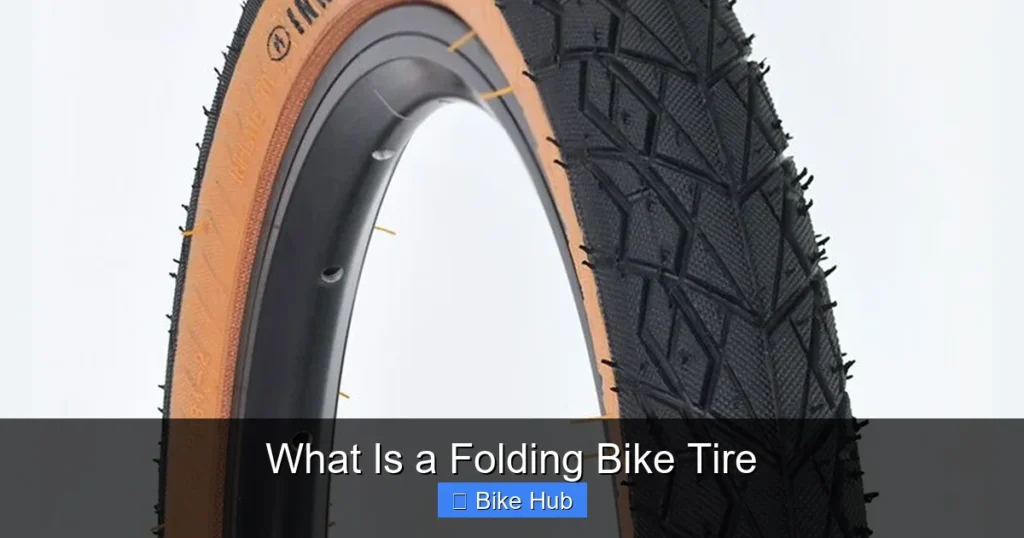
A folding bike tire is a lightweight, compact tire with a flexible bead that allows it to fold for easy storage and transport. These tires are ideal for commuters, travelers, and anyone who values portability without sacrificing performance. Unlike standard tires, folding versions use advanced materials like Kevlar for durability and reduced weight.
Key Takeaways
- Folding bike tires have a flexible bead made of Kevlar or similar materials, allowing them to fold flat for compact storage.
- They are lighter than traditional wire-bead tires, making them a favorite among performance-focused cyclists and travelers.
- Folding tires offer the same performance as standard tires in terms of grip, durability, and ride quality.
- They are commonly used on road bikes, mountain bikes, and especially folding bicycles where space and weight matter most.
- Proper inflation and storage extend the life of folding tires—use a reliable pump and avoid sharp edges when packing.
- Always check tire pressure before rides using a quality gauge to ensure safety and optimal performance.
- Folding tires can be more expensive upfront but offer long-term value through reduced weight and improved portability.
What Is a Folding Bike Tire?
If you’re into cycling—especially commuting, touring, or riding a folding bike—you’ve probably heard the term “folding bike tire.” But what exactly is it, and why do so many riders prefer it over traditional tires? Simply put, a folding bike tire is a type of bicycle tire designed with a flexible bead that allows the entire tire to be folded or rolled up for compact storage. Unlike standard tires that use a rigid steel wire bead, folding tires use high-strength synthetic fibers like Kevlar (aramid) or other composites, making them both lighter and more portable.
These tires are not just for folding bikes—they’re popular across many cycling disciplines, including road biking, mountain biking, and gravel riding. Whether you’re packing your bike into a suitcase for a trip or storing it in a small apartment, folding tires make transportation and storage much easier. In this guide, we’ll walk you through everything you need to know about folding bike tires: how they work, why they’re beneficial, how to choose the right one, and how to maintain them for long-lasting performance.
How Folding Bike Tires Work
Visual guide about What Is a Folding Bike Tire
Image source: images.nexusapp.co
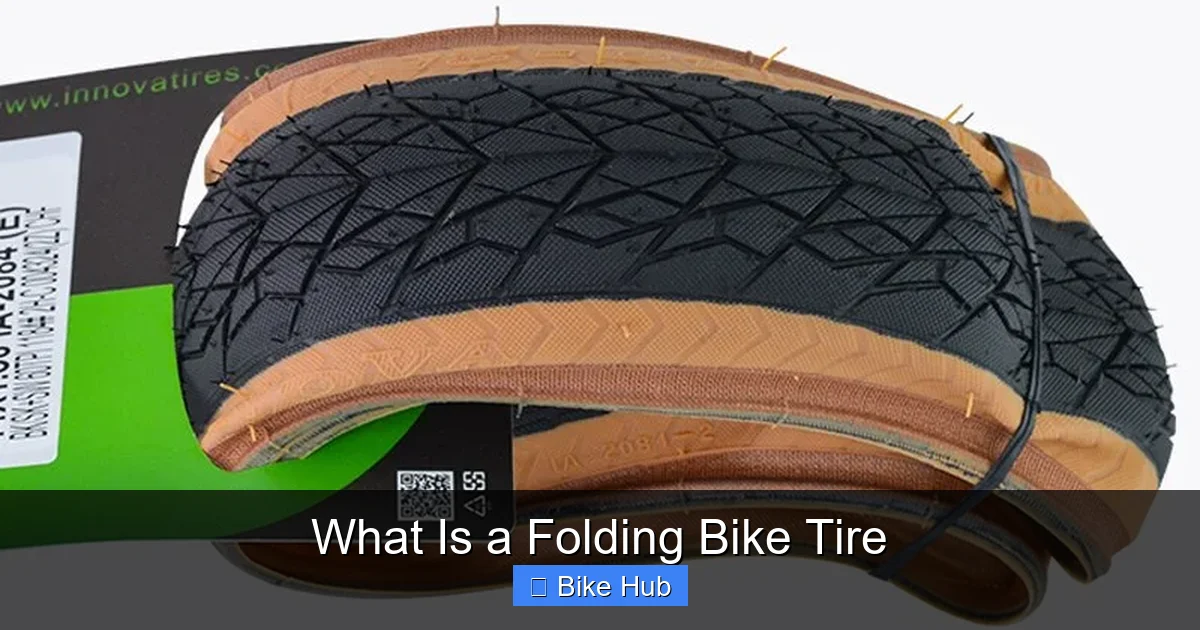
At first glance, folding bike tires look nearly identical to regular tires. They have the same tread patterns, sidewall markings, and overall shape. The key difference lies in the bead—the part of the tire that locks into the rim. In traditional tires, the bead is made of a steel wire, which is strong but stiff and heavy. Folding tires, on the other hand, use a woven Kevlar or aramid fiber cord that’s incredibly strong yet flexible.
The Bead: The Secret Behind the Fold
The bead is what gives a tire its structure and ensures it stays seated on the rim. In folding tires, the Kevlar bead is lightweight and can bend without breaking. This allows the tire to be folded in half, rolled up, or packed tightly without damaging the structure. You can literally pack a folding tire into a small bag or backpack—something impossible with a wire-bead tire.
Materials and Construction
Folding tires are built with high-quality materials to balance weight, durability, and performance. The casing is often made from fine threads of nylon or cotton, sometimes with additional layers like puncture-resistant belts or silica-infused rubber compounds for better grip. Because they’re designed for performance and portability, many folding tires are used in competitive cycling and long-distance touring.
Benefits of Using Folding Bike Tires
Visual guide about What Is a Folding Bike Tire
Image source: bikertricks.com
So why choose a folding tire over a standard one? There are several compelling reasons, especially if you value convenience, performance, or travel with your bike.
1. Portability and Compact Storage
The biggest advantage is portability. If you ride a folding bike or travel frequently with your bike, folding tires make a huge difference. You can pack your bike into a travel case or carry-on luggage without worrying about bulky tires. This is especially useful for air travel, where space is limited and every pound counts.
2. Reduced Weight
Folding tires are typically 100 to 200 grams lighter per tire than their wire-bead counterparts. While that might not sound like much, over long rides or climbs, that weight savings adds up. Lighter tires mean faster acceleration, easier handling, and less fatigue—perfect for road cyclists and commuters alike.
3. Improved Ride Quality
Many riders report a smoother, more responsive ride with folding tires. The flexible casing allows for better road feedback and improved comfort, especially on rough surfaces. High-end folding tires often feature supple casings that enhance grip and reduce rolling resistance.
4. Easy Replacement on the Go
If you get a flat during a ride, having a spare folding tire in your pack means you can swap it out quickly. Since they’re compact, you can carry a spare without adding bulk to your gear. This is a lifesaver on long tours or remote trails.
How to Choose the Right Folding Bike Tire
Not all folding tires are created equal. Choosing the right one depends on your riding style, bike type, and needs.
1. Match the Tire Size to Your Bike
Always check your current tire size before buying. Look at the sidewall of your existing tire—it will show a measurement like “700x25c” or “26×2.1.” This tells you the diameter and width. You can also refer to our guide on what size bike tire do I need for help decoding these numbers.
2. Consider Your Riding Conditions
– For road biking: Choose a narrow (23–28mm), smooth-tread folding tire for speed and low rolling resistance.
– For mountain biking: Look for wider tires (2.0”+) with aggressive tread and reinforced sidewalls.
– For commuting: Opt for a durable, puncture-resistant model with moderate tread.
3. Check the TPI (Threads Per Inch)
TPI refers to the density of the casing threads. Higher TPI (e.g., 120 or 180) means a more supple, lightweight tire with better ride quality. Lower TPI tires are heavier but more durable. For most riders, a 60–120 TPI folding tire offers a great balance.
4. Look for Puncture Protection
Many folding tires include built-in puncture protection layers, such as Kevlar belts or special rubber compounds. If you ride in areas with debris or thorns, this feature is worth the extra cost.
Installing a Folding Bike Tire
Installing a folding tire is similar to installing a regular tire, but the flexible bead makes it a bit easier—and sometimes trickier—depending on the rim.
Step 1: Remove the Old Tire
Use tire levers to carefully pry the old tire off the rim. Start opposite the valve stem and work your way around. Be gentle to avoid damaging the rim or tube.
Step 2: Inspect the Rim and Tube
Check the rim tape for damage and ensure the inner tube is not pinched or worn. Replace if necessary.
Step 3: Install the New Folding Tire
– Start by inserting one side of the tire bead into the rim.
– Insert the inner tube slightly inflated (just enough to hold shape).
– Work the other side of the tire bead over the rim. The flexible Kevlar bead should slide in easily, but take your time to avoid pinching the tube.
Step 4: Inflate and Check
Inflate the tire gradually, checking that the bead seats evenly around the rim. Use a floor pump with a pressure gauge. For optimal performance, follow the recommended PSI range printed on the tire sidewall. Need help? Check out our how to check bike tire pressure guide.
Maintaining Your Folding Bike Tire
Proper care ensures your folding tires last longer and perform better.
Regular Pressure Checks
Underinflated tires wear faster and are more prone to flats. Check pressure before every ride, especially if you store your bike for long periods.
Avoid Sharp Edges When Storing
When folding or packing your tire, avoid sharp objects or tight bends that could damage the casing. Store in a cool, dry place away from direct sunlight.
Clean the Tread
Wipe down the tire with a damp cloth to remove dirt and debris. This helps maintain grip and prevents premature wear.
Inspect for Damage
Regularly check for cuts, bulges, or embedded objects. If you notice sidewall damage, it’s time to replace the tire. For tips, see our article on how to fix bike tire sidewall damage.
Troubleshooting Common Issues
Even the best folding tires can run into problems. Here’s how to handle common issues:
Tire Won’t Seat Properly
If the bead won’t snap into place, try inflating the tire in short bursts while pressing down on the sidewalls. Sometimes a little soapy water on the bead helps it slide into position.
Frequent Flats
Check for sharp objects in the tread, damaged rim tape, or underinflation. Also, ensure your tire size matches your rim. A mismatch can cause pinch flats.
Tire Feels Sluggish
This could be due to low pressure or a low-TPI casing. Inflate to the recommended PSI and consider upgrading to a higher-TPI folding tire for a livelier ride.
Conclusion
Folding bike tires are a smart upgrade for any cyclist who values portability, performance, and convenience. Whether you’re commuting across the city, touring across continents, or just storing your bike in a small space, these tires offer real advantages. They’re lighter, easier to pack, and often provide a better ride than standard tires. While they may cost a bit more upfront, the long-term benefits in weight savings, durability, and ease of use make them well worth the investment. With proper care and regular maintenance, your folding tires will keep you rolling smoothly for thousands of miles.



