

A bike hub is the central part of your wheel that connects the axle to the spokes and allows the wheel to spin smoothly. Understanding bike hubs helps you maintain performance, choose upgrades, and troubleshoot issues like noise or poor shifting.
Key Takeaways
- What a bike hub is: The core component at the center of your bike wheel that houses bearings and connects the axle to the rim via spokes.
- How it works: The hub allows the wheel to rotate freely while supporting your weight and transferring power from pedals (rear hub).
- Types of hubs: Front hubs are simpler; rear hubs include freehub or freewheel systems for gear engagement.
- Maintenance matters: Regular cleaning and lubrication prevent wear, noise, and poor performance.
- Upgrading benefits: Better hubs improve rolling efficiency, durability, and responsiveness—especially on long rides or rough terrain.
- Common issues: Wobbling, grinding noises, or slipping gears often point to hub problems needing attention.
- Know your bike: Matching hub type to your riding style (road, mountain, BMX) ensures optimal performance and compatibility.
What Is a Bike Hub? A Complete Beginner’s Guide
If you’ve ever looked closely at your bike’s wheels, you’ve probably noticed the small cylindrical piece right in the center—the bike hub. It might seem unassuming, but this little component plays a huge role in how smoothly your bike rides. Whether you’re cruising on a road bike, shredding trails on a mountain bike, or just commuting to work, understanding what a bike hub is and how it works can make a big difference in your cycling experience.
In this guide, we’ll break down everything you need to know about bike hubs: what they are, how they function, the different types available, how to maintain them, and when it might be time to upgrade. By the end, you’ll be able to spot a hub issue before it becomes a problem and make smarter decisions about your bike’s performance.
Understanding the Basics: What Exactly Is a Bike Hub?
Visual guide about What Is a Bike Hub
Image source: c8.alamy.com
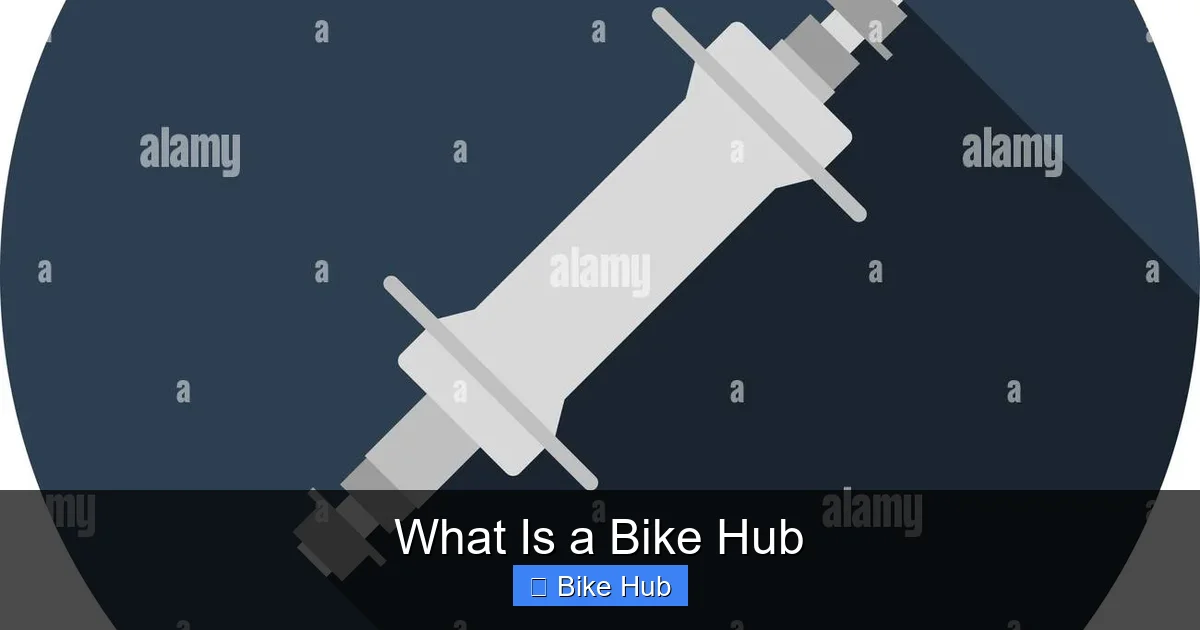
At its core, a bike hub is the central mechanism of your wheel. It’s the part that connects the axle (which attaches to your bike frame or fork) to the spokes (which connect to the rim and tire). The hub allows the wheel to spin freely while supporting your weight and, in the case of the rear wheel, transferring power from your pedals to the ground.
Think of the hub like the engine of your wheel. Without it, your bike wouldn’t move. It houses bearings—tiny metal balls or cartridges—that reduce friction so the wheel spins smoothly. Most modern hubs use sealed cartridge bearings, which are low-maintenance and durable, though some older or high-performance models still use loose ball bearings.
There are two main hubs on every bike: the front hub and the rear hub. While they look similar, they serve different purposes and have key differences in design.
Front Hub: Simple and Reliable
The front hub is the simpler of the two. Its main job is to let the front wheel spin freely. It doesn’t handle any drive force (since you don’t pedal with your front wheel), so it usually has fewer moving parts. Most front hubs are straightforward: an axle, bearings, and a shell that the spokes attach to.
Because it’s not under as much stress as the rear hub, front hubs are generally low-maintenance and long-lasting. However, they still need occasional cleaning and lubrication to keep them running smoothly.
Rear Hub: Power and Precision
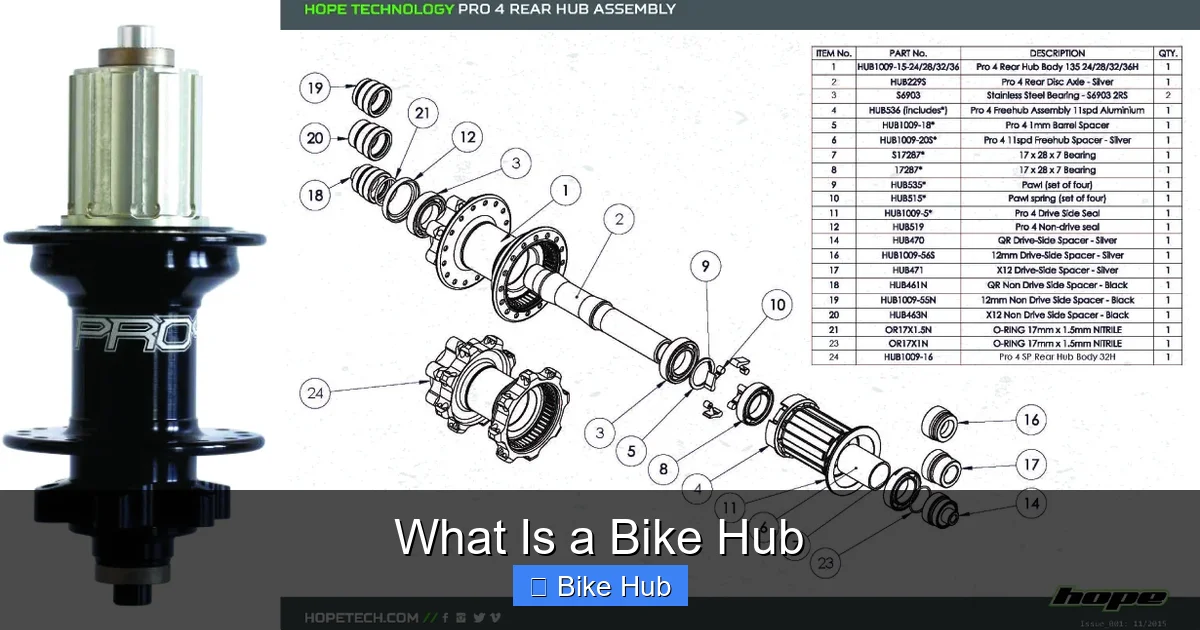
The rear hub is where the action happens. It not only allows the wheel to spin but also engages with your drivetrain—your chain, cassette, and pedals—to move the bike forward. This is where you’ll find more complex mechanisms like freehubs or freewheels.
When you stop pedaling, the rear hub lets the wheel keep spinning while the cassette (the cluster of gears) disengages. This is called “freewheeling,” and it’s what lets you coast without the pedals turning. When you start pedaling again, the hub re-engages and drives the wheel.
Types of Bike Hubs: Freehub vs. Freewheel
Visual guide about What Is a Bike Hub
Image source: blisterreview.com
Not all rear hubs are the same. The two main types are freehub and freewheel systems, and knowing the difference is important for maintenance and upgrades.
Freehub System: Modern Standard
Most modern bikes use a freehub system. In this design, the ratcheting mechanism (the part that allows coasting) is built into the hub itself. The cassette—the stack of gears—slides onto splines on the freehub body and is secured with a lockring.
Freehubs are popular because they’re strong, easy to maintain, and compatible with a wide range of gear setups. They’re found on road bikes, mountain bikes, hybrids, and more. If your bike has a cassette (not a single gear), it likely uses a freehub.
Freewheel System: Older but Still Around
Freewheels are older technology but still used on some budget bikes and single-speed models. In this system, the entire gear cluster and ratcheting mechanism are combined into one unit that screws directly onto the hub.
Freewheels are simpler and cheaper to produce, but they’re generally less durable and harder to service than freehubs. They also limit gear options and aren’t ideal for high-torque riding like mountain biking.
If you’re unsure which your bike has, look at the rear wheel: if the gears can be removed as a unit with a lockring tool, it’s a freehub. If the whole gear cluster screws on, it’s a freewheel.
How to Maintain Your Bike Hubs
Like any part of your bike, hubs need regular care to perform well. Neglecting them can lead to grinding noises, wobbling wheels, or even complete failure.
Step 1: Clean the Hub Externally
Start by wiping down the outside of the hub with a damp cloth to remove dirt and grime. Pay attention to the area around the axle and the freehub body. Dirt buildup can work its way into the bearings and cause damage.
Step 2: Check for Play or Noise
Lift your bike and spin the wheel. Listen for grinding or clicking sounds. Then, grip the axle and try to wiggle it side to side. If you feel movement, the bearings may be loose or worn.
Step 3: Service the Bearings
For sealed cartridge hubs, you’ll need to remove the axle and extract the bearing cartridges. Clean them with degreaser, inspect for damage, and repack with fresh grease. If the bearings are pitted or rough, replace them.
For loose ball hubs, remove the cones and cups, clean all parts, and repack with grease before reassembling. This requires more precision but offers better adjustability.
Step 4: Lubricate the Freehub Body
If your rear hub uses a freehub, apply a small amount of light oil or specific freehub lube to the pawls (the tiny metal clips that engage the ratchet). Avoid heavy grease, which can gum up the mechanism.
Step 5: Reassemble and Test
Once everything is clean and lubricated, reassemble the hub, making sure the axle is properly tightened. Spin the wheel to ensure smooth rotation with no play or noise.
Regular maintenance every 6–12 months (or after riding in wet or muddy conditions) will keep your hubs in top shape. For detailed guidance on related upkeep, check out our guide on how to maintain a road bike.
Troubleshooting Common Hub Problems
Even with good care, hub issues can arise. Here’s how to spot and fix the most common ones.
Wobbling Wheel
If your wheel wobbles side to side, the hub bearings may be loose or damaged. Check for play in the axle and adjust or replace bearings as needed.
Grinding or Rough Spinning
This usually means dirt has gotten into the bearings or they’re dry. Clean and repack the bearings, or replace them if they’re worn.
Clicking or Skipping When Pedaling
In the rear hub, this could mean the freehub pawls aren’t engaging properly. Clean and lubricate the freehub body. If it still skips, the pawls or ratchet may be damaged and need replacement.
Hub Feels Stiff
Over-tightened cones or dry bearings can cause stiffness. Loosen the axle slightly or service the bearings with fresh grease.
When to Upgrade Your Bike Hubs
While most hubs last thousands of miles, upgrading can improve performance—especially if you ride frequently or in tough conditions.
High-quality hubs often feature better bearings, lighter materials, and smoother engagement. For example, hubs with more pawls (the engagement points in the freehub) provide quicker power transfer, which is great for technical mountain biking or sprinting on road bikes.
If you’re preparing for long rides, consider upgrading to durable, low-maintenance hubs. Our article on how to prepare a mountain bike for long rides includes tips on wheel and hub readiness.
For BMX riders, specialized hubs like freecoaster models allow backward coasting—a must for certain tricks. Learn more in our review of the best BMX bike with freecoaster hub.
Conclusion: Why Your Bike Hub Matters
The bike hub may be small, but it’s one of the most important parts of your ride. It keeps your wheels spinning, supports your weight, and—on the rear—transfers every pedal stroke into motion. Understanding how it works helps you maintain your bike better, avoid breakdowns, and get the most out of every mile.
Whether you’re fixing a noisy hub, upgrading for performance, or just curious about how your bike works, knowing what a bike hub is puts you ahead of the game. With regular care and the right knowledge, your hubs will keep you rolling smoothly for years to come.



