
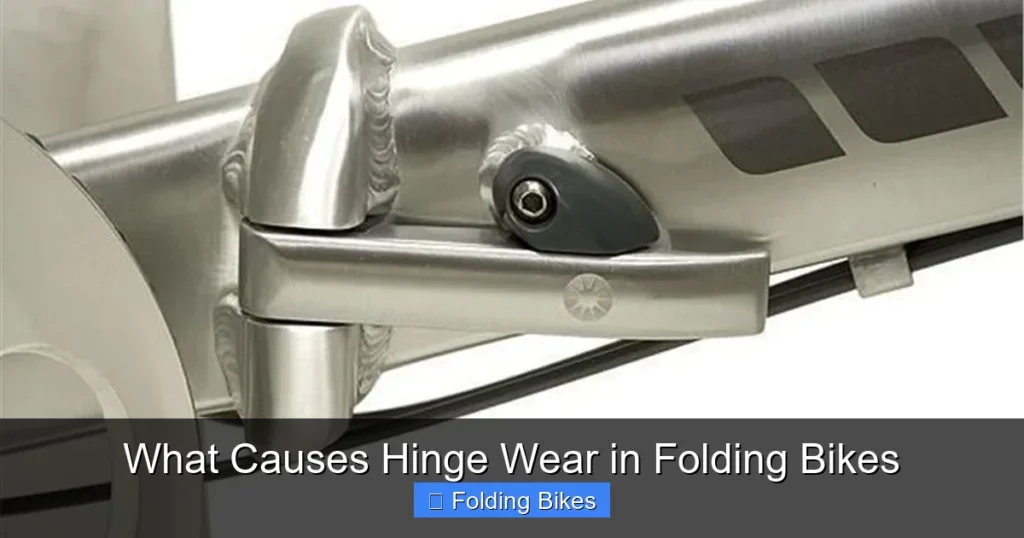
Hinge wear in folding bikes is often caused by dirt, lack of lubrication, and improper folding. Regular cleaning and proper storage can greatly extend hinge life and improve performance.
Key Takeaways
- Hinges endure constant stress: Every fold and unfold adds wear, especially if done roughly or frequently.
- Dirt and moisture accelerate damage: Grime and water seep into hinges, causing rust and friction over time.
- Lack of lubrication increases friction: Dry hinges squeak, stiffen, and wear down faster without proper oil or grease.
- Poor folding technique harms hinges: Forcing the bike to fold or using incorrect steps strains the mechanism.
- Low-quality materials wear faster: Cheaper hinges made from weak metals degrade quicker under regular use.
- Regular maintenance prevents major issues: Simple cleaning and lubrication every few months can save costly repairs.
- Proper storage reduces exposure to elements: Keeping your bike dry and covered helps preserve hinge integrity.
Introduction: Why Hinge Wear Matters in Folding Bikes
Folding bikes are built for convenience, portability, and space-saving design. But their unique hinges—the joints that allow the frame to fold—are also their most vulnerable parts. Over time, these hinges can wear down, leading to wobbling, stiffness, or even failure. Understanding what causes hinge wear in folding bikes helps you maintain your ride and avoid expensive repairs. In this guide, you’ll learn the common causes of hinge wear, how to spot early signs, and practical steps to prevent damage. Whether you commute daily or take weekend trips, keeping your hinges in top shape ensures a smooth, safe ride every time.
What Is a Folding Bike Hinge?
A folding bike hinge is a mechanical joint that allows the frame to bend and lock into place. Most folding bikes have one or more hinges—often located near the middle of the frame, seatpost, or handlebars. These hinges are engineered to handle repeated stress, but they’re not indestructible. They consist of metal pins, bushings, and locking mechanisms that must stay aligned and lubricated to function properly. When hinges wear, the bike may feel unstable, make noise, or become harder to fold. That’s why knowing how to care for them is essential.
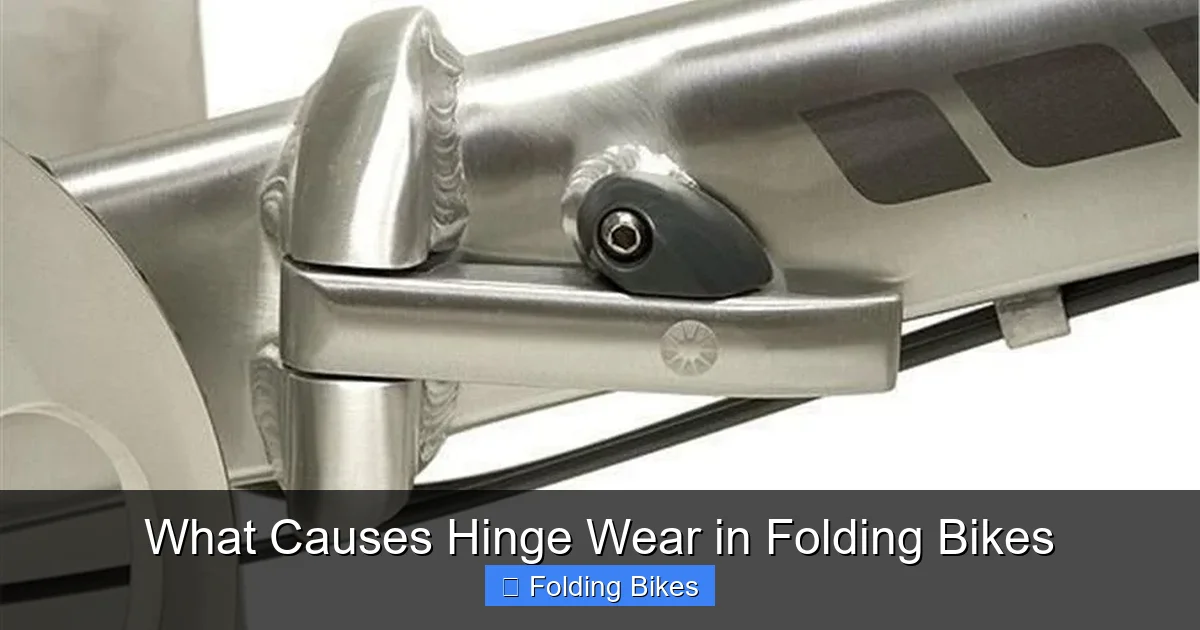
Visual guide about What Causes Hinge Wear in Folding Bikes
Image source: lh6.googleusercontent.com
Common Causes of Hinge Wear
Several factors contribute to hinge wear. Some are environmental, others are due to usage habits. Let’s break down the most common causes so you can avoid them.
1. Frequent Folding and Unfolding
Every time you fold or unfold your bike, the hinge experiences mechanical stress. While this is normal, doing it multiple times a day—especially with force—can speed up wear. For example, commuters who fold their bikes several times daily put more strain on hinges than occasional users. Over time, the repeated motion wears down internal components like pins and bushings.
2. Dirt, Dust, and Debris Buildup
Hinges are exposed to the elements. Dirt, sand, and road grime can get trapped inside the joint. This debris acts like sandpaper, increasing friction and wearing down metal surfaces. If you ride on gravel paths or in dusty areas, your hinges are at higher risk. Even city riders face this issue from brake dust and pollution.
3. Moisture and Rust
Water is a major enemy of metal hinges. Rain, puddles, and humidity can cause rust, especially if the bike isn’t dried after use. Rust not only weakens the metal but also creates rough surfaces that increase friction. Once rust sets in, it’s harder to lubricate the hinge effectively, leading to faster degradation.
4. Lack of Lubrication
Lubrication reduces friction between moving parts. Without it, hinges become stiff, squeaky, and prone to wear. Many riders forget to oil their hinges, assuming they’re maintenance-free. But just like chain lubrication, hinge care is crucial. Using the wrong type of lubricant—like WD-40, which attracts dirt—can make things worse.
5. Improper Folding Technique
How you fold your bike matters. Jerking, forcing, or twisting the frame can misalign hinges or damage locking mechanisms. Always follow the manufacturer’s instructions. For example, some bikes require you to release a lever before folding, while others have specific alignment steps. Skipping these can strain the hinge unnecessarily.
6. Low-Quality Materials
Not all folding bikes are built the same. Budget models may use cheaper metals or thinner hinge designs that wear out faster. If your bike’s hinges feel flimsy or show signs of wear early, it could be due to inferior materials. Investing in a well-built folding bike with stainless steel or reinforced hinges can save long-term trouble.
7. Exposure to Extreme Conditions
Storing your bike in a damp garage, leaving it outside in the rain, or riding in salty coastal air can accelerate corrosion. Even temperature changes cause metal to expand and contract, loosening hinge components over time. Consistent exposure to harsh environments shortens hinge lifespan.
How to Prevent Hinge Wear: Step-by-Step Maintenance Guide
The good news? Most hinge wear is preventable with regular care. Follow this simple maintenance routine to keep your folding bike in great shape.
Step 1: Clean the Hinges Regularly
Use a soft brush or cloth to remove dirt and debris from the hinge area. For stubborn grime, a toothbrush works well. Wipe down the entire hinge, including crevices where dirt hides. Avoid high-pressure water, which can force moisture into the joint. After cleaning, dry the area thoroughly with a towel.
Step 2: Apply the Right Lubricant
Use a light machine oil or bicycle-specific lubricant. Apply a small drop to the hinge pin and moving parts. Avoid heavy greases unless recommended by the manufacturer—they can attract dirt. Wipe off excess oil to prevent buildup. Reapply every 2–3 months or after riding in wet conditions.
Step 3: Check for Tightness and Alignment
Periodically inspect the hinge for looseness. If the bike wobbles when unfolded, the hinge may need tightening. Use the correct tools (usually an Allen key) to adjust bolts. Never overtighten—this can damage threads. Also, ensure the hinge folds smoothly without resistance or misalignment.
Step 4: Store Your Bike Properly
Keep your folding bike in a dry, covered area. If you must store it outside, use a waterproof cover. Avoid leaving it in direct sunlight or damp spaces. For long-term storage, consider applying a light coat of anti-rust spray to the hinges.
Step 5: Fold and Unfold Correctly
Always follow the manufacturer’s folding sequence. Don’t force the bike—if it’s not moving smoothly, check for obstructions or misalignment. Practice gentle, controlled movements. If your bike has a locking mechanism, ensure it’s fully engaged before riding.
Troubleshooting Common Hinge Problems
Even with care, issues can arise. Here’s how to handle the most common hinge problems.
Squeaking or Stiff Hinges
This is usually a sign of dryness or dirt buildup. Clean the hinge and apply lubricant. If the sound persists, check for rust or damage.
Wobbly Frame When Riding
A loose hinge can cause instability. Tighten the hinge bolts carefully. If the problem continues, the internal components may be worn and need replacement.
Difficulty Folding or Unfolding
This could mean debris is blocking the mechanism or the hinge is misaligned. Clean the area and inspect for damage. Avoid forcing it—this can worsen the issue.
Rust or Corrosion
Light rust can be removed with steel wool and treated with rust converter. For severe corrosion, consult a bike mechanic. Prevention is key—keep hinges dry and lubricated.
When to Seek Professional Help
While basic maintenance is easy, some issues require expert attention. If your hinge is cracked, severely rusted, or no longer locks securely, don’t try to fix it yourself. Visit a qualified bike shop. They can assess whether the hinge needs repair or replacement. For high-end folding bikes, always refer to the manufacturer’s service guidelines.
Choosing a Folding Bike with Durable Hinges
If you’re in the market for a new folding bike, hinge quality should be a top consideration. Look for models with stainless steel hinges, reinforced joints, and positive user reviews about durability. Brands known for reliable folding mechanisms often include detailed maintenance instructions—another sign of quality. For riders who plan to use their bike daily, investing in a sturdy model pays off in the long run. You might also explore options like the best folding mountain bikes for bikepacking, which are built to handle rough terrain and frequent use.
Conclusion: Protect Your Folding Bike’s Lifeline
Hinge wear is a common but manageable issue in folding bikes. By understanding the causes—like dirt, moisture, poor lubrication, and rough handling—you can take proactive steps to prevent damage. Regular cleaning, proper lubrication, and correct folding techniques go a long way in extending hinge life. Remember, a well-maintained hinge ensures a stable, safe, and enjoyable ride. Treat your folding bike with care, and it will serve you reliably for years. For added protection, consider using a best folding bike pump to keep tires properly inflated, reducing overall stress on the frame. And if you ride in wet conditions, check out how to layer clothing for cycling in the rain to stay comfortable and dry. With the right habits, your folding bike will stay foldable, functional, and fun.



