
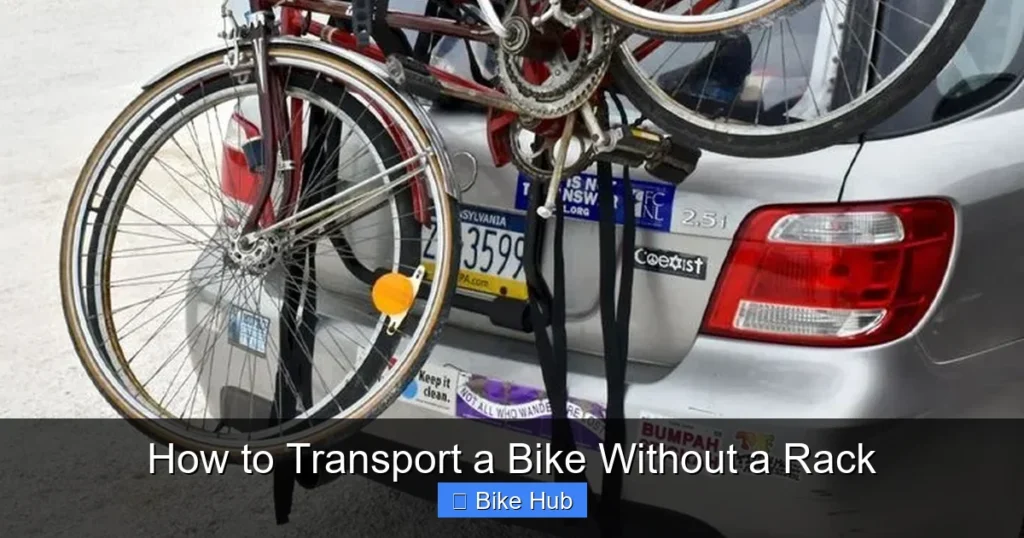
Transporting a bike without a rack is easier than you think. Whether you’re using your car, public transport, or carrying it by hand, there are safe and practical ways to move your bike. This guide covers step-by-step methods, safety tips, and troubleshooting advice.
Key Takeaways
- Use your car’s trunk or back seat: Remove the front wheel and secure the bike inside to prevent damage and ensure safety.
- Try the rear window method: For sedans, place the bike through the open trunk and rear window, securing it with straps.
- Public transport works too: Many buses and trains allow bikes during off-peak hours—check local rules first.
- Carry it manually when needed: Use a bike shoulder strap or lift it carefully to avoid injury.
- Protect your bike: Always use padding, zip ties, or towels to prevent scratches and component damage.
- Know your bike type: Road, mountain, and folding bikes may require different handling techniques.
- Plan ahead: Measure your vehicle space and practice loading before your trip.
How to Transport a Bike Without a Rack
So you need to get your bike from point A to point B—but you don’t have a bike rack. Don’t worry! You’re not stuck. Whether you’re heading to a trailhead, moving across town, or catching a bus to a race, there are several smart, safe ways to transport your bike without a rack. This guide will walk you through the best methods, step by step, so you can move your bike confidently and without damage.
We’ll cover car transport, public transit, manual carrying, and even creative hacks for tight spaces. You’ll also learn how to protect your bike, avoid common mistakes, and troubleshoot issues along the way. Let’s get rolling.
Method 1: Transporting Your Bike Inside Your Car
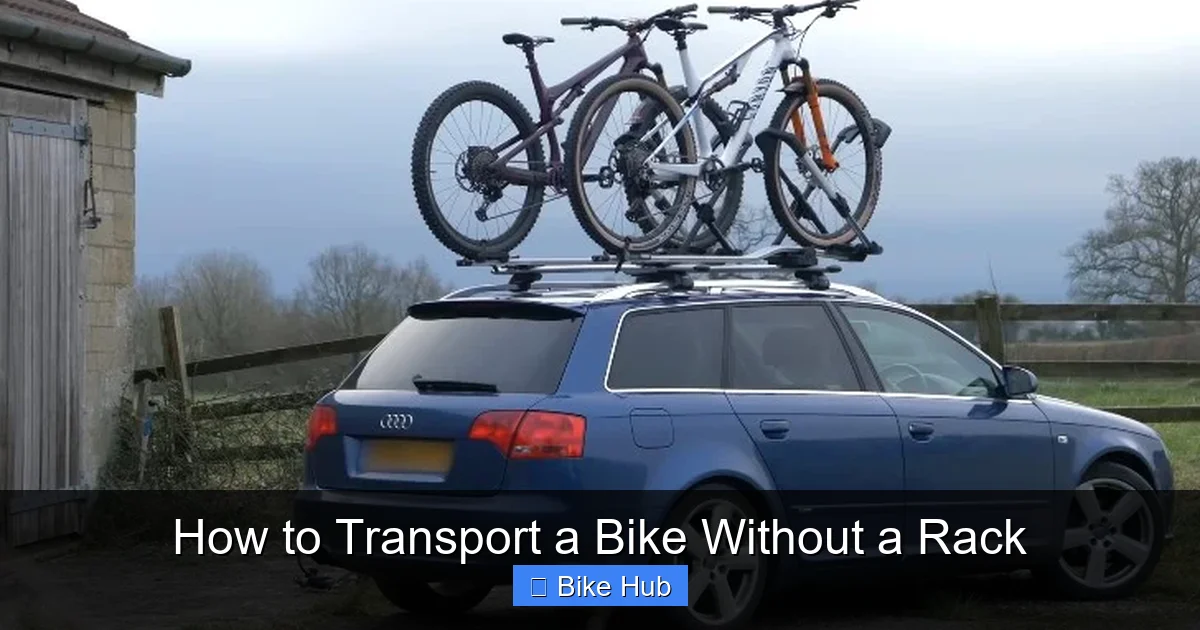
Visual guide about How to Transport a Bike Without a Rack
Image source: electricalwheel.com
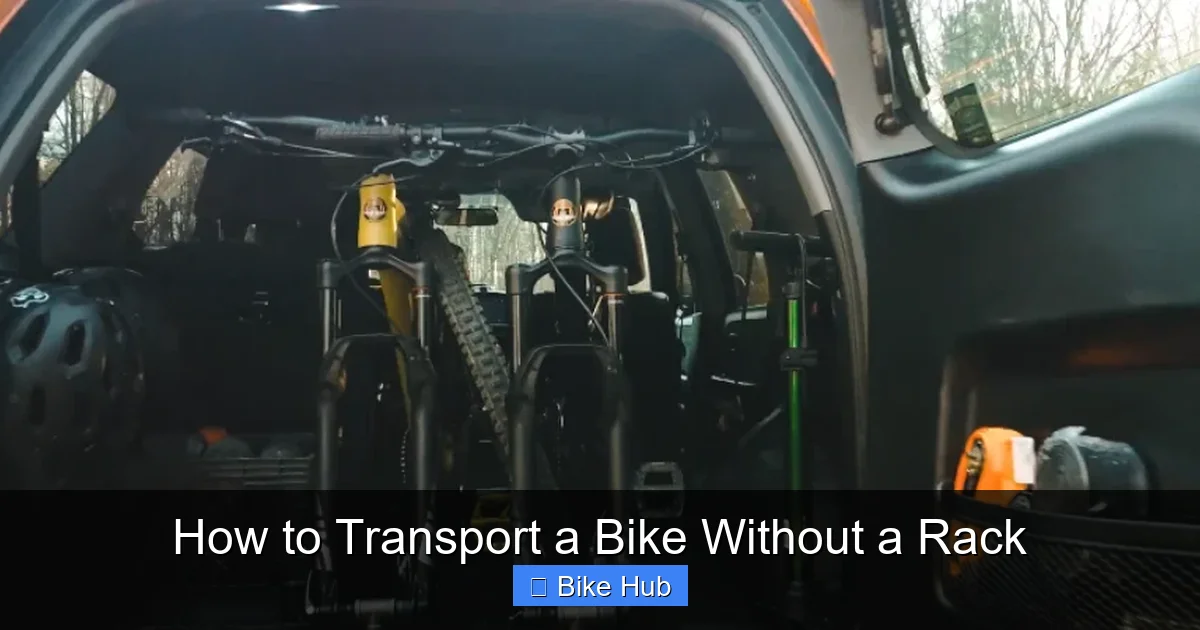
One of the safest and most common ways to move a bike without a rack is to load it inside your vehicle. This method works well for sedans, hatchbacks, SUVs, and minivans.
Step 1: Remove the Front Wheel
Most bikes have a quick-release or thru-axle front wheel that can be removed in seconds. Use a wrench if needed, but many modern bikes allow tool-free removal. Place the wheel in a padded bag or wrap it in a towel to protect the rim and frame.
Step 2: Fold Down the Rear Seats
If you have a sedan or hatchback, fold down the rear seats to create a flat loading area. This gives you more space to slide the bike in diagonally or lengthwise. SUVs and minivans often have larger cargo areas, making this even easier.
Step 3: Load the Bike Carefully
Gently slide the bike into the car, frame first. Position it so the handlebars and pedals don’t scratch the seats or doors. If possible, lay it on its side or prop it upright using pillows or blankets for support.
Step 4: Secure the Bike
Use bungee cords, ratchet straps, or even seatbelts to keep the bike from shifting during transit. Avoid tying directly to delicate parts like derailleurs or brake levers. Instead, secure the frame or wheels.
Pro Tip: Place a moving blanket or old towel under the bike to protect your car’s interior. For extra safety, remove the rear wheel too if space is tight.
Method 2: The Rear Window Trick (For Sedans)
Visual guide about How to Transport a Bike Without a Rack
Image source: electricalwheel.com
This clever method works great for sedans with a trunk that opens into the cabin—like many older models or hatchbacks.
Step 1: Open the Trunk and Rear Window
Pop the trunk and lower the rear window. This creates a tunnel from the outside into the car’s interior.
Step 2: Slide the Bike Through
With the front wheel removed, carefully slide the bike frame through the trunk and out the rear window. Have a friend help guide it from the outside to avoid dropping or scratching.
Step 3: Secure and Cover
Once inside, position the bike so it’s stable. Use straps to anchor it to seat anchors or headrests. Cover the bike with a tarp or blanket to protect both the bike and your car.
Note: This method isn’t for everyone—check your car’s design first. Avoid it in rainy or dusty conditions unless you have good coverage.
Method 3: Using Public Transportation
Many cities allow bikes on buses and trains, especially during non-peak hours. This is a great eco-friendly option for short trips.
Check Local Rules
Before heading out, visit your local transit website or call customer service. Some systems require bikes on front racks (which you don’t have), while others allow them inside during off-peak times.
Prepare Your Bike
Remove water bottles, lights, and loose accessories. Fold down handlebars if possible (on folding bikes). Carry a small lock to secure your bike briefly at stops.
Board with Confidence
On buses, look for bike racks on the front—but since you don’t have a rack, you’ll likely need to bring it inside. Be courteous: fold it if it’s a folding bike, and keep it out of walkways.
Example: In cities like Portland or San Francisco, light rail systems often allow bikes inside with minimal hassle. Just be mindful of space and other passengers.
Method 4: Carrying Your Bike Manually
Sometimes, you just need to carry your bike short distances—like up stairs, across a field, or into a building.
Use a Bike Shoulder Strap
These affordable accessories wrap around the frame and let you carry your bike like a backpack. Great for mountain bikes or heavier models.
Lift with Proper Form
Bend your knees, keep your back straight, and lift with your legs—not your back. Grab the top tube or down tube firmly. For road bikes, consider lifting by the saddle and handlebars.
Use a Bike Dolly or Cart
For longer walks, a small wheeled cart designed for bikes can save your energy. These are especially useful for recumbent or electric bikes.
Safety Tip: Never carry a bike by the wheels or handlebars alone—this can damage components. Always support the frame.
Protecting Your Bike During Transport
No matter the method, protecting your bike is crucial.
Use Padding
Wrap the frame, fork, and derailleur in foam, towels, or bubble wrap. This prevents scratches and absorbs shocks.
Secure Loose Parts
Use zip ties or Velcro straps to keep cables, pedals, and wheels from flapping around. Remove the seat post if it sticks out too far.
Avoid Direct Sunlight
If leaving your bike in a hot car, cover it to prevent UV damage to paint and rubber parts.
Troubleshooting Common Issues
Problem: Bike Won’t Fit in the Car
Solution: Remove both wheels and lay the frame flat. If it’s still too long, try angling it diagonally or use a smaller vehicle. Consider a folding bike for future trips—check out our guide on how to store a recumbent bike for space-saving tips.
Problem: Bike Shifts While Driving
Solution: Use more straps and anchor points. Place heavy items (like a duffel bag) on top to weigh it down. Avoid sudden stops.
Problem: Scratches on Car Interior
Solution: Always use protective covers. Line the area with cardboard or moving blankets before loading.
Problem: Flat Tire After Transport
Solution: This could be from pinching during loading. Learn how to repair a flat bike tire so you’re ready for quick fixes on the go.
When to Consider a Rack Anyway
While these methods work in a pinch, a bike rack is still the best long-term solution. If you transport your bike often, investing in a trunk, hitch, or roof rack can save time and reduce risk. For DIY enthusiasts, we’ve got a great tutorial on how to make a DIY bike rack using affordable materials.
Even if you don’t have a rack now, knowing how to transport your bike safely without one gives you flexibility and peace of mind. Whether you’re carpooling to a group ride or catching a train to a race, you’ll be ready.
Final Tips for Stress-Free Transport
- Plan ahead: Measure your car’s cargo space and practice loading at home.
- Travel light: Remove unnecessary accessories to reduce weight and clutter.
- Stay calm: Rushing leads to mistakes. Take your time loading and securing the bike.
- Check your bike after transport: Inspect tires, brakes, and gears before riding.
- Keep tools handy: Carry a multi-tool, pump, and spare tube just in case.
Conclusion
Transporting a bike without a rack isn’t just possible—it can be simple and safe when you know the right techniques. From loading it inside your car to using public transit or carrying it by hand, you have options. The key is preparation, protection, and practice.
Remember to always secure your bike properly, protect both your bike and your vehicle, and follow local transit rules. With these tips, you’ll be able to get your bike wherever it needs to go—rack or no rack.
And if you’re ready to upgrade your setup, explore our guide on how to install a front bike rack for a more permanent solution.



