
Strapping a dirt bike in a truck bed doesn’t have to be stressful—with the right tools and techniques, you can transport your bike safely. This guide walks you through every step, from prepping your truck to securing the bike with proper tie-downs, ensuring a smooth ride to the trail.
Key Takeaways
- Use a sturdy ramp: A non-slip loading ramp makes it easier and safer to load your dirt bike into the truck bed.
- Chock the front wheel: A wheel chock keeps the front tire stable and prevents forward movement during transit.
- Secure with ratchet straps: Always use high-quality ratchet straps on both sides of the handlebars for balanced tension.
- Protect your bike and truck: Use soft loops or handlebar protectors to avoid damage from metal hooks.
- Check local laws: Some states require additional tie-downs or specific securing methods—know the rules before you drive.
- Double-check before hitting the road: Always inspect straps, knots, and bike position after loading and again after 10–15 minutes of driving.
How to Strap a Dirt Bike in a Truck Bed
Transporting your dirt bike safely is just as important as riding it. Whether you’re heading to the desert, a motocross track, or a weekend trail adventure, knowing how to strap a dirt bike in a truck bed properly prevents accidents, protects your investment, and keeps you compliant with road safety laws. In this guide, we’ll walk you through every step—from preparing your truck to securing your bike with confidence.
You’ll learn what gear you need, how to load the bike without injury, the best way to anchor it down, and how to avoid common mistakes. By the end, you’ll be able to load and transport your dirt bike like a pro—every single time.
What You’ll Need
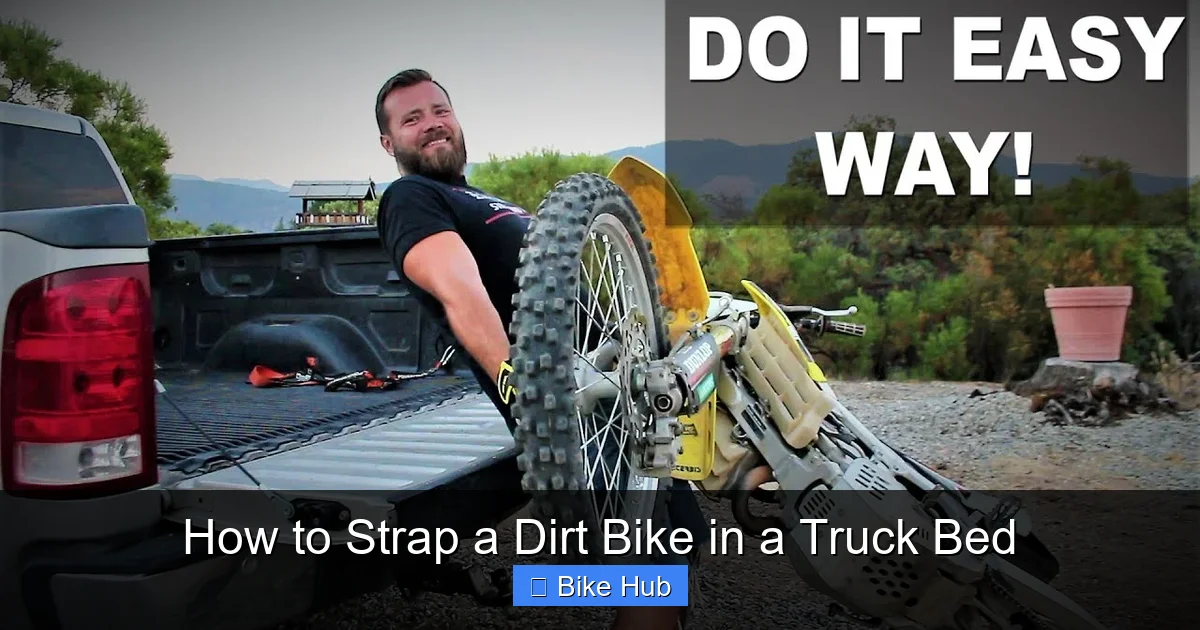
Visual guide about How to Strap a Dirt Bike in a Truck Bed
Image source: i.ytimg.com
Before you even think about lifting your bike, make sure you have the right equipment. Skipping essential gear can lead to slips, damage, or worse—an unsecured bike flying out of the truck bed.
Here’s a checklist of must-have items:
- Loading ramp: Choose a wide, non-slip aluminum or steel ramp rated for your bike’s weight.
- Wheel chock: A front-wheel chock keeps the bike upright and stable during loading and transit.
- Ratchet straps (4 recommended): Use high-quality, 1-inch wide ratchet straps with a minimum 1,500 lb working load limit.
- Soft loops or handlebar protectors: These prevent metal hooks from scratching your handlebars or controls.
- Bungee cords or cargo net (optional): Useful for securing loose items like helmets or tools.
- Gloves and sturdy shoes: Protect your hands and feet during loading.
Pro tip: If you’re new to loading bikes, practice in a flat, open area before hitting the road.
Step 1: Prepare Your Truck Bed
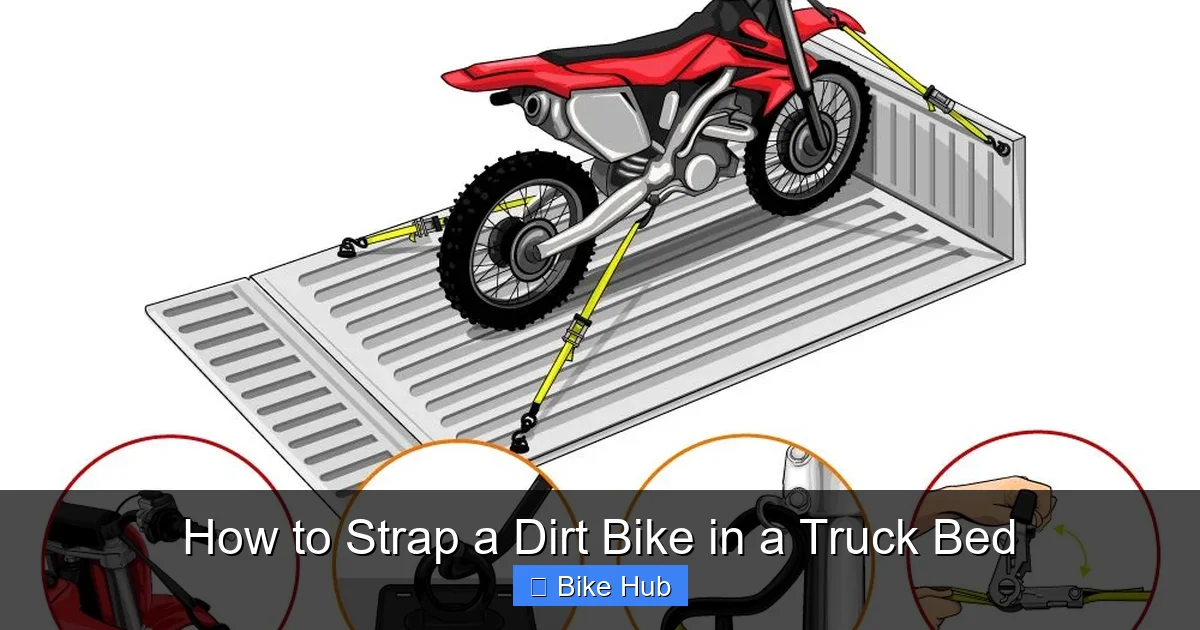
Visual guide about How to Strap a Dirt Bike in a Truck Bed
Image source: blackwidowpro.com
A clean, level truck bed is essential for safe loading. Start by clearing out any debris, tools, or loose items that could shift during transport. If your truck has a bed liner, make sure it’s dry and free of oil or dirt that could cause slipping.
Position the Ramp Securely
Place your loading ramp at a gentle angle—ideally no steeper than 20 degrees. Anchor the ramp to the tailgate using straps or hooks if possible. This prevents the ramp from sliding backward when you push the bike up.
If your truck has a tailgate that drops down, make sure it’s fully lowered and supported. Never load a bike with the tailgate up—it creates a dangerous step-up and increases the risk of tipping.
Install the Wheel Chock
Place the wheel chock at the front of the truck bed, centered and secured if it has mounting points. The chock should hold the front tire snugly, preventing it from rolling forward or side-to-side. This is one of the most important steps—without a chock, your bike can shift or fall over during transit.
Step 2: Load the Dirt Bike
Now it’s time to get the bike into the truck. Safety is key here—dirt bikes are heavy, and improper lifting can cause back injuries.
Use Proper Lifting Technique
Stand on the side of the bike, grip the handlebars and rear fender, and keep your back straight. Bend your knees, not your waist. If your bike weighs over 200 lbs, consider using a buddy or a portable motorcycle lift.
Push the Bike Up the Ramp
Walk the bike slowly up the ramp, keeping the front wheel aligned with the chock. Use the clutch and throttle gently if needed, but most riders prefer to walk it up manually for better control. Once the front wheel is seated in the chock, place the kickstand (if equipped) or lean the bike slightly against the cab for stability.
Never ride the bike up the ramp unless you’re experienced and the ramp is extremely secure. Most accidents happen when riders lose balance mid-load.
Step 3: Secure the Bike with Straps
This is the most critical part of the process. A poorly secured bike can shift, tip, or even fall out of the truck—endangering you and others on the road.
Attach Soft Loops to the Handlebars
Wrap soft loops around the base of the handlebars, avoiding controls like the front brake or throttle. These loops protect your bike from scratches and provide a secure anchor point for straps.
Connect Ratchet Straps
Use two ratchet straps—one on each side—to anchor the bike. Hook the straps to the soft loops, then attach the other end to secure anchor points in the truck bed. Most trucks have built-in tie-down hooks near the corners.
Pull the straps tight, but don’t over-tighten. You want the bike to be stable, not compressed. Over-tightening can damage suspension components or bend handlebars.
Secure the Rear of the Bike
Use two additional straps to anchor the rear of the bike. Attach them to the rear frame or subframe, not the plastic bodywork. Cross the straps in an “X” pattern toward the opposite side of the truck bed. This prevents side-to-side movement.
Some riders also use a strap around the rear tire or swingarm for extra stability, but this is optional if the front and side straps are tight.
Step 4: Double-Check Everything
Before you close the tailgate and hit the road, do a final inspection.
- Are all four straps tight and properly anchored?
- Is the front wheel fully seated in the chock?
- Are the straps free from twists or damage?
- Is the bike upright and not leaning excessively?
- Are loose items (helmet, tools) secured separately?
Take a few steps back and visually confirm the bike isn’t shifting. Gently rock the bike side to side—there should be minimal movement.
Troubleshooting Common Issues
Even experienced riders run into problems. Here’s how to handle the most common ones.
Bike Won’t Stay Upright
If your bike keeps tipping, your chock may be too small or not positioned correctly. Make sure the front tire is fully seated and the chock is bolted or weighted down. Alternatively, use a rear stand or support block under the engine.
Straps Keep Loosening
Ratchet straps can loosen over bumpy roads. To prevent this, use straps with built-in locks or add a piece of Velcro or zip ties to keep the ratchet handle closed. Check tension after 10–15 minutes of driving.
Truck Bed Is Too Short
If your bike sticks out past the tailgate, you may need a longer truck or a bike carrier extension. Never transport a bike that extends more than 4 feet beyond the vehicle unless properly flagged and marked.
Scratches on Handlebars
This happens when metal hooks rub against the bars. Always use soft loops or wrap the contact points with cloth or foam tape.
Final Tips for Safe Transport
– Drive carefully: Avoid sudden stops, sharp turns, and high speeds. A secured bike still exerts force during braking.
– Check straps periodically: Stop every hour or so to ensure everything is still tight.
– Cover the bike (optional): Use a lightweight bike cover to protect from road debris and weather.
– Know your route: Avoid low bridges, narrow roads, or weight-restricted areas if your load is extended.
And remember: if you’re planning a long ride after transport, take a moment to inspect your bike before hitting the trails. Check tire pressure, chain tension, and brake function—especially if the bike was jostled during transit.
For more on pre-ride preparation, check out our guide on how to prepare a mountain bike for long rides, which includes tips on gear checks and safety inspections.
Conclusion
Strapping a dirt bike in a truck bed might seem intimidating at first, but with the right tools and techniques, it becomes second nature. By using a ramp, chock, and quality ratchet straps, you can load and secure your bike safely every time. Always double-check your setup, drive cautiously, and inspect your bike before riding.
Taking these precautions not only protects your bike but also ensures you arrive at your destination ready to ride—not repair. Whether you’re a weekend warrior or a competitive rider, mastering this skill saves time, money, and stress.
For additional bike maintenance tips, explore our guide on how to maintain a road bike, which covers cleaning, lubrication, and wear inspection. And if you’re upgrading your setup, learn how to choose a mountain bike that fits your riding style and terrain.
Safe travels—and happy riding!



