
This guide shows you how to derestrict electric bike systems to unlock higher speeds and performance. You’ll learn safe methods, required tools, and important legal warnings before making any changes.
Key Takeaways
- Understand local laws: Derestricting an e-bike may make it illegal to ride on public roads in your area.
- Use the right tools: A smartphone app, magnet, or software tool is often needed depending on your motor type.
- Know your motor brand: Bosch, Shimano, Bafang, and Yamaha systems each have different derestriction methods.
- Preserve warranty and safety: Modifying your e-bike can void the warranty and affect braking and handling.
- Test carefully: Always test your derestricted e-bike in a safe, controlled environment before regular use.
- Consider alternatives: Upgrading components or choosing a higher-class e-bike may be safer and legal.
How to Derestrict Electric Bike: A Complete Guide
If you’ve ever felt your electric bike was holding back its true potential, you’re not alone. Many e-bikes come with speed limiters—often set to 20 mph (32 km/h) in the U.S. or 25 km/h in Europe—to comply with local regulations. But what if you want to go faster? This guide walks you through how to derestrict electric bike systems safely and effectively.
Before we dive in, a word of caution: derestricting your e-bike can make it illegal for road use, void your warranty, and increase safety risks. Always check your local laws and ride responsibly. This guide is for informational purposes only.
What Does It Mean to Derestrict an Electric Bike?
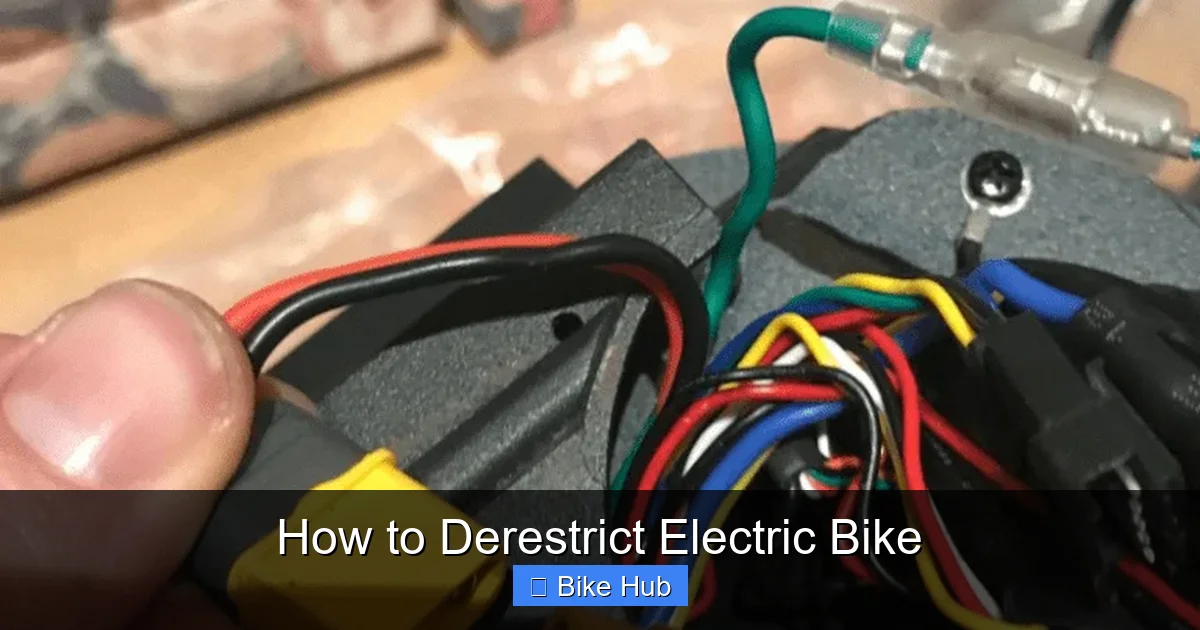
Visual guide about How to Derestrict Electric Bike
Image source: ebikesavvy.com
Derestricting an e-bike means removing or bypassing the speed limiter that cuts off motor assistance once you reach a certain speed—usually 20 or 25 km/h. Once derestricted, the motor continues to assist you beyond that limit, allowing for higher speeds.
Most e-bikes are classified as Class 1, 2, or 3 in the U.S., with Class 3 allowing up to 28 mph (45 km/h). In Europe, e-bikes are typically limited to 25 km/h. Derestricting often pushes your bike into a higher class or even into moped territory, which may require registration, insurance, and a license.
Why People Derestrict Their E-Bikes
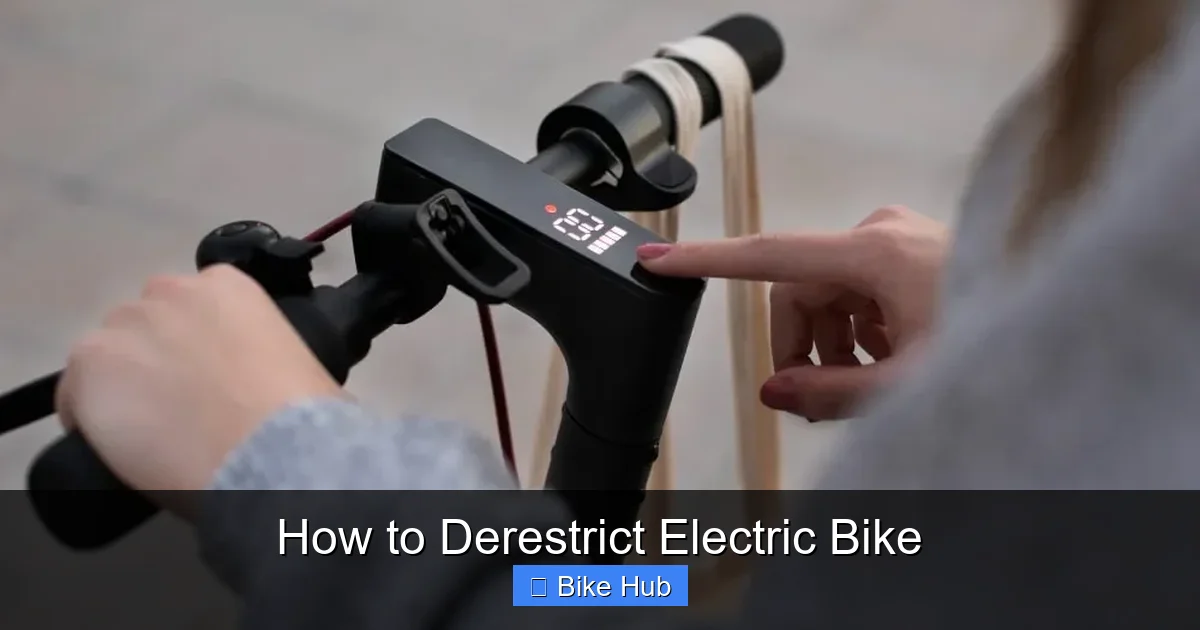
Visual guide about How to Derestrict Electric Bike
Image source: boltbikers.com
There are several reasons riders choose to derestrict their e-bikes:
- Faster commutes: Cut down travel time on longer routes.
- Hill climbing: Extra power helps on steep inclines.
- Competitive edge: Some riders want more speed for group rides or events.
- Personal preference: Enjoy the thrill of higher speeds on private property.
However, faster speeds mean longer stopping distances, greater wear on components, and increased risk in traffic. Always weigh the benefits against the risks.
Is Derestricting Legal?
This is the most important question. In many countries, derestricting an e-bike makes it illegal to ride on public roads. For example:
- United States: Federal law allows e-bikes up to 20 mph (Class 1 & 2) or 28 mph (Class 3). Going beyond this may classify your bike as a motor vehicle.
- European Union: E-bikes are limited to 25 km/h. Exceeding this can result in fines or confiscation.
- Australia and Canada: Similar restrictions apply, with strict penalties for non-compliance.
Always check your local regulations. Riding a derestricted e-bike on private land is usually fine, but public roads are a different story.
Tools and Preparation
Before you begin, gather the right tools and prepare your bike:
Common Tools Needed
- Smartphone with Bluetooth (for app-based systems)
- Rare earth magnet (for speed sensor tricks)
- USB cable and computer (for firmware updates)
- Basic bike tools (Allen keys, screwdrivers)
- E-bike diagnostic app (e.g., Bafang, Shimano E-Tube, Bosch eBike Connect)
Safety First
- Work in a clean, dry area.
- Disconnect the battery before making any physical changes.
- Wear safety glasses and gloves.
- Ensure your brakes and tires are in good condition—higher speeds demand better stopping power.
Step-by-Step: How to Derestrict Electric Bike
The method depends on your motor system. Below are the most common approaches.
Method 1: Using a Smartphone App (Bafang, Shimano, Bosch)
Many modern e-bikes allow derestriction via official or third-party apps.
For Bafang Motors:
- Download the “Bafang Go” or “BM Torque” app on your smartphone.
- Turn on your e-bike and enable Bluetooth.
- Open the app and connect to your motor.
- Navigate to “Speed Limit” or “Assist Level” settings.
- Adjust the speed limit to 32 km/h, 45 km/h, or higher (if supported).
- Save the settings and test in a safe area.
For Shimano Motors:
- Use the “Shimano E-Tube Project” app or desktop software.
- Connect your bike via a USB adapter.
- Access the “Ride Mode” or “Speed Limit” settings.
- Increase the assist speed threshold.
- Upload the new configuration.
For Bosch Motors:
- Use the “Bosch eBike Connect” app.
- Pair your bike with the app.
- Go to “Motor Settings” and look for “Speed Limit.”
- Note: Bosch systems are more locked down. Some third-party tools like “BESST” may be required, but use them at your own risk.
Method 2: Magnet Trick (Speed Sensor Bypass)
This low-tech method tricks the speed sensor into thinking the wheel is moving slower than it is.
- Locate the wheel speed sensor—usually near the rear hub or front fork.
- Find the sensor magnet on the wheel spoke or rotor.
- Place a strong neodymium magnet near the sensor (but not touching).
- This interferes with the signal, delaying the cutoff point.
- Test ride carefully—this method is unreliable and may cause erratic behavior.
Warning: This method is inconsistent and can damage your motor or controller over time. Use only as a temporary test.
Method 3: Firmware Flashing (Advanced)
Some riders flash custom firmware to unlock higher speeds. This is common with Bafang and Voilamart kits.
- Download custom firmware (e.g., from forums like Endless-Sphere).
- Use a USB programming cable to connect your controller to a computer.
- Flash the new firmware using software like “Bafang Config Tool.”
- Adjust speed, current, and torque settings.
- Reconnect and test.
Caution: Flashing firmware can brick your controller or void warranties. Only attempt if you’re experienced.
Method 4: Wheel Size Hack (Software-Based)
Some e-bikes calculate speed based on wheel rotations. By changing the reported wheel size, you can trick the system.
- Access your e-bike’s settings via app or display.
- Navigate to “Wheel Size” or “Circumference.”
- Increase the value (e.g., from 26” to 29” or higher).
- The system thinks the wheel is larger, so it allows higher speeds before cutting off.
This method works on some displays but not all motor controllers. Results vary.
Troubleshooting Common Issues
Motor Cuts Out Unexpectedly
- Check battery level—low voltage can trigger safety cutoffs.
- Ensure connections are secure.
- Reset the system by turning the bike off and on.
App Won’t Connect
- Make sure Bluetooth is enabled and the bike is powered on.
- Restart the app and phone.
- Update the app and firmware.
Bike Feels Unstable at High Speed
- Check tire pressure—use a tire pressure guide to ensure proper inflation.
- Inspect wheel alignment with our wheel wobble fix guide.
- Upgrade to higher-speed-rated tires if needed.
Error Codes Appear
- Consult your motor manufacturer’s error code list.
- Common codes relate to throttle, sensor, or battery issues.
- Reset the system or contact support.
Legal and Safety Considerations
Even if you successfully derestrict your e-bike, riding it legally and safely is crucial.
- Insurance: Some insurers won’t cover modified e-bikes.
- Registration: In some areas, faster e-bikes require registration like mopeds.
- Helmet use: Always wear a helmet, especially at higher speeds.
- Brake maintenance: High speeds demand strong brakes. Learn how to change brake pads for optimal stopping power.
Alternatives to Derestricting
Instead of modifying your current e-bike, consider these legal and safer options:
- Upgrade to a Class 3 e-bike: These are legally allowed up to 28 mph in the U.S.
- Buy a speed pedelec: Available in Europe, these go up to 45 km/h and are road-legal with proper registration.
- Use a performance mode: Some e-bikes have a “Sport” or “Turbo” mode that increases power without full derestriction.
- Ride on private property: If you must derestrict, do so only where it’s legal and safe.
Final Thoughts
Learning how to derestrict electric bike systems can unlock more speed and performance, but it’s not without risks. Always prioritize safety, legality, and warranty concerns. If you’re unsure, consult a professional e-bike technician.
Remember: a faster bike isn’t always a better bike. Proper maintenance, good tires, and strong brakes matter more than top speed. For long-term enjoyment, keep your e-bike in top shape with regular care—like oiling your chain and checking tire wear.
Ride smart, stay legal, and enjoy the journey.



