
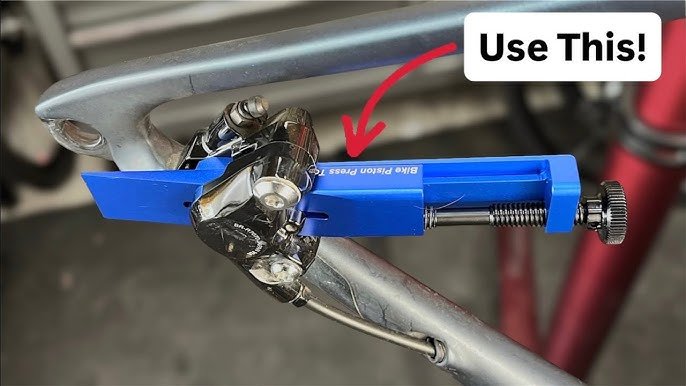
Are you finding that your mountain bike isn’t stopping as smoothly as it should? It might be time to change those brake pads!
Knowing how to change MTB brake pads is a crucial skill that can save you time, money, and ensure your safety on those adventurous trails. Imagine riding downhill with full confidence, knowing your bike will stop exactly when you need it to.
In this guide, you will learn step-by-step how to replace your brake pads easily and effectively. Discover the secrets to maintaining your bike’s braking system without the hassle, and keep your rides safe and enjoyable. Dive in to find out how you can master this essential maintenance task today.

Credit: www.youtube.com
Tools And Materials Needed
To change MTB brake pads, you need some basic tools. A set of allen keysis essential. These help in removing and installing bolts. You’ll also need a flathead screwdriver. This helps in prying out old pads. A clean ragis useful for cleaning the brake area. Make sure to have a new set of brake pads. These are necessary for replacement.
It’s also good to have isopropyl alcoholfor cleaning. This ensures no dirt or oil is left. A brake pad spacercan help keep things aligned. Lastly, consider using glovesto protect your hands. These tools and materials will make the job easier.
Preparing Your Bike
First, make sure your bike is on a flat surface. Use a strong bike stand to keep it upright. The bike should not move when you work. Check the stand is tight and stable. Ensure both wheels are not touching the ground. This keeps the bike safe while you change the brake pads.
Look closely at the brake system. Check the brake levers, calipers, and cables. Make sure the cables are not frayed or broken. Inspect the brake pads for wear. If they are thin, they need changing. A worn pad can damage your bike. Look for dirt and grime on the brakes. Clean them with a soft cloth. This helps keep the brakes working well.
Removing The Old Brake Pads
Loosen the brake caliper bolts to access the old brake pads. Slide the pads out carefully to avoid damaging the rotor. Ensure all components are clean before installing new pads.
Loosening The Brake Caliper
Find the brake caliper on your bike. Use a wrench to loosen the bolts. Make sure the caliper is not too tight. This helps in removing the pads easily. Check if the caliper moves freely. If not, loosen it a bit more. Be gentle to avoid damage. This step prepares the caliper for the next action.
Taking Out The Worn Pads
Locate the worn brake pads inside the caliper. Carefully slide them out. Look for clips or pins holding them. Use pliers if needed to remove clips. Ensure no parts are left inside. Check the pads for wear and tear. Replace if they look thin or damaged. Keep the area clean before installing new pads.

Credit: www.tiktok.com
Installing New Brake Pads
Changing MTB brake pads is simple. Remove the wheel, release the old pads, and install new ones. Ensure they are correctly aligned for smooth braking.
Positioning The New Pads
Hold the new brake pad in place. Ensure it aligns with the rotor. The pad should not touch the tire. Double-check the alignment from above. It should be straight and even. Misalignment can cause uneven braking.
Securing The Brake Caliper
Reattach the brake caliper over the pads. Use the bolts to secure it tightly. Check if the caliper moves freely. It should not wobble or shake. Spin the wheel to ensure smooth rotation. Listen for any unusual sounds. If you hear scraping, adjust the pads again. Tighten everything once satisfied.
Adjusting The Brake System
Adjusting the brake system ensures safety and smooth rides. Begin by carefully removing the old MTB brake pads. Install new pads, aligning them correctly for effective braking.
Aligning The Pads
Loosen the boltson the brake calipers first. Make sure the brake pads are even with the rim. The pads should not touch the tire. Tighten the bolts gently so the pads stay in place. Spin the wheel to see if the pads are aligned. If they rub, adjust again until perfect.
Testing The Brakes
Squeeze the brake levers gently. The bike should stop smoothly. Check if the brake pads touch the rim evenly. Make sure there is no noise. If it squeaks, the pads may be dirty. Clean them with a damp cloth. Test again to ensure everything works well.
Maintenance Tips
Changing MTB brake pads is a simple process. First, remove the wheel for easier access. Next, take out the old pads and insert new ones, ensuring they fit snugly. Finally, adjust the brakes for optimal performance. Regular maintenance ensures safe and smooth rides.
Regular Inspection
Check your MTB brake padsoften. They should be thick and strong. If they look thin, it’s time to change them. Listen for squeaky sounds when braking. This might mean the pads are worn out. Look for cracks or damage too. Keeping an eye on your brakes helps you stay safe.
Cleaning The Brake System
Keep the brake system clean. Use a soft cloth to wipe dirt away. Avoid using water on the brakes. Water can make them slippery. Clean the rotors with a special cleaner. This keeps them shiny and stops squeaks. Never touch the rotor with oily hands. Oil can make brakes slip.

Credit: www.youtube.com
Frequently Asked Questions
Can You Change Bike Brake Pads Yourself?
Yes, you can change bike brake pads yourself. Follow a simple guide, use basic tools, and ensure safety. Check your bike’s manual for specific instructions. Regularly inspect brake pads for wear to maintain optimal performance. It’s a straightforward task for most cyclists.
How Often Should You Change Your Mtb Brake Pads?
Change MTB brake pads every 500-700 miles or when they show significant wear. Inspect them regularly for safety. Riding conditions and terrain can affect pad lifespan. Always prioritize your safety by replacing them sooner if needed.
Do I Need To Bed In New Brake Pads On A Mtb?
Yes, bedding in new brake pads is essential. It ensures optimal performance and extends their lifespan. Gradually apply brakes while riding to transfer an even layer of material onto the rotors. This process enhances braking power and reduces noise, ensuring a smoother and safer ride on your mountain bike.
How Do You Change Your Brakes On A Mountain Bike?
First, remove the wheel and unscrew the brake caliper bolts. Replace the old brake pads. Align the new pads with the rotor. Tighten the caliper bolts. Reinstall the wheel and test brake function. Adjust cable tension if needed. Ensure everything is secure for safe riding.
Conclusion
Changing MTB brake pads is simple and rewarding. Keep safety in mind. Good brakes mean safe rides. Follow the steps carefully. Use the right tools. Check the pads regularly. Replace them if worn. Clean the brake area before installing new pads.
Test your brakes after changing them. Always aim for smooth stopping power. Enjoy the trails with confidence. Well-maintained brakes ensure a great biking experience. Remember, practice makes perfect. Happy riding!



