
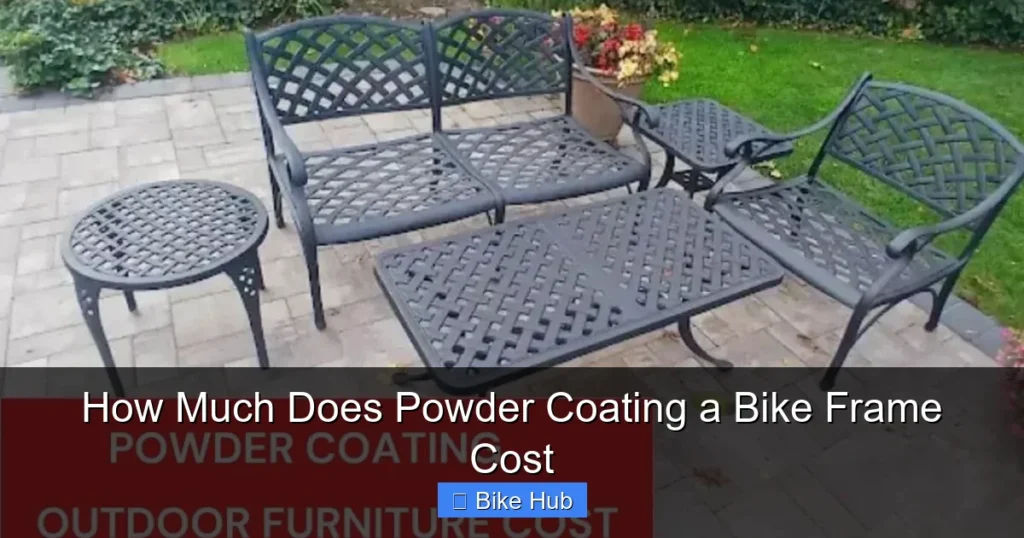
Powder coating a bike frame typically costs between $100 and $400, depending on frame size, complexity, and finish quality. Professional services offer durability and customization, while DIY kits are cheaper but require more effort and skill.
Key Takeaways
- Cost range: Most bike frames cost $100–$300 to powder coat professionally, with premium finishes or complex designs reaching $400+.
- Frame material matters: Steel, aluminum, and titanium can all be powder coated, but preparation steps vary by material.
- DIY vs professional: DIY kits start around $50, but require tools, space, and skill; pros deliver better results with less hassle.
- Preparation is key: Sandblasting, degreasing, and masking are essential for a smooth, long-lasting finish.
- Color and finish options: Gloss, matte, metallic, and custom colors affect price—simple solid colors are cheapest.
- Turnaround time: Most shops take 1–2 weeks; rush jobs may cost extra.
- Longevity: A well-done powder coat can last 10+ years, protecting your frame from rust and wear.
How Much Does Powder Coating a Bike Frame Cost?
If you’re looking to give your bike a fresh, durable new look, powder coating is one of the best options available. Not only does it provide a sleek, professional finish, but it also protects your frame from rust, scratches, and the elements. But before you dive in, you’re probably wondering: how much does powder coating a bike frame actually cost?
In this guide, we’ll break down the average costs, what influences pricing, and whether you should go the DIY route or hire a professional. You’ll also learn how to prepare your frame, what to expect during the process, and how to maintain your newly coated bike. Whether you’re restoring an old mountain bike or customizing a road bike, this guide will help you make an informed decision.
Average Cost of Powder Coating a Bike Frame
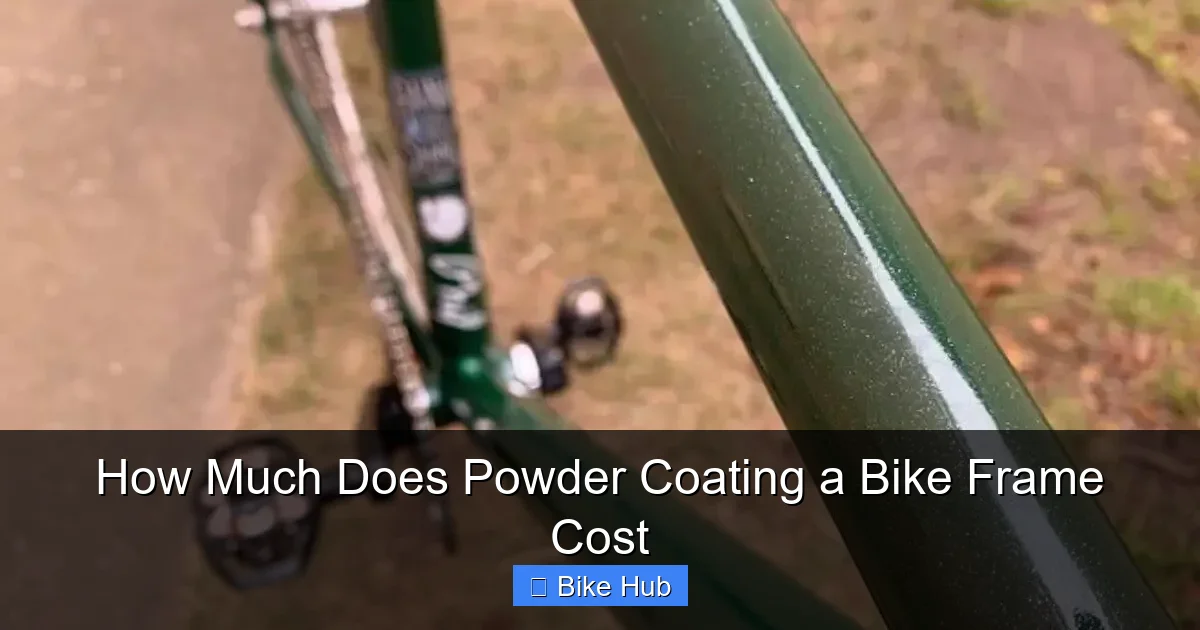
Visual guide about How Much Does Powder Coating a Bike Frame Cost
Image source: universalpowdercoating.com
The cost to powder coat a standard bike frame typically ranges from $100 to $300 when done by a professional. However, prices can go as low as $75 for basic jobs or climb to $400 or more for complex designs, large frames, or premium finishes.
Here’s a quick breakdown:
- Basic powder coating (single color, standard frame): $100–$180
- Mid-range (custom color, two-tone, or detailed masking): $180–$250
- High-end (metallic, glitter, or intricate patterns): $250–$400+
These prices usually include disassembly, sandblasting, coating, and reassembly—though some shops charge extra for additional services.
Factors That Affect Powder Coating Prices
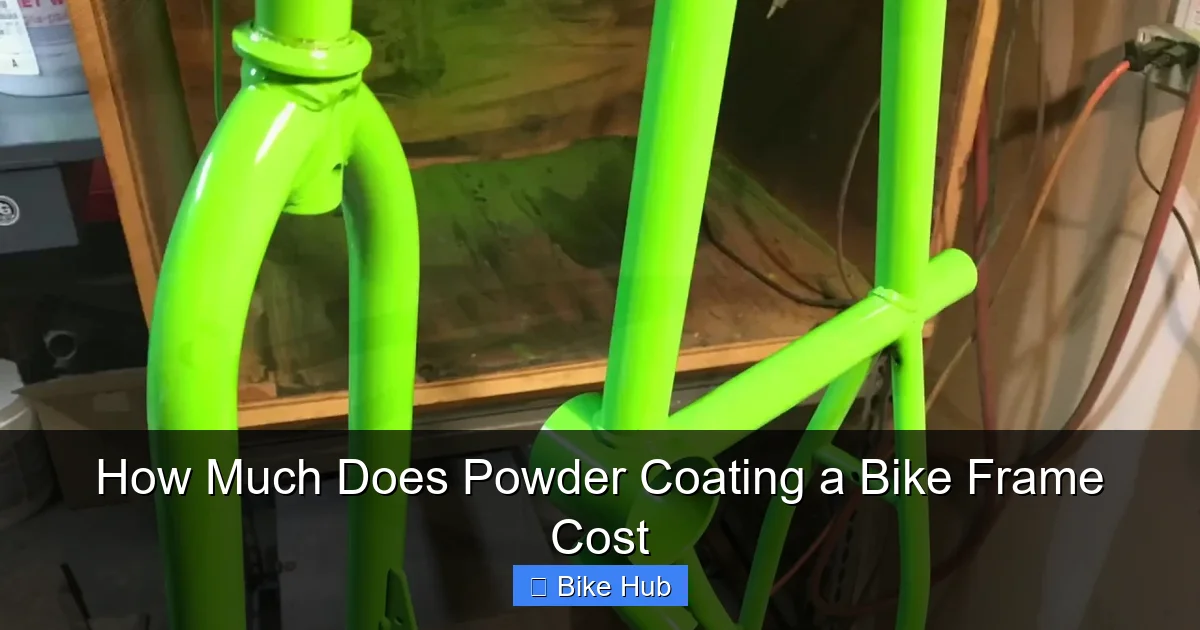
Visual guide about How Much Does Powder Coating a Bike Frame Cost
Image source: i.ytimg.com
Several key factors influence how much you’ll pay to powder coat your bike frame. Understanding these can help you budget and avoid surprises.
1. Frame Size and Type
Larger frames—like those on mountain bikes or cargo bikes—require more powder and labor, so they cost more. A standard road bike frame is usually on the lower end of the price range, while full-suspension mountain bikes or e-bikes may cost 20–30% more.
2. Frame Material
Most bike frames can be powder coated, including steel, aluminum, and titanium. However, aluminum requires special preparation to prevent oxidation, which can add to the cost. Steel is the easiest and cheapest to coat, while titanium is less common and may require specialized handling.
For more on choosing the right frame material, check out our guide on Mountain Bike Frame Material Comparison.
3. Color and Finish Options
Solid colors like black, white, or red are the most affordable. Metallic, pearlescent, or custom-mixed colors cost more due to material and labor. Matte finishes are slightly pricier than gloss, and multi-color designs (like fades or patterns) can double the price.
4. Level of Preparation Needed
If your frame has old paint, rust, or grease, it will need thorough cleaning and sandblasting. Some shops include this in their base price, while others charge extra—typically $25–$75 depending on condition. A heavily corroded frame may require additional rust treatment, which can add to the cost.
For tips on protecting your frame from rust before coating, see our article on How To Protect A Bike Frame From Rust.
5. Geographic Location
Labor and material costs vary by region. Powder coating in urban areas or high-cost-of-living cities (like San Francisco or New York) tends to be more expensive than in rural or Midwest locations. Always get quotes from 2–3 local shops to compare.
6. Turnaround Time
Standard turnaround is usually 1–2 weeks. If you need your bike back quickly, some shops offer rush service for an extra $25–$50.
DIY vs Professional Powder Coating
Should you do it yourself or hire a pro? Let’s compare the options.
DIY Powder Coating
DIY powder coating kits start around $50 and include powder, a small oven (or instructions for using a home oven), and basic tools. However, this route requires:
- A clean, dust-free workspace
- An oven large enough to fit your frame (or a toaster oven for small parts)
- Sandblasting equipment (or access to a service)
- Electrostatic spray gun (or a DIY alternative like a modified spray bottle)
- Patience and practice
While DIY is cheaper upfront, it comes with risks. Uneven coating, bubbles, or poor adhesion can ruin the finish. And if you mess up, you may end up paying a professional to fix it—costing more in the long run.
Professional Powder Coating
Hiring a pro ensures a high-quality, durable finish. Professionals use industrial ovens, precise spray systems, and proper ventilation. They also handle all prep work, including disassembly, sandblasting, and masking.
The peace of mind and long-term durability make professional coating worth the investment for most riders—especially if your bike is valuable or you plan to keep it for years.
Step-by-Step: What Happens During Powder Coating?
Understanding the process can help you appreciate why professional coating costs what it does—and how to prepare your bike.
Step 1: Disassembly
The bike is fully disassembled. This includes removing the drivetrain, brakes, wheels, and any accessories. Only the frame (and sometimes fork) are coated.
Step 2: Cleaning and Sandblasting
The frame is cleaned to remove grease, dirt, and old paint. Then it’s sandblasted to create a rough surface that helps the powder adhere. This step is critical—without it, the coating may peel.
Step 3: Masking
Areas that shouldn’t be coated—like brake mounts, headset threads, or bottle cage bosses—are carefully masked with high-temperature tape.
Step 4: Powder Application
The frame is hung and sprayed with electrostatically charged powder. The powder sticks to the metal and won’t drip or run.
Step 5: Curing
The frame is placed in an industrial oven and baked at around 400°F (204°C) for 10–15 minutes. The heat melts the powder, creating a smooth, hard finish.
Step 6: Cooling and Reassembly
After cooling, the frame is inspected for flaws. Once approved, the bike is reassembled and returned to you.
Troubleshooting Common Issues
Even with professional service, issues can arise. Here’s how to avoid or fix them:
Problem: Bubbles or Orange Peel Texture
This happens when the powder isn’t applied evenly or the oven temperature is off. Make sure your shop uses calibrated equipment and applies thin, even coats.
Problem: Poor Adhesion or Peeling
Usually caused by inadequate sandblasting or oil residue. Always choose a shop that includes thorough cleaning in their process.
Problem: Color Doesn’t Match Sample
Lighting and monitor settings can affect how colors appear. Ask for a physical sample or test patch before full application.
Problem: Masking Fails (Powder Gets Where It Shouldn’t)
High-quality tape and careful application prevent this. If it happens, the shop should fix it at no extra cost.
Tips to Save Money on Powder Coating
Want to keep costs down without sacrificing quality? Try these tips:
- Choose a solid color: Custom or metallic finishes cost more.
- Clean your frame beforehand: Remove grease and loose paint to reduce prep fees.
- Bundle services: Some shops offer discounts if you also get parts like forks or handlebars coated.
- Shop off-season: Winter months often have lower demand and better deals.
- Ask about package deals: Some shops include touch-up kits or free re-coating after 5 years.
How to Maintain Your Powder-Coated Frame
Once your bike is coated, a little care goes a long way:
- Wash regularly with mild soap and water—avoid harsh chemicals.
- Dry thoroughly after rain to prevent water spots.
- Touch up chips with matching powder coat paint (available online).
- Store indoors or under cover to extend the finish’s life.
For long-term care, especially if you ride in wet conditions, check out our guide on How To Maintain A Road Bike.
Final Thoughts
Powder coating your bike frame is a smart investment that enhances both appearance and durability. While costs range from $100 to $400, the long-term benefits—rust protection, scratch resistance, and a custom look—make it worthwhile for most riders.
Whether you choose a professional service or tackle it yourself, proper preparation and realistic expectations are key. Get multiple quotes, ask about included services, and don’t skip the sandblasting step.
With the right approach, your bike will look brand new and ride smoothly for years to come.



