
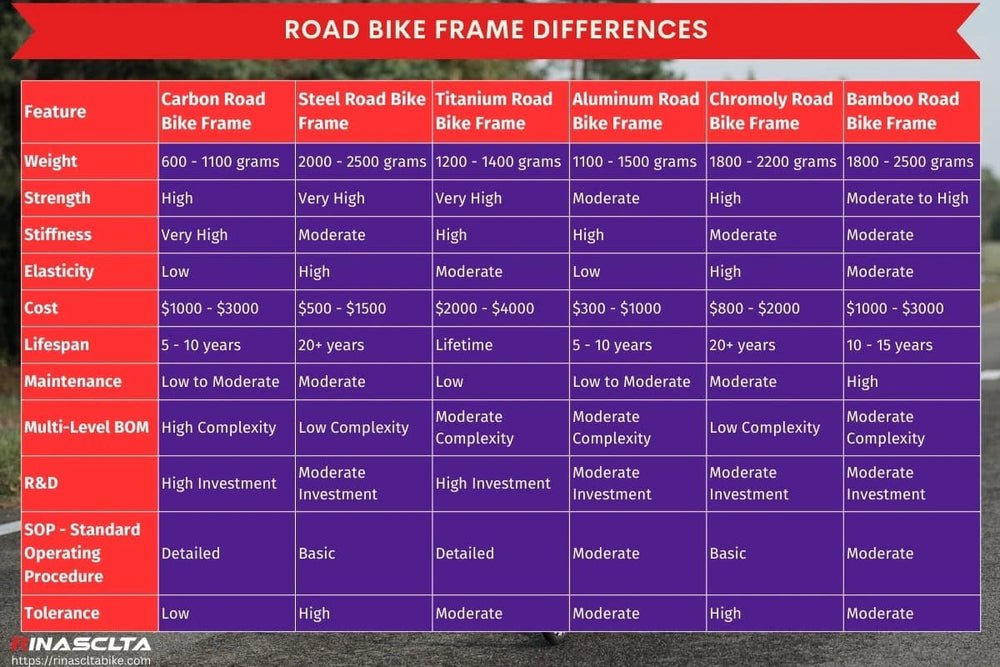
Choosing the right mountain bike frame material can feel like a daunting task, especially when each option promises a unique blend of strength, weight, and cost. You want a bike that’s not only reliable but also fits your style and enhances your riding experience.
Imagine cruising down a rugged trail with a frame that complements your every move, making each ride smoother and more exhilarating. You’ll discover the ins and outs of different frame materials, from aluminum to carbon fiber, and learn which one aligns best with your needs.
Dive in to uncover the secrets that manufacturers don’t always tell you, and equip yourself with the knowledge to make a confident, informed decision. Your perfect ride is just a few paragraphs away.
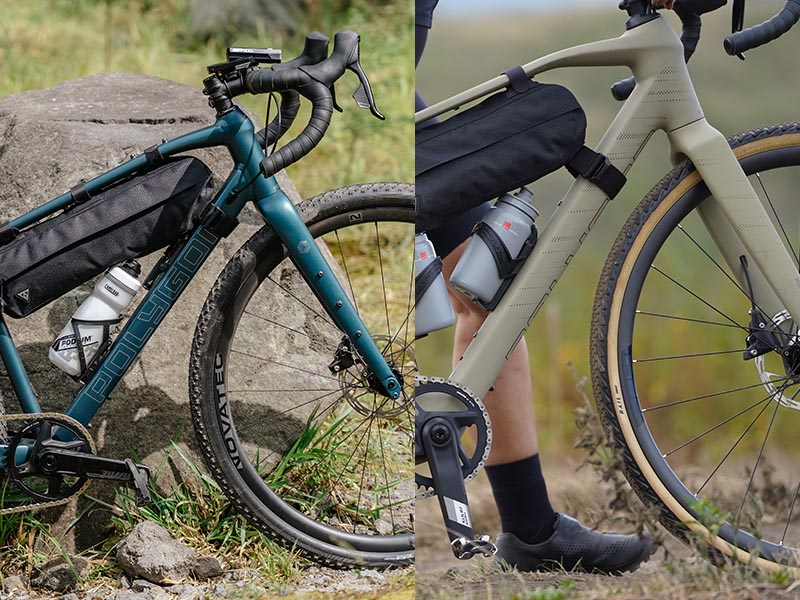
Credit: www.polygonbikes.com
Aluminum Frames
Aluminum frames offer a lightweight and affordable choice for mountain bikes. These frames provide good durability and resistance to rust. Ideal for riders seeking a balance between performance and cost.
Weight And Durability
Aluminum frames are known for their lightweight nature. They make bike handling easier. Despite being light, they offer good durability. These frames resist rust and weather damage. This makes them a popular choice for many riders.
Ride Quality
Aluminum frames provide a stiff ride. This means less energy is lost when pedaling. Some riders find them less comfortable on rough trails. Adding suspension can help improve comfort.
Price Range
Aluminum frames are generally more affordable. They are often cheaper than carbon frames. This makes them a great choice for beginners. Prices can vary based on design and brand.
Carbon Fiber Frames
Carbon fiber frames are known for their strength and lightweight nature. They provide a smooth ride on bumpy trails. These frames are highly flexible, adapting to different terrains. Cyclists enjoy the mix of strength and agility in carbon frames. Mountain biking feels easier with such frames.
Carbon fiber frames have good impact resistance. They can handle minor bumps and jolts well. But, they may not withstand major crashes. Care is needed to avoid cracks or damage. Riders should check frames for any damage after a ride. Ensuring safety is important for all bikers.
Carbon frames are often more expensive than other materials. The cost reflects their high performance and durability. Many riders find the investment worthwhile. Budget-conscious buyers might consider alternatives. Cost varies based on brand and features. Choose based on personal needs and budget.
Steel Frames
Steel frames offer durability and strength for mountain bikes. They absorb shocks well, providing a smoother ride. Though heavier than other materials, they are cost-effective and easy to repair.
Traditional Appeal
Steel frames have a classic look. Many cyclists love their timeless style. They are often associated with vintage bikes. Some riders prefer this for its nostalgic charm. Steel is known for its durability. It can withstand a lot of stress. This makes it a long-lasting choice.
Comfort And Ride Feel
Steel frames provide a smooth ride. They absorb road vibrations well. This makes them comfortable on rough paths. Riders often say steel feels alive. The material is flexible. It bends slightly on bumpy roads. This reduces the impact on the rider.
Maintenance Needs
Steel needs some care to prevent rust. It’s important to keep it dry. Cleaning after rides helps a lot. If scratches appear, they should be treated. Paint or rust inhibitors can be used. Proper care keeps steel frames looking new. Regular checks ensure they stay in good condition.
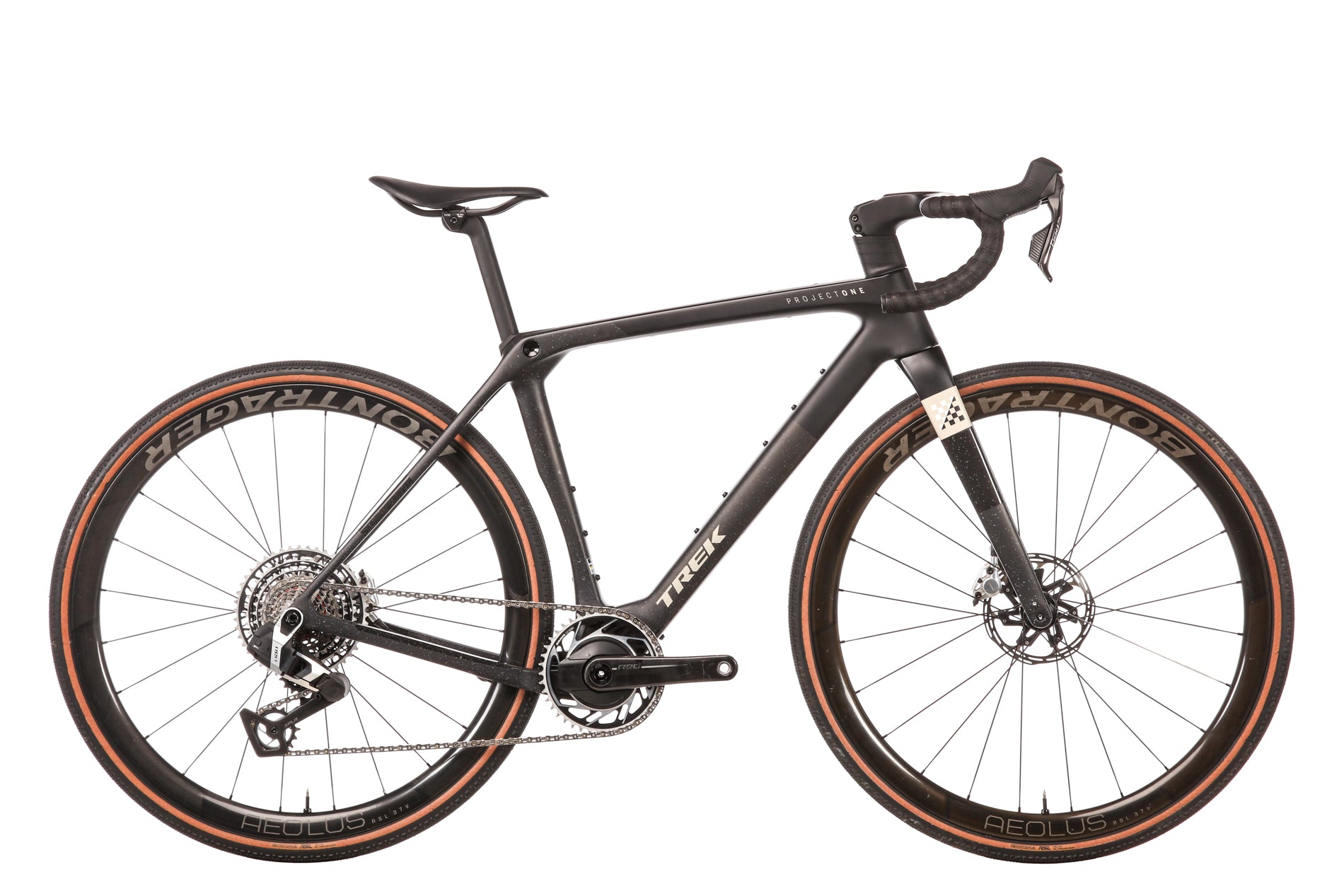
Credit: www.theproscloset.com
Titanium Frames
Titanium frames offer a blend of strength and lightweight feel, ideal for mountain biking. They resist corrosion and provide a smooth ride, making them a top choice for durability and comfort.
Luxury And Performance
Titanium frames offer a unique blendof luxury and performance. They are known for their smooth rideand lightweightnature. Titanium provides excellent flexibilityand strength. Riders feel less fatigueduring long rides. It is a premium choicefor biking enthusiasts.
Longevity And Wear
Titanium frames are extremely durable. They resist rust and corrosion, ensuring a long lifespan. These frames can last for decadeswith proper care. The material is scratch-resistantand requires minimal maintenance. Titanium is ideal for rough terrainsand regular use.
Investment Value
Investing in titanium frames can be costlybut worthwhile. They maintain their valueover time. These frames are a long-term investmentfor serious bikers. Titanium bikes often have a high resale value. They are an investment in qualityand style.
Comparing Frame Materials
Mountain bike frames come in various materials, each offering distinct advantages. Aluminum frames are lightweight and affordable, while carbon fiber provides strength and shock absorption. Steel frames offer durability and a smooth ride, making them ideal for rugged trails. Understanding these differences helps in choosing the right bike for your adventure.
Weight Differences
Mountain bike frames can be made from different materials. Each material has its own weight. Aluminumframes are light. They help you ride fast. Steelframes are heavier. They are strong and last long. Carbon fiberframes are the lightest. They are very strong too.
Price Variations
The price of frames depends on the material. Aluminumframes are usually cheaper. They are good for beginners. Steelframes cost a bit more. They offer great durability. Carbon fiberframes are expensive. They are for serious riders. Each material has its own value.
Performance Benefits
- Aluminumframes are easy to handle.
- Steelframes absorb shocks well.
- Carbon fiberframes provide smooth rides.
Choosing the right material can improve your riding experience.

Credit: www.theproscloset.com
Choosing The Right Frame
Different riding styles need different frames. Cross-country riders like lightweight frames. Downhill riders want stronger frames for safety. Trail riders need versatile frames. Freestyle bikers look for durable and flexible frames. Picking the right frame can improve your biking fun.
Bike frames come in many price ranges. Aluminum frames are more affordable. They are great for beginners. Carbon frames are expensive but very light. Steel frames are strong and long-lasting. They are a mid-range option. Choose a frame that fits your budget and needs.
Think about your biking future. Will you ride more often? Aluminum is good for starting but may not last. Carbon is light and good for racing. Steel is tough and can last for years. Pick a frame that meets your future riding plans.
Frequently Asked Questions
What Is The Best Material For A Mountain Bike Frame?
Aluminum is the most popular mountain bike frame material. It offers a balance of strength, weight, and affordability. Carbon fiber provides excellent strength-to-weight ratio but is pricier. Steel offers durability and a smooth ride but is heavier. Titanium combines strength and lightweight but is expensive.
Choose based on your needs.
What Is The Downside Of A Carbon Bike Frame?
Carbon bike frames can be expensive and fragile. They may crack under high stress or impact. Repairing carbon frames is often challenging and costly. They are less durable than metal frames in extreme conditions. Carbon frames can suffer from hidden damage, affecting long-term reliability.
Which Is Better, Chromoly Or Steel?
Chromoly is stronger and lighter, ideal for performance and cycling. Steel is durable and cost-effective, suitable for everyday use. Choose chromoly for high strength needs; opt for steel for affordability and reliability. Both have unique benefits depending on your requirements and budget.
Should I Buy A Carbon Or Aluminium Bike?
Choose carbon for a lightweight, smooth ride. Opt for aluminum for durability and affordability. Consider your budget and riding style.
Conclusion
Choosing the right mountain bike frame is crucial. Steel offers durability. Aluminum provides lightweight efficiency. Carbon fiber excels in performance and comfort. Titanium combines strength and flexibility. Each material suits different riding styles and budgets. Consider your needs and preferences.
Evaluate terrain, weight, and cost. Test ride if possible. The right frame enhances your biking experience. Enjoy the trails with confidence and excitement. Make an informed choice. Your ideal mountain bike awaits you.



