
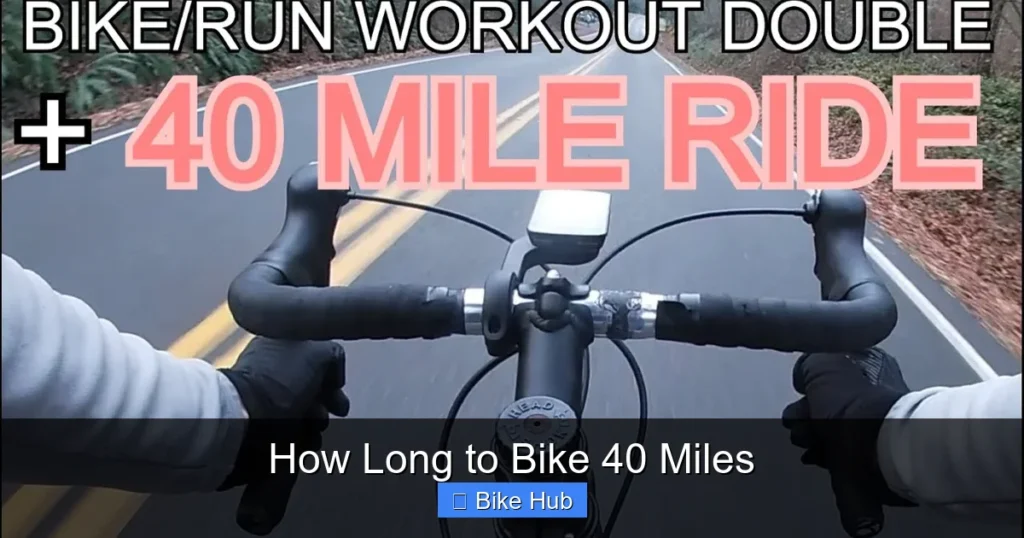
Biking 40 miles can take anywhere from 2.5 to 5+ hours, depending on your fitness level, terrain, and bike type. This guide breaks down everything you need to know to estimate your time, prepare properly, and ride safely.
Key Takeaways
- Average time ranges from 2.5 to 5+ hours: Most riders complete 40 miles in 3–4 hours, but beginners or hilly routes may take longer.
- Fitness level matters most: Experienced cyclists ride faster and recover quicker than beginners.
- Terrain and weather play big roles: Flat roads are faster; hills, wind, and rain slow you down.
- Proper bike prep is essential: Well-maintained tires, brakes, and drivetrain improve speed and safety.
- Nutrition and hydration keep you going: Fuel your body before, during, and after the ride.
- Start slow and build endurance: Train gradually to avoid burnout or injury.
- Use tools to track progress: GPS apps and cycling computers help monitor speed and distance.
How Long Does It Take to Bike 40 Miles?
If you’re planning a 40-mile bike ride, one of the first questions you’ll ask is: How long will this take? The answer isn’t one-size-fits-all. While a seasoned cyclist might finish in under 3 hours, a beginner on a heavy bike with hills could take 5 hours or more. In this guide, we’ll walk you through how to estimate your time, prepare your gear, train effectively, and ride smart—so you can complete your 40-mile journey with confidence and enjoyment.
Step 1: Estimate Your Riding Time
The time it takes to bike 40 miles depends on several factors. Let’s break them down so you can make a realistic estimate.
Visual guide about How Long to Bike 40 Miles
Image source: outdoordriving.com
Average Cycling Speeds
Most recreational cyclists ride at 10–14 mph. At that pace, 40 miles would take about 2.9 to 4 hours. More experienced riders often average 15–20 mph, cutting the time to 2–2.7 hours. Competitive cyclists can exceed 20 mph, finishing in under 2 hours.
Factor in Your Fitness Level
Your physical condition has a huge impact. If you’re new to cycling, expect to start slower—maybe 8–10 mph. As you build endurance, your speed and stamina will improve. Don’t rush; focus on consistency.
Consider Terrain and Elevation
Flat roads are fastest. Rolling hills add time—each 100 feet of elevation gain can slow you by 1–2 minutes per mile. Mountainous routes can double your total time. Use apps like Strava or Google Maps to check elevation profiles before you ride.
Weather and Wind Conditions
Headwinds are a cyclist’s worst enemy. A 10 mph headwind can reduce your speed by 2–3 mph. Tailwinds help, but crosswinds require extra focus. Rain makes roads slippery and reduces visibility—always check the forecast.
Step 2: Choose the Right Bike
Your bike type affects speed and comfort over long distances. Here’s how different bikes stack up for a 40-mile ride.
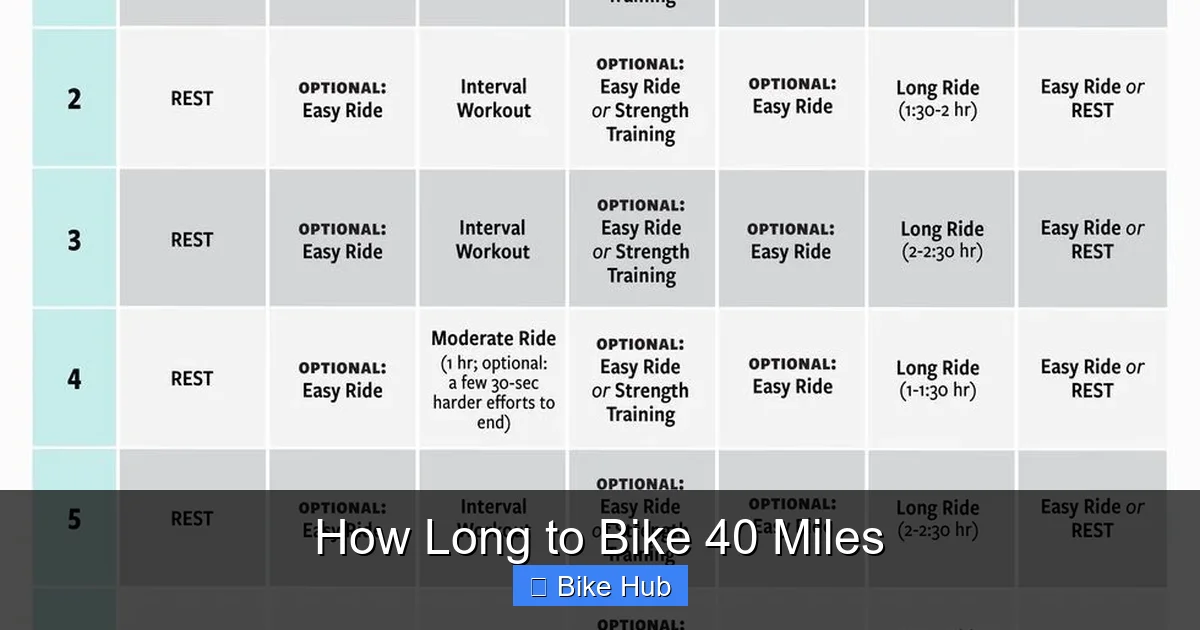
Visual guide about How Long to Bike 40 Miles
Image source: i.pinimg.com
Road Bikes: Built for Speed
Lightweight frames, thin tires, and drop handlebars make road bikes ideal for long, fast rides. They’re the best choice if you’re aiming to finish in under 3 hours. Make sure your tires are properly inflated—learn how to check bike tire pressure for optimal performance.
Mountain Bikes: Tough but Slower
Great for trails, but heavier and slower on pavement. If you’re using a mountain bike, consider slick tires for road use. For long rides, check out how to prepare a mountain bike for long rides to reduce drag and improve comfort.
Hybrid and Commuter Bikes: Balanced Choice
These offer a mix of comfort and efficiency. They’re great for beginners or casual riders. Just ensure your drivetrain is clean—visit how to clean a road bike drivetrain for maintenance tips.
Step 3: Prepare Your Gear and Body
Preparation is key to a successful long ride. Don’t wait until the morning of to check your bike or pack snacks.
Inspect Your Bike the Night Before
- Check tire pressure and look for cuts or wear.
- Test brakes and gears.
- Lubricate the chain if needed.
- Ensure lights and reflectors work (especially if riding early or late).
Dress for Comfort and Safety
Wear padded cycling shorts to prevent chafing. Choose moisture-wicking fabrics and a well-fitted helmet. Sunglasses protect your eyes from wind and debris. In cooler weather, layer up—avoid cotton, which traps sweat.
Pack Smart
- Water: Aim for 16–20 oz per hour. Use a hydration pack or water bottles.
- Snacks: Energy bars, bananas, or gels every 45–60 minutes.
- Repair kit: Spare tube, tire levers, mini pump, and multitool.
- Phone and ID: In case of emergency.
Step 4: Train Gradually
Don’t attempt 40 miles cold. Build up your endurance with a training plan.
Start with Shorter Rides
If you’re new, begin with 10–15 mile rides, 2–3 times per week. Add 5 miles each week until you reach 40.
Include Interval Training
Mix steady rides with short bursts of high speed. This builds cardiovascular strength and improves average speed.
Practice Riding in Groups
Group rides help you learn pacing and drafting (riding behind others to reduce wind resistance). It’s also more fun!
Step 5: Ride Smart on the Day
How you ride affects your time and enjoyment. Follow these tips for a smooth 40-mile journey.
Warm Up First
Start with 5–10 minutes of easy pedaling. This increases blood flow and reduces injury risk. For recumbent bike users, see how to warm up before using a recumbent bike.
Maintain a Steady Pace
Avoid sprinting at the start. Ride at a conversational pace—if you can’t talk comfortably, you’re going too hard.
Take Breaks
Stop every 10–15 miles to stretch, hydrate, and refuel. Even 5 minutes helps your body recover.
Stay Hydrated and Fueled
Drink water regularly, even if you’re not thirsty. Eat small snacks to maintain energy. Avoid sugary drinks that cause crashes.
Troubleshooting Common Issues
Even with preparation, problems can happen. Here’s how to handle them.
Flat Tire
Carry a spare tube and know how to repair a flat bike tire. Practice at home so you’re ready on the road.
Chain Slipping or Squeaking
This usually means a dirty or dry chain. Clean and lube it before long rides. If it keeps slipping, the chain may be worn.
Leg Cramps
Often caused by dehydration or electrolyte loss. Drink water with electrolytes and stretch gently. Slow down if needed.
Bike Handling Issues
If your bike feels wobbly, check tire pressure and wheel alignment. For help, read how to fix bike wheel wobble.
Conclusion
Biking 40 miles is a rewarding challenge that builds fitness, confidence, and mental toughness. While the time it takes varies—from 2.5 hours for fast riders to 5+ hours for beginners—the key is preparation, pacing, and persistence. Choose the right bike, train gradually, pack essentials, and listen to your body. With the right approach, you’ll not only finish your ride but enjoy every mile. Remember, every long ride starts with a single pedal stroke. So gear up, stay safe, and ride strong!



