
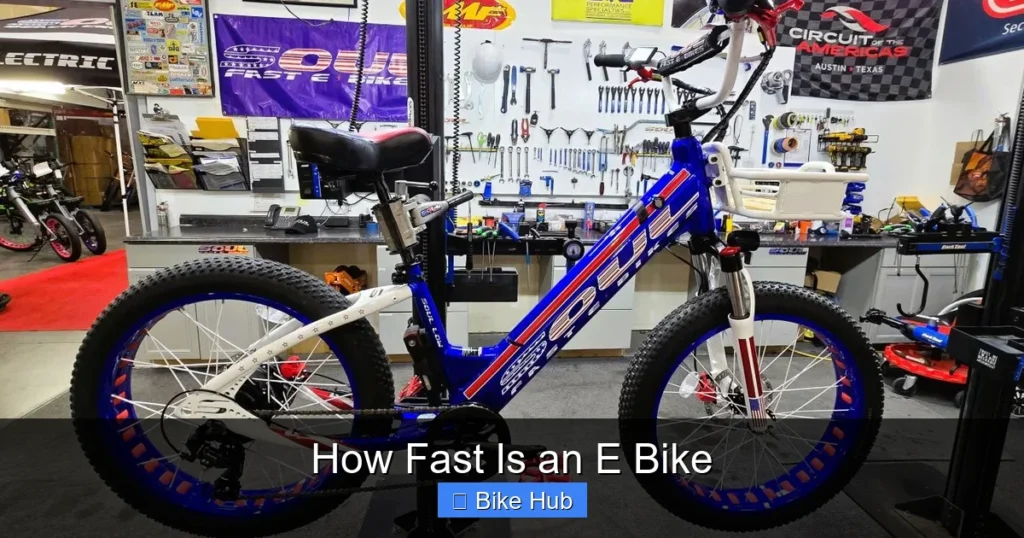
Electric bikes (e bikes) typically reach speeds between 20 and 28 mph, depending on their class and local regulations. This guide breaks down e bike speed limits, performance factors, and how to ride efficiently and legally.
Key Takeaways
- E bikes are classified by speed and motor assistance: Class 1, 2, and 3 e bikes have different top speeds, ranging from 20 to 28 mph.
- Speed depends on motor power and battery: Most e bikes use 250W to 750W motors, with higher wattage often enabling faster speeds.
- Terrain and rider weight affect performance: Hills, wind, and rider size can slow down an e bike, even with full battery power.
- Legal speed limits vary by region: Always check local laws—some areas restrict e bike speeds or require helmets above certain speeds.
- Tire pressure and maintenance matter: Properly inflated tires and a well-maintained drivetrain help maintain optimal speed.
- You can’t override factory speed limits legally: Tampering with the motor or sensor may void warranties and break the law.
- Safety gear is essential at higher speeds: Always wear a helmet and use lights, especially when riding fast or in traffic.
How Fast Is an E Bike? A Complete Guide to Speed, Safety, and Performance
If you’re thinking about buying an e bike or just curious about how fast they can go, you’re in the right place. Electric bikes are revolutionizing urban commuting, weekend adventures, and even long-distance touring. But one of the most common questions people ask is: How fast is an e bike?
The short answer? Most e bikes reach speeds between 20 and 28 miles per hour (mph). But the real story is a bit more nuanced. Speed depends on the bike’s class, motor power, battery capacity, terrain, and even how well you maintain it. In this guide, we’ll walk you through everything you need to know about e bike speed—from legal limits to practical tips for getting the most out of your ride.
Understanding E Bike Classes and Speed Limits
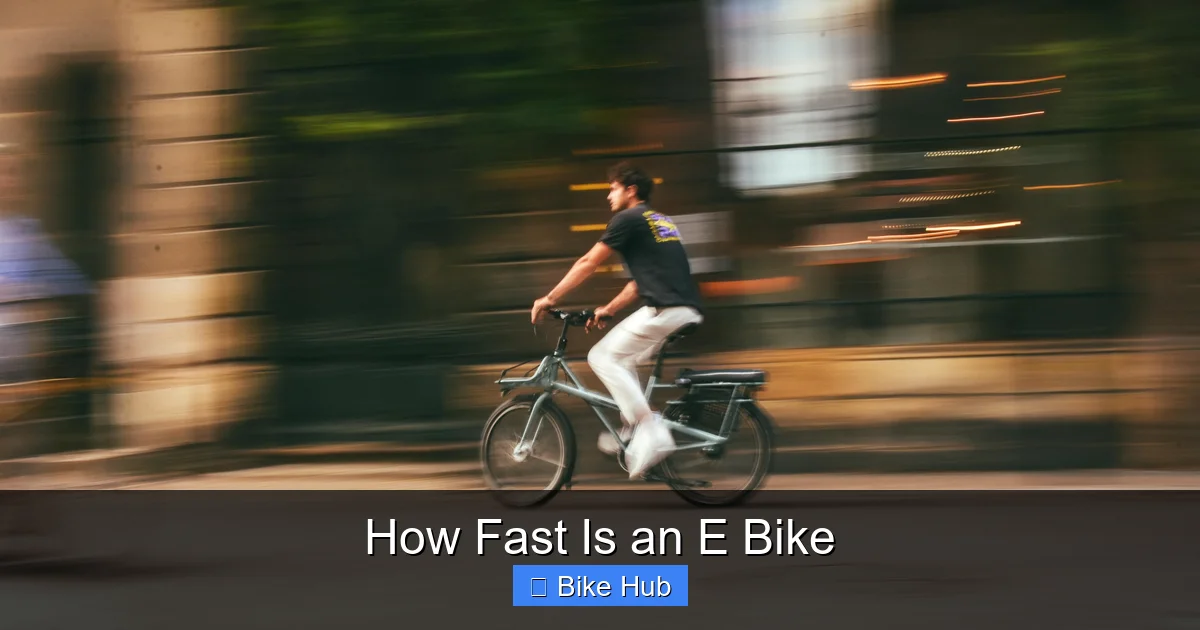
Visual guide about How Fast Is an E Bike
Image source: images.pexels.com
Not all e bikes are created equal. In the U.S., e bikes are divided into three main classes based on how the motor assists you and how fast it can go.
Class 1: Pedal-Assist Only (Up to 20 mph)
Class 1 e bikes provide motor assistance only when you’re pedaling. The motor cuts off once you reach 20 mph. These are the most common type of e bike and are allowed on most bike paths and trails. They’re ideal for casual riders, commuters, and those who want a little help on hills without going too fast.
Class 2: Throttle-Assist (Up to 20 mph)
Class 2 e bikes come with a throttle, meaning you can get motor power without pedaling—similar to a scooter. However, like Class 1, the motor stops assisting at 20 mph. These are great for riders who want extra help starting from a stop or climbing steep inclines without breaking a sweat.
Class 3: Speed Pedelec (Up to 28 mph)
Class 3 e bikes are pedal-assist only but can reach speeds up to 28 mph. Because they’re faster, they often require a helmet by law and may be restricted from certain bike paths. These are perfect for longer commutes or riders who want to keep up with traffic on city streets.
Knowing your e bike’s class helps you understand its speed potential and where you can legally ride it. Always check your local regulations—some cities treat Class 3 e bikes more like mopeds.
What Factors Affect E Bike Speed?
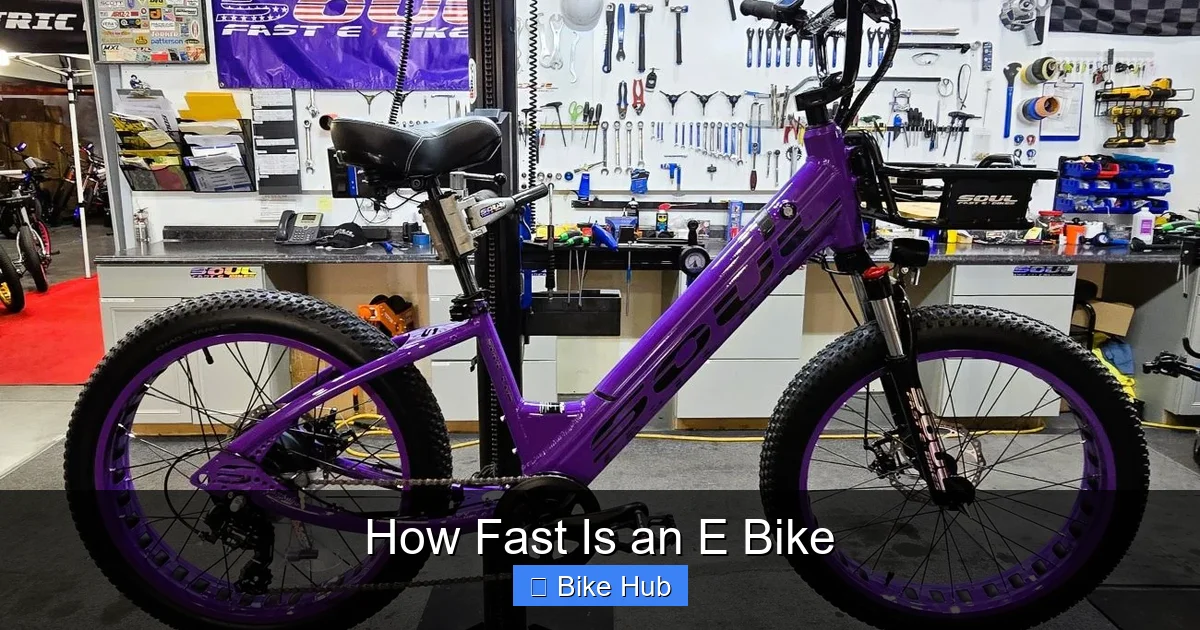
Visual guide about How Fast Is an E Bike
Image source: bikecraze.com
Even within the same class, e bikes can perform differently. Several factors influence how fast your e bike actually goes.
Motor Power (Wattage)
Most e bikes have motors ranging from 250 watts to 750 watts. In the U.S., 750W is the legal limit for standard e bikes. Higher wattage generally means more torque and better hill-climbing ability, which can help maintain speed on inclines. For example, a 750W motor will outperform a 250W one on a steep hill, even if both are limited to 20 mph on flat ground.
Battery Capacity and Charge Level
A fully charged battery delivers maximum power. As the battery drains, motor output can decrease, especially on older or lower-quality models. A high-capacity battery (measured in watt-hours, or Wh) not only extends range but also helps maintain consistent speed over long rides.
Terrain and Elevation
Flat roads are ideal for top speed. But hills, gravel, or soft dirt can slow you down significantly. If you live in a hilly area, consider an e bike with a powerful motor and good gear range. For tips on choosing the right bike for challenging terrain, check out our guide on the best e bike for hilly terrain.
Rider Weight and Cargo
Heavier riders or those carrying backpacks, panniers, or passengers will experience slower acceleration and reduced top speed. Most e bikes are designed for riders up to 220–300 pounds, but always check the manufacturer’s specs.
Wind and Weather Conditions
Headwinds can drastically reduce your speed, even with motor assistance. On windy days, you might notice your e bike struggling to maintain 15 mph, especially if you’re riding a lightweight model.
Tire Pressure and Type
Underinflated tires create more rolling resistance, making it harder to reach top speed. Always keep your tires inflated to the recommended PSI, which you can find on the tire sidewall. For help with this, see our guide on how to check bike tire pressure.
Fat tires or knobby mountain bike treads also slow you down compared to slick, narrow road tires. If speed is a priority, consider switching to high-pressure road tires if your e bike allows it.
How to Maximize Your E Bike’s Speed
Want to get the most speed out of your e bike? Here are some practical tips.
Maintain Proper Tire Pressure
Check your tire pressure weekly. Use a reliable gauge and inflate to the recommended level. This simple step can improve efficiency and speed by reducing drag.
Keep the Drivetrain Clean and Lubricated
A dirty or dry chain creates friction, wasting energy. Regular cleaning and lubrication help the motor work more efficiently. For detailed steps, read our guide on how to clean a road bike drivetrain.
Ride in the Right Gear
Use lower gears for starting and climbing, and shift to higher gears on flat ground to maintain speed with less pedaling effort. Most e bikes have multiple gears—use them!
Reduce Weight When Possible
Remove unnecessary accessories or cargo. Every pound counts when trying to reach top speed.
Avoid Overloading the Battery
Don’t drain the battery completely on long rides. Many e bikes reduce power when the battery drops below 20%. Plan your route and recharge when needed.
Can You Make an E Bike Go Faster?
Some riders wonder if they can modify their e bike to go faster than the factory limit. While it’s technically possible—through firmware hacks or motor upgrades—it’s not recommended.
Legal and Safety Risks
Tampering with the speed limiter may violate local laws. In many places, e bikes exceeding 20 or 28 mph are classified as motor vehicles, requiring registration, insurance, and a license. You could also void your warranty or damage the motor.
Battery and Motor Strain
Pushing the motor beyond its design limits can cause overheating, reduced battery life, and mechanical failure. It’s safer and smarter to choose an e bike that meets your speed needs from the start.
Troubleshooting Slow E Bike Performance
If your e bike feels sluggish, here are some common issues and fixes.
Battery Not Holding Charge
Old or damaged batteries lose capacity. If your range has dropped significantly, it might be time for a replacement.
Motor Overheating
Continuous high-speed riding, especially uphill, can cause the motor to overheat. Let it cool down and avoid prolonged max-speed use.
Loose or Worn Components
Check for loose bolts, worn brake pads, or a misaligned wheel. These can create drag and slow you down. For help with wheel issues, see our guide on how to maintain bike wheels.
Incorrect Settings
Some e bikes have multiple assist levels. Make sure you’re using the highest assist mode when you need extra speed.
Safety Tips for Riding at Higher Speeds
Faster speeds mean greater responsibility. Here’s how to stay safe.
- Wear a helmet: Always, especially on Class 3 e bikes. For proper helmet care, see our guide on how to dispose of an old bike helmet.
- Use lights and reflectors: Visibility is crucial, especially at night or in traffic.
- Brake early: High-speed stops require more distance. Test your brakes regularly.
- Follow traffic laws: Ride in bike lanes when available, signal turns, and obey traffic signals.
- Be aware of your surroundings: Cars, pedestrians, and other cyclists may not expect an e bike to move so quickly.
Conclusion
So, how fast is an e bike? Most models reach 20 to 28 mph, depending on their class and design. While speed is exciting, it’s important to ride responsibly, maintain your bike, and follow local laws. Whether you’re commuting, exploring trails, or just enjoying a weekend ride, understanding your e bike’s speed capabilities helps you get the most out of every journey.
With the right setup and care, your e bike can be a fast, efficient, and fun way to get around. Just remember: speed is great, but safety and sustainability matter even more.



