
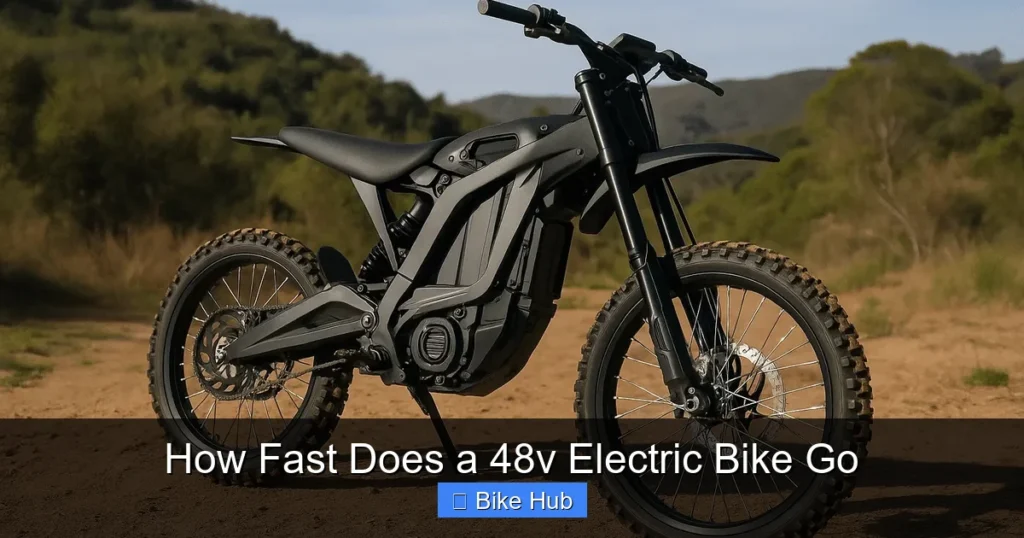
A 48V electric bike typically reaches speeds between 20 and 28 mph (32–45 km/h), depending on motor power, terrain, rider weight, and settings. This guide explains how voltage, motor wattage, and other factors influence speed, plus how to ride efficiently and maintain your e-bike for optimal performance.
[FEATURED_IMAGE_PLACEHOOLDER]
Key Takeaways
- Speed Range: Most 48V e-bikes reach 20–28 mph (32–45 km/h), with Class 2 models capped at 20 mph and higher-performance models hitting 28 mph.
- Motor Wattage Matters: A 500W–750W motor paired with a 48V battery delivers more speed and torque than lower-wattage motors.
- Terrain and Weight Impact Performance: Hills, wind, and rider weight can reduce speed, while flat roads and lighter loads boost it.
- Legal Limits Apply: In the U.S., e-bikes are classified by speed; exceeding 20 mph may require registration or special licensing.
- Battery Health is Key: A well-maintained battery ensures consistent power delivery and top speeds over time.
- Ride Smart and Safe: Always wear a helmet, follow local laws, and avoid pushing your e-bike beyond safe limits.
- Regular Maintenance Helps: Clean drivetrains, check tire pressure, and inspect brakes to keep your e-bike running smoothly.
How Fast Does a 48V Electric Bike Go? A Complete Guide
If you’re considering buying a 48V electric bike or already own one, you’re probably wondering: just how fast can it go? The short answer? Most 48V e-bikes cruise comfortably between 20 and 28 miles per hour (32–45 km/h). But that’s only part of the story. In this guide, we’ll break down everything that affects your e-bike’s top speed—from battery voltage and motor power to rider habits and local laws. You’ll also get practical tips to maximize performance while staying safe and legal.
Whether you’re commuting to work, exploring trails, or just enjoying weekend rides, understanding your e-bike’s speed capabilities helps you make the most of your ride. Let’s dive in.
Understanding E-Bike Voltage and Speed
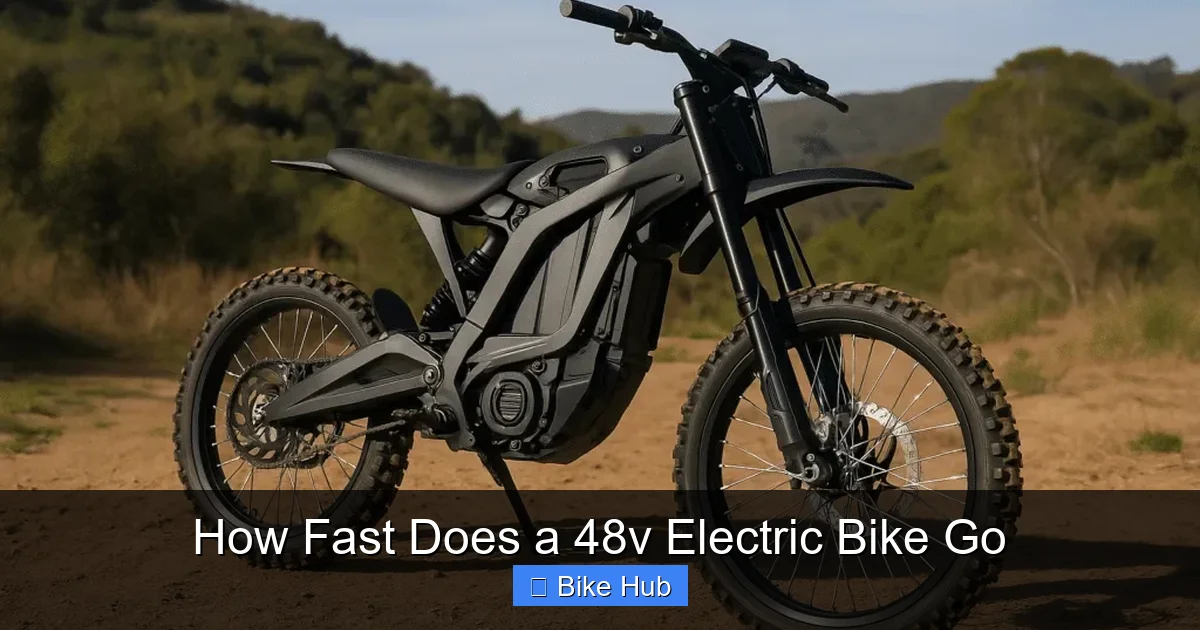
Visual guide about How Fast Does a 48v Electric Bike Go
Image source: boltbikers.com
Voltage (measured in volts, or “V”) is a key factor in an electric bike’s performance. It determines how much electrical power the battery can deliver to the motor. A 48V system is one of the most common setups for mid-to-high-performance e-bikes because it offers a great balance of power, efficiency, and battery life.
But voltage alone doesn’t dictate speed. It works hand-in-hand with motor wattage. For example, a 48V battery paired with a 500W motor will perform differently than the same battery with a 750W motor. Generally, higher wattage means more torque and faster acceleration—especially helpful on hills or when carrying cargo.
Typical Speed Ranges for 48V E-Bikes
Most consumer 48V electric bikes fall into one of three speed categories:
- Class 1 and Class 2 E-Bikes: These are pedal-assist only (Class 1) or include a throttle (Class 2), with a top assisted speed of 20 mph (32 km/h). Many 48V models are designed to meet this standard for legal compliance.
- Class 3 E-Bikes: These offer pedal assist up to 28 mph (45 km/h). They often use 48V systems with higher-wattage motors (750W or more) and are popular for faster commuting.
- High-Performance or Modified E-Bikes: Some riders modify their 48V e-bikes to exceed 28 mph, but this may void warranties and violate local laws. We don’t recommend it unless you’re experienced and riding in a legal, controlled environment.
So, while a 48V system *can* support speeds well above 28 mph under ideal conditions, most manufacturers limit output to stay within legal and safety guidelines.
Factors That Affect Your E-Bike’s Top Speed
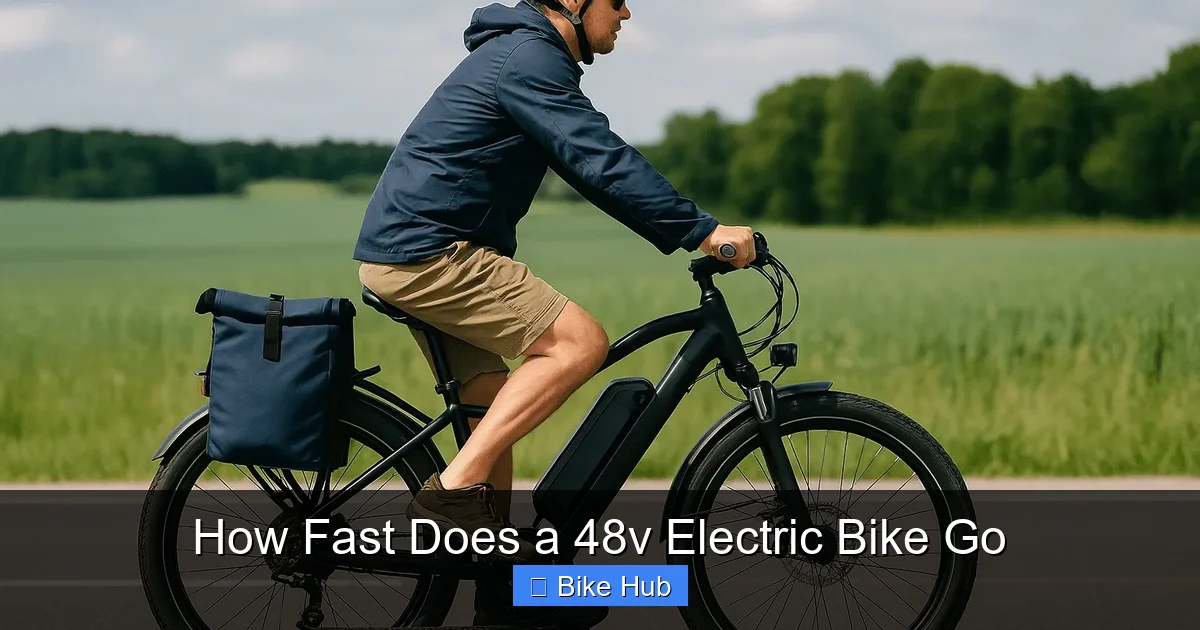
Visual guide about How Fast Does a 48v Electric Bike Go
Image source: boltbikers.com
Even with a 48V battery, your actual speed will vary based on several real-world factors. Here’s what you need to know.
1. Motor Power (Wattage)
The motor is the engine of your e-bike. A 48V battery can power motors ranging from 250W to 1000W+. Higher wattage means more power available for speed and climbing.
- 250W–350W: Best for flat terrain and light riders. Top speed around 15–20 mph.
- 500W–750W: Ideal for most riders. Handles hills and delivers 20–28 mph speeds.
- 1000W+: Built for performance. Can exceed 30 mph but may require special licensing.
Tip: Check your motor’s wattage rating—it’s usually printed on the motor casing or listed in the user manual.
2. Rider Weight and Cargo
Heavier riders or those carrying backpacks, groceries, or gear will notice a drop in speed. Every extra pound requires more power to maintain velocity. For example, a 200-pound rider on a 500W 48V e-bike might top out at 22 mph, while a 140-pound rider could reach 26 mph on the same bike.
3. Terrain and Elevation
Flat roads = faster speeds. Hills, gravel, or soft dirt slow you down. Even a slight incline can reduce your speed by 3–5 mph, especially if the motor isn’t powerful enough to compensate.
If you frequently ride in hilly areas, consider a 48V e-bike with at least a 750W motor. For tips on tackling steep climbs, check out our guide on how to climb hills on a road bike—many techniques apply to e-bikes too.
4. Tire Pressure and Type
Underinflated tires create more rolling resistance, which slows you down. Always keep your tires inflated to the recommended PSI (usually printed on the sidewall). Wider or knobby tires (like those on fat tire bikes) also reduce speed compared to slim, smooth road tires.
For optimal performance, use tires designed for your riding style. Need help choosing? See our guide on how to choose road bike tires.
5. Battery Charge Level
A fully charged 48V battery delivers maximum power. As the charge drops below 50%, voltage sags slightly, reducing motor output and top speed. Always start your ride with a full charge for the best performance.
6. Wind and Weather
Headwinds can cut your speed significantly—even 10 mph of wind can feel like a wall. Riding into strong winds may reduce your speed by 3–7 mph. On the flip side, tailwinds can give you a nice boost.
Rain and wet conditions also affect traction and braking, so ride cautiously and reduce speed in bad weather. For tips on staying safe, read our article on how to prepare for a rainy bike race.
How to Maximize Your 48V E-Bike’s Speed
Want to get the most out of your ride? Try these practical tips.
1. Maintain Proper Tire Pressure
Check your tire pressure weekly. Use a reliable gauge and inflate to the manufacturer’s recommended level. This reduces rolling resistance and helps you go faster with less effort.
2. Keep the Battery Charged
Avoid letting your battery drop below 20%. Lithium-ion batteries last longer and perform better when kept between 20% and 80% charge. Use the original charger and avoid overcharging.
3. Reduce Weight
Carry only what you need. Remove unnecessary accessories or cargo. Even small reductions in weight can improve acceleration and top speed.
4. Use the Right Assist Level
Most e-bikes have multiple pedal-assist levels (Eco, Tour, Sport, Turbo). For maximum speed, use the highest assist mode. But remember: higher modes drain the battery faster.
5. Keep Your Drivetrain Clean
A dirty chain or clogged gears reduce efficiency. Regular cleaning and lubrication help your motor work less hard. For step-by-step instructions, see our guide on how to clean a road bike drivetrain.
6. Ride Smoothly
Avoid sudden starts and stops. Smooth pedaling and gradual acceleration help maintain momentum and reduce strain on the motor.
Legal and Safety Considerations
Speed isn’t everything—safety and legality matter too.
In the U.S., e-bikes are classified by the Consumer Product Safety Commission (CPSC):
- Class 1: Pedal-assist only, up to 20 mph.
- Class 2: Throttle-assisted, up to 20 mph.
- Class 3: Pedal-assist only, up to 28 mph. Requires a helmet and may have age restrictions.
Riding faster than these limits may classify your bike as a motor vehicle, requiring registration, insurance, and a license. Always check your local laws before modifying your e-bike for higher speeds.
Also, remember: faster speeds mean longer stopping distances. Make sure your brakes are in top condition. Regular maintenance is key—learn how in our guide on how to maintain a road bike.
Troubleshooting Common Speed Issues
If your 48V e-bike feels slower than expected, here’s what to check:
- Battery not holding charge: Test voltage with a multimeter or replace if older than 3–5 years.
- Motor overheating: Let it cool down. Avoid sustained high-speed riding on steep hills.
- Throttle or sensor issues: Clean or recalibrate the pedal assist sensor. Check throttle connections.
- Low tire pressure: Inflate tires to recommended PSI.
- Dirty drivetrain: Clean and lubricate the chain and gears.
If problems persist, consult your dealer or a certified e-bike technician.
Conclusion
A 48V electric bike is a powerful, efficient way to get around—offering speeds between 20 and 28 mph for most riders. While voltage plays a big role, real-world speed depends on motor power, rider weight, terrain, and maintenance. By understanding these factors and following best practices, you can enjoy fast, safe, and reliable rides.
Remember: speed is fun, but safety comes first. Always wear a helmet, follow traffic laws, and maintain your e-bike regularly. With the right care, your 48V e-bike will deliver peak performance for years to come.



