
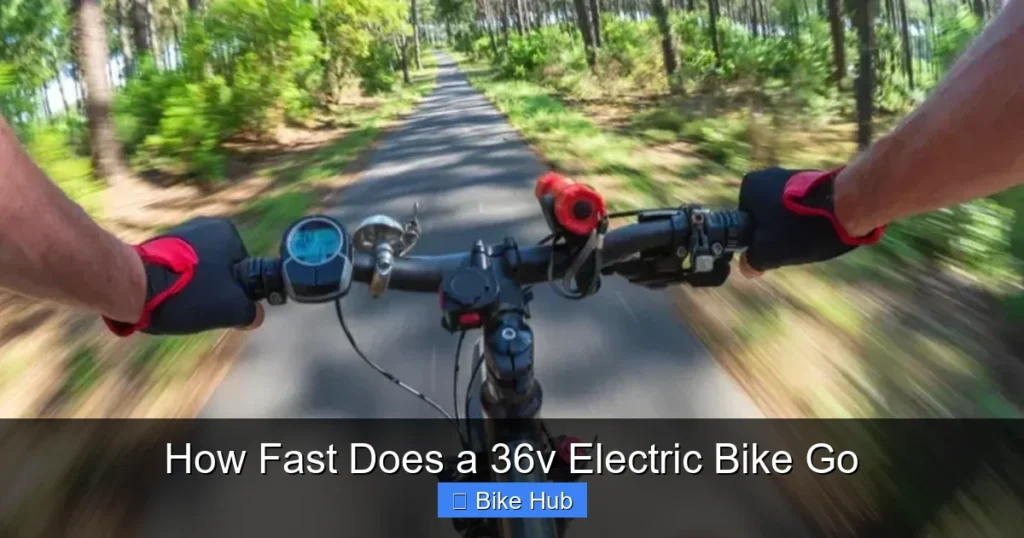
A 36V electric bike typically reaches speeds between 15 and 20 mph, depending on motor power, terrain, rider weight, and battery condition. Understanding these factors helps you get the most out of your e-bike while staying safe and legal.
Key Takeaways
- Typical speed range: Most 36V e-bikes reach 15–20 mph under normal conditions.
- Motor wattage matters: A 250W to 500W motor paired with a 36V battery influences top speed and hill-climbing ability.
- Terrain and rider weight impact performance: Hills, wind, and heavier loads reduce speed significantly.
- Battery health is crucial: A worn or undercharged battery can cut speed by 20–30%.
- Legal limits apply: In many regions, e-bikes are capped at 20 mph for pedal-assist and 28 mph for Class 3 models.
- Tire pressure and maintenance affect speed: Properly inflated tires and a clean drivetrain improve efficiency.
- Speed can be optimized: Regular maintenance, lightweight gear, and smooth riding help maximize performance.
How Fast Does a 36V Electric Bike Go? A Complete Guide
If you’re considering buying a 36V electric bike or already own one, you’ve probably asked: *How fast does it really go?* The answer isn’t just about voltage—it’s a mix of motor power, battery health, terrain, and even your riding style. In this guide, we’ll break down everything you need to know about 36V e-bike speed, how to measure it, and how to get the best performance safely and legally.
Whether you’re commuting, cruising through the park, or tackling hills, understanding your e-bike’s speed potential helps you plan better and ride smarter. Let’s dive in.
Understanding 36V E-Bike Basics
Visual guide about How Fast Does a 36v Electric Bike Go
Image source: cdn.shopify.com
Before we talk speed, let’s clarify what “36V” means. The “V” stands for volts, which measures electrical potential. A 36V battery delivers power to the motor, but voltage alone doesn’t determine speed. It works hand-in-hand with motor wattage (measured in watts) and the bike’s design.
Most 36V e-bikes use motors ranging from 250W to 500W. A 250W motor is common on entry-level models and city commuters, while 500W motors are found on more powerful bikes meant for hills or off-road use. The combination of 36V and 500W gives you more torque and speed than a 36V 250W setup.
Typical Speed Range for 36V E-Bikes
On flat ground, with a fully charged battery and average rider weight (around 160–180 lbs), a 36V e-bike typically reaches:
– 15–18 mph with a 250W motor
– 18–20 mph with a 350W–500W motor
Some high-performance 36V models with optimized gearing and lightweight frames can briefly hit 22 mph, but this is less common and often not sustainable.
Keep in mind: these speeds are for pedal-assist mode (where the motor helps you pedal). If your bike has a throttle, it may reach similar speeds without pedaling, depending on local laws.
What Affects the Speed of a 36V Electric Bike?
Visual guide about How Fast Does a 36v Electric Bike Go
Image source: rcfact.com
Speed isn’t just about the battery. Several real-world factors influence how fast your e-bike actually goes.
1. Motor Power and Efficiency
A stronger motor (like 500W) can push harder, especially on inclines. But even a powerful motor can’t overcome a weak battery. Always check the motor’s continuous rating—not peak power—for real performance.
2. Battery Capacity and Health
Voltage (36V) tells you the power potential, but ampere-hours (Ah) tell you how long it lasts. A 36V 10Ah battery holds more energy than a 36V 7Ah. A healthy, fully charged battery delivers consistent power. As it drains, voltage drops, and so does speed.
Tip: Use a battery monitor to track charge level. Recharge before it drops below 20% to maintain performance.
3. Rider Weight and Load
Heavier riders or those carrying cargo (like groceries or a backpack) reduce speed and range. Every extra 20 lbs can lower top speed by 1–2 mph, especially on hills.
4. Terrain and Elevation
Flat roads = maximum speed. Hills, gravel, or soft dirt slow you down. Even a slight incline can drop your speed by 3–5 mph. If you live in a hilly area, consider a bike with a torque sensor for better hill climbing—check out our guide on how to choose a mountain bike for tips on selecting the right e-bike for your terrain.
5. Tire Type and Pressure
Underinflated tires create drag. Check your tire pressure weekly—most e-bikes need 40–65 PSI. Knobby off-road tires also slow you down on pavement. Switching to smoother tires can boost speed by 1–2 mph.
For help maintaining your tires, see our article on how to maintain bike wheels.
6. Wind and Weather
Headwinds are a speed killer. A 10 mph headwind can reduce your effective speed by 3–4 mph. Tailwinds help, but don’t count on them. Rain and cold weather also reduce battery efficiency.
How to Measure Your E-Bike’s Actual Speed
Don’t rely solely on the display. Many e-bikes show optimistic speeds. Here’s how to get accurate readings.
Use a GPS Speedometer
Mount a GPS-based bike computer or use a smartphone app like Strava or Google Maps. These tools measure real-world speed based on satellite data, giving you a true reading.
Test on a Flat, Open Road
Find a safe, flat stretch with no traffic. Warm up the battery (ride for 5–10 minutes), then accelerate to full assist and maintain steady speed for 30 seconds. Record the average.
Repeat Under Different Conditions
Test with a full battery, half battery, and with extra weight. This helps you understand how your bike performs in real life.
Tips to Maximize Your 36V E-Bike Speed
Want to go faster? Try these practical tips.
1. Keep Your Battery Charged
A full battery delivers peak voltage. Avoid deep discharges. Charge after every ride if possible.
2. Maintain Proper Tire Pressure
Check pressure weekly. Use a quality gauge—don’t guess. Proper inflation reduces rolling resistance.
3. Clean and Lubricate the Drivetrain
A dirty chain or clogged gears waste energy. Clean your drivetrain monthly. For step-by-step help, read our guide on how to clean a road bike drivetrain.
4. Reduce Weight
Remove unnecessary accessories. Use a lightweight backpack instead of panniers if speed is your goal.
5. Ride Smoothly
Avoid sudden accelerations. Pedal steadily and use lower assist levels when possible—higher levels drain the battery faster and can reduce top speed over time.
6. Upgrade Components (If Allowed)
Some riders upgrade to higher-capacity batteries or more efficient motors—but check local laws first. Modifying your e-bike may void the warranty or make it illegal on public roads.
Legal Speed Limits for Electric Bikes
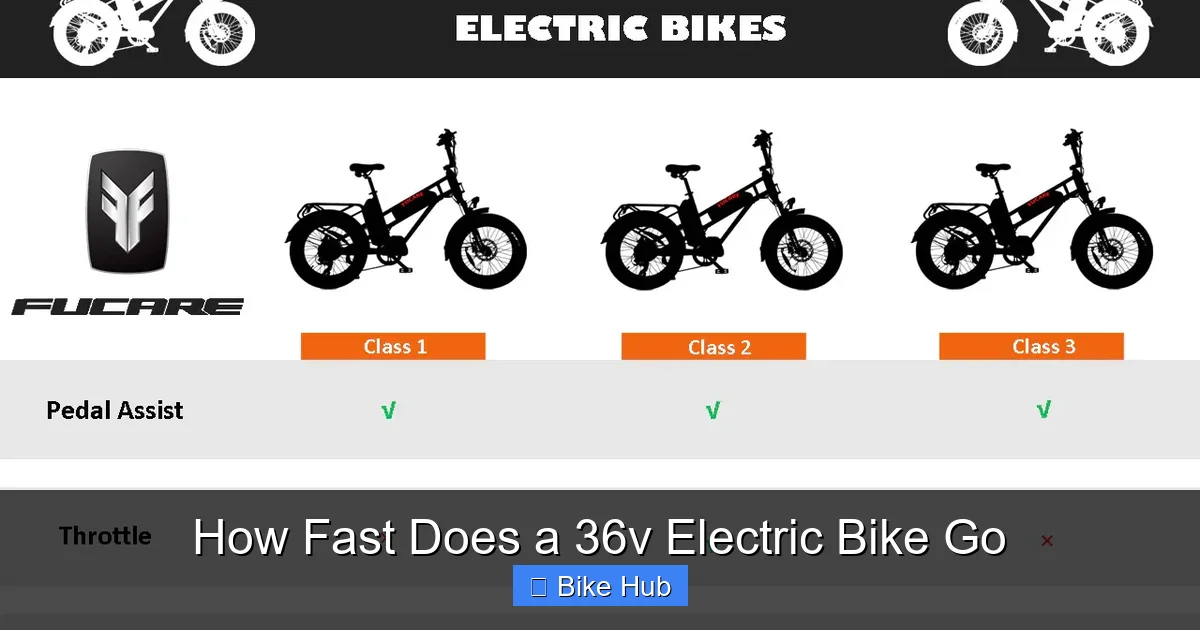
Speed isn’t just about capability—it’s about legality. In the U.S., e-bikes are classified into three categories:
– **Class 1:** Pedal-assist only, max 20 mph
– **Class 2:** Throttle-assisted, max 20 mph
– **Class 3:** Pedal-assist only, max 28 mph (requires speedometer and often age restrictions)
Most 36V e-bikes are Class 1 or 2. Even if your bike *can* go 22 mph, it may be limited by software to 20 mph to comply with regulations.
Always check your local laws. Riding faster than allowed can result in fines or confiscation.
Troubleshooting Slow Speed Issues
If your 36V e-bike feels sluggish, here’s how to diagnose the problem.
Battery Not Holding Charge
Symptoms: Speed drops quickly, even on flat ground.
Solution: Test battery voltage with a multimeter. If it’s below 30V when fully charged, it may need replacement.
Motor Overheating
Symptoms: Power cuts out after 10–15 minutes.
Solution: Let the motor cool. Avoid steep hills on hot days. Ensure vents are clear.
Loose or Worn Brakes
Symptoms: Bike feels like it’s dragging.
Solution: Check brake pads. Adjust or replace if they’re rubbing the wheel.
Incorrect Tire Pressure
Symptoms: Sluggish acceleration, poor handling.
Solution: Inflate to recommended PSI (usually printed on the tire sidewall).
Dirty or Dry Chain
Symptoms: Grinding noise, jerky pedaling.
Solution: Clean and lubricate the chain. Use bike-specific lube.
Conclusion
So, how fast does a 36V electric bike go? On average, between 15 and 20 mph—but that number depends on many factors. Motor power, battery health, terrain, and maintenance all play a role. By understanding these elements and following best practices, you can enjoy safe, efficient, and satisfying rides.
Remember: speed is fun, but safety and legality come first. Keep your bike well-maintained, ride within local limits, and always wear a helmet. For more tips on staying safe and getting the most from your e-bike, explore our full library of guides at Bike Hub.



