

A 300cc bike typically reaches speeds between 85 and 110 mph, depending on the model, rider weight, and road conditions. This guide breaks down real-world performance, top bikes in the category, and essential safety tips to help you ride smart and stay safe.
Key Takeaways
- Top speed range: Most 300cc bikes reach 85–110 mph, with sport models hitting the higher end.
- Bike type matters: Sport bikes are faster than cruisers or standard models due to aerodynamics and tuning.
- Rider and conditions impact speed: Weight, wind, elevation, and tire pressure all affect real-world performance.
- Maintenance is key: Regular tune-ups ensure your bike performs at its peak and stays safe.
- Safety first: Always wear proper gear and follow traffic laws—speed is fun, but control is crucial.
- Legal limits apply: Even if your bike can go faster, obey posted speed limits to avoid fines or accidents.
- Upgrades can help: Exhaust systems, air filters, and ECU tuning may improve speed—but check local laws first.
How Fast Can a 300cc Bike Go? A Complete Guide
If you’re considering buying a 300cc motorcycle or already own one, you’ve probably wondered: Just how fast can this thing go? The answer isn’t just a single number—it depends on several factors, including the bike’s design, your riding style, and even the weather. In this guide, we’ll walk you through everything you need to know about the top speed of a 300cc bike, what influences it, and how to ride safely at higher speeds.
Whether you’re a beginner looking for your first ride or an experienced rider exploring smaller displacement bikes, this guide will help you understand real-world performance, compare popular models, and make smart decisions on the road.
Understanding 300cc Engine Performance
Visual guide about How Fast Can a 300cc Bike Go
Image source: farm5.staticflickr.com
Before diving into speed numbers, it helps to understand what “300cc” actually means. The “cc” stands for cubic centimeters—a measure of engine displacement. In simple terms, it tells you how much air and fuel the engine can burn in one cycle. A 300cc engine is considered a mid-range option, bigger than entry-level 125cc or 250cc bikes but smaller than high-performance 600cc+ machines.
These bikes are popular because they offer a great balance of power, fuel efficiency, and affordability. They’re ideal for city commuting, weekend rides, and even light touring. But when it comes to top speed, not all 300cc bikes are created equal.
Typical Speed Range for 300cc Bikes
On average, a 300cc motorcycle can reach a top speed between 85 and 110 miles per hour (mph). That’s roughly 137 to 177 kilometers per hour (km/h). However, this range varies significantly based on the bike’s type and design.
For example:
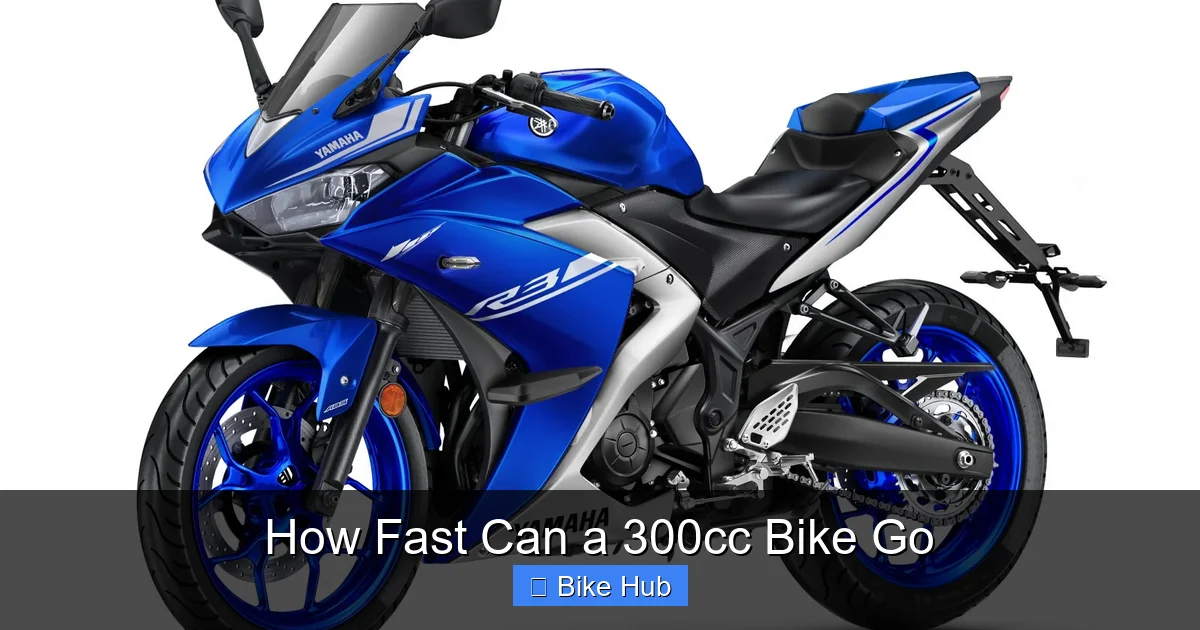
– Sport bikes like the Kawasaki Ninja 300 or Yamaha YZF-R3 are built for speed and aerodynamics, often hitting 110 mph.
– Standard or naked bikes such as the Honda CB300R may top out around 95–100 mph.
– Cruisers like the Honda Rebel 300 prioritize comfort and low-end torque over top-end speed, usually maxing out near 85–90 mph.
So while the engine size is the same, the bike’s purpose dramatically affects how fast it can go.
Top 300cc Bikes and Their Real-World Speeds
Visual guide about How Fast Can a 300cc Bike Go
Image source: electrikliving.com
Let’s look at some of the most popular 300cc motorcycles and their verified top speeds based on rider reports and dyno tests.
Kawasaki Ninja 300
One of the most beloved sport bikes in this category, the Ninja 300 can reach up to 110 mph with a skilled rider in ideal conditions. Its lightweight frame and aggressive riding position help cut through wind resistance, making it one of the fastest 300cc bikes available.
Yamaha YZF-R3
The R3 is a close competitor, often hitting 108–110 mph. It features a more modern engine and better suspension than the Ninja 300, giving it a slight edge in handling and acceleration.
Honda CB300R
This stylish naked bike tops out around 95–100 mph. While not as fast as sport models, it’s lighter and more agile, making it fun in city traffic and twisty roads.
Honda Rebel 300
Designed for cruising and beginners, the Rebel 300 has a relaxed riding position and lower gearing. Its top speed is typically 85–90 mph, perfect for highway merging but not built for high-speed runs.
KTM 390 Duke (Bonus Mention)
Though technically a 373cc bike, the KTM 390 Duke is often grouped with 300cc models due to its similar use case. It can hit 115 mph, showing how engine tuning and weight reduction can push performance beyond displacement expectations.
Factors That Affect a 300cc Bike’s Top Speed
Knowing the specs is one thing—but real-world speed depends on many variables. Here’s what can make your 300cc bike go faster or slower than advertised.
Rider Weight and Position
Heavier riders create more drag and require more power to accelerate. A 120-pound rider will likely achieve a higher top speed than a 200-pound rider on the same bike. Additionally, leaning forward (like on a sport bike) reduces wind resistance, helping you go faster.
Wind and Weather Conditions
Headwinds can significantly slow you down, while tailwinds give a nice boost. Hot weather reduces engine efficiency, while cold, dense air can improve performance slightly.
Road Gradient and Surface
Going uphill demands more power, reducing speed. Downhill, gravity helps—but be cautious. Poor road surfaces or gravel can also limit traction and safety at high speeds.
Tire Pressure and Condition
Underinflated tires increase rolling resistance and reduce top speed. Always check your tire pressure before a ride. Worn or low-quality tires can also affect handling and grip at speed.
Maintenance and Tuning
A well-maintained bike performs better. Clean air filters, fresh spark plugs, and proper chain tension all contribute to optimal power delivery. For tips on keeping your bike in top shape, check out our guide on how to maintain a road bike.
Can You Make a 300cc Bike Go Faster?
Yes—but with caveats. There are several ways to increase your bike’s top speed, though some may void warranties or violate local laws.
Performance Upgrades
– Aftermarket exhaust: A lighter, freer-flowing exhaust system can improve horsepower and reduce weight.
– High-flow air filter: Allows more air into the engine, improving combustion efficiency.
– ECU remapping: Reprogramming the engine control unit can optimize fuel delivery and ignition timing for better performance.
These mods can add 5–10 mph in some cases, but always research compatibility and legality. Some regions restrict modifications that increase emissions or noise.
Aerodynamic Tweaks
Adding a small windscreen or fairing can reduce drag, especially on standard or naked bikes. While the gain may be modest (1–3 mph), it improves comfort at highway speeds.
Weight Reduction
Removing unnecessary accessories or switching to lighter components (like aluminum wheels) can improve acceleration and top speed. Every pound counts when you’re pushing the limits of a small engine.
Safety Tips for Riding at High Speeds
Speed is exciting—but it demands respect. Here’s how to stay safe when pushing your 300cc bike to its limits.
Wear Full Protective Gear
Always wear a DOT-approved helmet, gloves, armored jacket, pants, and boots. At high speeds, even a short slide can cause serious injury. For help choosing the right helmet, see our guide on how to properly fit a bike helmet.
Practice in Safe Environments
Never test your bike’s top speed on public roads. Use closed tracks or private land with permission. This lets you learn your bike’s limits without endangering yourself or others.
Know Your Bike’s Handling
At high speeds, small inputs can have big effects. Practice braking, cornering, and swerving at lower speeds first. Understanding how your bike responds builds confidence and control.
Check Your Tires and Brakes
High-speed riding puts extra stress on tires and brakes. Inspect tread depth, look for cracks, and ensure your brake pads are in good condition. For tire maintenance tips, visit our article on how to maintain bike wheels.
Stay Sober and Focused
Never ride under the influence of alcohol, drugs, or fatigue. At 100 mph, reaction time is critical—distractions can be deadly.
Troubleshooting Common Speed Issues
If your 300cc bike isn’t reaching expected speeds, here are a few things to check.
Bike Feels Sluggish or Won’t Rev
– Check the air filter—clogged filters restrict airflow.
– Inspect the fuel system for blockages or old gas.
– Ensure the throttle cable isn’t sticking.
Top Speed Lower Than Expected
– Verify tire pressure—low pressure increases drag.
– Look for exhaust restrictions or backpressure issues.
– Consider if you’re riding uphill or into strong winds.
Vibration at High Speed
This could indicate wheel imbalance, worn bearings, or loose components. Stop riding and inspect immediately. For help diagnosing wobble, see our guide on how to fix bike wheel wobble.
Conclusion
So, how fast can a 300cc bike go? The short answer: between 85 and 110 mph, depending on the model and conditions. While not as fast as larger sport bikes, 300cc motorcycles offer an exciting blend of performance, efficiency, and accessibility.
Whether you’re riding a Ninja 300 on the highway or a Rebel 300 through the city, understanding your bike’s capabilities helps you ride smarter and safer. Remember, speed is only fun when you’re in control. Keep your bike well-maintained, wear proper gear, and always respect the limits of both your machine and your skills.
With the right knowledge and preparation, your 300cc bike can deliver thrilling rides for years to come.



