

WD40 is not a suitable long-term lubricant for bike chains, though it can help clean rust or debris in a pinch. Using it regularly can damage your drivetrain and reduce efficiency. This guide explains when—and how—to safely use WD40, plus better alternatives for chain care.
Key Takeaways
- WD40 is a cleaner, not a lubricant: It removes grime and moisture but doesn’t provide lasting lubrication needed for smooth chain operation.
- Short-term use only: You can use WD40 to clean a rusty or dirty chain, but always follow up with proper bike chain lube.
- Risk of drivetrain damage: Overuse can strip away essential oils, attract dirt, and cause premature wear on chain and gears.
- Choose the right lube: Use wet or dry bike-specific lubricants based on your riding conditions (rain, dust, etc.).
- Clean before lubricating: Always degrease and dry your chain thoroughly before applying any lubricant for best results.
- Regular maintenance matters: Clean and lube your chain every 100–200 miles or after wet/muddy rides.
- Store lube properly: Keep bike lubricants in a cool, dry place to maintain effectiveness—learn more in our guide on how to store bike lubricant.
Can You Use WD40 on Bike Chains? The Honest Answer
If you’ve ever reached for a can of WD40 to quiet a squeaky bike chain, you’re not alone. It’s a common household product, easy to find, and great at loosening rust or displacing water. But here’s the truth: WD40 is not designed to be a bike chain lubricant. While it might seem like a quick fix, using it regularly can do more harm than good.
In this guide, you’ll learn exactly when—and how—you can safely use WD40 on your bike chain, why it’s not a long-term solution, and what to use instead for lasting performance. We’ll walk you through step-by-step cleaning and lubrication methods, share practical tips, and help you avoid common mistakes that shorten your drivetrain’s life.
Whether you’re a weekend rider or a daily commuter, proper chain care keeps your bike running smoothly, improves shifting, and saves you money on replacements. Let’s get started.
What Is WD40, Really?

Visual guide about Can You Use Wd40 on Bike Chains
Image source: survivalfreedom.com
WD40 stands for “Water Displacement, 40th formula.” It was originally created to prevent corrosion by pushing out moisture and protecting metal surfaces. Today, it’s used for everything from silencing door hinges to loosening stuck bolts.
But here’s the key point: WD40 is a solvent and degreaser, not a lubricant. It evaporates quickly and leaves behind a thin film that doesn’t provide the long-lasting protection your bike chain needs. In fact, using it as a lube can strip away existing oils, dry out the chain, and attract dirt—leading to a gritty, noisy, and inefficient ride.
When Is It Okay to Use WD40 on a Bike Chain?
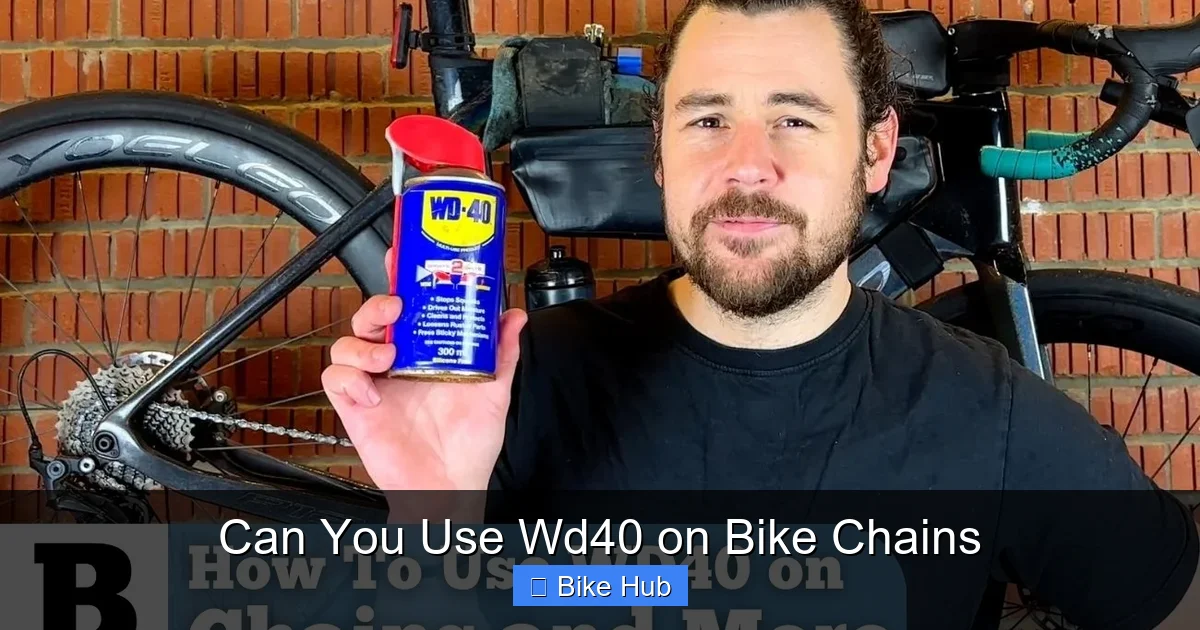
Visual guide about Can You Use Wd40 on Bike Chains
Image source: biketips.com
There are limited situations where WD40 can be helpful—but only as a cleaning step, never as a final lubricant.
Use Case 1: Removing Rust or Heavy Grime
If your chain has surface rust or is caked with mud and old grease, WD40 can help break it down. Spray it on, let it sit for a few minutes, then scrub with a brush. This loosens stubborn buildup so you can wipe it away.
Use Case 2: Drying a Wet Chain After Rain
After riding in the rain, moisture can seep into chain links and cause rust. A quick spray of WD40 can displace water and protect metal temporarily. But again—this is not a substitute for proper drying and re-lubing.
Important Reminder
Never ride your bike immediately after using WD40 without applying real bike lube. The chain will be dry, unprotected, and prone to wear.
Step-by-Step: How to Safely Use WD40 on Your Bike Chain
Follow these steps if you need to use WD40 for cleaning. Remember: this is a prep step, not the final solution.
Step 1: Prepare Your Bike
Shift into the smallest chainring and smallest rear cog to relieve tension on the chain. If possible, place your bike on a stand or flip it upside down (carefully!) so the drivetrain is accessible.
Step 2: Apply WD40 Sparingly
Spray a small amount of WD40 directly onto the chain, focusing on rusty or dirty sections. Avoid overspraying—WD40 can damage rubber seals on derailleurs and brake components.
Step 3: Scrub the Chain
Use a stiff-bristled brush (a dedicated chain brush works best) to scrub the chain thoroughly. Rotate the pedals backward to clean the entire length. Pay attention to the rollers and pins where grime builds up.
Step 4: Wipe Off Residue
Use a clean, dry rag to wipe away the WD40 and loosened dirt. You may need to repeat the process for heavily soiled chains. The goal is a clean, dry chain—no oily residue.
Step 5: Dry Completely
Let the chain air-dry for 10–15 minutes, or use a dry cloth to speed up the process. Any remaining moisture can lead to rust.
Step 6: Apply Proper Bike Chain Lube
This is the most important step. Choose a bike-specific lubricant based on your riding conditions:
– Dry lube: Best for dry, dusty conditions (e.g., summer road riding).
– Wet lube: Ideal for wet or muddy environments (e.g., mountain biking in rain).
Apply a small amount to each chain link while slowly rotating the pedals. Let it penetrate for 5–10 minutes, then wipe off excess with a clean rag. Excess lube attracts dirt, so less is more.
Why You Should Avoid Using WD40 as a Regular Lube
Using WD40 as your go-to chain lubricant might seem convenient, but it comes with serious downsides:
- Short-lived protection: WD40 evaporates quickly, leaving your chain unprotected within hours.
- Attracts dirt: The residue acts like glue for dust and debris, creating a grinding paste that wears down components.
- Damages seals: It can degrade rubber O-rings in modern chains, leading to internal corrosion.
- Reduces efficiency: A poorly lubricated chain increases friction, making pedaling harder and wasting energy.
- Costly repairs: Premature wear on chains, cassettes, and chainrings can cost hundreds in replacements.
For long-term performance and value, always use a dedicated bike chain lubricant.
Better Alternatives to WD40 for Bike Chains
Instead of WD40, try these proven options:
1. Bike-Specific Chain Lubes
Look for brands like Finish Line, Muc-Off, or Park Tool. They offer formulas for every condition:
– Dry lube: Lightweight, clean, and great for dry weather.
– Wet lube: Thick, sticky, and water-resistant—perfect for rain or mud.
– Ceramic or wax-based lubes: Reduce friction and last longer (but require more frequent cleaning).
2. Degreasers for Deep Cleaning
For routine cleaning, use a biodegradable bike degreaser instead of WD40. It’s safer for components and the environment. Apply with a brush, rinse (if water-safe), and dry before re-lubing.
3. Chain Cleaning Tools
Invest in a chain cleaning device (like the Park Tool CM-5.2) to make cleaning faster and more effective. These tools hold degreaser and scrub the chain as you pedal backward.
Troubleshooting Common Chain Issues
Problem: Chain Still Squeaks After WD40
This means the chain is still dry or dirty. Re-clean with a proper degreaser, dry thoroughly, and apply bike lube. If noise persists, check for worn components.
Problem: Chain Feels Stiff or Sticky
This usually means too much lube or dirt buildup. Wipe the chain clean, apply a small amount of lube, and wipe off excess immediately.
Problem: Rust Keeps Coming Back
Store your bike in a dry place. After wet rides, dry the chain and re-lube. Consider using a wet lube if you ride in rainy climates.
How Often Should You Clean and Lube Your Chain?
A good rule of thumb: clean and lube your chain every 100–200 miles, or after every wet or muddy ride. If you ride daily in harsh conditions, check weekly.
Signs it’s time to clean:
– Chain looks dirty or gritty
– Shifting feels rough
– You hear grinding or squeaking
– You’ve ridden in rain or mud
Regular maintenance extends the life of your entire drivetrain—not just the chain.
Bonus Tips for Better Chain Care
- Use a chain checker: Monitor chain wear to avoid damaging your cassette and chainrings.
- Don’t over-lube: A thin, even coat is better than a thick glob.
- Clean your drivetrain regularly: Include the chainring, cassette, and derailleur pulleys.
- Store your bike properly: Keep it indoors or under cover to prevent rust.
- Carry a mini lube bottle: For long rides, especially on how to prepare a mountain bike for long rides, a small bottle of lube can save your trip.
Conclusion
So, can you use WD40 on bike chains? Yes—but only as a cleaning aid, never as a lubricant. It’s great for removing rust or drying a wet chain, but it won’t protect your drivetrain or improve performance. For smooth, quiet, and efficient riding, always follow up with a high-quality bike chain lube.
Think of WD40 as a first responder, not a long-term solution. Use it wisely, clean thoroughly, and keep your chain properly lubed. Your bike—and your legs—will thank you.
And if you’re looking to upgrade your ride, check out our guide on the best lubricant for noisy chains to find the perfect match for your bike. For commuters, don’t miss how to carry groceries on bike—because a well-maintained bike makes every trip easier.



