
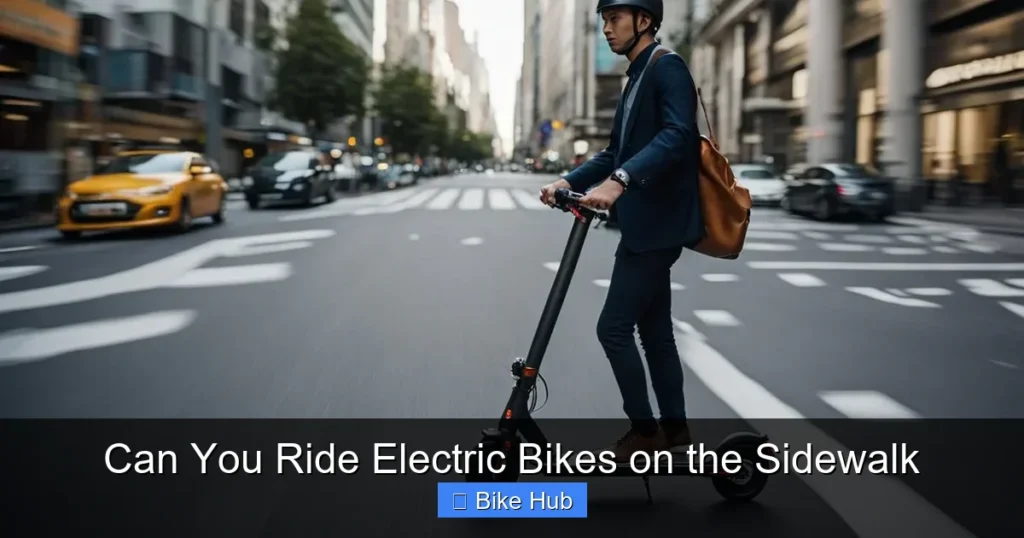
Whether you can ride an electric bike on the sidewalk depends on local laws, e-bike class, and speed. This guide breaks down regulations, safety tips, and best practices so you can ride confidently and legally in your area.
[FEATURED_IMAGE_PLACEHREEN_PLACEHOLDER]
Key Takeaways
- Check local laws first: Sidewalk riding rules for e-bikes vary by city, state, and country—always verify local regulations before riding.
- E-bike class matters: Class 1 and Class 2 e-bikes are more likely to be allowed on sidewalks than faster Class 3 models.
- Speed is critical: Most areas prohibit high-speed riding on sidewalks—keep your speed low and under control.
- Pedestrians come first: Always yield to walkers, ring a bell when passing, and ride slowly in crowded areas.
- Consider alternatives: Bike lanes, multi-use paths, and quiet streets are safer and often legally preferred over sidewalks.
- Wear safety gear: Helmets, lights, and reflective clothing improve visibility and protection, especially in mixed traffic zones.
- Know when to dismount: In busy downtown areas or near schools, walking your e-bike may be required or safer.
Can You Ride Electric Bikes on the Sidewalk?
If you’re new to electric bikes or just moved to a new city, you might be wondering: Can I ride my e-bike on the sidewalk? It’s a common question—and for good reason. Riding on the sidewalk can feel safer than mixing with car traffic, especially in busy urban areas. But the answer isn’t always simple.
The short version? It depends on where you live, what type of e-bike you have, and how fast you ride. Some cities allow it, others ban it outright, and many have specific rules based on speed, location, or e-bike classification.
In this guide, we’ll walk you through everything you need to know about riding electric bikes on sidewalks—from legal considerations and safety tips to practical alternatives. By the end, you’ll know exactly when (and how) it’s safe and legal to ride your e-bike on the sidewalk.
Step 1: Understand E-Bike Classifications

Visual guide about Can You Ride Electric Bikes on the Sidewalk
Image source: scootertrendz.com
Before checking local laws, it’s important to know what kind of electric bike you’re riding. In the U.S., e-bikes are divided into three classes based on speed and motor assistance:
Class 1: Pedal-Assist Only
- Motor kicks in only when you pedal
- Maximum assisted speed: 20 mph
- Most widely accepted on sidewalks and bike paths
Class 2: Throttle-Enabled
- Motor can propel the bike without pedaling
- Maximum speed: 20 mph
- Often allowed on sidewalks, but restrictions may apply
Class 3: Speed Pedelec
- Pedal-assist only, but up to 28 mph
- Rarely allowed on sidewalks due to higher speed
- Usually restricted to roads and bike lanes
Why this matters: Many cities only permit Class 1 and Class 2 e-bikes on sidewalks. Class 3 models are often treated like mopeds or motorcycles and may require registration or helmet laws.
Step 2: Check Your Local Laws
Visual guide about Can You Ride Electric Bikes on the Sidewalk
Image source: theeazyshop.com
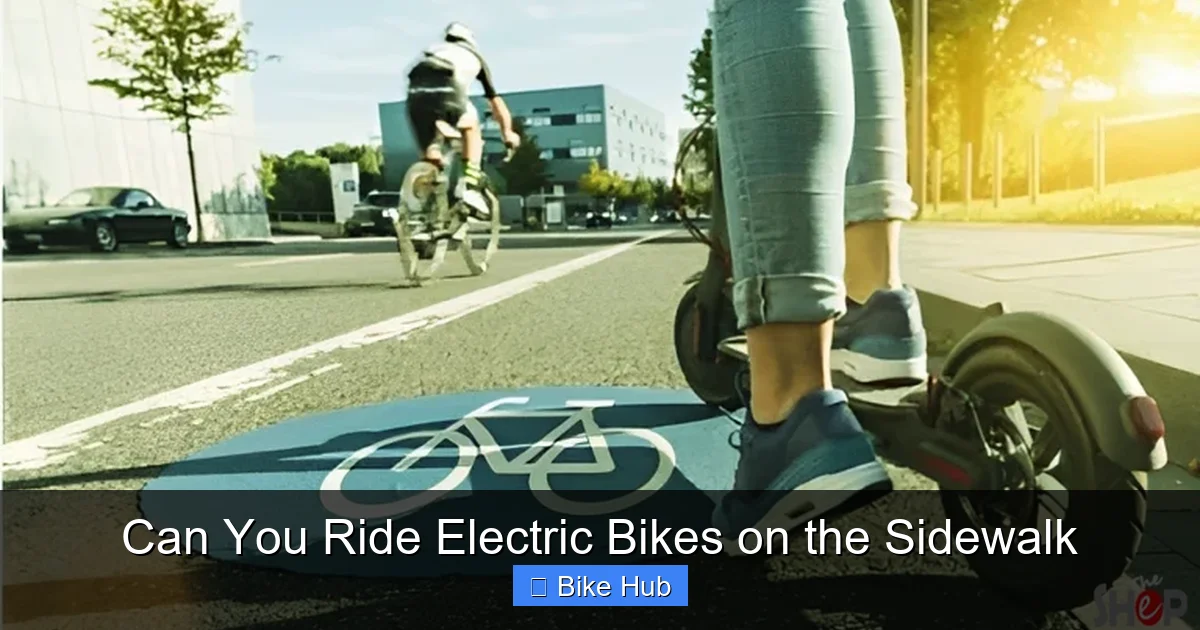
Laws vary widely by location. What’s legal in Portland, Oregon, might be illegal in New York City. Here’s how to find out:
Search Your City or State’s Transportation Website
Most city DOTs (Department of Transportation) publish e-bike regulations online. Look for terms like “micromobility,” “e-bike laws,” or “active transportation.”
Contact Local Authorities
Call your city’s transportation office or visit a local bike shop. Many shops keep up-to-date on local rules and can offer advice.
Examples of Local Rules
- New York City: E-bikes are allowed on streets and bike lanes but not on sidewalks. Fines can apply.
- Los Angeles: Class 1 and 2 e-bikes may be ridden on sidewalks in some areas, but not in business districts.
- Portland, OR: E-bikes are allowed on sidewalks unless posted otherwise, but riders must yield to pedestrians.
- Chicago: Sidewalk riding is prohibited for e-bikes over 20 mph or with throttles.
Pro Tip: Even if sidewalk riding is technically allowed, some neighborhoods or shopping districts may have additional restrictions. Always look for posted signs.
Step 3: Prioritize Safety and Courtesy
Even if it’s legal, riding an e-bike on the sidewalk can be risky—especially in crowded areas. Here’s how to stay safe and respectful:
Ride at Walking Speed
Most experts recommend keeping your speed under 6–8 mph on sidewalks. This gives you time to react to pedestrians, strollers, or pets.
Yield to Pedestrians
You’re a guest on the sidewalk. Always slow down, pass on the left, and give at least 3 feet of space. Use a bell or say “On your left!” when passing.
Use Lights and Reflectors
Even during the day, front and rear lights increase visibility. Consider how to install lights on a fat tire bike if you ride in low-light areas.
Watch for Driveways and Crosswalks
Cars pulling out of driveways may not see you. Slow down and make eye contact with drivers before crossing.
Dismount When Necessary
In busy downtown areas, near schools, or in shopping districts, it’s often safer—and sometimes required—to walk your e-bike.
Step 4: Consider Safer Alternatives
Sidewalks aren’t always the best place for e-bikes. Here are better options:
Use Bike Lanes
Protected bike lanes keep you separated from car traffic. They’re designed for bikes and e-bikes and are often faster and safer.
Try Multi-Use Paths
Paved trails in parks or along rivers are ideal for e-bikes. They’re usually wide, well-maintained, and shared with walkers and runners.
Ride on Quiet Streets
Low-traffic residential streets can be a great alternative. They’re often calmer than main roads and avoid sidewalk congestion.
Need help choosing the right e-bike for city riding? Check out our guide to the best electric bikes for city commuting for models built for urban environments.
Step 5: Know When to Avoid Sidewalks
There are times when riding on the sidewalk is a bad idea—even if it’s legal:
- In busy downtown areas: Too many pedestrians and obstacles.
- Near schools or playgrounds: Children may dart into the path unexpectedly.
- On narrow or uneven sidewalks: Cracks, grates, or slopes can cause accidents.
- When visibility is poor: At night or in bad weather, sidewalks can be slippery or poorly lit.
In these cases, it’s smarter to ride in the street—even if it feels intimidating at first. Use hand signals, stay visible, and ride predictably.
Troubleshooting Common Issues
“I got a ticket for riding on the sidewalk!”
Don’t panic. First, check if the law has changed or if you were in a restricted zone. Some cities have “no e-bike” zones in commercial areas. If you believe the ticket was unfair, you can often appeal it with proof of local regulations.
“Pedestrians complain when I ride past.”
This is a sign you may be going too fast or not yielding properly. Slow down, use your bell, and consider dismounting in high-traffic zones. A friendly “Thanks!” after passing can also go a long way.
“I’m not sure if my e-bike is Class 1, 2, or 3.”
Check the manufacturer’s website or the bike’s manual. You can also look for a label on the frame or motor. If you’re still unsure, contact the seller or a local bike shop.
“There are no bike lanes in my area.”
You’re not alone. Many cities lack proper infrastructure. In this case, riding on quiet streets or using multi-use paths is your best bet. Advocate for better bike lanes by contacting your city council or joining a local cycling group.
Conclusion
So, can you ride electric bikes on the sidewalk? The answer is: it depends—but safety should always come first. While some areas allow it under certain conditions, others ban it entirely. Your e-bike’s class, local laws, and riding behavior all play a role.
The best approach? Know your local rules, ride slowly and respectfully, and choose the safest route available. When in doubt, opt for bike lanes, trails, or quiet streets over crowded sidewalks.
And remember: just because you can ride on the sidewalk doesn’t always mean you should. Prioritizing safety and courtesy helps everyone share the road—and the path—peacefully.
For more tips on staying safe and legal, explore our guide to how to ride with reflective clothing and learn how to boost your visibility in traffic.
Whether you’re commuting to work or cruising around town, riding smart keeps you—and others—safe. Happy riding!



