
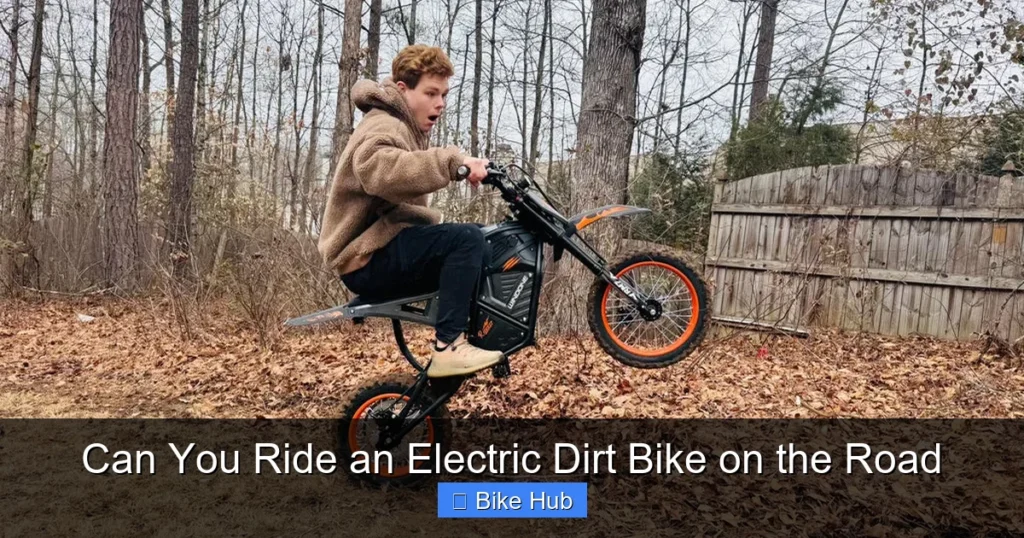
Riding an electric dirt bike on the road is possible—but only if it’s street-legal and meets local regulations. This guide covers everything from legal requirements and necessary modifications to safety gear and riding tips, so you can confidently navigate both trails and city streets.
Key Takeaways
- Check local laws first: Road legality varies by state and country—always verify regulations before riding on public roads.
- Street-legal features are essential: Your electric dirt bike must have headlights, taillights, turn signals, mirrors, and a horn to be road-legal in most areas.
- License and registration may be required: Many jurisdictions treat e-dirt bikes like motorcycles, requiring a valid license, registration, and insurance.
- Safety gear is non-negotiable: Always wear a DOT-approved helmet, gloves, protective clothing, and high-visibility gear when riding on roads.
- Not all electric dirt bikes are built for pavement: Off-road models may lack stability, braking power, or comfort for road use—choose wisely.
- Consider dual-purpose models: Bikes designed for both trail and road use offer better handling and compliance with street regulations.
- Practice safe road habits: Stay visible, follow traffic rules, and avoid high-speed zones until you’re confident in your bike’s road performance.
Can You Ride an Electric Dirt Bike on the Road?
If you’re wondering whether you can ride an electric dirt bike on the road, the short answer is: it depends. While electric dirt bikes are primarily designed for off-road adventures—think dirt trails, forest paths, and rugged terrain—some models can legally and safely operate on public roads. However, this isn’t as simple as just hopping on and heading to the nearest street. There are legal, mechanical, and safety considerations that every rider must understand.
In this guide, we’ll walk you through everything you need to know about riding an electric dirt bike on the road. You’ll learn how to determine if your bike is street-legal, what modifications might be necessary, which safety gear is essential, and how to ride responsibly in traffic. Whether you’re a weekend trail rider looking to commute or just curious about the possibilities, this guide will help you make informed decisions.
Step 1: Understand Local Laws and Regulations
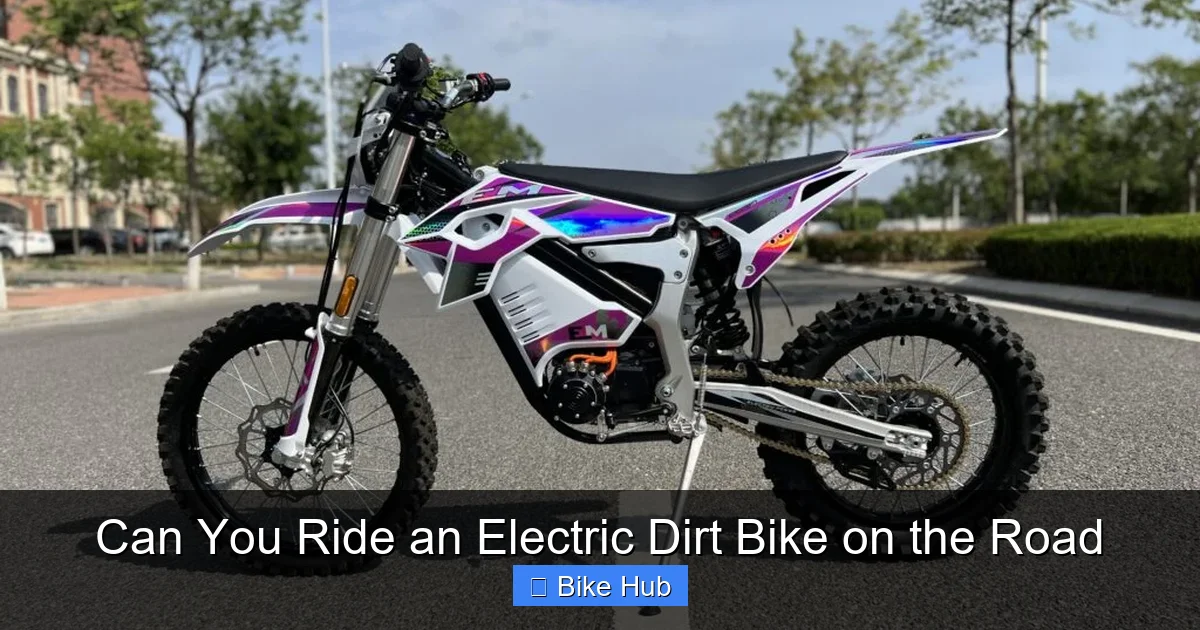
Visual guide about Can You Ride an Electric Dirt Bike on the Road
Image source: tyemoto.com
The most important step before riding any electric dirt bike on the road is to check your local laws. Regulations vary widely between countries, states, and even municipalities. In the U.S., for example, each state has its own rules regarding electric motorcycles and off-road vehicles.
Research Your State’s Vehicle Classification
Electric dirt bikes may fall under different categories: off-highway vehicles (OHVs), low-speed electric vehicles (LSVEs), or full motorcycles. Only those classified as street-legal motorcycles or LSVEs can typically be ridden on public roads.
For instance, California allows certain electric dirt bikes on roads if they meet specific requirements, while other states may prohibit them entirely unless registered and insured.
Look for DOT and EPA Compliance
Street-legal electric dirt bikes must often meet Department of Transportation (DOT) and Environmental Protection Agency (EPA) standards. These ensure the bike has proper lighting, emissions controls (if applicable), and safety features.
Tip: Visit your state’s Department of Motor Vehicles (DMV) website or contact them directly for the most accurate and up-to-date information.
Step 2: Ensure Your Electric Dirt Bike Is Street-Legal
Not all electric dirt bikes are built for road use. Even if your bike is powerful and fast, it may lack the necessary components to be legal on public streets.
Required Street-Legal Features
To be road-legal, your electric dirt bike should include:
- Headlight and taillight: Must be bright enough for visibility at night.
- Turn signals: Front and rear indicators are required in most states.
- Brake lights: Must activate when you apply the brakes.
- Mirrors: At least one rearview mirror is typically required.
- Horn: A functioning audible warning device.
- License plate mount and registration: You’ll need a place to display a license plate.
- Speedometer: Required in many jurisdictions to monitor speed.
If your bike doesn’t have these features, you may be able to add them through aftermarket kits. However, not all bikes can be easily modified—some are simply not designed for road use.
Consider a Dual-Purpose Electric Bike
If you want the flexibility of riding both on and off-road, consider purchasing a bike designed for both environments. Models like the Best Electric Bike For Road And Off Road are built with street-legal features and off-road capability in mind. These bikes often come with road-ready tires, suspension tuned for mixed terrain, and integrated lighting systems.
Step 3: Get Licensed, Registered, and Insured
Even if your electric dirt bike is street-legal, you may still need to register it and carry insurance—just like a motorcycle or scooter.
Obtain the Right License
In many places, riding a street-legal electric dirt bike requires a motorcycle endorsement or a standard driver’s license with a motorcycle permit. Check with your local DMV to see what’s required.
Register Your Bike
Registration typically involves providing proof of ownership, passing a safety inspection, and paying a fee. Some states also require VIN verification or emissions testing.
Get Insurance Coverage
Liability insurance is often mandatory. It protects you financially if you’re involved in an accident. Comprehensive and collision coverage are optional but recommended, especially for higher-value electric bikes.
Tip: Some insurance companies specialize in electric motorcycles and off-road vehicles—shop around for the best rates.
Step 4: Gear Up for Road Safety
Riding on public roads increases your exposure to traffic, higher speeds, and unpredictable conditions. Proper safety gear is essential.
Wear a DOT-Approved Helmet
This is non-negotiable. A full-face helmet that meets DOT standards offers the best protection in case of a fall or collision.
Use Protective Clothing
Wear abrasion-resistant jackets, pants, gloves, and boots. Look for gear with armor at the elbows, knees, and shoulders. High-visibility colors or reflective strips help other drivers see you, especially at night.
Install Additional Lighting
Even if your bike has basic lights, adding auxiliary LED lights or reflective tape can improve visibility. For tips on enhancing your bike’s lighting, check out our guide on How To Install Lights On A Fat Tire Bike.
Step 5: Practice Safe Riding Habits
Once your bike is legal and you’re properly geared up, it’s time to ride—safely.
Start in Low-Traffic Areas
Before hitting busy streets, practice in parking lots or quiet neighborhoods. Get comfortable with braking, turning, and signaling on pavement.
Follow Traffic Laws
Obey speed limits, stop signs, and traffic signals. Use hand signals if your bike doesn’t have turn indicators. Stay in the correct lane and avoid weaving between cars.
Stay Visible and Predictable
Ride where drivers can see you—avoid blind spots. Use your lights during the day, not just at night. Signal your intentions early and clearly.
Avoid High-Speed Roads
Most electric dirt bikes aren’t built for highway speeds. Stick to local roads with lower speed limits until you’re confident in your bike’s handling and your own skills.
For more on handling road challenges, read our tips on How To Ride A Road Bike In Windy Conditions—many principles apply to electric dirt bikes too.
Troubleshooting Common Issues
Problem: My bike isn’t street-legal out of the box.
Solution: Research aftermarket kits for lights, mirrors, and horns. Some manufacturers offer street-legal conversion packages. If modifications aren’t feasible, consider upgrading to a dual-purpose model.
Problem: I’m not sure if my state allows e-dirt bikes on roads.
Solution: Contact your local DMV or transportation authority. You can also consult online forums or local riding clubs for firsthand experiences.
Problem: My bike feels unstable on pavement.
Solution: Off-road tires and suspension may not perform well on smooth surfaces. Consider switching to hybrid or street-oriented tires for better grip and control.
Conclusion
So, can you ride an electric dirt bike on the road? Yes—but only if it’s street-legal, properly equipped, and used in compliance with local laws. While the thrill of off-road riding is unmatched, the ability to transition to city streets opens up new possibilities for commuting, exploration, and convenience.
By understanding the legal requirements, upgrading your bike where necessary, wearing the right gear, and practicing safe riding habits, you can enjoy the best of both worlds. Whether you’re cruising through downtown or hitting the trails on weekends, a street-legal electric dirt bike offers freedom, fun, and eco-friendly transportation.
Before you hit the road, do your homework, invest in safety, and choose a bike that fits your lifestyle. With the right preparation, your electric dirt bike can be a versatile ride for any terrain.



