
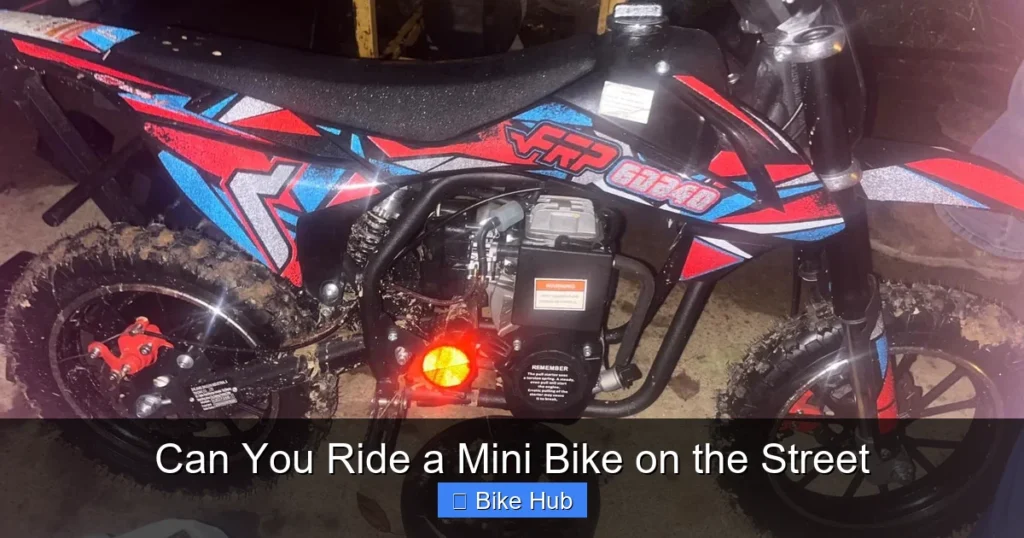
Riding a mini bike on the street isn’t always legal—it depends on your location, the bike’s specs, and local regulations. This guide breaks down everything you need to know to ride safely and legally, including registration, safety gear, and modifications.
Key Takeaways
- Check local laws first: Mini bike street legality varies by state, city, and even neighborhood—always verify with local authorities.
- Street-legal requirements matter: Most mini bikes need headlights, taillights, turn signals, mirrors, and a muffler to be legal on public roads.
- Registration and licensing may be required: Some areas treat mini bikes like motorcycles and require registration, insurance, and a valid driver’s license.
- Safety gear is non-negotiable: Always wear a DOT-approved helmet, gloves, and protective clothing—even if not legally required.
- Not all mini bikes are built for streets: Dirt-style mini bikes often lack the equipment needed for safe road use.
- Consider alternatives: If your mini bike isn’t street-legal, stick to private property, trails, or look into electric models designed for road use.
- Maintenance keeps you safe: Regularly check brakes, tires, lights, and engine to ensure your mini bike is road-ready.
Can You Ride a Mini Bike on the Street? A Complete How-To Guide
So, you’ve got a mini bike—maybe it’s a sleek pocket rocket or a rugged little dirt-style machine—and you’re wondering: Can I ride this on the street? The short answer? It depends. But don’t worry—we’re here to walk you through everything you need to know to ride legally, safely, and confidently.
In this guide, you’ll learn how to determine if your mini bike is street-legal, what modifications might be necessary, how to register it (if needed), and how to stay safe while riding. Whether you’re a weekend rider or planning daily commutes, this guide will help you navigate the rules and ride smart.
Step 1: Understand What Makes a Mini Bike Street-Legal
Not all mini bikes are created equal—and not all of them belong on public roads. The first step is understanding whether your mini bike meets the basic requirements to be considered street-legal.
In most U.S. states, a street-legal mini bike must meet the same standards as a motorcycle or moped, depending on engine size and speed. Here’s what typically qualifies:
Engine Size and Speed Limits
- Under 50cc: Often classified as a moped. These usually have speed limits (typically 30 mph or less) and may not require a full motorcycle license—but rules vary.
- 50cc to 250cc: Usually treated like motorcycles. These require registration, insurance, and a motorcycle endorsement in most states.
- Over 250cc: Rare in mini bikes, but if your bike falls here, it’s definitely subject to full motorcycle regulations.
Required Equipment
To be street-legal, your mini bike generally needs:
- Headlight and taillight: Must function and be visible at night.
- Brake lights: Activate when you use the rear brake.
- Turn signals: Front and rear, left and right.
- Mirrors: At least one rearview mirror (some states require two).
- Horn: Must be audible from a reasonable distance.
- Muffler: To reduce noise—many areas have strict decibel limits.
- Speedometer: Required in some states.
- License plate mount and light: So your plate is visible at night.
If your mini bike is missing any of these, it’s likely not street-legal in most areas.
Step 2: Check Your Local Laws
This is the most important step—and it’s easy to skip. Laws vary widely by state, county, and even city. What’s legal in Texas might be illegal in California.
How to Research Local Regulations
- Visit your state’s DMV website: Search for “motorcycle,” “moped,” or “off-highway vehicle” laws.
- Look for mini bike or pocket bike regulations: Some states specifically mention these smaller vehicles.
- Contact local law enforcement: A quick call to your city police non-emergency line can clarify local rules.
- Check homeowner association (HOA) rules: Even if it’s legal citywide, your HOA might ban mini bikes on streets or sidewalks.
For example, in New York, mini bikes are generally not allowed on public roads unless they’re fully registered motorcycles. In contrast, some rural areas in Arizona allow mini bikes on certain roads with minimal restrictions.
Step 3: Modify Your Mini Bike (If Needed)
If your mini bike isn’t street-ready, you may be able to modify it to meet legal standards. This is often called “converting” your mini bike to street-legal status.
Common Modifications
- Install lighting: Add headlights, taillights, and brake lights. Kits are available online. For help installing lights, check out our guide on how to install lights on a fat tire bike—many of the same principles apply.
- Add turn signals: These can be wired into the existing electrical system or use wireless kits.
- Mount mirrors: Attach bar-end or stem-mounted mirrors for rear visibility.
- Upgrade the exhaust: Install a quiet muffler to meet noise ordinances.
- Add a speedometer: Some mini bikes come without one, but it’s often required.
- Install a horn: A small electric horn can be mounted near the handlebars.
Keep in mind: Even with modifications, your mini bike may still not be legal if it doesn’t meet structural or safety standards (like frame strength or braking power).
Step 4: Register and Insure Your Mini Bike
If your mini bike meets all requirements, you may need to register it—just like a car or motorcycle.
Registration Process
- Visit your local DMV: Bring proof of ownership, ID, and any modification receipts.
- Pay registration fees: These vary by state and engine size.
- Get a license plate: You’ll need to mount it securely with a light.
- Obtain insurance: Required in most states for vehicles over 50cc. Liability coverage is typically the minimum.
Some states offer a “motor-driven cycle” classification for smaller bikes, which may have lower fees and simpler requirements than full motorcycles.
Step 5: Gear Up for Safety
Even if your mini bike is street-legal, safety should always come first. These small bikes can be fast and hard to see—so visibility and protection are key.
Essential Safety Gear
- Helmet: Must be DOT-approved. For tips on proper fit, read our guide on how to properly fit a bike helmet.
- Gloves: Protect your hands in case of a fall.
- Jacket and pants: Choose abrasion-resistant materials like leather or textile.
- Eye protection: Goggles or a face shield help keep debris out of your eyes.
- Bright or reflective clothing: Makes you more visible to cars, especially at night.
Additional Safety Tips
- Ride during daylight when possible: Visibility is better, and drivers are more alert.
- Use hand signals: Even if your bike has turn signals, hand signals add extra clarity.
- Avoid busy roads: Stick to low-traffic streets or bike lanes when available.
- Stay predictable: Don’t weave between cars or make sudden moves.
Step 6: Maintain Your Mini Bike
A well-maintained mini bike is a safe mini bike. Regular upkeep ensures your lights work, your brakes respond, and your engine runs smoothly.
Routine Maintenance Checklist
- Check tire pressure weekly: Underinflated tires reduce control and increase wear.
- Inspect brakes: Make sure pads aren’t worn and levers engage smoothly.
- Test all lights: Replace bulbs or recharge batteries as needed.
- Lubricate the chain: Keeps your drivetrain running efficiently.
- Check oil and fuel levels: Especially before long rides.
- Tighten bolts and fasteners: Vibrations can loosen parts over time.
For more detailed care, see our guide on how to maintain a road bike—many maintenance principles overlap.
Troubleshooting Common Issues
Even with preparation, you might run into problems. Here’s how to handle common ones:
My Mini Bike Isn’t Street-Legal—What Now?
If your bike can’t be modified to meet standards, don’t risk riding it on public roads. Instead:
- Ride on private property (with permission).
- Use designated off-road trails.
- Look into electric mini bikes designed for street use—like the best electric bike for adults on Amazon—which often come street-ready.
I Got Pulled Over—Now What?
If a police officer stops you:
- Stay calm and polite.
- Explain your bike’s modifications and registration status.
- If it’s not legal, accept the citation and use it as a learning experience.
My Lights Aren’t Working
Check fuses, wiring connections, and battery levels. If you’re unsure, consult an electrician or motorcycle mechanic.
Conclusion
So, can you ride a mini bike on the street? The answer is: maybe—but only if it’s street-legal, registered (if required), and you’re following all local laws. Don’t assume your mini bike is road-ready just because it runs. Take the time to research, modify, and prepare.
Riding a mini bike can be a fun and efficient way to get around—but safety and legality should always come first. With the right setup and mindset, you can enjoy the thrill of the ride without breaking the rules or risking your safety.
Whether you’re customizing your ride or just starting out, remember: the best riders are informed riders. Stay smart, stay visible, and keep your mini bike in top shape.



