
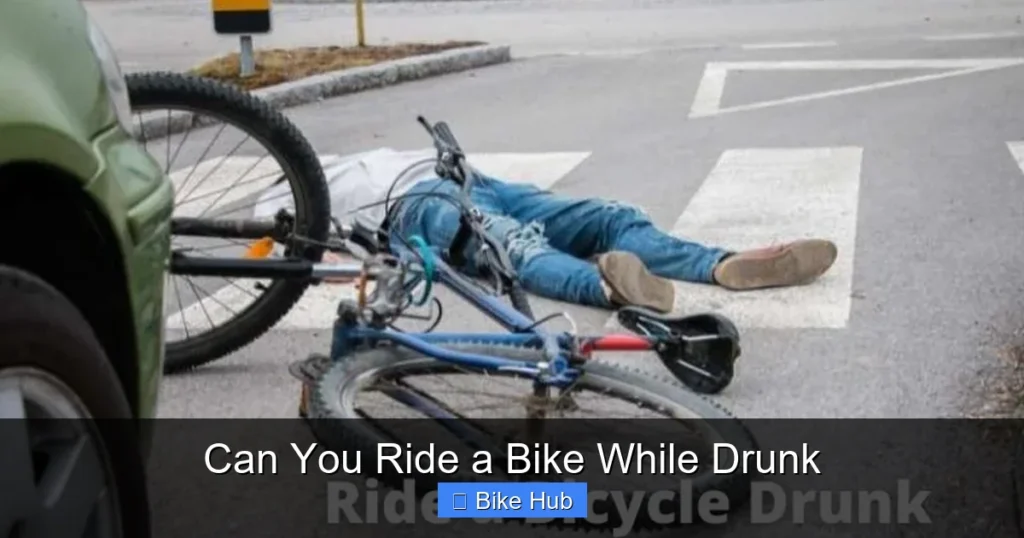
Riding a bike while drunk is not only dangerous but often illegal, depending on your location. This guide explains the risks, legal consequences, and practical alternatives to ensure you stay safe and avoid trouble. Always prioritize safety over convenience when alcohol is involved.
Key Takeaways
- Drinking impairs balance, coordination, and judgment: Alcohol slows reaction time and reduces spatial awareness, making bike handling far more dangerous.
- Bike DUI laws vary by region: In many places, riding a bicycle while intoxicated can result in fines, license points, or even arrest.
- Safer alternatives exist: Use public transit, rideshares, or walk with a sober friend instead of risking a drunk bike ride.
- Protective gear won’t save you from impairment: Helmets and lights help, but they can’t compensate for alcohol’s effects on your brain and body.
- Even low BAC levels increase crash risk: Studies show that even small amounts of alcohol significantly raise the chance of a biking accident.
- Plan ahead for social events: If you’ll be drinking, arrange a sober ride home before you leave home.
- Educate others: Share this information with friends and family to promote responsible biking habits.
Can You Ride a Bike While Drunk? A Complete Safety and Legal Guide
You’ve had a few drinks at a friend’s barbecue or a local pub, and now you’re thinking about hopping on your bike to ride home. It seems harmless—after all, it’s just a bicycle, right? No engine, no license required. But before you pedal away, it’s crucial to understand the real risks and consequences of riding a bike while drunk.
In this guide, we’ll break down everything you need to know: the physical effects of alcohol on bike handling, the legal landscape across different regions, real-world dangers, and—most importantly—safer alternatives. Whether you’re a casual rider or a daily commuter, this information could save you from injury, fines, or worse.
Why Riding a Bike Drunk Is Dangerous
Alcohol affects your body in ways that directly interfere with safe biking. Even if you feel “fine,” your brain and muscles aren’t functioning at full capacity.
Impaired Balance and Coordination
Biking requires constant micro-adjustments to stay upright and navigate turns. Alcohol disrupts your vestibular system—the part of your inner ear that helps with balance. This makes it harder to maintain stability, especially at low speeds or when stopping suddenly.

Visual guide about Can You Ride a Bike While Drunk
Image source: thelist.com
Slowed Reaction Time
When a car pulls out unexpectedly or a pedestrian steps into the bike lane, you need to react fast. Alcohol slows your nervous system, delaying your ability to brake, swerve, or signal. What might seem like a split-second decision when sober could take twice as long when impaired.
Poor Judgment and Risk-Taking
Alcohol lowers inhibitions and clouds judgment. You might overestimate your abilities, ignore traffic signals, or take risky shortcuts. This increases the chance of collisions with vehicles, pedestrians, or obstacles.
Reduced Night Vision
If you’re riding after dark—common after social events—alcohol further reduces your ability to see clearly in low light. Combined with poor depth perception, this makes nighttime biking尤其危险 (especially dangerous).
The Legal Side: Is It Illegal to Ride a Bike Drunk?
This is where things get complicated. Unlike driving a car, biking under the influence isn’t universally treated the same way—but that doesn’t mean it’s legal everywhere.
United States Laws Vary by State
In most states, there is no specific law against riding a bicycle while intoxicated. However, many jurisdictions apply general impairment laws or disorderly conduct statutes to drunk cyclists. For example:

Visual guide about Can You Ride a Bike While Drunk
Image source: shunauto.com
- California: No DUI for bikes, but you can be cited for reckless riding or public intoxication.
- Texas: Bicyclists can be charged with DUI if operating a bike on a public roadway while impaired.
- New York: No bike-specific DUI, but police can issue tickets for endangering others or disorderly conduct.
Even in states without explicit laws, officers may detain you if you appear unsafe or disruptive.
International Perspectives
In countries like Germany and the UK, cycling under the influence can result in fines or license penalties—even though bikes don’t require licenses. In Japan, drunk biking is strictly prohibited and can lead to heavy fines or imprisonment.
Consequences Beyond Fines
Getting caught riding drunk can affect more than your wallet. It may impact your driving record, insurance rates, or even employment if your job involves transportation or public safety.
Real Risks: What Happens When You Ride Drunk?
Let’s look at the facts. According to the National Highway Traffic Safety Administration (NHTSA), alcohol is a factor in nearly 30% of all bicycle fatalities. That’s not just because of cars—many crashes happen due to loss of control, falling, or riding off the path.
Increased Fall Risk
Even on flat, familiar routes, impaired riders are more likely to lose balance, especially when starting from a stop or navigating curbs. A simple wobble can turn into a serious fall, resulting in broken bones, head injuries, or road rash.
Higher Likelihood of Collisions
Drunk cyclists are less predictable. They may swerve into traffic, ignore stop signs, or fail to yield. Drivers often don’t expect erratic behavior from bikes, so they don’t react in time.
Delayed Emergency Response
If you’re injured in a crash while intoxicated, bystanders or first responders may hesitate to help, assuming you’re simply drunk and not seriously hurt. This delay can be life-threatening.
Safer Alternatives to Drunk Biking
The good news? There are plenty of smart, responsible ways to get home without risking your safety or breaking the law.
Use Public Transportation
Many cities offer late-night bus or train services. Some even have bike racks on buses, so you can take your bike with you. Check your local transit schedule in advance.
Call a Rideshare or Taxi
Uber, Lyft, or local taxis are affordable and reliable. You can often request a vehicle that accommodates bikes, or simply leave your bike secured at the event location and pick it up the next day.
Walk with a Sober Friend
If the distance is short and the route is safe, walking with a friend is a great option. It’s low-risk and gives you time to sober up. Just make sure to wear reflective clothing and stay visible.
Leave Your Bike and Retrieve It Later
Lock your bike securely using a high-quality U-lock or chain. Choose a well-lit, public area near security cameras. Most bike thefts happen in isolated spots, so visibility is key. For tips on secure locking, check out our guide on how to lock your bike to a rack.
Plan Ahead
The best strategy is prevention. If you know you’ll be drinking, arrange your return trip before you leave home. Tell a friend, set a reminder, or use a rideshare app in advance.
Troubleshooting Common Scenarios
Even with the best intentions, situations arise. Here’s how to handle them safely.
“I Only Had One Drink—Am I Okay to Ride?”
Not necessarily. Even a blood alcohol concentration (BAC) of 0.02%—well below the legal driving limit—can impair coordination and judgment. Factors like body weight, food intake, and tolerance vary widely. When in doubt, don’t ride.
“My Bike Is My Only Way Home”
If you rely on your bike for transportation, consider investing in a folding bike or portable bike lock that you can carry on public transit. Alternatively, look into bike-sharing programs that allow you to drop off bikes at designated stations.
“It’s Just a Short Ride—No One Will Notice”
Short distances can be deceiving. Most bike crashes happen within a mile of home. Overconfidence is a major risk factor. Always choose safety over convenience.
How to Stay Safe When Riding Sober
If you’re biking while sober—especially at night or in traffic—take these precautions to reduce risk:
- Wear a properly fitted helmet: Protect your head in case of a fall. Learn how to fit one correctly with our guide on how to properly fit a bike helmet.
- Use front and rear lights: Make yourself visible to drivers. For installation tips, see our article on how to install lights on a fat tire bike.
- Follow traffic rules: Ride with traffic, signal turns, and obey stop signs.
- Stay alert: Avoid headphones and phone use while riding.
Conclusion
So, can you ride a bike while drunk? Technically, maybe—but should you? Absolutely not. The risks far outweigh the convenience. Alcohol impairs your ability to ride safely, and in many places, it’s illegal or can lead to serious consequences.
Instead, plan ahead. Use public transit, call a ride, walk with a friend, or leave your bike and pick it up later. Your safety, your health, and your freedom are worth the extra effort.
Remember: just because you *can* do something doesn’t mean you *should*. Make smart choices, protect yourself and others, and keep biking a joyful, safe part of your life.



