
Riding a bike doesn’t directly cause hemorrhoids, but improper technique, poor bike fit, or long rides can increase pressure on sensitive areas and contribute to their development. This guide explains how to prevent discomfort and stay healthy while cycling.
Key Takeaways
- Prolonged pressure on the perineum from bike seats can irritate blood vessels and increase hemorrhoid risk.
- Choosing the right saddle and adjusting your bike fit significantly reduces discomfort.
- Taking regular breaks and shifting your position while riding helps relieve pressure.
- Staying hydrated and eating fiber-rich foods supports digestive health and prevents straining.
- Wearing padded cycling shorts and using lubricants can minimize friction and chafing.
- If you already have hemorrhoids, modifying your riding habits and consulting a doctor is essential.
- Regular bike maintenance, like checking tire pressure, ensures a smoother, more comfortable ride.
Can Riding a Bike Cause Hemorrhoids? A Complete Guide to Comfort and Prevention
If you love cycling but worry about discomfort “down there,” you’re not alone. Many riders—especially those new to long-distance or intense rides—ask: Can riding a bike cause hemorrhoids? The short answer is: not directly, but certain cycling habits can increase your risk. The good news? With the right knowledge and adjustments, you can enjoy every ride without pain or worry.
In this guide, you’ll learn how cycling affects your pelvic area, what factors contribute to hemorrhoid development, and—most importantly—how to prevent them. Whether you’re commuting to work, training for a race, or enjoying weekend trail rides, these practical tips will help you ride smarter, safer, and more comfortably.
Understanding Hemorrhoids and Cycling

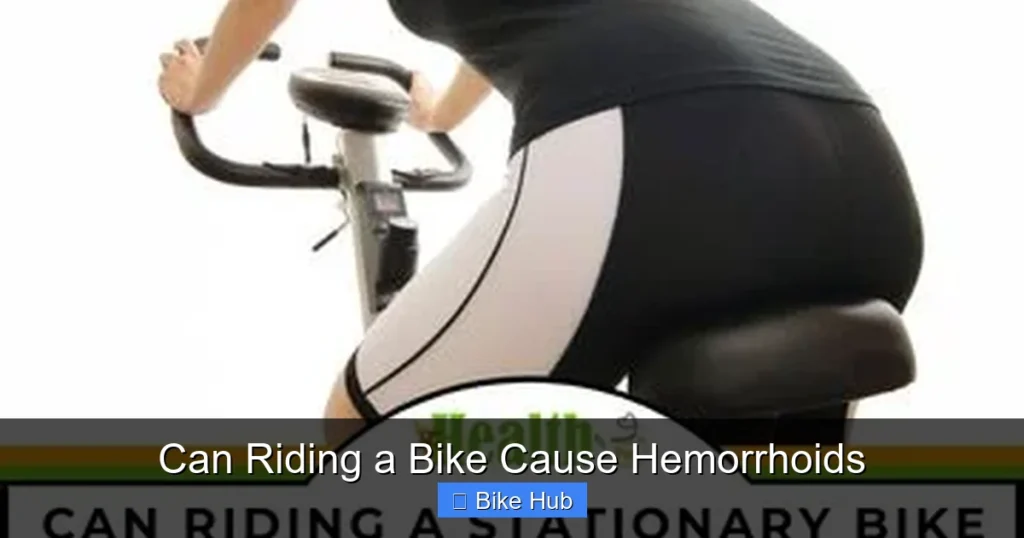
Visual guide about Can Riding a Bike Cause Hemorrhoids
Image source: shunauto.com
Hemorrhoids are swollen veins in the lower rectum or around the anus. They can be internal (inside the rectum) or external (under the skin around the anus). Common symptoms include itching, pain, swelling, and sometimes bleeding during bowel movements.
While hemorrhoids are often linked to straining during bowel movements, pregnancy, or prolonged sitting, cycling can play a role in aggravating or contributing to their development—especially if you’re not using proper form or equipment.
The main issue isn’t the act of pedaling itself, but the pressure exerted on the perineum—the area between the anus and genitals. When you sit on a bike saddle for long periods, this pressure can reduce blood flow and irritate delicate tissues, potentially leading to swelling or inflammation.
How Bike Fit Affects Hemorrhoid Risk
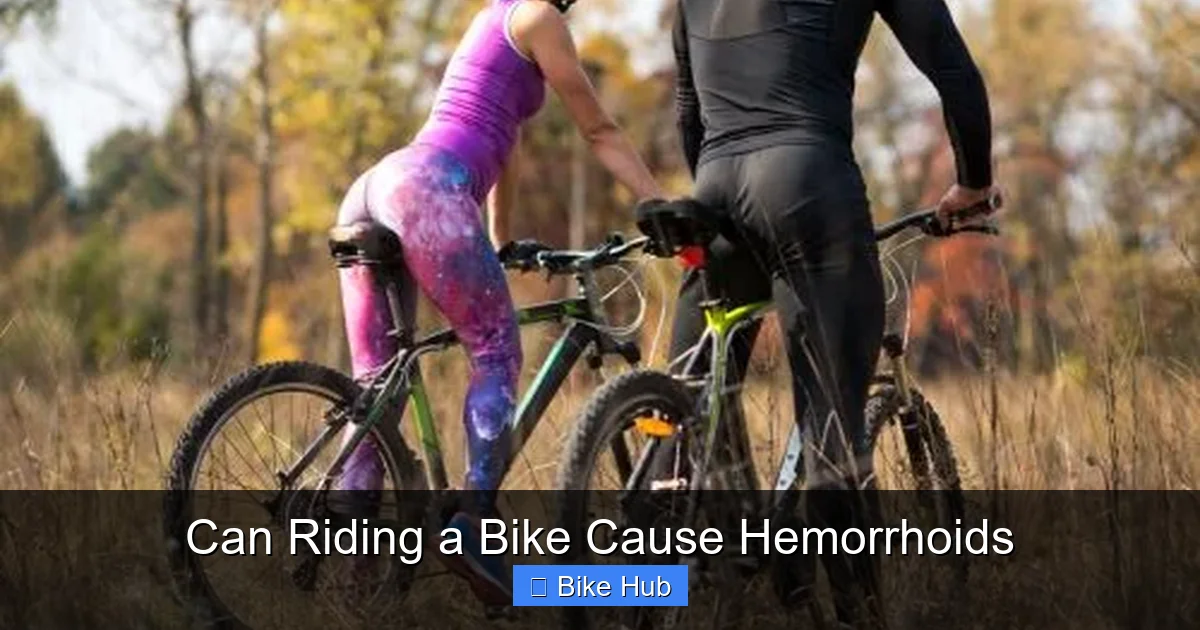
Visual guide about Can Riding a Bike Cause Hemorrhoids
Image source: thehealthpot.com
One of the biggest factors in preventing discomfort is ensuring your bike fits you properly. A poorly fitted bike forces you into awkward positions, increasing pressure on sensitive areas.
Check Your Saddle Height
If your saddle is too low, you’ll rock side to side while pedaling, which increases friction and pressure. If it’s too high, you’ll overextend your legs, causing strain. Adjust your saddle so that when your foot is at the bottom of the pedal stroke, your leg is almost fully extended with a slight bend in the knee.
Adjust Saddle Angle and Position
A saddle tilted too far forward can push your body weight onto the perineum. Ideally, the saddle should be level or slightly tilted down at the front. You can also slide the saddle forward or backward to shift your weight distribution.
Choose the Right Saddle
Not all saddles are created equal. Look for one with a cutout or groove in the center to relieve pressure on the perineum. Wider saddles may be more comfortable for recreational riders, while narrower ones suit aggressive racing positions. Consider trying a few different styles—many bike shops offer demo programs.
For long rides, especially on rough terrain, consider a suspension seatpost or a gel cover to absorb shocks. If you’re preparing for extended cycling adventures, check out our guide on how to prepare a mountain bike for long rides for more comfort tips.
Preventing Hemorrhoids While Cycling
Now that you understand the risks, let’s focus on prevention. These steps will help you stay comfortable and reduce your chances of developing hemorrhoids.
Take Regular Breaks
Even on short rides, shift your position every 10–15 minutes. Stand on the pedals for a few seconds, rock side to side, or sit back on the rear of the saddle. On longer rides, plan stops every 30–60 minutes to stretch and relieve pressure.
Wear Padded Cycling Shorts
Invest in a good pair of bib shorts or padded cycling shorts. The chamois (padding) reduces friction and absorbs moisture, keeping your skin dry and protected. Avoid wearing underwear beneath them—it can bunch up and cause chafing.
Use Anti-Chafe Creams
Apply a water-based lubricant like chamois cream to areas prone to friction. This reduces irritation and prevents skin breakdown. Reapply during long rides if needed.
Stay Hydrated and Eat Fiber
Dehydration and low-fiber diets can lead to constipation and straining—major triggers for hemorrhoids. Drink plenty of water before, during, and after rides. Include fruits, vegetables, whole grains, and legumes in your diet to keep digestion smooth.
Maintain Proper Tire Pressure
Underinflated tires create a rougher ride, increasing vibrations and pressure on your body. Check your tire pressure before every ride using a reliable pump. For guidance, see our mountain bike tire pressure guide, which includes recommendations for different terrains and rider weights.
What to Do If You Already Have Hemorrhoids
If you’re already dealing with hemorrhoids, don’t panic—many cyclists manage them successfully. However, you may need to adjust your riding habits temporarily.
Reduce Ride Duration and Intensity
Avoid long or intense rides until symptoms improve. Short, gentle rides on smooth surfaces are less likely to aggravate the area.
Use a Donut Cushion or Specialized Saddle
A donut-shaped cushion or a saddle designed for hemorrhoid sufferers can help distribute weight away from the affected area. These are widely available online or at medical supply stores.
Apply Cold Compresses and Over-the-Counter Treatments
Use ice packs to reduce swelling and apply hemorrhoid creams or witch hazel pads for relief. Avoid sitting for long periods off the bike as well.
Consult a Doctor if Symptoms Persist
If pain, bleeding, or swelling doesn’t improve within a week or two, see a healthcare provider. In rare cases, medical treatment or minor procedures may be needed.
Troubleshooting Common Cycling Discomfort
Even with the best precautions, some riders still experience discomfort. Here’s how to address common issues:
Numbness in the Genital Area
This is a sign of excessive pressure on nerves. Try a different saddle, adjust your position, or take more frequent breaks. If numbness persists, consult a doctor—it could indicate a more serious condition.
Skin Irritation or Sores
Chafing often results from poor hygiene, ill-fitting clothing, or lack of lubrication. Shower after rides, wear clean shorts, and use anti-chafe products. Avoid cotton clothing, which retains moisture.
Lower Back or Hip Pain
This may indicate a bike fit issue. Check your handlebar height and reach. If your back is overly curved or stretched, adjust the stem or consider a professional bike fitting.
Long-Term Habits for Healthy Cycling
Prevention is an ongoing process. Make these habits part of your routine:
- Stretch before and after rides to improve flexibility and circulation.
- Strengthen your core and glutes to support better posture on the bike.
- Rotate between different bikes or saddles if you ride frequently.
- Keep your bike well-maintained—a smooth ride reduces jolts and vibrations. For tips, read our guide on how to maintain a road bike.
Conclusion
So, can riding a bike cause hemorrhoids? While cycling isn’t a direct cause, it can contribute to their development through prolonged pressure, poor bike fit, or inadequate self-care. The key is awareness and prevention.
By choosing the right saddle, maintaining proper bike fit, taking breaks, and supporting your overall health, you can enjoy cycling without discomfort. Remember: comfort isn’t a luxury—it’s essential for long-term enjoyment and performance.
Whether you’re commuting, racing, or exploring trails, your body will thank you for riding smart. Stay safe, stay comfortable, and keep pedaling!



