
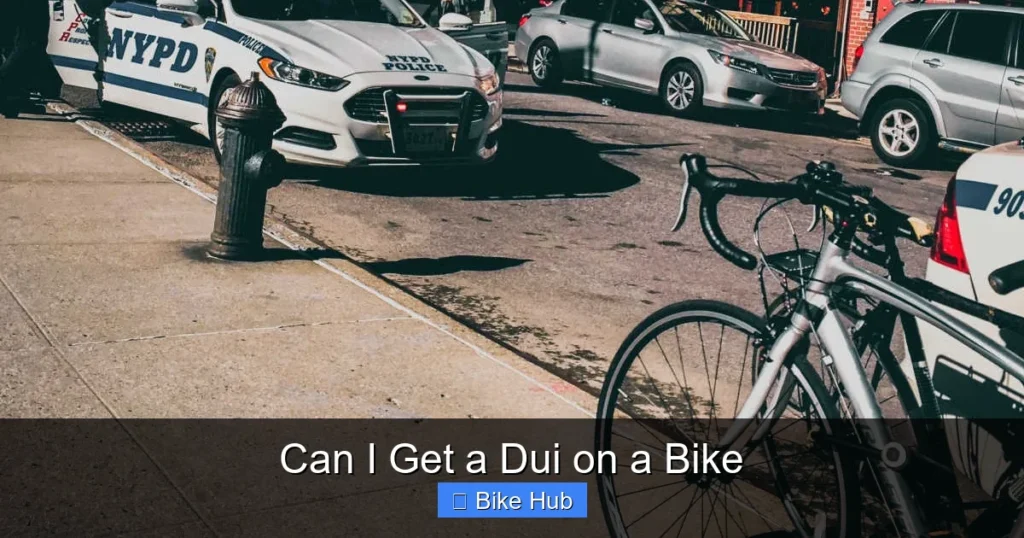
Yes, you can get a DUI on a bike in many states and countries, depending on local laws and whether your bicycle is motorized. This guide explains the legal landscape, penalties, and how to stay safe and lawful while riding.
Key Takeaways
- Legal status varies by location: Some states treat bicycles like motor vehicles for DUI purposes, while others do not.
- Electric bikes increase risk: E-bikes, especially Class 3 models, are more likely to be classified as motor vehicles and subject to DUI laws.
- Penalties can still apply: Even if not a full DUI, you may face fines, license suspension, or criminal charges for impaired cycling.
- Public safety matters: Riding under the influence endangers you and others, regardless of legal consequences.
- Prevention is key: Plan ahead with sober transportation, use bike lights for visibility, and avoid alcohol before riding.
- Know your local laws: Always check state or country-specific regulations before riding after drinking.
- Use safety gear: Helmets, lights, and reflective clothing reduce accident risk and improve visibility, especially at night.
Can I Get a DUI on a Bike? A Complete Guide to Cycling and Alcohol Laws
If you’ve ever enjoyed a cold beer at a summer barbecue and then hopped on your bike to ride home, you might wonder: Can I get a DUI on a bike? It’s a common question—and the answer isn’t always straightforward. While bicycles aren’t motor vehicles, many jurisdictions still impose penalties for riding under the influence of alcohol or drugs. This guide will walk you through the legal realities, safety concerns, and practical steps to avoid trouble while enjoying your ride.
Whether you’re commuting to work, cruising through the park, or tackling mountain trails, understanding the rules around impaired cycling is essential. Let’s dive into what you need to know to stay safe, legal, and in control.
Understanding DUI Laws and Bicycles

Visual guide about Can I Get a Dui on a Bike
Image source: findrecovery.com
DUI (Driving Under the Influence) laws are designed to prevent impaired operation of vehicles. But where do bicycles fit in? The answer depends heavily on where you live.
In the United States, most states do not classify traditional bicycles as motor vehicles, meaning a standard DUI charge doesn’t typically apply. However, that doesn’t mean you’re off the hook. Many states have separate laws that penalize riding a bicycle while intoxicated. These may include fines, community service, or even jail time in extreme cases.
For example, in California, you can’t be charged with a DUI on a regular bike, but you can be cited for reckless riding or public intoxication. In contrast, states like Alaska and Wisconsin treat bicycles similarly to motor vehicles under certain conditions, especially if the rider poses a danger to others.
Electric Bikes and Legal Gray Areas
The rise of e-bikes has complicated the issue. Electric bicycles, particularly Class 2 and Class 3 models with higher speed capabilities, are increasingly seen as motorized vehicles. In some states, riding an e-bike under the influence can result in a DUI charge—especially if the bike has a motor over 750 watts or can reach speeds above 20 mph.
Always check your local regulations. If your e-bike is classified as a moped or motorcycle equivalent, standard DUI laws may apply. This is especially true in urban areas with strict traffic enforcement.
Penalties for Impaired Cycling

Visual guide about Can I Get a Dui on a Bike
Image source: leyba-defense.com
Even if you don’t face a traditional DUI, the consequences of riding a bike while intoxicated can be serious.
Common Penalties Include:
- Fines: Ranging from $50 to $1,000, depending on the jurisdiction and severity.
- License suspension: In some states, your driver’s license can be suspended even if you were on a bike.
- Criminal charges: Repeat offenders or those involved in accidents may face misdemeanor or felony charges.
- Community service or alcohol education programs: Often required for first-time offenders.
- Impoundment of the bicycle: Rare, but possible in extreme cases.
For example, in New York, cycling while intoxicated is a violation punishable by a fine up to $250. In Colorado, you can be charged with a class 2 misdemeanor, which carries heavier penalties.
Real-Life Example
In 2022, a cyclist in Portland, Oregon, was arrested after colliding with a pedestrian while riding an e-bike under the influence. Though not charged with a DUI, he faced charges of reckless endangerment and was fined $500. The incident highlights how impaired cycling can lead to legal trouble even without a motor vehicle.
How Alcohol Affects Your Riding Ability
You might think, “I’m just on a bike—how bad can it be?” But alcohol impairs your balance, coordination, reaction time, and judgment—all critical for safe cycling.
Effects of Alcohol on Cycling Performance
- Reduced balance: Alcohol affects the inner ear and brain, making it harder to stay upright.
- Slowed reflexes: You may not react quickly to cars, potholes, or pedestrians.
- Poor decision-making: You’re more likely to take risks, like running red lights or riding on sidewalks.
- Decreased night vision: This increases the risk of accidents after dark.
Even one drink can impair your ability to ride safely. And unlike driving a car, there’s no airbag or seatbelt to protect you in a crash. A fall from a bike at just 15 mph can result in serious injury.
How to Stay Safe and Legal
The best way to avoid a DUI—or any cycling-related legal issue—is to plan ahead. Here’s how:
1. Choose Sober Transportation
If you’ve been drinking, don’t ride your bike. Use a rideshare, public transit, or call a friend. Many cities offer free or discounted sober ride programs during holidays and festivals.
2. Use Proper Lighting and Gear
If you must ride at night, ensure your bike is equipped with front and rear lights. This not only keeps you safe but also helps law enforcement see you clearly. For tips on setting up reliable lighting, check out our guide on how to install lights on a fat tire bike.
3. Wear a Helmet
A properly fitted helmet can prevent serious head injuries. Learn how to secure it correctly with our guide on how to properly fit a bike helmet.
4. Know Your Route
Stick to bike lanes and low-traffic roads. Avoid busy intersections and highways. Planning your route in advance reduces stress and the temptation to make risky decisions.
5. Stay Visible
Wear bright or reflective clothing, especially at night. Consider adding reflective tape to your bike frame or helmet.
Troubleshooting Common Issues
What If I’m Pulled Over?
If a police officer stops you while riding, stay calm. You have the right to ask why you’re being stopped. If you’re sober, explain your situation politely. If you’ve been drinking, it’s best not to argue—cooperation is key.
What If I’m in an Accident?
If you’re involved in a crash, especially with a pedestrian or vehicle, call 911 immediately. Leaving the scene can lead to hit-and-run charges, even on a bike. Exchange information and wait for authorities.
What If My Bike Is Damaged?
If your bike is damaged in an incident, assess the frame and components. For minor issues like a flat tire, follow our step-by-step guide on how to repair a flat bike tire. For major damage, consider professional inspection.
Conclusion
So, can you get a DUI on a bike? The short answer is: it depends. While traditional bicycles aren’t typically subject to DUI laws, many places impose penalties for impaired cycling—especially on e-bikes or in cases involving accidents or public endangerment.
The bottom line? Don’t risk it. Alcohol and cycling don’t mix. Plan ahead, stay sober, and prioritize safety. Your health, freedom, and bike are worth it.
By understanding the laws, recognizing the risks, and taking simple precautions, you can enjoy every ride with confidence and peace of mind.



