
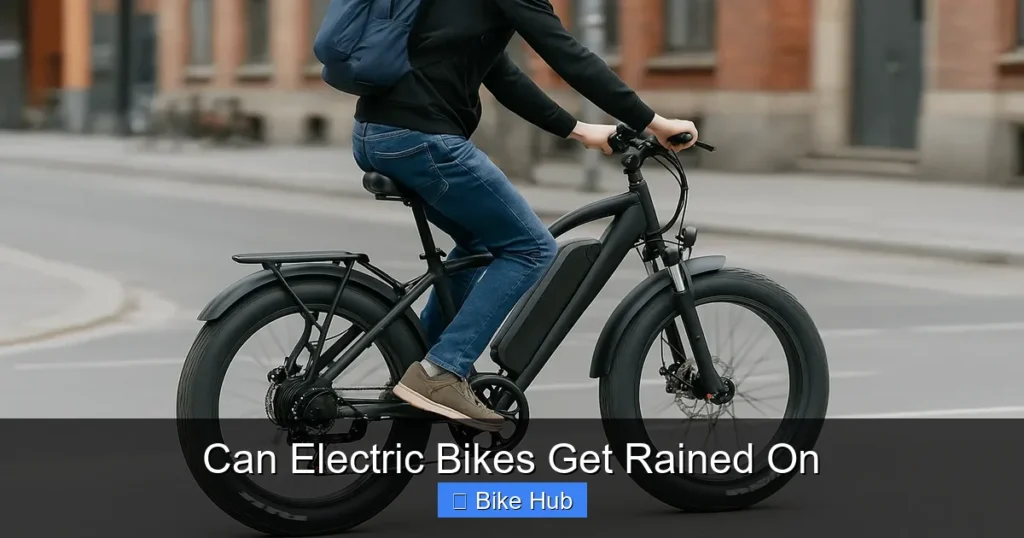
Yes, electric bikes can get rained on—but with proper care, they’ll stay safe and functional. This guide covers waterproofing tips, post-ride maintenance, and how to choose rain-ready e-bikes for all-weather riding.
Key Takeaways
- Most e-bikes are water-resistant, not waterproof: They can handle light rain but aren’t built for heavy downpours or submersion.
- Protect the battery and motor: These are the most vulnerable parts—keep them dry and inspect seals regularly.
- Use fenders and mudguards: They prevent water spray from damaging components and keep you cleaner.
- Ride cautiously in wet conditions: Reduce speed, avoid deep puddles, and brake earlier to maintain control.
- Clean and dry your e-bike after rain: Wipe down parts, lubricate the chain, and check for corrosion.
- Choose an IP-rated e-bike: Look for models with IP54 or higher for better water protection.
- Store indoors when possible: Long-term exposure to moisture can shorten your e-bike’s lifespan.
Can Electric Bikes Get Rained On? A Complete Guide to Riding and Protecting Your E-Bike in Wet Weather
If you’re an electric bike owner, you’ve probably wondered: Can electric bikes get rained on? The short answer is yes—most e-bikes can handle a little rain. But like any electronic device, they’re not invincible. Water exposure can damage sensitive components like the battery, motor, and wiring if you’re not careful.
In this guide, we’ll walk you through everything you need to know about riding your e-bike in the rain, how to protect it from water damage, and what to do after a wet ride. Whether you’re commuting through a spring shower or caught in a summer storm, these tips will help keep your bike running smoothly and safely.
Understanding Your E-Bike’s Water Resistance
Visual guide about Can Electric Bikes Get Rained On
Image source: cnsinolift.com
Not all electric bikes are created equal when it comes to water protection. Most modern e-bikes come with some level of water resistance, but very few are fully waterproof. The key is understanding your bike’s IP rating.
What Is an IP Rating?
IP stands for “Ingress Protection.” It’s a two-digit code that tells you how well your e-bike resists dust and water. The first digit rates dust protection (0–6), and the second digit rates water resistance (0–9).
For example:
– IP54: Protected against limited dust and water spray from any direction. Safe for light rain.
– IP65: Dust-tight and protected against low-pressure water jets. Better for moderate rain.
– IP67: Can withstand temporary immersion in water up to 1 meter deep. Rare in e-bikes but ideal for extreme conditions.
Most commuter e-bikes fall between IP54 and IP65. That means they can handle splashes and light rain, but you shouldn’t ride through flooded streets or leave them out in a thunderstorm.
Check Your Manufacturer’s Guidelines
Always refer to your e-bike’s manual. Some brands, like those featured in our guide to the best electric bikes for commuting, clearly state weather limitations. Ignoring these can void your warranty.
How to Ride Your E-Bike Safely in the Rain
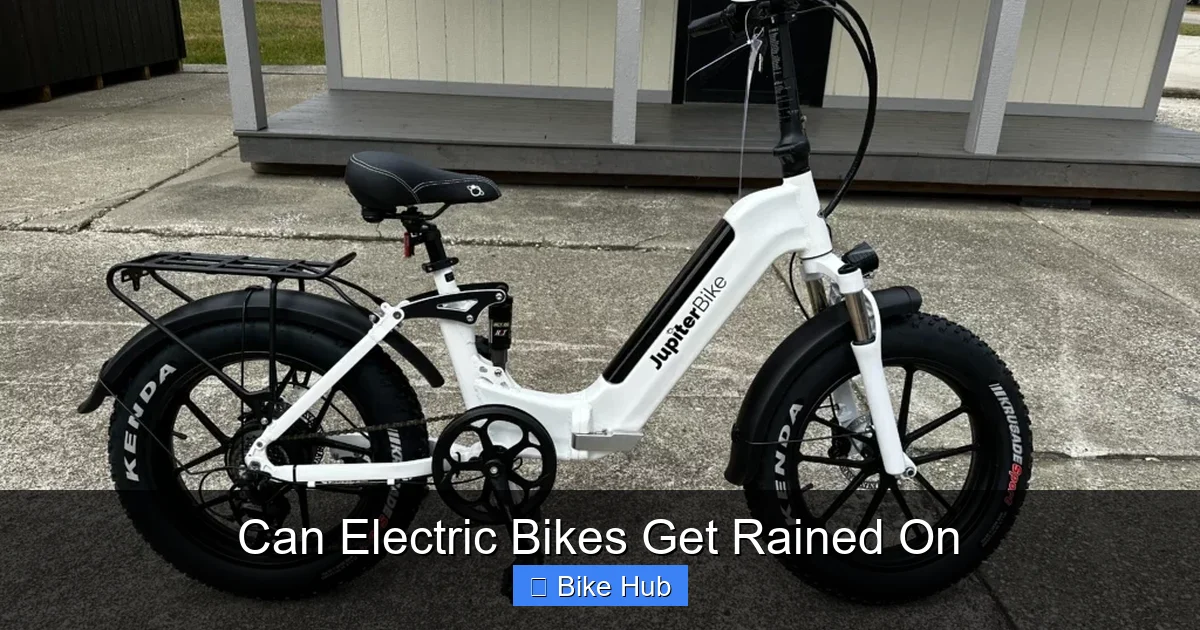
Visual guide about Can Electric Bikes Get Rained On
Image source: hartvillegolfcarts.com
Riding in wet conditions requires extra caution. Slippery roads, reduced visibility, and hidden potholes make rainy rides more dangerous. Here’s how to stay safe.
Slow Down and Increase Following Distance
Wet roads reduce tire grip. Braking distances can double in the rain. Ride slower than usual and leave more space between you and other vehicles.
Avoid Deep Puddles and Standing Water
Puddles may hide debris, potholes, or manhole covers. More importantly, deep water can reach your motor or battery compartment, causing short circuits. If you must ride through water, go slowly and check your bike afterward.
Use Lights and Reflective Gear
Rain reduces visibility for both you and drivers. Turn on your front and rear lights—even during the day. Wear bright or reflective clothing to stay seen.
Watch Out for Slippery Surfaces
Metal surfaces like manhole covers, train tracks, and painted road markings become extremely slippery when wet. Cross them at a right angle and avoid sudden turns.
For more tips on safe riding in tricky conditions, check out our article on how to cycle safely on slippery bridges.
Protecting Your E-Bike from Water Damage
Even if your e-bike can handle a little rain, prevention is better than repair. Here’s how to keep it dry and functional.
Install Fenders and Mudguards
Fenders are one of the best upgrades you can make for wet-weather riding. They block water and mud from spraying onto your bike and body. Most e-bikes can accommodate standard fenders, but fat-tire models may need wider ones.
If you’re unsure which fenders fit your bike, see our guide on how to choose wide fenders for fat bikes.
Use a Waterproof Battery Cover
The battery is the most expensive part of your e-bike. Many models come with a protective cover, but if yours doesn’t, consider buying one. Look for silicone or neoprene covers that seal tightly around the battery compartment.
Apply Dielectric Grease to Connectors
Electrical connectors can corrode when exposed to moisture. Apply a small amount of dielectric grease to battery terminals, motor connectors, and charging ports. This creates a water-resistant barrier and prevents rust.
Store Your E-Bike Indoors
If possible, keep your e-bike in a garage, shed, or covered area. Long-term exposure to humidity and rain can degrade seals and cause internal corrosion—even if the bike isn’t actively ridden in wet conditions.
What to Do After Riding in the Rain
Post-ride care is just as important as prevention. Follow these steps to keep your e-bike in top shape.
Wipe Down the Frame and Components
Use a dry or slightly damp cloth to remove water, mud, and grime. Pay special attention to the motor, battery, and drivetrain. Avoid high-pressure hoses—they can force water into sealed areas.
Check the Battery and Charging Port
Make sure the battery is dry before reinserting it. Inspect the charging port for moisture. If you see water, gently blot it with a dry cloth. Never charge a wet battery.
Lubricate the Chain and Drivetrain
Water washes away lubrication, increasing wear and rust. After a rainy ride, clean the chain with a degreaser, dry it thoroughly, and apply a fresh coat of wet-weather bike lube.
Inspect for Corrosion or Loose Parts
Look for signs of rust on bolts, connectors, and the frame. Tighten any loose screws. If you notice corrosion, clean it with a wire brush and apply anti-rust spray.
Let It Dry Completely
Store your e-bike in a dry, ventilated area. If possible, leave the battery out and let all components air-dry for a few hours before storing.
Troubleshooting Common Rain-Related Issues
Even with precautions, problems can arise. Here’s how to handle the most common issues.
Battery Won’t Charge After Rain
This is often due to moisture in the charging port. Dry the port thoroughly and wait 24 hours before attempting to charge. If the problem persists, contact the manufacturer—don’t force a charge.
Motor Feels Sluggish or Makes Noise
Water may have entered the motor housing. Stop riding immediately. Let the bike dry completely for 24–48 hours. If the issue continues, take it to a certified e-bike technician.
Display or Controls Malfunction
Electrical shorts can occur if water reaches the display or control panel. Turn off the bike, remove the battery, and let it dry. Avoid using it until fully dry.
Rust on Bolts or Frame
Light rust can be removed with steel wool and treated with rust converter. For severe corrosion, consult a professional to avoid structural damage.
Choosing a Rain-Ready E-Bike
If you live in a rainy climate or plan to ride year-round, consider investing in a weather-resistant model.
Look for:
– IP65 or higher rating
– Sealed motor and battery compartments
– Corrosion-resistant frame materials (e.g., aluminum or carbon fiber)
– Integrated fenders and chain guards
Our list of the best electric bikes for city commuting includes several models designed for all-weather use.
Final Thoughts
So, can electric bikes get rained on? Absolutely—but with the right precautions, your e-bike can handle wet weather safely and reliably. Focus on prevention: use fenders, protect the battery, and avoid deep water. After every rainy ride, take time to clean and dry your bike. And always check your manufacturer’s guidelines.
By following these steps, you’ll extend the life of your e-bike, avoid costly repairs, and enjoy smooth rides no matter the forecast. Rain doesn’t have to stop your adventure—just ride smart, stay dry, and keep pedaling.



