
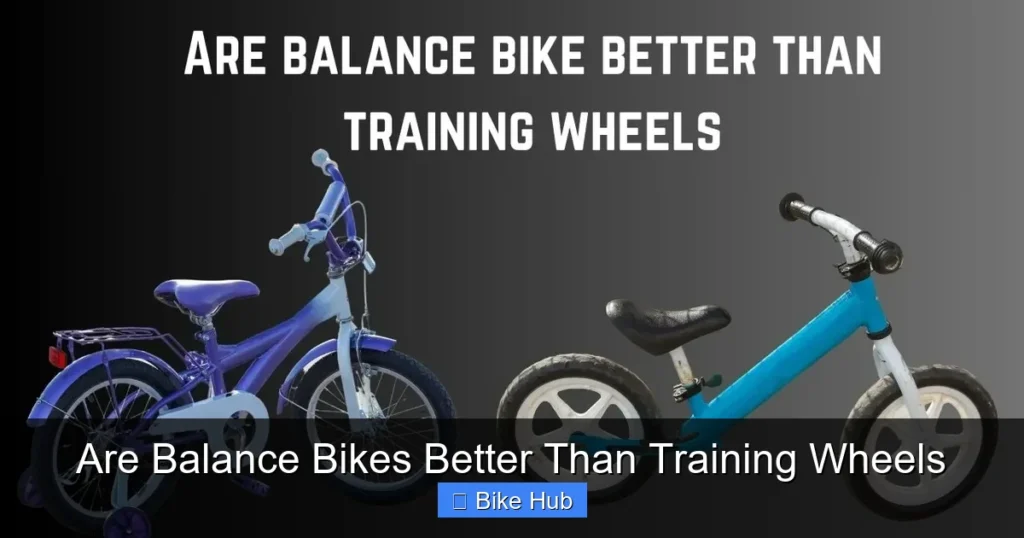
Balance bikes teach natural balance and coordination from day one, while training wheels can create dependency and delay real bike skills. This guide breaks down the pros, cons, and best practices for each option so you can choose the right path for your child.
Key Takeaways
- Balance bikes develop core riding skills faster: Kids learn balance, steering, and braking without pedals, leading to smoother transitions to pedal bikes.
- Training wheels delay true balance development: They stabilize the bike but prevent children from learning how to lean and correct their balance naturally.
- Safety and confidence matter most: Balance bikes reduce falls and build confidence, while training wheels can give a false sense of security.
- Age and size play a big role: Most kids aged 2–5 benefit more from balance bikes, while older beginners might adapt well to training wheels temporarily.
- Transition time is shorter with balance bikes: Many children go from balance bike to pedal bike in just a few weeks—sometimes days.
- Maintenance and cost differ slightly: Balance bikes have fewer parts and are often lighter, making them easier to handle and maintain.
- Parental involvement is key either way: Supervision, encouragement, and safe practice spaces are essential regardless of which method you choose.
Are Balance Bikes Better Than Training Wheels? A Complete Guide for Parents
If you’re teaching your child how to ride a bike, you’ve probably wondered: *Should I start with a balance bike or use training wheels?* It’s a common dilemma—and one that sparks passionate debates among parents, educators, and cycling experts. The good news? Research and real-world experience increasingly point to **balance bikes as the smarter, safer, and more effective choice** for most young riders.
In this guide, we’ll walk you through everything you need to know about both options. You’ll learn how each method works, why balance bikes often lead to faster learning, and how to choose the right setup for your child. We’ll also share practical tips, troubleshooting advice, and what to expect during the transition to a pedal bike.
Whether you’re a first-time parent or helping a older sibling learn, this guide will help you make an informed decision—so your child can enjoy the freedom and joy of riding with confidence.
What Are Balance Bikes and Training Wheels?
Before comparing them, let’s clarify what each option is.
Balance Bikes
A balance bike (also called a run bike or strider bike) is a pedal-free bicycle designed specifically for toddlers and preschoolers. Kids sit on the seat, place their feet on the ground, and push themselves forward using their legs. As they gain speed, they lift their feet and glide, learning how to balance naturally.
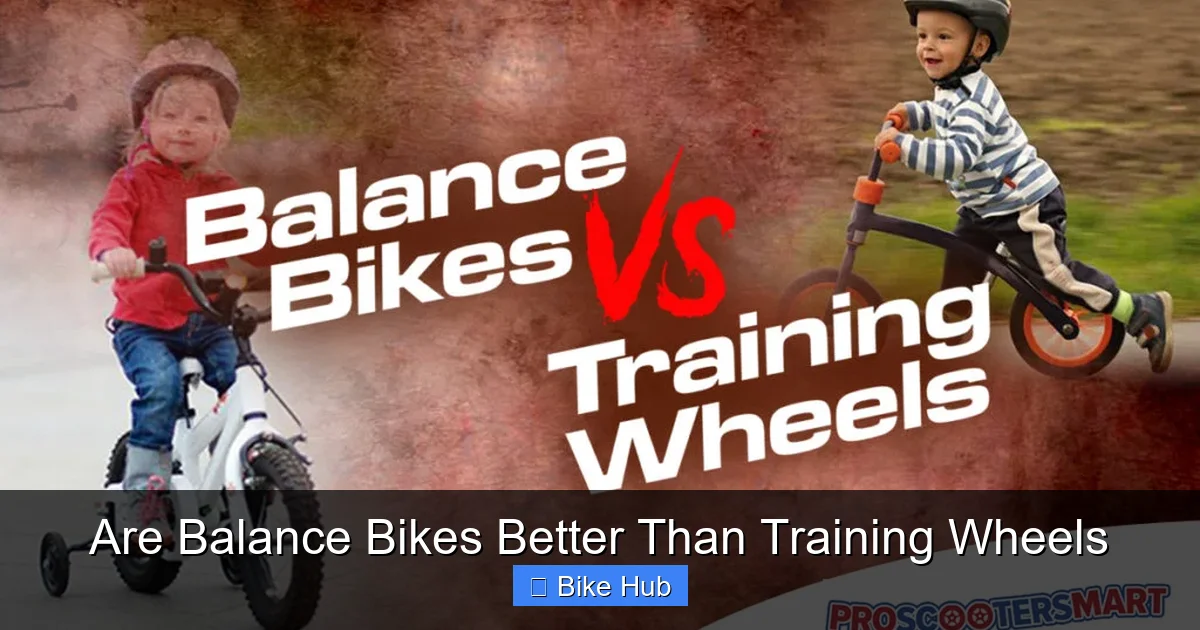
Visual guide about Are Balance Bikes Better Than Training Wheels
Image source: proscootersmart.com
Most balance bikes are lightweight—under 10 pounds—and have adjustable seats to grow with your child. They often feature pneumatic (air-filled) tires for better grip and shock absorption, though some models use foam tires.
Training Wheels
Training wheels are small auxiliary wheels attached to the rear axle of a standard pedal bike. They prevent the bike from tipping over, allowing kids to practice pedaling and steering without falling. Once the child seems stable, the training wheels are gradually raised or removed.
While training wheels seem helpful, they don’t teach balance—they simply eliminate the need for it. This can create a dependency that makes the eventual transition to two wheels more difficult.
Why Balance Bikes Are Often the Better Choice
Let’s dive into the reasons why many experts now recommend balance bikes over training wheels.
They Teach Real Balance from Day One
Balance is the foundation of bike riding. Without it, pedaling, steering, and braking don’t matter. Balance bikes let kids master this skill naturally. By pushing off and gliding, they learn how to shift their weight, steer into leans, and catch themselves—all essential skills for riding a pedal bike.
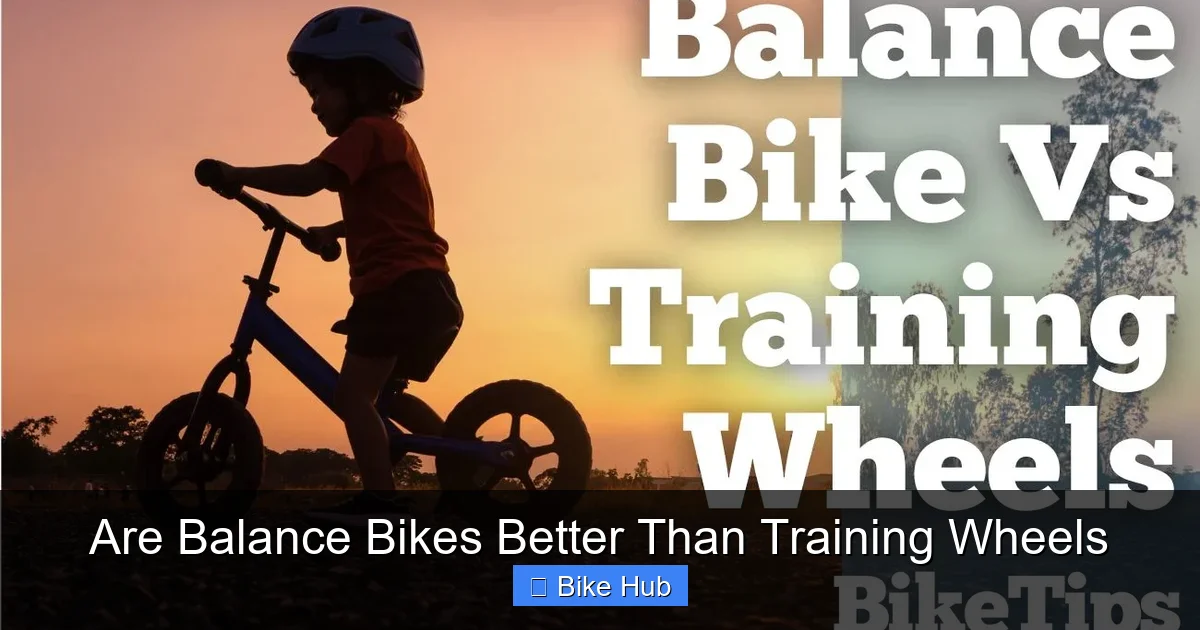
Visual guide about Are Balance Bikes Better Than Training Wheels
Image source: biketips.com
In contrast, training wheels keep the bike upright artificially. Kids never learn how to balance because they don’t need to. When training wheels come off, they’re essentially starting from scratch.
Kids Gain Confidence Faster
Falling is part of learning—but too many falls can discourage young riders. Balance bikes are low to the ground, so falls are rare and rarely hurtful. Most kids can put their feet down instantly to stop or steady themselves.
This safety net builds confidence. Children feel in control, which encourages them to try new things—like gliding longer, turning sharper, or riding on gentle slopes. That confidence translates directly to pedal bikes later.
Smoother Transition to Pedal Bikes
One of the biggest advantages of balance bikes is the quick transition. Many kids go from a balance bike to a pedal bike in just a few weeks—sometimes even days. Since they already know how to balance and steer, they only need to learn pedaling and braking.
Compare that to training wheels: when removed, the child must suddenly learn balance, pedaling, steering, and braking all at once. It’s overwhelming and can take months of practice.
Lightweight and Easy to Handle
Balance bikes are designed for small bodies. They’re light, easy to carry, and simple to control. Kids can maneuver them in tight spaces, stop quickly, and start again without help.
Training wheel bikes, on the other hand, are often heavier and bulkier. The added wheels can make steering less responsive, and the bike may feel unstable when the training wheels are unevenly adjusted.
Encourages Active Play and Independence
Because balance bikes are so easy to use, kids often ride them everywhere—parks, sidewalks, driveways. This encourages outdoor play, physical activity, and a sense of independence. They’re not waiting for an adult to stabilize them; they’re in charge.
Training wheels can create a passive experience. Kids may rely on the wheels too much, or feel frustrated when the bike wobbles or tips despite the support.
When Training Wheels Might Make Sense
Despite the advantages of balance bikes, training wheels aren’t obsolete. There are situations where they can be useful.
Older Beginners (Ages 5–7)
If your child is starting to ride a bike at age 5 or older, they may already have the strength and coordination to handle pedals. In this case, training wheels can provide temporary stability while they learn pedaling mechanics.
However, even older beginners often benefit from a short stint on a balance bike first—just to build confidence and balance before adding pedals.
Children with Physical or Developmental Challenges
Some kids may need extra support due to balance issues, low muscle tone, or developmental delays. In these cases, training wheels—or even adaptive bikes with safety harnesses—can provide the stability needed to enjoy riding.
For specialized needs, consider options like the Best Adaptive Bikes With Safety Harness, which offer enhanced support and control.
Family Preference or Tradition
Some families simply prefer training wheels because that’s how they learned. While tradition has value, it’s worth considering newer, evidence-based methods that may work better for your child.
How to Choose the Right Option for Your Child
Now that you understand the differences, here’s how to decide what’s best for your little rider.
Step 1: Consider Your Child’s Age and Size
Most children aged 2–5 are ideal candidates for balance bikes. Look for a model with an adjustable seat that allows their feet to flatly touch the ground while seated.
For kids over 5, assess their coordination and confidence. If they’re hesitant or have never ridden before, a balance bike is still a great starting point.
Step 2: Evaluate Your Environment
Do you have safe, flat spaces to practice? Balance bikes work best on smooth surfaces like sidewalks, driveways, or playgrounds. Training wheels can handle slightly rougher terrain, but uneven ground can cause wobbling or tipping.
Step 3: Think About Long-Term Goals
If your goal is to get your child riding independently as quickly and safely as possible, a balance bike is the clear winner. If you’re okay with a longer learning curve and potential frustration, training wheels may suffice—but expect a bumpier road ahead.
Step 4: Involve Your Child
Let your child test both options if possible. Some kids instinctively prefer the freedom of a balance bike. Others may feel more secure with training wheels at first. Observe their comfort level and willingness to try new things.
Practical Tips for Success
No matter which method you choose, these tips will help your child succeed.
Start on Flat, Smooth Ground
Begin in a safe, open area with minimal traffic. A quiet parking lot, empty playground, or long driveway works well. Avoid hills or busy streets until your child is confident.
Use Proper Safety Gear
Always wear a properly fitted helmet. Knee and elbow pads are optional but recommended for beginners. Bright clothing helps visibility, especially in shaded areas.
Keep Sessions Short and Fun
Young kids have short attention spans. Practice for 10–15 minutes at a time, and keep it playful. Use games like “follow the leader” or “red light, green light” to make learning engaging.
Be Patient and Encouraging
Every child learns at their own pace. Celebrate small wins—like gliding for three seconds or making a turn without stopping. Avoid comparisons with other kids.
Troubleshooting Common Issues
“My child won’t lift their feet on the balance bike.”
This is normal! Start by having them walk the bike while seated, then gradually encourage short glides. Place a small ramp or gentle slope to help them gain momentum.
“The training wheels keep tipping to one side.”
Check that both wheels are adjusted to the same height. If one is higher, the bike will lean. Also ensure the rear axle is tight and the wheels spin freely.
“My child is scared to let go.”
Build trust by holding the bike lightly at first, then gradually reducing support. Never force them—let them set the pace. Sometimes a friend or sibling riding alongside can inspire confidence.
Conclusion: Balance Bikes Win for Most Kids
So, are balance bikes better than training wheels? For the majority of young learners, the answer is yes. Balance bikes teach essential skills naturally, build confidence, and lead to faster, smoother transitions to pedal bikes. They’re safer, lighter, and more intuitive for small children.
Training wheels have their place—especially for older beginners or children with special needs—but they often delay true bike mastery. By removing the need to balance, they create a false sense of security that can backfire when the wheels come off.
Ultimately, the best choice depends on your child’s age, abilities, and personality. But if you’re starting from scratch, a balance bike is the smartest, most effective way to begin.
Ready to take the next step? Check out our guide on Best Kids Bikes For 5 Year Olds or explore How To Choose Tires For Gravel Bikes if you’re thinking ahead to off-road adventures. And for maintenance tips that apply to all bikes, don’t miss How To Maintain Bike Wheels.
With the right approach, your child will be riding confidently in no time—and loving every moment of it.



