
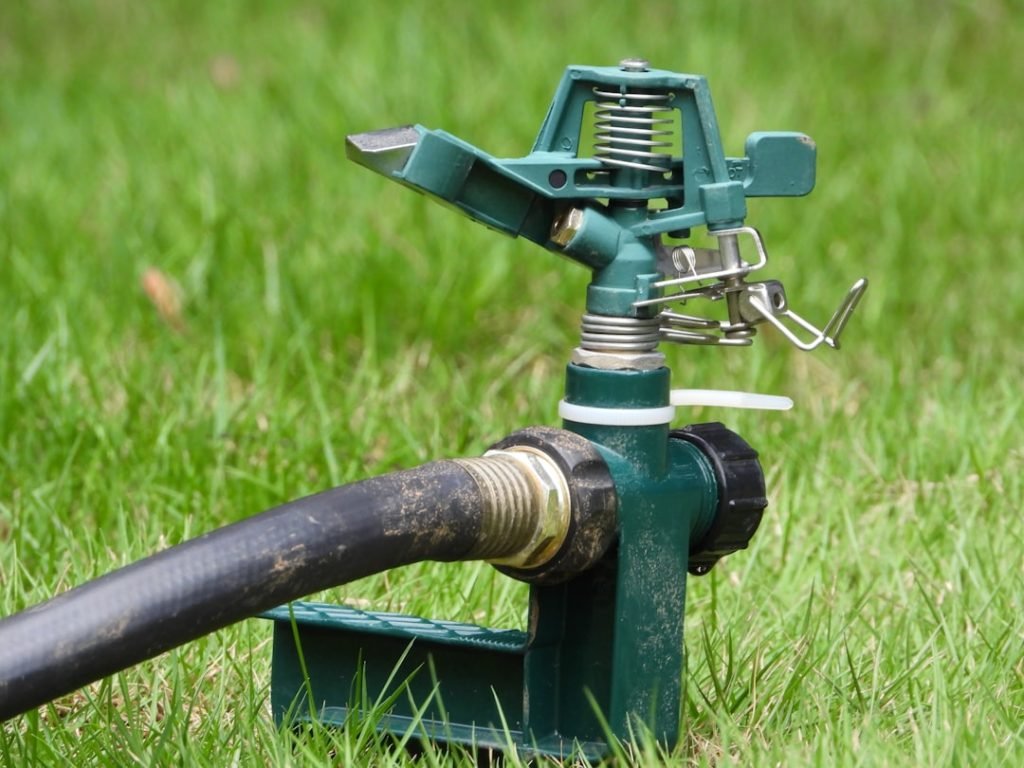
Imagine your pump failing right when you need it most, turning a simple task into a major headache. You might wonder how you could have avoided this stressful situation.
The good news is that maintaining your pump doesn’t have to be complicated or time-consuming. By following a few straightforward tips, you can ensure your pump runs smoothly and efficiently, saving you time and money. Are you ready to discover how you can keep your pump in top shape and avoid unexpected breakdowns?
Dive into these pump maintenance tips and take control of your equipment today.
Importance Of Regular Pump Maintenance
Regular pump maintenance is crucial for efficient operation. It helps prevent unexpected breakdownsand costly repairs. Pumps work hard and need care. Dirt and debris can damage them. Keeping them clean extends their life. A well-maintained pump uses less energy. This saves money on electricity bills. Checking for leaks is also important. Leaks can cause water waste and damage. A small fix today avoids big problems tomorrow. Regular oiling ensures smooth operation. It reduces wear and tear on parts. Inspecting the pump for strange sounds helps too. Weird noises may mean trouble. Catching issues early is key. This keeps the pump running well and safely.
Signs Your Pump Needs Maintenance
- Pump is making strange noises. This is not normal.
- Water flow is weak or irregular. Check for issues.
- Pump is overheating. This can cause damage.
- Leaks around the pump. These need fixing.
- Power consumption is higher than usual. This is a red flag.
Pumps are vital for many systems. They need care to work well. Strange noises mean trouble. Weak water flow signals a problem. Overheating is bad for pumps. Leaks can cause bigger issues. High power use is a warning. Listen to your pump. Watch for these signs.
Daily Maintenance Practices
Look at the pump every day. Check if it looks okay. Make sure parts are not broken or loose. Clean any dirt or dust you see. This keeps the pump working well.
Find any wet spots around the pump. Leaks can cause big problems. Use a flashlight to see better. If you find a leak, fix it quickly. This can save the pump from breaking.
Listen to the pump when it runs. Strange sounds might mean something is wrong. Pumps should hum softly. If it makes loud noises, it needs checking. Turn off the pump and call for help if needed.
Weekly Maintenance Checklist
Proper lubrication prevents pump wear. Use the right oil or grease. Check the pump’s manual for recommended types. Apply lubricant to all moving parts. Avoid over-lubrication; it can cause damage. Inspect for leaks after lubrication.
Filters keep dirt out of pumps. Regular cleaning is essential. Remove the filter carefully. Wash it with clean water. Dry it completely before reinstalling. Check for tears or damage. Replace damaged filters immediately.
Valves control the flow in pumps. Adjust them for optimal performance. Listen for unusual noises. They may indicate valve problems. Tighten loose valves securely. Ensure all connections are firm. Test pump after adjustments.
Monthly Maintenance Routine
Test the pump performance every month. Check if the flow rate is stable. Compare results to the pump’s specifications. Ensure the pump runs smoothly without unusual noises. Observing these signs can prevent bigger issues.
Inspect the electrical system regularly. Look for loose wires and secure them. Check for signs of wear or damage. Replace damaged parts immediately. This helps maintain pump efficiency and safety.
Calibrate the pressure system monthly. Use proper tools for accuracy. Follow the manufacturer’s guidelines closely. Ensure the pressure settings match the required standards. This ensures optimal pump function.
Seasonal Maintenance Strategies
Before winter, drain all water from the pump. This prevents freezing damage. Store pumps in a dry, warm place. Check for any cracks or leaks. Use a cover to protect from snow and ice. Ensure all connections are tight. Lubricate any moving parts. Keep a maintenance checklist handy. This helps remember each task. Regular checks keep pumps working well.
In summer, clean the pump regularly. Remove dirt and debris. Check the filter and replace if needed. Ensure the pump runs smoothly. Inspect power cords for any damage. Adjust the pump speed for energy savings. Keep the pump in a shaded area. This prevents overheating. Regular oiling of parts improves function. Always follow the manufacturer’s guidelines.
Troubleshooting Common Pump Issues
Flow ratecan drop due to blockages. Check filters and pipes. Look for debris in the pump. Clean any blocked parts. Ensure the pump is sized correctly. A small pump struggles with large tasks. Monitor the pump during operation.
Pressure loss occurs with worn-out seals. Inspect seals for damage. Replace if necessary. Check for leaks in pipes. Tighten any loose connections. Verify valve settings are correct. Incorrect settings affect pressure. Regular maintenance prevents pressure issues.
Overheating results from motor strain. Ensure the pump is not overloaded. Check the cooling system. Clean fans and vents. Ensure proper ventilation. Adjust pump speed if needed. Slow speed reduces heat. Monitor temperature levels regularly.
Advanced Tips For Maximizing Efficiency
Regular inspections help detect early signs of pump wear. Clean filters prevent clogs and maintain smooth operation. Lubricating moving parts reduces friction and extends pump life.
Energy Saving Technologies
Energy saving technologieshelp pumps work better. They use less power. This saves money. Pumps with these technologies run longer. They need fewer repairs. They also help the environment. This is because they use less energy. Choose pumps with energy-saving features. Look for labels that show energy efficiency. This makes pumps a smart choice.
Upgrading Components
Upgrading componentsmakes pumps work better. New parts fit in old pumps. These parts can last longer. They can also be more efficient. It is important to check for new parts. This keeps pumps working well. You can find new parts easily. Ask a pump expert for help. They know the best parts to use.
Smart Monitoring Systems
Smart monitoring systemswatch pumps carefully. They check if pumps are working fine. These systems tell you if something is wrong. Fixing problems early keeps pumps safe. This also saves money. Smart systems can be added to most pumps. They make sure pumps work right. They are a good tool to have.
Benefits Of Professional Pump Servicing
Professional pump servicingkeeps pumps running smoothly. This helps avoid unexpected failures. Pumps need regular checks to stay efficient. Experts know how to spot small problems early. Fixing small issues can save money later. Clean pumps use less energy. This means lower bills for you. Servicing also extends the pump’s life. A longer life means fewer replacements. Professionals use the right tools. They understand different pump types. They also follow safety rules to protect the pump.
Regular servicing also keeps the pump parts in good shape. This reduces the risk of damage. Well-maintained pumps run quieter. This makes them more pleasant to use. Professional servicing offers peace of mind. It ensures the pump is safe and reliable. So, trust experts for your pump’s care.
Frequently Asked Questions
What Would Be A Routine Maintenance For A Pump?
Routine maintenance for a pump includes checking seals, inspecting for leaks, lubricating bearings, and cleaning filters. Regularly monitor vibrations and noise levels. Ensure valves and connections are secure. Schedule periodic inspections by a professional to maintain efficiency and prevent breakdowns.
Proper maintenance extends the pump’s lifespan.
What Is The Standard Checklist For Pump Maintenance?
A standard pump maintenance checklist includes checking for leaks, inspecting seals, lubricating bearings, and examining belts. Ensure electrical connections are secure, test pump performance, and replace worn parts. Regularly clean filters and verify alignment. Document all maintenance activities for future reference.
How To Maintain A Pump?
Regularly check and clean pump filters and seals. Lubricate moving parts to ensure smooth operation. Inspect for leaks and wear. Tighten loose connections and screws. Schedule professional maintenance annually for thorough inspection.
How Often Should A Pump Be Serviced?
Service a pump every 12 months for optimal performance. Check the manufacturer’s guidelines for specific recommendations. Regular maintenance prevents breakdowns and extends lifespan. Adjust frequency based on usage and environmental conditions. Always ensure professional servicing for best results.
Conclusion
Regular pump maintenance ensures efficiency and longevity. Simple steps can make a big difference. Clean parts regularly to avoid build-up. Check for leaks to prevent damage. Lubricate moving parts for smooth operation. Inspect seals and gaskets to ensure tight connections.
Address issues early to avoid costly repairs. Following these tips keeps your pump in top shape. Your pump will work reliably and efficiently. Avoid downtime and frustration with regular checks. A little effort now saves time and money later. Keep your pump running strong and smoothly with these easy steps.



