
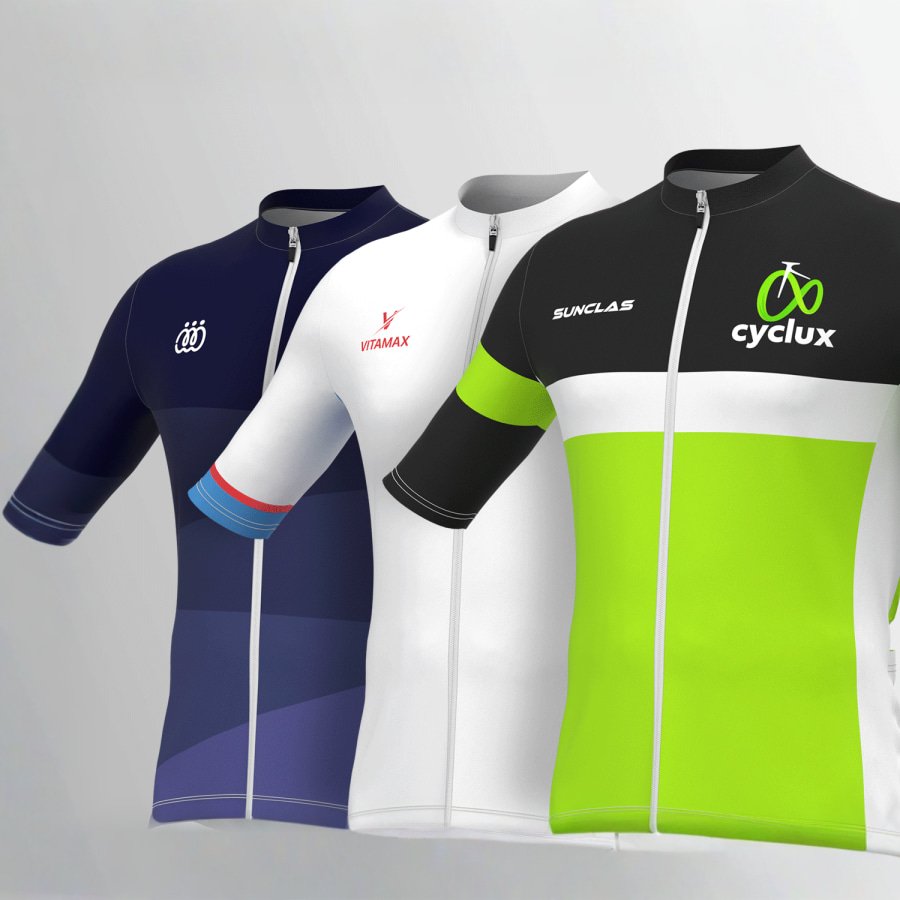
Imagine riding your bike, feeling the wind against your skin, and showcasing a cycling jersey that truly reflects your style. You deserve more than a generic design—you deserve something unique and personal.
Whether you’re a cycling enthusiast or part of a team, choosing the right printing method for your jersey can make all the difference. You’ll discover the fascinating world of cycling jersey printing methods. You’ll learn how each technique can bring your design ideas to life, ensuring your jersey stands out in every ride.
Get ready to explore options that promise durability, vibrancy, and a perfect fit for your vision. As you delve into this guide, consider how the right printing method can transform your cycling experience, making it memorable and distinctive. Keep reading to find out which method suits your needs best and how to ensure your jersey is as unique as your cycling journey.

Credit: www.rnrsportsapparel.com
History Of Cycling Jersey Design
Long ago, cycling jerseys were simple and plain. Riders wore wool jerseys, which were heavy. Wool was warm but not breathable. Colors were dull and faded quickly.
In the 1970s, synthetic fabrics became popular. These materials were lighter and more colorful. Jerseys started showing logos and sponsors. Cyclists looked like moving billboards.
Designs grew more creative over time. Bright colors and unique patterns appeared. Riders wanted to stand out in races. Today, jerseys are made for comfort and style. They are breathable and stretchable.
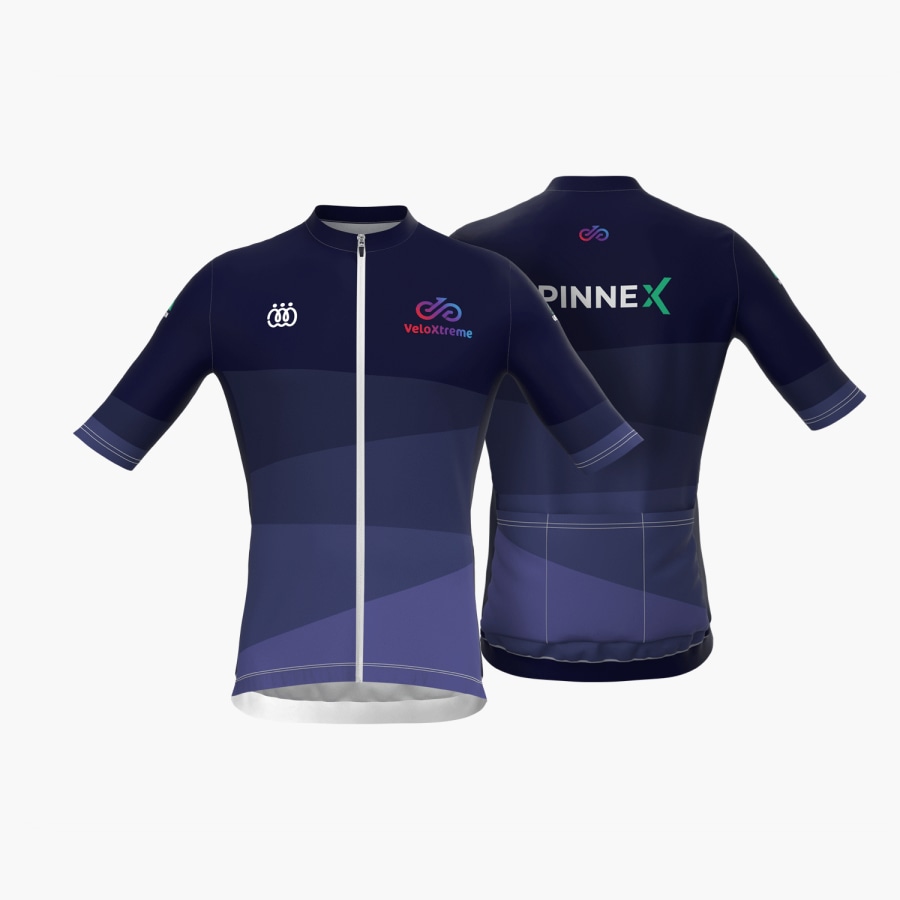
Modern designsuse advanced printing methods. This allows for detailed artwork and vibrant colors. Jerseys can now reflect a team’s spirit and energy.
Credit: www.vistaprint.com.au
Benefits Of Custom Cycling Jerseys
Custom jerseyshelp teams look unified. They create a sense of belonging. Everyone feels part of the team. Jerseys display team colorsand logos. This makes teams stand outin races. It boosts team spiritand pride.
Custom jerseysare made for comfortand performance. They fit well and feel good. They use breathablematerials. Cyclists stay cooland dry. Good jerseys reduce friction. This helps cyclists move easily. Cyclists can ride for longer.
Custom jerseysare great for advertising. They show sponsor logosand names. Sponsors get more visibility. This helps teams find more support. Sponsors like to be seen. Jerseys make it easy for fansto recognize sponsors.
Screen Printing Techniques
Traditional screen printing is a popular method. It involves pressing ink through a stencil. This creates bright and lasting designs. The method is great for bold colors. It works well on many fabrics.
Pros And Cons
- Pros:Cost-effective for large orders. Colors are vibrant and durable.
- Cons:Not ideal for small orders. Complex designs can be tricky.
Screen printing suits simple designs best. It needs special screens for each color. This can make setup time longer. But the results are often worth it. The designs last and stay bright through washes.
Sublimation Printing Process
Sublimation printing offers vibrant and durable designs for cycling jerseys. Heat transforms solid ink into gas, bonding with fabric fibers. This process ensures long-lasting colors and smooth, seamless artwork on jerseys.
How Sublimation Works
Sublimation uses heat to transfer dye onto fabric. The dye turns into gas. It bonds with the fabric fibers. This method creates vibrant, long-lasting colors. The fabric stays soft and breathable. Designs won’t peel or crack over time. Ideal for detailed artwork and bright colors.
Advantages Of Sublimation
- Bright Colors:Designs are vivid and eye-catching.
- Durable Prints:No peeling or cracking over time.
- Soft Fabric:The fabric remains smooth to touch.
- Breathable:Keeps the jersey comfortable during rides.
- Eco-Friendly:Uses less water than other methods.
Digital Printing Innovations
Direct-to-Garment (DTG) printing is a modern method. It prints designs directly onto fabric. This method uses special inkjet technology. The ink soaks into the fabric fibers. This creates a soft and smooth feel. DTG is great for detailed designs. It can print many colors at once. This method is eco-friendly and uses less water. Small batches are easy to produce. Customization is simple and quick.
Recent advancements have improved DTG printing. New printers are faster and more precise. They offer better color accuracy. This technology is now more affordable. Many businesses find it cost-effective. Updated software makes designing easier. Users can upload designs directly. These innovations make DTG a popular choice. Creating vibrant jerseys is now simpler.
Heat Transfer Methods
Vinyl transfersare popular for printing jerseys. They use heat and pressure. The design is cut from a sheet of vinyl. Then it’s pressed onto the jersey.
Pros:
- Bright and sharp colors
- Good for small orders
- Durable and long-lasting
Limitations:
- Not ideal for complex designs
- Limited color choices
- May feel heavy on fabric
Eco-friendly Printing Options
Eco-friendly printing methods for cycling jerseys include water-based inks that reduce harmful emissions. Digital printing minimizes waste by using precise ink amounts. Recycled materials in fabric offer sustainability without compromising on quality or design.
Sustainable Inks And Materials
Using sustainable inkshelps reduce harm to the environment. These inks often come from natural sources, like plants. They are biodegradableand less toxic. This makes them safe for nature. Choosing recycled materialsfor jerseys is also important. It saves resources and cuts waste. These materials are often just as strong. They can be washed many times. They keep colors bright and clear.
Environmental Impact
Eco-friendly printing reduces pollution. It uses less energy and water. This helps protect our planet. Fewer chemicals mean cleaner air and water. Animals and plants stay healthier. People can enjoy nature more. Choosing eco-friendly options makes a big difference. It shows care for the Earth. Everyone can help by picking green products.
Choosing The Right Method
Choosing the right cycling jersey printing method ensures vibrant designs and durability. Screen printing offers bold colors, while sublimation provides intricate details. Consider the fabric type and design complexity for the best results.
Factors To Consider
Choosing the best printing method matters. Think about cost and design. Different methods have different costs. Some methods are good for small batches. Others work best for large volumes. Consider the colors and designs you want. Some methods show colors better. Others are good for simple designs. It’s important to pick a method that suits your needs.
Budget And Volume Needs
Think about your budget. Some methods are cheaper. Others cost more but offer better quality. If you need many jerseys, pick a method that suits large orders. Smaller orders might need a different approach. Consider how many jerseys you need and your budget limits. This helps in choosing wisely.
Future Trends In Jersey Printing
New technologies bring exciting changes in jersey printing. Digital printing is fast and clear. It uses computers to create designs. Eco-friendly inks are better for the planet. They are safe and long-lasting. 3D printing can make jerseys feel unique. This method adds layers for texture. Innovations help make jerseys look modern and stylish.
Customization Possibilities
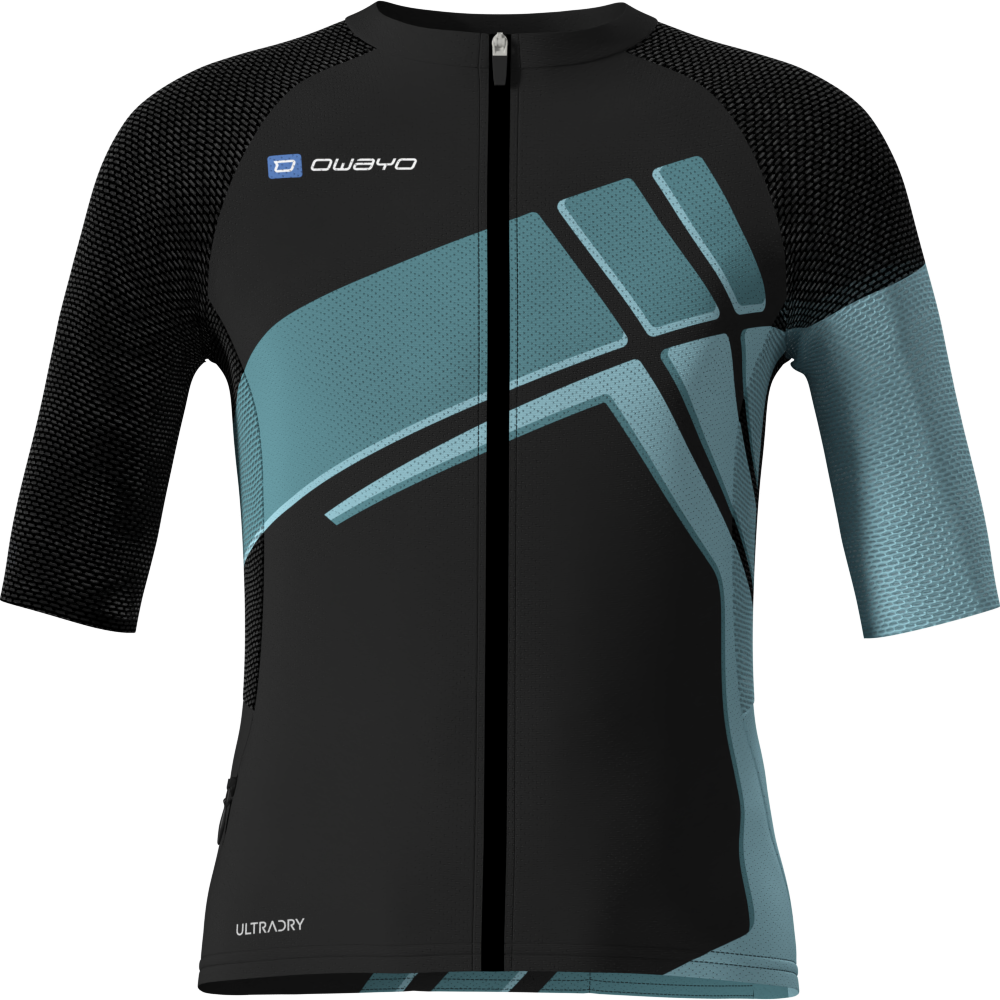
People love custom jerseys. They want their own style. Personalized names and numbers are popular. Teams can choose unique colors and designs. Special logos can show team spirit. Some jerseys even glow in the dark. Fans enjoy having something special. Custom jerseys make everyone feel proud.
Credit: www.owayo.com
Frequently Asked Questions
How Are Cycling Jerseys Made?
Cycling jerseys are crafted from breathable, moisture-wicking fabrics. Designers create patterns, then cut and sew panels together. Features like zippers and pockets are added for functionality. Finally, logos and graphics are printed or sublimated for vibrant colors. Quality checks ensure durability and comfort for cyclists.
What Material Is Best For A Cycling Jersey?
Polyester is the best material for cycling jerseys. It offers excellent moisture-wicking properties, keeping you dry and comfortable. Polyester is lightweight, durable, and breathable, enhancing performance. It provides a snug fit, reducing drag and improving aerodynamics. Choose polyester for its versatility and ease of maintenance.
Is It Better To Hang Or Fold Cycling Jerseys?
Hang cycling jerseys to maintain their shape and prevent wrinkles. Use padded hangers for extra care. Avoid folding to prevent creases and potential fabric damage. Proper storage extends the jersey’s lifespan, ensuring it stays in good condition for your next ride.
Can You Iron A Cycling Jersey?
Ironing a cycling jersey is not recommended. Heat can damage the fabric and graphics. Use a steamer or hang it to remove wrinkles. Always check the care label for specific instructions. Avoid direct heat to maintain the jersey’s quality and longevity.
Conclusion
Exploring cycling jersey printing methods helps you choose the best option. Each technique offers unique benefits. Sublimation ensures vibrant, long-lasting colors. Screen printing provides durability and classic style. Digital printing offers flexibility and detail. Consider your design needs and budget.
Think about the jersey’s purpose—racing, casual rides, or promotion. This helps in picking the right method. A well-chosen printing method enhances your cycling experience. It reflects your personality and passion on the road. Happy cycling with your perfect jersey design!



