
Imagine you’re out on your favorite cycling trail, the wind in your hair, the thrill of the ride pumping through your veins. Suddenly, the sky opens up and you’re caught in a downpour.
While you can handle getting wet, your cycling jersey is less forgiving. It’s no secret that a soaked jersey can turn an enjoyable ride into a soggy, uncomfortable ordeal. But what if you could make your cycling jersey waterproof? Yes, you can stay dry and comfortable without sacrificing style or performance.
We’ll explore the best methods to waterproof your cycling jersey, ensuring you stay cozy even when the clouds decide to pour. Whether you’re a seasoned cyclist or just starting out, understanding these waterproofing techniques will change how you approach your rides. Stick around, because discovering the right method could be the key to transforming your cycling experience, keeping you dry and focused on what really matters—your ride.

Credit: roadtoskybike.com
Importance Of Waterproof Cycling Jerseys
Waterproof cycling jerseyskeep you dry during wet rides. Staying dry means staying warm and comfortable. Wet clothes can make you cold and unhappy. A waterproof jersey stops rain from getting in. It also keeps the wind out, helping you stay warm. This is important for long rides.
Waterproof jerseys can be lightweight and breathable. They allow sweat to escape, keeping you dry inside. A good jersey fits well and doesn’t restrict movement. It helps you ride better and enjoy your time outside. Investing in a quality waterproof jersey is wise. It can make your rides more enjoyable and safe.
Common Waterproofing Technologies
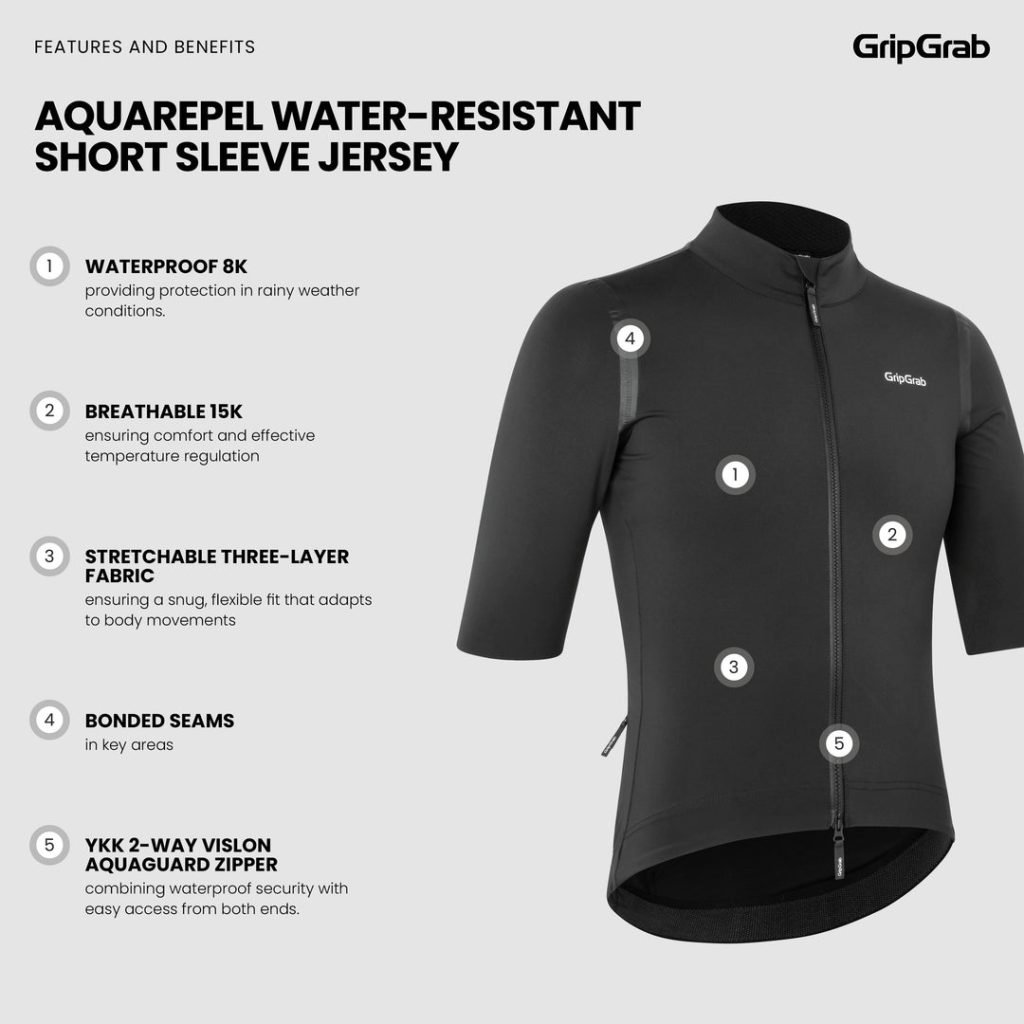
Cycling jerseys use advanced waterproofing methods like laminating fabrics with breathable membranes. Seam sealing is another crucial technique, preventing water from entering through stitched areas.
Membrane Technology
Membrane technology uses thin layers to keep water out. These layers are often made from polyurethane or Gore-Tex. They act like a barrier. Water stays out, but sweat escapes. This keeps cyclists dry and comfortable. Breathability is key in membrane technology. It prevents overheating. Cyclists can enjoy long rides without feeling wet.
Water-repellent Coatings
Water-repellent coatings make fabric shed water. These coatings are often sprayed or painted onto cycling jerseys. Durable Water Repellent (DWR) is a common type. It causes water to bead up and roll off. Cyclists stay dry in light rain. Regular application maintains the coating’s effectiveness. Simple care keeps jerseys performing well.
Diy Waterproofing Techniques
Spray-on solutions offer a simple way to keep jerseys dry. They are easy to use and widely available. Just spray evenly over the fabric, and let it dry. Most sprays form a protective layer against water. Always check the instructions for safety tips. It’s important to apply in a well-ventilated area. Some sprays might change the fabric’s feel. Test on a small area first to ensure satisfaction.
Fabric treatments provide another way to waterproof jerseys. These treatments often involve applying a liquid solution. Rub the solution directly onto the fabric. Let it dry completely before wearing. Some treatments require heat to activate. Use a hairdryer or iron carefully. It’s essential to follow product instructions closely. Treatments enhance resistance without altering appearance. Always choose a treatment suitable for the fabric type.

Credit: capelin-crew.com
Choosing The Right Waterproof Material
Finding the right balance is key. Breathable fabrics let sweat escape. This keeps you dry inside. Waterproof materials keep rain out. But they can trap heat. Some fabrics offer both features. They use special coatings. Gore-Tex is a popular choice. It balances both needs well. Ventilation options are also important. Zippers and mesh help air flow. This keeps you cool and dry.
Strong materials last longer. Nylon and polyester are tough. They resist tears and rips. Coated fabrics add extra strength. Seam sealing prevents water leaks. It adds to the jersey’s lifespan. Double stitching also helps. It makes the seams strong. Quality checks are important too. Make sure the jersey meets standards. This ensures it will last many rides.
Maintaining Waterproof Features
Wash your cycling jersey with cold water. Use mild soap to keep it clean. Avoid using harsh detergents. They harm the waterproof layer. Turn the jersey inside out. This protects the outer layer. Do not use fabric softener. It breaks down waterproofing. Rinse well to remove soap.
Reapply a waterproof spray regularly. Use it after several washes. Choose a high-quality spray. Follow the instructions on the bottle. Spray evenly on the jersey. Let it dry completely before use. This helps maintain the waterproof feature. Re-treat your jersey every few months. This keeps it water-resistant.
Popular Brands And Their Technologies
Cycling jerseys often use waterproof materials to keep riders dry. Brands incorporate advanced coatings and membranes. These help repel water while maintaining breathability.
Brand Comparisons
Many brands offer unique waterproofing methods. Brand A uses advanced fabric coatings. Brand B focuses on seam sealing technology. Brand C integrates breathable membranes. Each has strengths and weaknesses. Some are better in heavy rain. Others excel in light showers. Prices differ widely. Brand D offers budget-friendly options. Brand E targets high-end buyers. Pick based on your needs.
Innovative Features
- Reflective strips enhance visibility.
- Ventilation panels provide comfort.
- Seamless design reduces chafing.
- Quick-dry fabrics keep you dry.
- Elastic cuffs ensure a snug fit.

Credit: www.gq-magazine.co.uk
Frequently Asked Questions
How Do I Waterproof My Cycling Jersey?
Waterproofing your cycling jersey involves using a spray-on or wash-in waterproofing solution. Clean your jersey first, then apply the product according to the instructions. Ensure it dries completely before use for optimal performance. This process helps protect against rain and extends the jersey’s lifespan.
Can I Make Any Jersey Waterproof?
Not all jerseys can become fully waterproof, but you can improve water resistance. Use a quality waterproofing spray on clean, dry fabric. Some jerseys, due to their material, will respond better than others. Regular maintenance will enhance the effectiveness of the waterproofing.
Are Waterproof Cycling Jerseys Breathable?
Waterproof cycling jerseys are often designed to be breathable. Manufacturers use advanced fabrics and technology to ensure comfort while maintaining waterproof properties. When choosing a jersey, look for features like ventilation panels or moisture-wicking fabrics to balance waterproofing with breathability.
How Often Should I Reapply Waterproofing?
Reapply waterproofing every few months or as needed, depending on usage and weather conditions. Frequent washing and exposure to heavy rain may require more frequent applications. Regular maintenance will ensure your jersey remains effective against water throughout its lifespan.
Conclusion
Keeping your cycling jersey waterproof is essential. It protects against rain and sweat. Proper waterproofing methods extend your jersey’s life. Start with choosing the right materials. Look for water-resistant fabrics and coatings. Regular maintenance keeps the waterproofing effective. Always check and follow care instructions.
Simple sprays or treatments can help maintain resistance. Avoid harsh chemicals or rough handling. With these methods, stay dry and comfortable on every ride. Your jersey becomes your reliable partner, no matter the weather. Invest time in waterproofing; enjoy cycling without worries.
Waterproof gear enhances your experience, ensuring each ride is enjoyable.



