
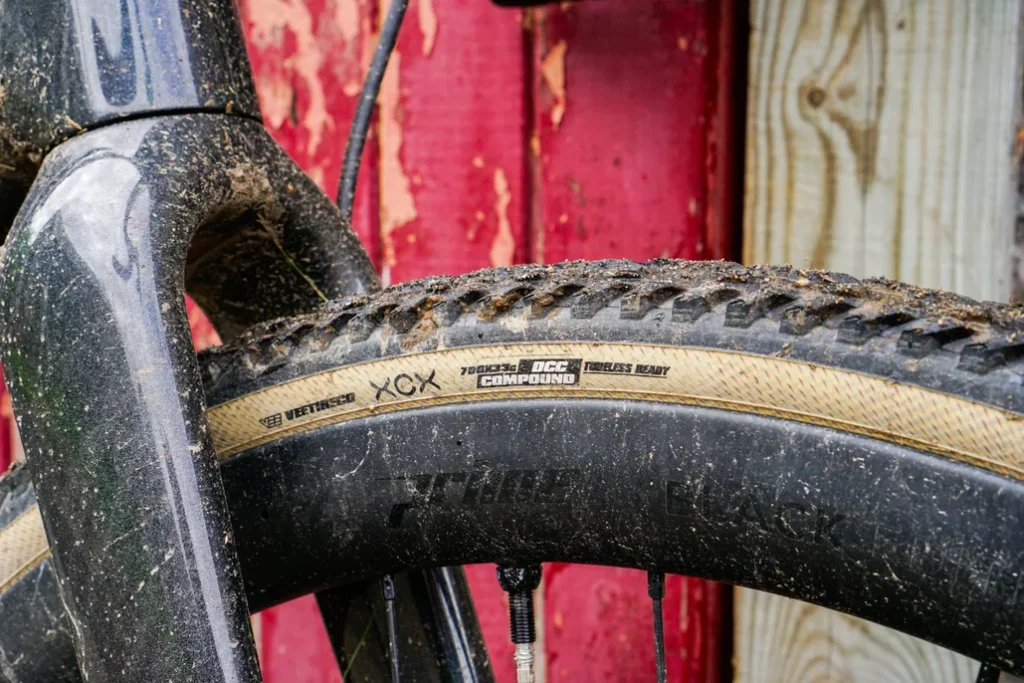
Picture yourself on a gravel trail, where the world around you is a tapestry of nature and adventure. The crunch beneath your wheels is not just the sound of movement, but the rhythm of freedom.
But wait, are those wheels really ready for the rugged path ahead? Choosing the right tires for your gravel bike is crucial to ensure that your ride is smooth, safe, and enjoyable. You want tires that grip the trail, handle diverse terrains, and keep you feeling confident on your journey.
You’ll discover the secrets to selecting the perfect tires that match your style and the unique demands of gravel biking. Get ready to unlock the potential of your rides and elevate your cycling experience with expert insights that speak directly to you and your biking aspirations.
Credit: www.bikeradar.com
Tire Types For Gravel Riding
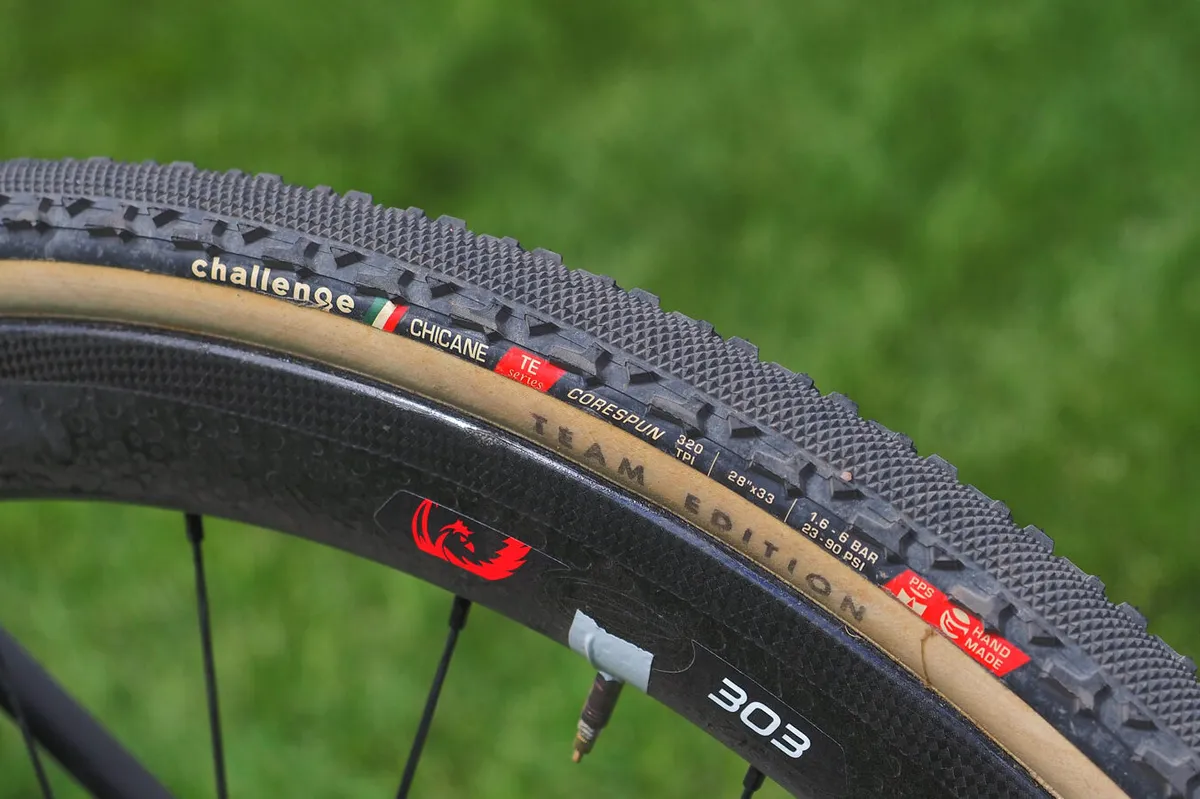
Selecting the right tires for gravel bikes involves considering terrain, tire width, and tread pattern. Wider tires offer better stability on loose surfaces. Choose a tread pattern with more knobs for rough trails and smoother ones for mixed terrain.
Tubeless Vs. Tubed Tires
Tubeless tiresare popular for gravel bikes. They help avoid flats. These tires seal punctures instantly. This offers more safety on rough paths. Tubed tiresuse inner tubes. They are simple and easy to fix. But, they puncture more often.
Clincher Vs. Folding Tires
Clincher tiresare common and affordable. They have a bead that hooks onto the rim. These tires are durable but heavier. Folding tiresare lighter and can fold easily. They use a soft bead made of Kevlar. These tires offer better performance. They are more expensive than clinchers.
Tread Patterns And Their Impact
Selecting the right tires for gravel bikes involves understanding tread patterns. Tread patterns affect grip and speed on different terrains. For loose gravel, choose wider treads for better control.
Smooth Vs. Knobby
Smooth treadsroll fast on roads. They are great for speed. But they can slip on wet or loose surfaces. Knobby treadshave small bumps. They grip dirt and mud well. Knobby tires are slower on paved roads. Choose based on your ride places.
Versatility Of Semi-knobby Treads
Semi-knobby treadsmix smooth and knobby features. They work well on many surfaces. These tires are good for both road and dirt. They offer a balance of speed and grip. Perfect for riders who explore different terrains. Semi-knobby tires give confidence and control.
Tire Width And Its Importance
Tire width plays a crucial role in choosing gravel bike tires. Wider tires offer better stability and grip on rough terrains. Narrower options provide speed on smoother paths. Select based on the terrain you plan to ride most.
Narrow Vs. Wide Tires
Narrow tiresare light and fast. They cut through the air easily. Good for racing on smooth paths. But, they may slip on loose gravel.
Wide tiresoffer better grip. They keep you steady on rough roads. More rubber meets the ground. This helps with control. But, wide tires are slower.
Balancing Speed And Stability
Find the right tire balance. Think about where you ride most. Smooth roads need narrow tires for speed. Rough paths need wide tires for grip.
Choose a mid-width tirefor mixed roads. It’s good for speed and stability. A good choice for versatile riders.

Credit: www.canyon.com
Material Considerations
Choosing the right material for gravel bike tires is crucial. Consider puncture resistance and grip. Lightweight options improve speed and handling on varied terrains.
Rubber Compounds For Durability
Rubber compounds can affect tire performance. Softer compounds grip well but wear faster. Harder compounds last longer but may slip. Balance is key for gravel rides. Choose tires with mixed compounds for grip and durability.
Sidewall Protection
Sidewalls need protection from rough trails. Reinforced sidewalls prevent cuts and punctures. Look for tire designs with extra layers. This helps tires survive sharp rocks and sticks. Strong sidewalls mean fewer flats and more fun.
Pressure Settings For Gravel Conditions
Gravel bikes need special tire pressuresettings. Softer trails need lower pressure. This helps the tires grip better. Hard surfaces need higher pressure. This makes the bike roll faster. Choose pressure based on the ground you ride on. It can change your ride experience.
Correct tire pressure boosts comfortand control. Lower pressure makes the ride smoother. It absorbs bumps well. Higher pressure gives more control on hard paths. It can be bumpy but fast. Adjusting pressure keeps you safe and happy.
Seasonal Considerations
Consider tire grip and tread pattern for different weather. Wet conditions need tires with better traction, while dry weather requires smoother treads. Choose durable materials for varied terrains and seasonal changes.
Wet Weather Adaptations
Gravel bike tires need good grip in wet conditions. Look for tires with deep treads. They push water away and keep you safe. Wide tires can help too. They offer more stability on slippery paths. Check for tires labeled “all-weather”. These work well in rain and shine. Always keep your tires clean. Mud can make them slippery and unsafe.
Dry And Dusty Terrain Adjustments
Riding on dry paths requires different tires. Choose tires with shallow treads. They glide smoothly over dust and dirt. Narrow tires can be helpful. They cut through loose gravel easily. Tires with hard rubber last longer on rough surfaces. Always check for wear and tear. Worn tires can be dangerous on dry trails.
Cost Vs. Performance
Choosing tires for gravel bikes involves balancing cost and performance. Quality tires offer better grip, durability, and efficiency. Cheaper options may save money but could compromise safety and ride comfort.
Budget-friendly Options
Finding good tires at a low cost is possible. Many brands offer durable and reliable options. These tires provide decent grip on rough terrains. They may not last as long as premium ones but offer value. Look for tires with puncture resistance features. This helps avoid flat tires on gravel. Consider tires with a balanced tread pattern. They provide good grip and speed. Always check tire reviews before buying.
Premium Tires For Advanced Riders
Advanced riders may need high-quality tires. These tires offer superior performance on tough trails. They have enhanced grip and better durability. They can handle extreme weather conditions. Premium tires often have advanced technology. This improves ride comfort and speed. They might cost more but last longer. Investing in premium tires can be worth it for serious riders.

Credit: www.elite-wheels.com
Expert Recommendations
Gravel bikes need special tires. Some brands are popular and trusted. Schwalbeis a top choice. Their tires grip well on loose surfaces. Continentalalso makes great gravel tires. They are known for durability. Maxxisis another good brand. Their tires are strong and last long. All these brands offer different types. Choose based on your ride style and terrain.
Reviews help pick the right tires. Look for high ratings. Happy buyers share experiences. Check online forums and cycling websites. Many cyclists like Schwalbefor its grip. Continentalis praised for its toughness. Maxxisgets good reviews for long life. Always read multiple reviews. They give a balanced view. Consider both pros and cons. This helps make a wise choice.
Frequently Asked Questions
How To Choose Gravel Bike Tires?
Choose gravel bike tires based on terrain type. Opt for wider tires for rough trails and narrow ones for smoother paths. Consider tread pattern for grip. Check compatibility with your bike’s rim size. Prioritize durable materials for longevity. Ensure optimal tire pressure for comfort and control.
Is 35c Enough For Gravel?
A 35c tire is generally suitable for gravel riding. It offers a balance of comfort and stability on uneven surfaces. Ensure your bike frame can accommodate this tire width for optimal performance.
Are 700c Tires Good For Gravel?
Yes, 700C tires are suitable for gravel riding. They offer good rolling efficiency and grip on varied terrain. Opt for wider tires for better stability and comfort. Ensure tread patterns match your riding conditions for optimal performance. Proper tire pressure enhances control and reduces puncture risks.
Is 42mm Enough For Gravel?
A 42mm tire is generally suitable for gravel riding. It offers good traction and stability on rough surfaces. Many gravel cyclists prefer this width for its balance between comfort and speed. Ensure your bike frame and fork have adequate clearance for 42mm tires before purchasing.
Conclusion
Choosing the right tires makes gravel biking enjoyable. Consider tire width for stability. Tread pattern affects traction on different terrains. Tubeless tires offer puncture resistance and smoother rides. Match tires with your bike’s specifications for best performance. Balance between speed and grip is crucial.
Know your riding style and terrain preferences. Regular checks ensure safety and longevity. Keep these tips in mind for a thrilling gravel adventure. Proper tires enhance the biking experience, making each ride memorable. Explore confidently with the right tires for your gravel bike journey.



