
If your folding bike chain is slipping, it’s often due to wear, poor lubrication, or misalignment. This guide walks you through diagnosing and fixing the most common causes—so you can ride safely and smoothly again.
Key Takeaways
- Chain wear is the #1 cause: Over time, chains stretch and lose grip on the cassette and chainring, leading to slips—especially under load.
- Poor lubrication leads to friction: A dry or dirty chain increases wear and reduces shifting precision, making slips more likely.
- Misaligned derailleur or pulleys: Even slight misalignment on compact folding bike drivetrains can cause inconsistent chain tension and skipping.
- Worn cassette or chainring: If your chain is new but still slips, the teeth on your cassette or chainring may be too worn to hold the chain properly.
- Incorrect chain tension on single-speed folders: Folding bikes without derailleurs rely on proper chain tension—too loose, and it slips; too tight, and it wears fast.
- Check folding joints and frame alignment: Repeated folding can loosen frame parts or misalign the rear dropout, affecting chainline and tension.
- Regular maintenance prevents slips: Clean, lubricate, and inspect your chain every 100–200 miles to avoid sudden failures.
Why Is Folding Bike Chain Slipping? A Complete How-To Fix Guide
You’re cruising along on your folding bike, enjoying the breeze, when suddenly—your pedals spin freely. The chain slips. Again. It’s frustrating, unsafe, and can ruin your ride. But don’t worry: chain slipping on folding bikes is common and usually fixable with the right know-how.
In this guide, you’ll learn exactly why your folding bike chain is slipping, how to diagnose the root cause, and step-by-step solutions to get you back on the road—smoothly and safely. Whether you ride a Brompton, Dahon, Tern, or another compact folder, these tips apply to most folding bike models.
Step 1: Understand Why Chains Slip on Folding Bikes
Folding bikes have unique designs. Their compact frames, short chainstays, and sometimes single-speed or internally geared hubs mean the drivetrain is under more stress than on full-sized bikes. Add frequent folding and unfolding, and you’ve got a recipe for chain issues.
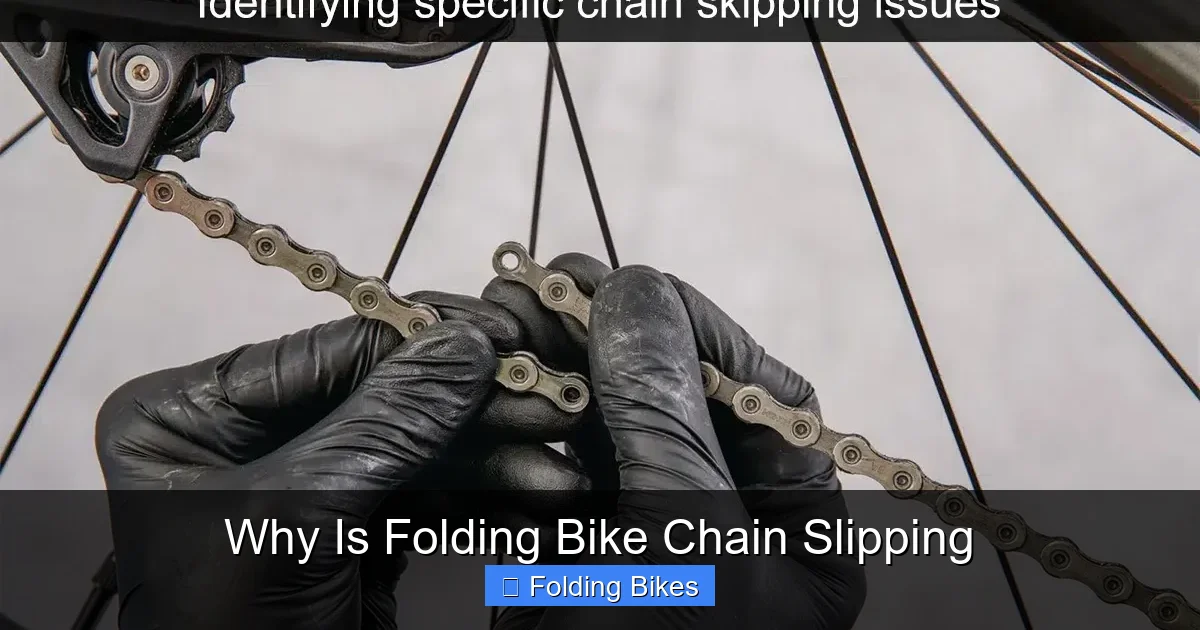
Visual guide about Why Is Folding Bike Chain Slipping
Image source: gzsamebike.com
Chain slipping happens when the chain fails to grip the teeth of the cassette or chainring properly. Instead of transferring your pedaling power, it jumps or skips—especially when you apply sudden force, like climbing a hill or accelerating from a stop.
Common Causes of Chain Slipping
- Worn chain: Chains stretch over time. A stretched chain no longer meshes correctly with the gears.
- Dry or dirty chain: Lack of lubrication increases friction and accelerates wear.
- Misaligned drivetrain: Folding mechanisms can shift alignment, affecting chainline.
- Worn cassette or chainring: Even a new chain will slip on old, worn teeth.
- Loose chain tension: Especially on single-speed or belt-drive folders.
Step 2: Diagnose the Problem
Before replacing parts, diagnose the issue. Start with the simplest checks.
Check Chain Wear (Stretch)
Use a chain checker tool or a ruler. Measure 12 links (from roller to roller). If they measure more than 12 1/16 inches, your chain is stretched and needs replacing. A worn chain accelerates wear on the cassette and chainring—so don’t ignore this.
Inspect Chain Lubrication
Look at your chain. Is it dry, rusty, or covered in grime? A clean, well-lubed chain should look slightly oily but not dripping. If it’s dry, it’s time for a proper chain lubrication—even if your bike isn’t a fat-tire model, the process is similar.
Examine the Cassette and Chainring
Worn teeth are shaped like waves or hooks—not sharp and symmetrical. Shine a light and look closely. If the teeth look pointed or uneven, they’re likely worn and need replacement.
Test Chain Tension (Single-Speed Folders)
On bikes without derailleurs, press the chain midway between the chainring and rear sprocket. It should deflect about ½ inch (1–1.5 cm). Too loose? It’ll slip. Too tight? It’ll wear quickly and strain the frame.
Check Frame and Folding Joints
Repeated folding can loosen bolts or misalign the rear triangle. Inspect the hinges, clamps, and dropout alignment. A misaligned rear wheel can throw off the entire chainline.
Step 3: Fix the Chain Slip – Step-by-Step
Replace a Worn Chain
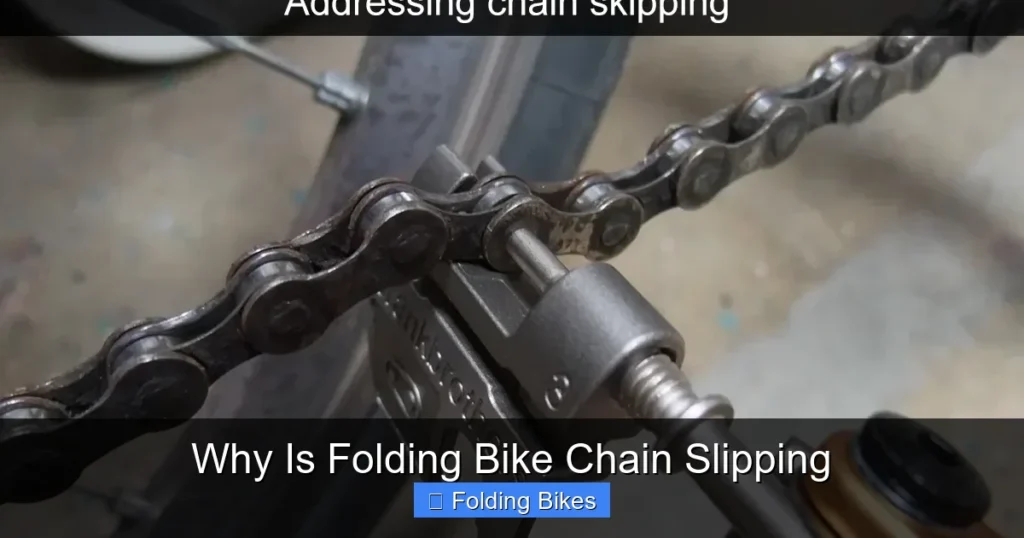
- Use a chain tool to break the old chain.
- Thread the new chain through the derailleur (if applicable) and around the cassette and chainring.
- Connect the chain using a quick link or chain pin.
- Check tension and ensure smooth shifting.
Tip: Always replace the chain before it’s too worn—this protects your more expensive cassette and chainring.
Lubricate the Chain Properly
- Clean the chain with a degreaser and brush.
- Rinse and dry thoroughly.
- Apply bike-specific lubricant to each roller while turning the pedals backward.
- Wipe off excess lube to prevent dirt buildup.
For best results, use a lubricant suited to your riding conditions. Wet lube for rain, dry lube for dust. Check out our road bike chain lubrication guide for detailed tips that apply to folding bikes too.
Adjust Derailleur Alignment
If your folding bike has a derailleur, misalignment can cause slipping.
- Shift to the smallest cog.
- Check if the derailleur pulley is directly beneath the cog.
- Use a derailleur alignment tool or gently bend the hanger if needed.
- Test shifting under light load.
Note: On compact folders, even a small bend can cause big problems—handle with care.
Tighten Chain Tension on Single-Speed Folders
- Loosen the rear axle nuts or bolts.
- Pull the wheel back to increase tension.
- Use a ruler to measure deflection—aim for ½ inch.
- Retighten the axle evenly on both sides.
- Spin the wheel to check for wobble.
Some folders have horizontal dropouts or tensioners—adjust accordingly. If your bike uses a chain tensioner, ensure it’s clean and functioning smoothly.
Replace Worn Cassette or Chainring
If your chain is new but still slips, the cassette or chainring may be worn.
- Remove the rear wheel (if replacing cassette).
- Use a cassette lockring tool to remove the old cassette.
- Install a new one of the same speed (e.g., 8-speed).
- For chainrings, remove the crank and replace the ring.
Pro Tip: Replace the chain and cassette together for best performance and longevity.
Step 4: Prevent Future Chain Slips
An ounce of prevention is worth a pound of cure—especially on a folding bike that sees frequent use and storage changes.
Clean and Lube Regularly
After every 100–200 miles or after riding in wet/dirty conditions, clean and relube your chain. This extends the life of all drivetrain components.
Store Your Bike Properly
Keep your folding bike in a dry place. Moisture leads to rust and chain wear. If you store it folded, ensure the chain isn’t pinched or under tension.
Check Folding Mechanisms
Every few weeks, inspect hinges, latches, and bolts. Tighten as needed. A loose frame can affect wheel alignment and chain tension.
Use the Right Lubricant
Not all lubes are created equal. Avoid WD-40—it’s a cleaner, not a lubricant. Choose a quality bike-specific lube. For long-term storage, consider how to store bike lubricant properly to keep it effective.
Troubleshooting Common Issues
Chain Slips Only Under Load
This usually means a worn chain or cassette. The chain can’t grip when you push hard. Replace the chain first—if slipping continues, replace the cassette.
Chain Slips in One Gear Only
Likely a worn cog or misaligned derailleur. Check that specific gear for damage or debris.
Chain Slips After Folding
Check frame alignment and chain tension. Folding can shift the rear wheel slightly. Re-tension and realign if needed.
Chain Makes Noise But Doesn’t Slip
Probably a lubrication issue. Clean and lube the chain. Also check for stiff links—flex the chain side to side to free them.
Conclusion
A slipping chain on your folding bike isn’t just annoying—it’s a safety risk. But with the right diagnosis and maintenance, you can fix it fast and prevent it from happening again. Start by checking chain wear, lubrication, and tension. Replace worn parts promptly, and keep your folding mechanisms tight and aligned.
Remember: folding bikes are built for convenience, but they still need regular care. A little attention every few weeks keeps your rides smooth, safe, and enjoyable. Whether you’re commuting, touring, or just cruising, a well-maintained chain means more miles and fewer headaches.
Now get out there—and ride with confidence!



