
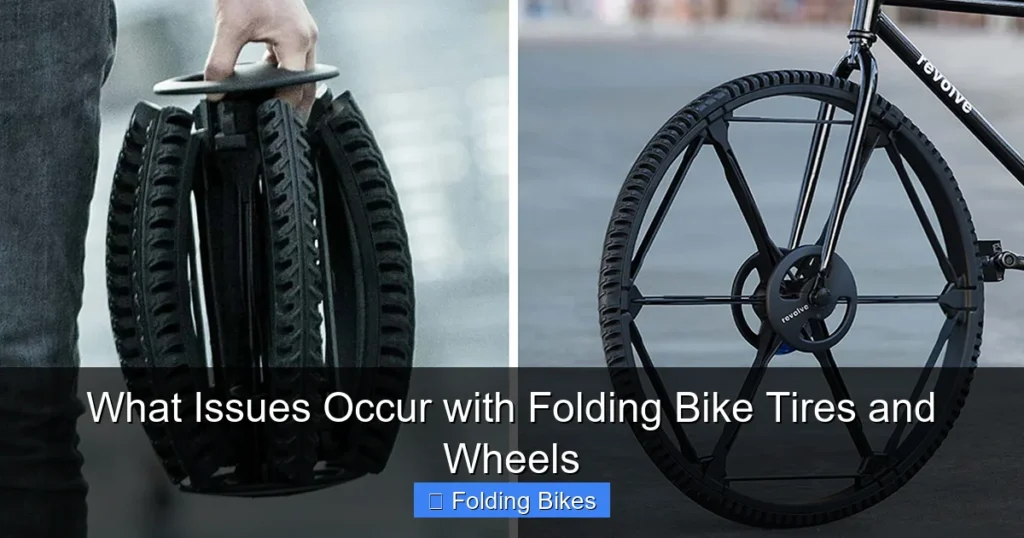
Folding bike tires and wheels face unique challenges due to compact design, frequent use, and portability. This guide covers the most common issues—like punctures, misalignment, and valve problems—and shows you how to prevent and fix them with simple, actionable steps.
Key Takeaways
- Punctures are common: Smaller tires and thinner sidewalls make folding bikes more prone to flats from sharp objects or pinch flats.
- Wheel misalignment happens often: Folding mechanisms and frequent assembly can lead to wobbly or out-of-true wheels if not checked regularly.
- Valve issues are frequent: Presta valves on folding bikes can get damaged during folding or storage if not protected properly.
- Low tire pressure is a hidden risk: Underinflated tires increase rolling resistance and the chance of rim damage or pinch flats.
- Sealant helps prevent leaks: Using tire sealant in tubeless or tube setups can stop small punctures before they become big problems.
- Regular maintenance prevents major issues: Simple checks before each ride save time, money, and frustration down the road.
- Proper storage protects tires and wheels: Avoiding heat, moisture, and UV exposure extends tire life and keeps wheels aligned.
What Issues Occur with Folding Bike Tires and Wheels
Folding bikes are perfect for commuters, travelers, and city riders who value portability and convenience. But their compact design and frequent folding action create unique challenges for tires and wheels. Unlike standard bikes, folding bikes often use smaller wheels—like 16” or 20”—and lightweight components that can wear faster or get damaged more easily.
In this guide, you’ll learn about the most common tire and wheel problems on folding bikes, how to spot them early, and what you can do to fix or prevent them. Whether you’re a daily rider or just use your folding bike on weekends, understanding these issues will help you ride safer and longer.
Common Tire Problems on Folding Bikes
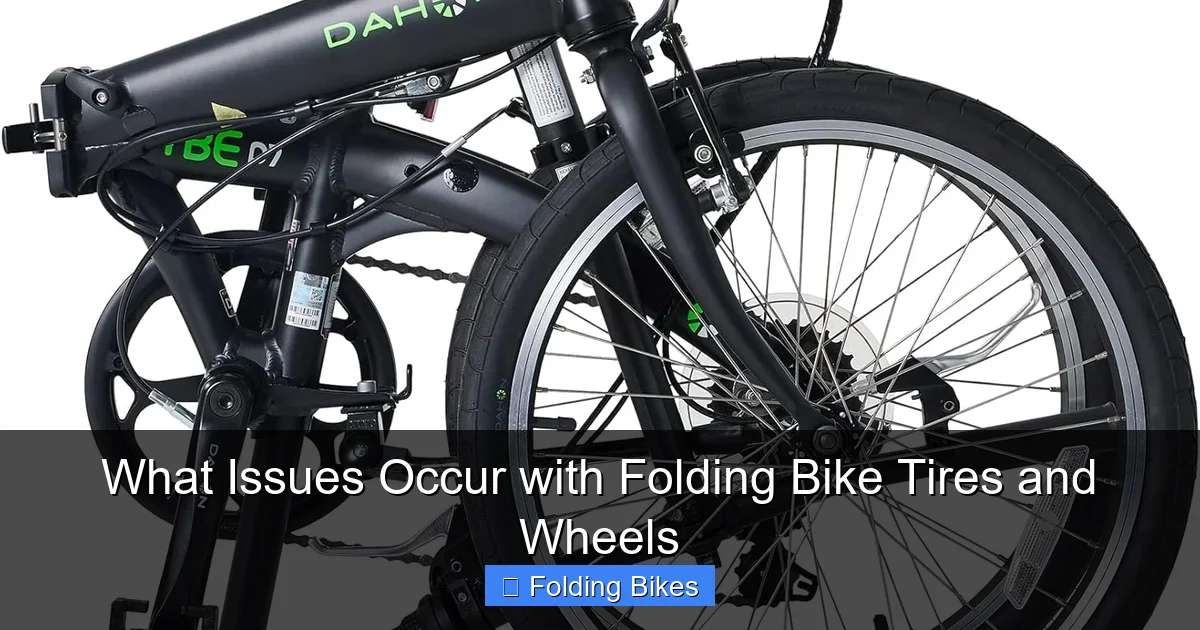
Visual guide about What Issues Occur with Folding Bike Tires and Wheels
Image source: m.media-amazon.com
Folding bike tires are more vulnerable than those on full-sized bikes. Their smaller size, thinner walls, and frequent use in urban environments make them prone to several issues.
Punctures and Flats
Punctures are the number one tire problem for folding bikes. Smaller tires have less air volume, so even a tiny hole can cause a rapid flat. Common causes include:
– Glass, nails, or thorns on city streets
– Pinch flats from hitting curbs or potholes at low pressure
– Wear and tear from rough surfaces
Tip: Carry a portable repair kit and learn how to patch a tube or replace it quickly. For extra protection, consider using puncture-resistant tires or adding sealant.
Low Tire Pressure
Underinflated tires are a silent problem. Many riders don’t check pressure regularly, but low air leads to:
– Increased rolling resistance (making pedaling harder)
– Higher risk of pinch flats
– Premature tire wear
– Poor handling and stability
Check your tire pressure at least once a week. Use a reliable gauge and inflate to the PSI listed on the tire sidewall. A compact pump designed for folding bikes makes this easy on the go.
Tire Wear and Cracking
Folding bike tires can degrade faster due to exposure to sunlight, heat, and frequent folding. Look for:
– Cracks along the sidewalls
– Bald spots or smooth tread
– Brittle rubber that peels or flakes
Replace tires at the first sign of cracking—don’t wait for a flat. Cracked tires can fail suddenly, especially at high speeds.
Valve Damage and Air Leaks
Most folding bikes use Presta valves, which are slim and lightweight but fragile. Common valve issues include:
– Bent or broken valve stems from folding
– Loose valve cores that leak air
– Dirt or debris clogging the valve
Prevention tip: Always fold your bike gently, avoiding pressure on the valve. Use a valve cap to keep dirt out. If your valve leaks, try tightening the core with a valve tool or replace the tube.
Common Wheel Problems on Folding Bikes
Wheels on folding bikes face extra stress from repeated assembly, compact hubs, and small rims. These factors can lead to alignment and stability issues.
Wobbly or Out-of-True Wheels
A wobbly wheel (also called “wheel trueness”) happens when the rim isn’t perfectly round or straight. This causes:
– Uneven tire wear
– Poor braking performance
– A shaky, uncomfortable ride
Causes include:
– Frequent folding and unfolding
– Impact from potholes or curbs
– Loose or worn spokes
How to check: Spin the wheel and watch the rim. If it moves side to side or up and down, it’s out of true.
Fix it: Use a spoke wrench to tighten or loosen spokes. If you’re not confident, visit a bike shop. Regular wheel maintenance is key—learn more in our guide on how to maintain bike wheels.
Loose or Misaligned Quick-Release Axles
Many folding bikes use quick-release levers to remove wheels easily. But if not tightened properly, they can:
– Cause the wheel to shift during riding
– Lead to uneven braking
– Damage the frame or fork
Safety tip: Always double-check that the quick-release is fully closed and tight before riding. For added security, consider using a locking skewer. Learn more in our article on how to lock bike with quick release wheels.
Hub and Bearing Issues
Small wheels mean smaller hubs, which can wear out faster. Signs of hub problems include:
– Grinding or roughness when spinning the wheel
– Excessive play (side-to-side movement)
– Clicking or popping noises
These issues often stem from dirt, moisture, or lack of lubrication. Clean and grease your hubs every 6–12 months, or take your bike to a shop for a full service.
Prevention and Maintenance Tips
The best way to avoid tire and wheel problems is regular care. Here’s how to keep your folding bike in top shape.
Check Tire Pressure Weekly
Use a portable pump with a built-in gauge. Inflate to the recommended PSI—usually between 65–100 PSI for folding bikes. Don’t guess; underinflation is a leading cause of flats.
Inspect Tires Before Every Ride
Look for:
– Cuts, cracks, or embedded objects
– Uneven wear patterns
– Bulges or weak spots
Remove any debris with tweezers or a pick. If you find a cut longer than 1/4 inch, replace the tire.
Use Tire Sealant
Adding sealant to your tubes or using tubeless setups can stop small punctures instantly. It’s especially useful for city riding where glass and thorns are common. Check out our guide on how to install bike tires with sealant for step-by-step instructions.
Store Your Bike Properly
Keep your folding bike in a cool, dry place away from direct sunlight. UV rays and heat can dry out rubber and weaken tires over time. If storing for long periods, slightly deflate the tires to reduce stress on the sidewalls.
Lubricate Moving Parts
Apply light grease to the quick-release mechanisms, hub bearings, and folding joints. This prevents rust and ensures smooth operation.
Troubleshooting Common Issues
Even with care, problems can happen. Here’s how to handle the most frequent ones.
Flat Tire on the Go
1. Remove the wheel using the quick-release.
2. Take off the tire and locate the puncture.
3. Patch the tube or replace it with a spare.
4. Reinstall the tire, inflate, and reattach the wheel.
Always carry a spare tube, tire levers, and a mini pump.
Wobbly Wheel After Folding
If your wheel wobbles after unfolding:
1. Check that the axle is fully seated in the dropouts.
2. Tighten the quick-release or thru-axle.
3. Spin the wheel and check for trueness.
4. If still wobbly, adjust spoke tension or visit a shop.
Valve Won’t Hold Air
1. Remove the valve cap and press the valve core to release air.
2. If air leaks, the core may be loose—tighten it with a valve tool.
3. If it still leaks, replace the tube or use a new valve core.
Conclusion
Folding bike tires and wheels face unique challenges, but most issues are preventable with regular care and attention. By checking tire pressure, inspecting for wear, protecting valves, and maintaining wheel alignment, you can avoid flats, wobbles, and costly repairs.
Remember: a few minutes of maintenance each week can save you hours of frustration later. Invest in a good pump, carry a repair kit, and ride with confidence knowing your folding bike is ready for any journey.
With the right habits, your folding bike will stay reliable, safe, and fun to ride—whether you’re commuting to work or exploring a new city.



