
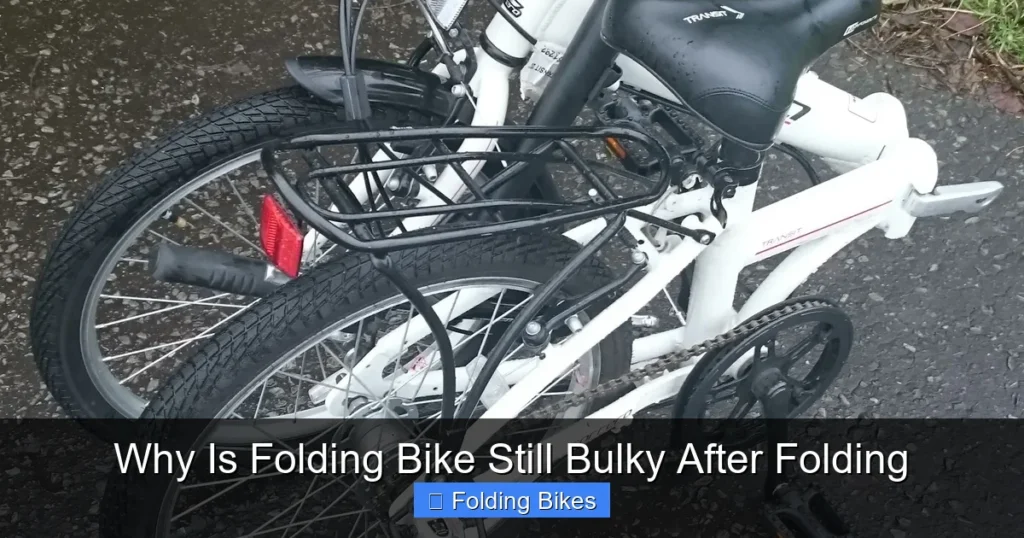
Many riders are surprised when their folding bike remains bulky even after folding. This guide explains the key reasons behind the size and offers practical tips to minimize bulk. You’ll learn how design, components, and materials affect compactness and what to look for in a truly portable fold.
Key Takeaways
- Frame design limits compactness: Hinges and folding mechanisms add bulk that can’t be eliminated.
- Wheel size affects folded size: Smaller wheels fold tighter, but most bikes use 16″–20″ wheels for balance.
- Handlebars and pedals add volume: Non-folding or wide parts stick out, increasing overall dimensions.
- Materials matter: Steel frames are strong but heavy; aluminum and carbon reduce weight but not always size.
- Proper folding technique helps: Learning the right steps can reduce bulk by 10–15%.
- Storage accessories improve portability: Using straps, bags, or covers makes transport easier despite bulk.
- Choose the right model: Some bikes are built for ultra-compact folding—research before buying.
Why Is Folding Bike Still Bulky After Folding?
You bought a folding bike to save space and make commuting easier. But when you fold it, it still looks big and awkward to carry. You’re not alone. Many riders face this frustration. The truth is, folding bikes are designed to be more compact than regular bikes—but they’re not magic. They still have parts that stick out, hinges that add thickness, and components that don’t collapse completely.
In this guide, you’ll learn why folding bikes stay bulky after folding. We’ll break down the design choices, materials, and mechanics that affect size. You’ll also get step-by-step tips to fold your bike more efficiently and choose a model that fits your space needs. By the end, you’ll understand what’s normal—and what’s not—when it comes to folded bike size.
Understanding Folding Bike Design
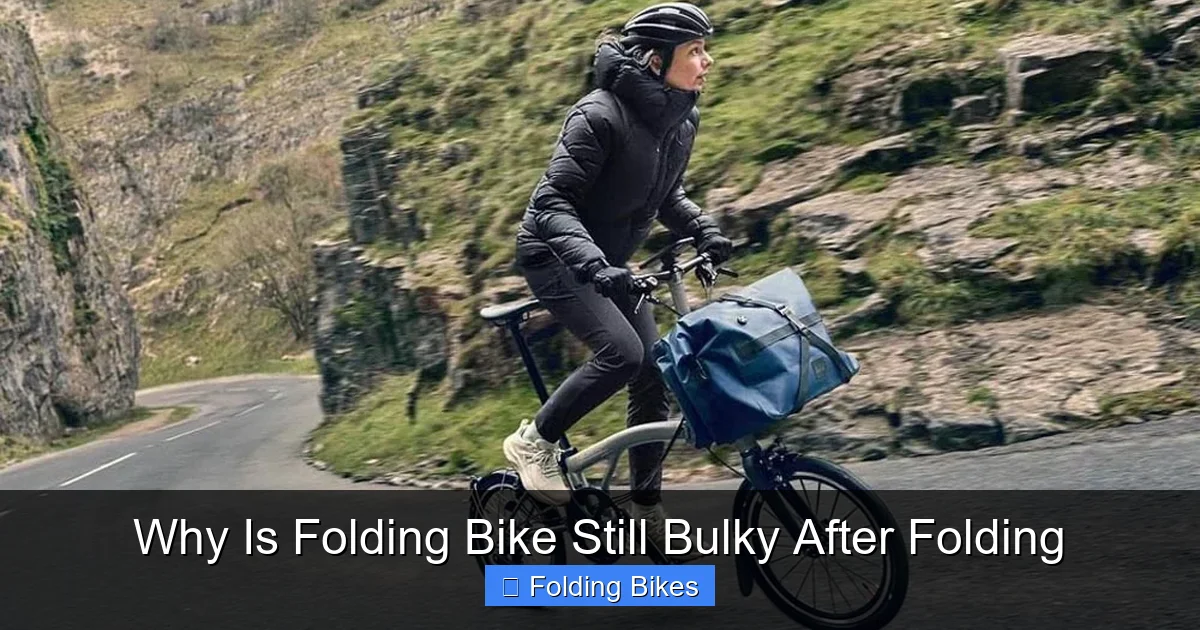
Visual guide about Why Is Folding Bike Still Bulky After Folding
Image source: media.polygonbikes.com
Folding bikes are engineering marvels. They balance portability, strength, and ride quality. But every design choice has a trade-off. Let’s look at the main parts that affect how compact your bike becomes.
Frame Hinges and Joints
The frame is the backbone of your bike. Most folding bikes have a main hinge near the middle, allowing the frame to fold in half. But hinges aren’t invisible. They add thickness and can’t be flattened completely. Some bikes use multiple hinges for better folding, but each joint adds a few centimeters of bulk.
For example, a typical hinge might be 3–5 cm thick. When folded, two hinge points can add 6–10 cm to the overall depth. That’s why even well-designed bikes don’t collapse into a flat pancake.
Wheel Size and Placement
Wheels are one of the biggest space hogs. Most folding bikes use 16″, 18″, or 20″ wheels. Smaller wheels fold tighter, but they can feel unstable on rough roads. Larger wheels offer a smoother ride but take up more space.
When folded, wheels often sit side by side or slightly offset. This creates a “bulge” that can’t be avoided. Some bikes let you remove wheels, but that’s not practical for daily use. A 20″ wheel has a diameter of about 50 cm—so even folded, it adds significant width.
Handlebar and Stem Design
Handlebars are tricky. Some fold down, some swivel, and some detach. But even folding handlebars have limits. Wide bars don’t tuck neatly. A typical drop bar might be 40–44 cm wide. When folded, it sticks out unless the bike has a special swivel or telescoping stem.
Some high-end models use rotating stems that turn the bars 90 degrees, reducing width. But this adds complexity and cost. Most budget bikes skip this feature, leaving bars sticking out.
Pedals and Crankarms
Pedals are another source of bulk. Many folding bikes have foldable pedals that tuck in. But even folded, they add a few centimeters. Crankarms (the arms that connect pedals to the chainring) also stick out. Unless the bike has a special crank design, these parts can’t be flattened.
Some bikes use offset cranks or removable pedals to reduce size. But again, this adds cost and complexity.
Materials and Their Impact on Size
You might think lighter materials mean smaller bikes. Not always. Let’s see how materials affect folded size.
Steel Frames: Strong but Bulky
Steel is durable and absorbs vibrations well. But it’s heavy and thick. Steel tubes can’t be made as thin as aluminum without losing strength. So steel frames often have larger diameters, adding bulk even when folded.
A steel folding bike might weigh 14–16 kg and still look chunky when folded. It’s strong, but not the best for tight spaces.
Aluminum Frames: Light and Slim
Aluminum is lighter and allows thinner tubes. This helps reduce weight and can make the frame sleeker. But aluminum doesn’t fold smaller—it just feels lighter. The hinges and joints still take up space.
Aluminum bikes often weigh 10–13 kg. They’re easier to carry, but the folded size is similar to steel models.
Carbon Fiber: The Premium Option
Carbon fiber is strong, light, and can be molded into complex shapes. Some high-end folding bikes use carbon to reduce weight and improve aerodynamics. But carbon doesn’t shrink the folded size. It just makes the bike lighter and more expensive.
A carbon folding bike might cost $2,000+, but it won’t fold smaller than a $500 aluminum model. The real benefit is weight, not compactness.
How to Fold Your Bike for Maximum Compactness
Even with design limits, you can reduce bulk with the right folding technique. Here’s a step-by-step guide.
Step 1: Prepare the Bike
Start with the bike upright. Remove any bags or accessories. Lower the seat all the way. This gives you more room to work and reduces height.
Step 2: Fold the Handlebars
If your bike has folding handlebars, release the clamp and fold them down or swivel them sideways. Some bikes let you rotate the stem 90 degrees. Do this to minimize width.
Tip: Practice this motion a few times. It should take 5–10 seconds once you’re used to it.
Step 3: Fold the Pedals
Flip the pedals inward. Most folding pedals have a lever or button. Press it and swing the pedal toward the frame. Do both sides.
Note: Some pedals fold flat; others stick out slightly. Check your model’s design.
Step 4: Fold the Frame
Release the main frame hinge. Most bikes have a quick-release lever or clamp. Pull it and fold the bike in half. The rear wheel should tuck under the front.
Tip: Hold the bike by the seat and handlebars to control the fold. Don’t let it drop.
Step 5: Secure the Fold
Use the built-in latch or strap to lock the bike in place. Some bikes have magnets or clips. Make sure it’s secure before lifting.
Step 6: Adjust for Transport
If your bike has a carry handle, use it. If not, lift by the frame near the hinge. Keep the wheels aligned to avoid snagging.
Pro Tip: Use a folding bike cover or bag. It protects the bike and makes it easier to carry, even if it’s still bulky.
Troubleshooting Common Folding Issues
Even with good technique, you might run into problems. Here’s how to fix them.
Problem: Bike Won’t Fold Flat
This usually means something is blocking the fold. Check for:
- Loose cables or hoses
- Misaligned hinges
- Seat post not lowered enough
Solution: Lower the seat, check hinge alignment, and tuck cables neatly.
Problem: Pedals Won’t Stay Folded
Foldable pedals can loosen over time. Tighten the pivot screw with a hex key. If it’s worn, replace the pedal.
Problem: Handlebars Stick Out Too Much
If your bars don’t swivel, consider upgrading to a model with rotating stems. Or, use a bungee cord to tie them closer to the frame.
Choosing a Truly Compact Folding Bike
Not all folding bikes are created equal. If portability is your top priority, look for these features:
- Small wheels (16″ or 18″): They fold tighter and reduce overall size.
- Rotating handlebars: These cut width by turning the bars sideways.
- Foldable pedals: Essential for reducing side bulk.
- Telescoping seat post: Lets you lower the seat completely.
- Integrated carry handle: Makes transport easier, even if the bike is bulky.
Also, check the folded dimensions before buying. A good compact model might fold to 70 cm x 50 cm x 30 cm. That’s still not tiny, but it’s manageable for trains, buses, or small apartments.
For example, the Brompton bike is known for its ultra-compact fold. It uses 16″ wheels, a rotating handlebar, and a clever hinge system. When folded, it’s about the size of a small suitcase. But it’s also more expensive.
If you’re on a budget, look for models like the Dahon Mariner or Tern Link. They offer a good balance of price and portability.
Using Accessories to Improve Portability
Even if your bike stays bulky, accessories can help.
Folding Bike Bags and Covers
A padded bag protects your bike and makes it easier to carry. Some bags have wheels and handles, turning your bike into a rolling suitcase. Look for one that fits your folded dimensions.
Straps and Bungee Cords
Use straps to compress the folded bike. This won’t reduce size much, but it keeps parts from shifting. Bungee cords can hold pedals or handlebars in place.
Storage Solutions
If you store your bike at home or work, consider a wall mount or vertical stand. This saves floor space and keeps the bike secure.
For long-term storage, check out our guide on how to store bike lubricant to keep your chain in top shape.
Conclusion
Folding bikes are convenient, but they’re not invisible. The reason your folding bike is still bulky after folding comes down to design, materials, and mechanics. Hinges, wheels, handlebars, and pedals all add volume that can’t be eliminated.
But that doesn’t mean you’re stuck with a clumsy ride. By understanding the limits and using the right techniques, you can reduce bulk and improve portability. Choose a model with compact features, fold it properly, and use accessories to make transport easier.
Remember, a folding bike’s goal isn’t to disappear—it’s to fit into your life. Whether you’re commuting, traveling, or storing it in a small space, the right approach makes all the difference.
For more tips on bike care, check out our guide on best folding bike pump to keep your tires ready for the road. And if you’re planning long rides, learn how to prepare a mountain bike for long rides—even folding bikes need prep for big adventures.
With the right knowledge, your folding bike can be both functional and portable—no magic required.



