
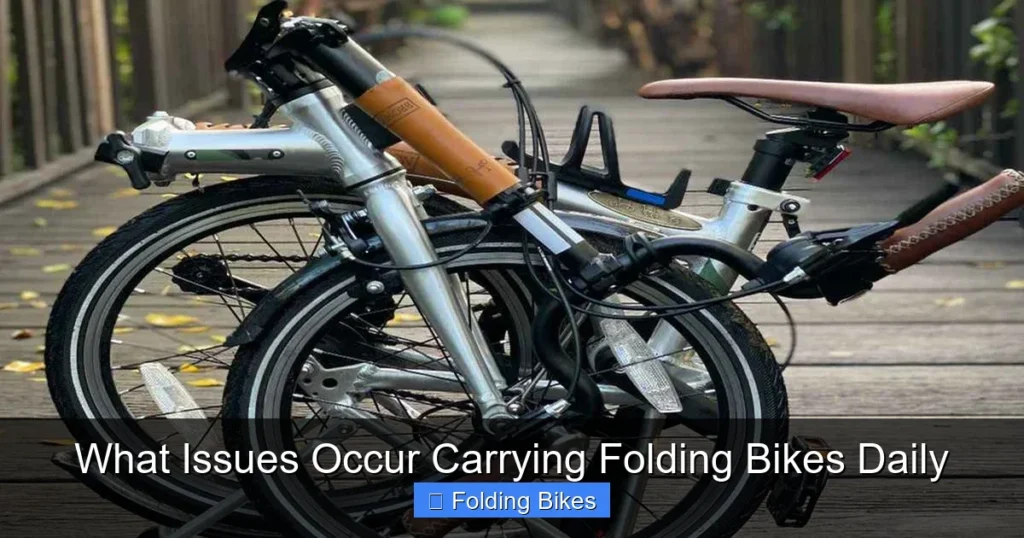
Carrying a folding bike daily can be convenient, but it comes with challenges like weight, bulk, and wear. This guide covers real-world problems and smart fixes to help you ride and carry with confidence.
Key Takeaways
- Weight and balance issues: Many folding bikes are heavier than expected, making them hard to carry for long distances or up stairs.
- Bulky folded size: Even when folded, some bikes don’t fit well in tight spaces like buses, trains, or small apartments.
- Wear and tear on hinges: Frequent folding and unfolding can loosen joints or damage locking mechanisms over time.
- Carrying discomfort: Poor handle placement or lack of a shoulder strap can cause strain on your back, arms, or shoulders.
- Weather exposure: Rain, snow, and dirt can damage components if the bike isn’t protected during transport.
- Security concerns: Carrying a folded bike in public may draw attention or make it harder to lock securely.
- Limited storage options: Not all public transit or workplaces accommodate folded bikes easily.
Introduction: Why Carrying Folding Bikes Daily Isn’t Always Easy
Folding bikes are designed for convenience—compact, portable, and perfect for mixed-mode commuting. But if you carry one daily, you’ll quickly realize that “foldable” doesn’t always mean “easy to carry.” From heavy frames to awkward shapes, real-world use reveals a range of issues that can turn a simple trip into a struggle.
In this guide, you’ll learn about the most common problems people face when carrying folding bikes every day. We’ll walk through each issue step by step, offer practical solutions, and share tips to make your commute smoother. Whether you’re navigating subway stairs, storing your bike under a desk, or protecting it from the rain, this guide has you covered.
Issue 1: Weight and Balance Problems
One of the biggest surprises for new folding bike owners is how heavy these bikes can be—even when folded. Many models weigh between 25 and 35 pounds, which is manageable for short carries but exhausting over time.
Visual guide about What Issues Occur Carrying Folding Bikes Daily
Image source: cdn.shopify.com
Why Weight Matters
Unlike a backpack or suitcase, a folded bike doesn’t distribute weight evenly. The frame, wheels, and handlebars create uneven pressure points, making it hard to carry comfortably. This is especially true when climbing stairs or walking long distances.
How to Reduce the Strain
- Choose a lighter model: Look for bikes with aluminum or carbon frames. For example, some folding mountain bikes for bikepacking are built with lightweight materials to improve portability.
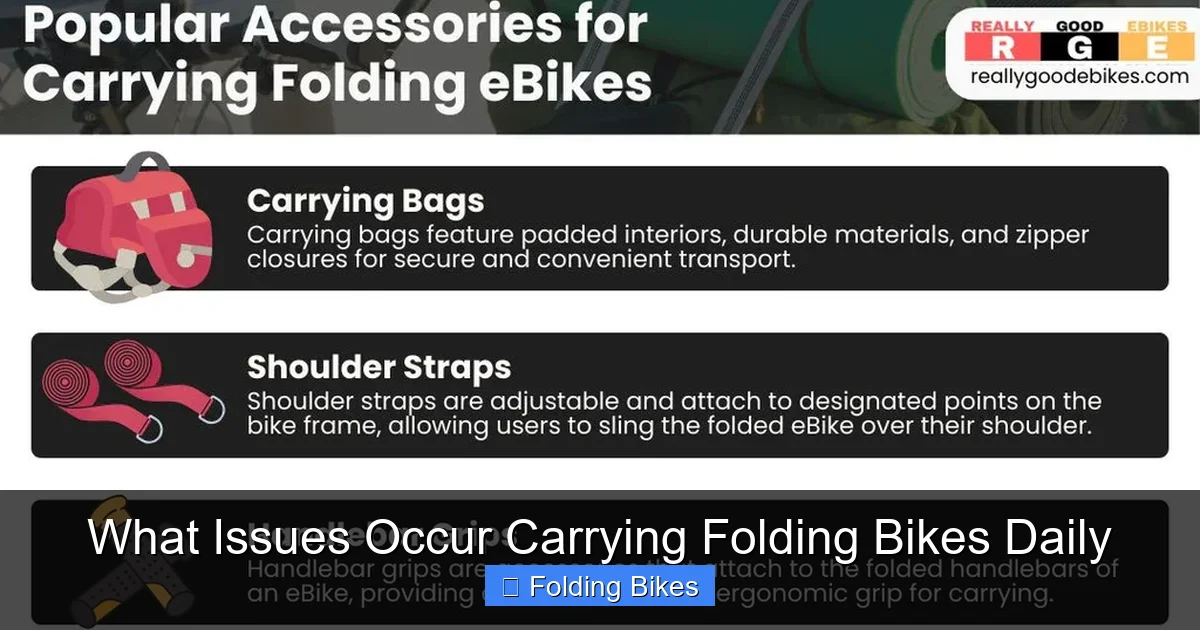
- Use a shoulder strap: Many folding bikes come with or support add-on straps. These let you carry the bike like a backpack, freeing your hands and reducing arm fatigue.
- Practice proper lifting: Bend your knees, keep your back straight, and lift with your legs—not your spine. This prevents injury during frequent carries.
Issue 2: Bulky Folded Size
Even when folded, some bikes are larger than expected. A compact fold is great on paper, but in reality, a bike that’s 30 inches long when folded may not fit under a train seat or in a crowded bus aisle.
Measuring Your Bike’s Real Footprint
Check the folded dimensions (length × width × height) before buying. Compare them to the space you’ll use daily—like under your office desk or in a bike storage locker.
Tips for Better Fit
- Remove the seatpost: Some bikes allow you to drop or remove the seatpost for a tighter fold. This can shave several inches off the height.
- Use a bike cover: A slim, padded cover can help the bike slide into tight spaces and protect it from scratches.
- Look for vertical storage: Some commuters stand their folded bike upright like a suitcase. This works well if the bike has a stable base and a carry handle near the bottom.
Issue 3: Wear and Tear on Hinges and Locks
Folding bikes rely on hinges, latches, and locking mechanisms to stay secure. Daily folding and unfolding can wear these parts down, leading to loose joints or failure over time.
Signs of Wear
- The frame wobbles when unfolded.
- Hinges feel loose or make clicking sounds.
- Locking pins don’t engage smoothly.
How to Maintain Your Bike’s Joints
- Lubricate regularly: Use a light bike-specific lubricant on hinges and latches every few weeks.
- Tighten bolts: Check and tighten all folding mechanism bolts monthly. A small toolkit carried in your bag can help.
- Avoid forcing the fold: If the bike doesn’t fold easily, don’t force it. Check for debris or misalignment first.
Issue 4: Carrying Discomfort and Ergonomics
Carrying a folded bike isn’t like carrying luggage. The shape, weight distribution, and lack of ergonomic handles can lead to sore shoulders, cramped hands, or back pain.
Common Carrying Mistakes
- Holding the bike by the handlebars—this strains your wrist.
- Carrying it on one shoulder without a strap—this causes imbalance.
- Lifting with your back instead of your legs—this increases injury risk.
Solutions for Comfort
- Use a padded shoulder strap: Look for models with wide, cushioned straps. Some riders even repurpose camera or guitar straps.
- Carry near your body: Keep the bike close to your torso to improve balance and reduce strain.
- Switch hands frequently: If you must carry by hand, alternate arms every few minutes to avoid fatigue.
Issue 5: Weather and Dirt Exposure
Carrying your bike through rain, snow, or muddy streets can damage components and make your bag or clothes dirty. Water can seep into bearings, and grit can clog folding mechanisms.
Protecting Your Bike from the Elements
- Use a weatherproof cover: A lightweight, waterproof bike cover keeps your folded bike dry and clean. See our guide on weatherproofing tips for mountain bikes for material recommendations.
- Wipe down after wet rides: Use a microfiber cloth to dry the frame, hinges, and chain before folding.
- Store indoors when possible: Avoid leaving your folded bike in damp garages or outdoor racks overnight.
Bonus Tip: Fenders Help
Even when carrying, fenders reduce splashback from wet roads. If your bike supports them, consider installing wide fenders to keep both you and your bike cleaner.
Issue 6: Security While Carrying
A folded bike may seem less tempting to thieves, but it’s still valuable. Carrying it openly can draw unwanted attention, and locking it in public while folded is tricky.
Smart Security Practices
- Use a compact lock: A folding lock is lightweight and easy to carry. It’s ideal for quick stops when your bike is folded.
- Keep it close in crowds: In busy areas, hold your folded bike tightly or place it between your legs while sitting.
- Avoid leaving it unattended: Even folded, don’t leave your bike in a café or train station without supervision.
Issue 7: Limited Storage and Transit Compatibility
Not all public transit systems welcome folded bikes. Some buses have size limits, and trains may restrict bike access during peak hours.
Know Your Transit Rules
- Check local guidelines: Many cities allow folded bikes at all times, while others ban them during rush hour.
- Measure your bike: Ensure it fits within size limits (often under 30″ × 18″ × 12″).
- Be courteous: Fold your bike completely and avoid blocking aisles or doors.
Workplace and Home Storage
- Under-desk storage: Measure the space under your desk. Some bikes fit perfectly; others need a storage bag.
- Bike lockers or racks: If your office has bike storage, ask if folded bikes are allowed. Some racks are designed for full-size bikes only.
- Wall mounts: For home use, a wall-mounted hook can keep your folded bike off the floor and out of the way.
Troubleshooting Common Carrying Problems
Even with the best preparation, issues can arise. Here’s how to handle them:
Bike Won’t Fold Smoothly
- Check for dirt or rust in the hinges.
- Lubricate moving parts.
- Ensure all latches are fully released before folding.
Strap Keeps Slipping Off
- Adjust the strap length for a snug fit.
- Use a non-slip pad between the strap and your shoulder.
- Consider a dual-strap system for better stability.
Bike Feels Unstable When Carried
- Make sure the frame is fully locked in the folded position.
- Carry the bike by the designated handle—not the wheels or pedals.
- Use a carrying case with rigid sides for support.
Conclusion: Make Carrying Your Folding Bike Easier
Carrying a folding bike daily isn’t always as simple as it looks. Weight, size, weather, and wear can all turn a convenient ride into a daily hassle. But with the right strategies—like using a shoulder strap, maintaining hinges, and choosing the right accessories—you can overcome these challenges.
Remember, the best folding bike for daily carrying is one that fits your lifestyle. Consider weight, folded size, and ease of use when choosing your model. And don’t forget the small upgrades—like a folding bike pump or a compact lock—that make commuting smoother.
With a little preparation, your folding bike can be the ultimate tool for flexible, stress-free travel.



