
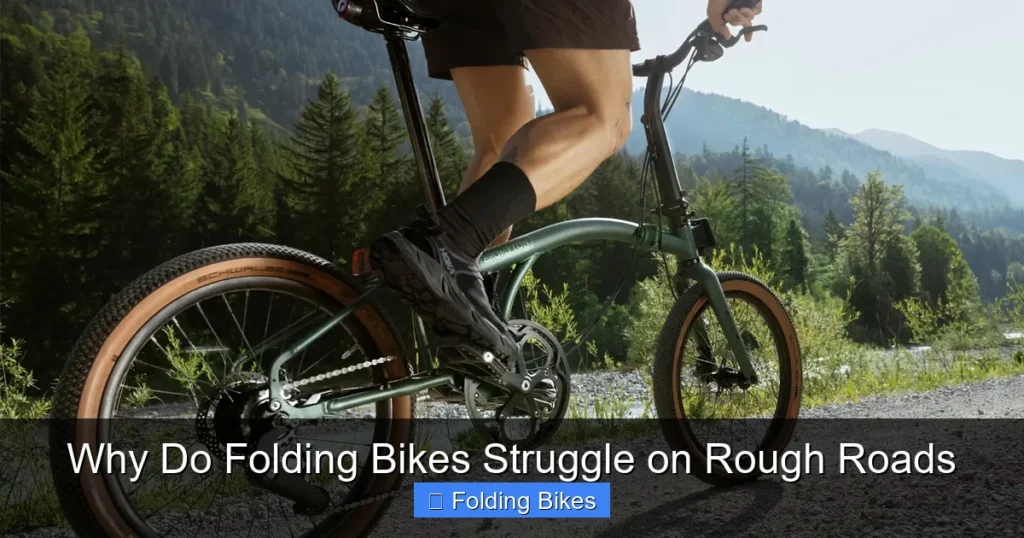
Folding bikes are compact and convenient, but their design makes them less stable and less comfortable on rough roads. This guide explains the key reasons behind their poor performance on uneven surfaces and offers actionable solutions to help you ride more smoothly.
Key Takeaways
- Small wheels reduce stability and shock absorption: Folding bikes typically use 16″ to 20″ wheels, which can’t roll over bumps as easily as larger wheels.
- Stiffer frames transfer more vibration: The compact frame design lacks flexibility, sending road shocks directly to the rider.
- Limited suspension options: Most folding bikes don’t include suspension systems, making rough terrain more jarring.
- Higher tire pressure increases discomfort: Narrow tires often run at high PSI, reducing grip and comfort on uneven surfaces.
- Lower center of gravity affects handling: The folded design shifts weight distribution, making the bike feel twitchy on bumps.
- Improper setup worsens the ride: Incorrect tire pressure, seat height, or handlebar position can amplify discomfort.
- Simple upgrades can make a big difference: Wider tires, suspension seatposts, and fenders can significantly improve ride quality.
Introduction: Why Folding Bikes Struggle on Rough Roads
Folding bikes are perfect for city commuting, public transport, and small storage spaces. But when it comes to rough roads—think potholes, gravel paths, or cracked pavement—they often fall short. If you’ve ever felt every bump and jolt while riding a folding bike, you’re not alone. This guide will explain why folding bikes struggle on rough terrain and show you how to make your ride smoother and more comfortable.
We’ll break down the design limitations, explore how each component affects performance, and offer practical tips to improve your experience. Whether you’re riding on city streets or light trails, these insights will help you get the most out of your folding bike—even on bumpy roads.
1. The Problem with Small Wheels
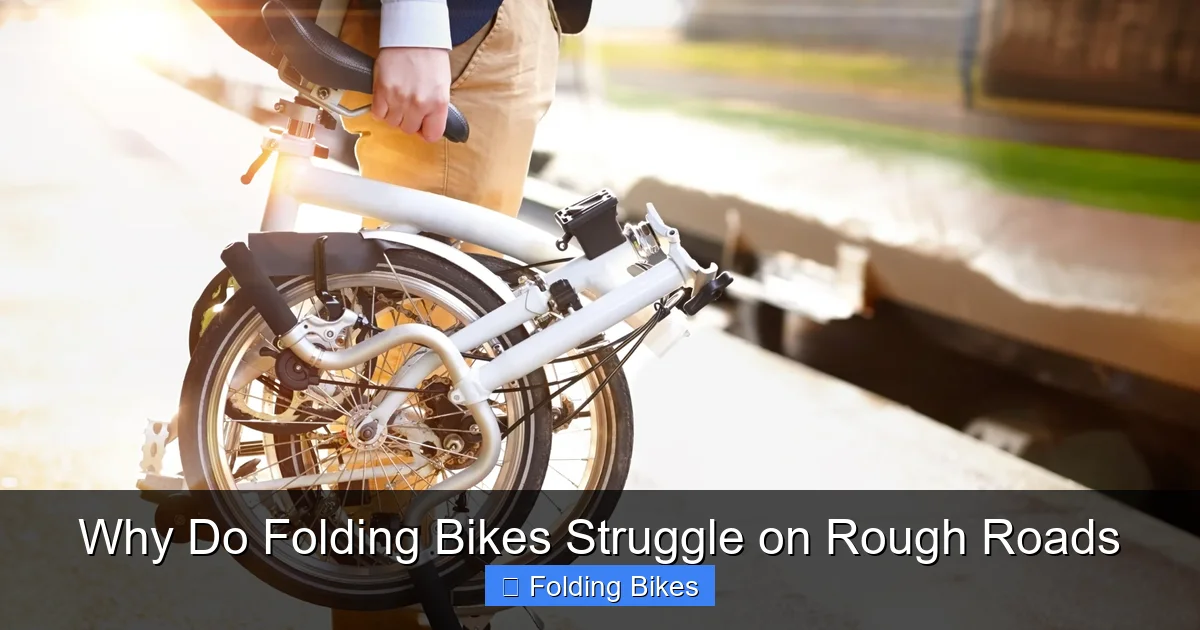
One of the biggest reasons folding bikes struggle on rough roads is their small wheel size. Most folding bikes use wheels between 16 and 20 inches in diameter, compared to the 26 to 29 inches found on standard mountain or hybrid bikes.
Visual guide about Why Do Folding Bikes Struggle on Rough Roads
Image source: cdn.mos.cms.futurecdn.net
Why Smaller Wheels Are Less Stable
Smaller wheels have less momentum and can’t roll over obstacles as easily. When you hit a pothole or crack, the wheel drops into it more abruptly, sending a shock up through the frame. Larger wheels, by contrast, “bridge” over small bumps, maintaining smoother forward motion.
Reduced Shock Absorption
Smaller wheels also have less air volume, which means less natural cushioning. Even with the same tire pressure, a 20-inch wheel holds less air than a 26-inch one, so it can’t absorb impacts as well. This makes every bump feel sharper and more direct.
Tip: Choose Wider Tires
Upgrading to wider tires (like 1.75” or 2.0”) can help. Wider tires hold more air and can be run at lower pressures, improving grip and comfort. For example, switching from a narrow 1.25” tire to a 1.75” model can make a noticeable difference on gravel or uneven pavement. Check out our guide on what size bike tire do I need to find the best fit for your bike.
2. Stiff Frame Design Transfers Vibrations
Folding bikes are built to be compact and lightweight, which often means stiffer frames. While this helps with portability, it also means less flexibility—and that translates to more vibration reaching your body.
No Natural Flex in the Frame
Unlike steel touring bikes or full-suspension mountain bikes, most folding bikes use aluminum or carbon frames with minimal flex. This rigidity is great for efficiency on smooth roads but harsh on rough terrain. Every bump gets transferred directly to your hands, arms, and back.
Hinges and Joints Can Rattle
The folding mechanism itself—especially if not perfectly maintained—can introduce play or looseness. Over time, hinges and locking mechanisms may wear, causing subtle rattling that amplifies discomfort on bumpy roads. Regular maintenance is key to keeping these parts tight and secure.
Tip: Use a Suspension Seatpost
A suspension seatpost acts like a mini shock absorber between your seat and the frame. It’s one of the easiest and most effective upgrades for improving comfort. Look for models designed for small-frame bikes, and ensure compatibility with your seat tube diameter. For more on comfort upgrades, see our article on the best seatpost for road bikes, which includes options suitable for folding models.
3. Lack of Suspension Systems
Most folding bikes don’t come with suspension forks or rear shocks. This is partly due to space constraints and the need to keep weight down. But it’s a major drawback when riding on uneven surfaces.
Hardtail vs. Full Suspension: What’s Missing?
Mountain bikes often use suspension to absorb impacts. A hardtail has a front suspension fork, while full-suspension bikes have both front and rear shocks. Folding bikes typically have neither, leaving riders exposed to every bump.
Exceptions: Folding Bikes with Suspension
A few high-end folding bikes, like certain models from Brompton or Tern, offer front suspension or elastomer dampers. These can help, but they’re rare and often add cost and weight. If you frequently ride on rough roads, consider whether a folding mountain bike with better suspension might suit your needs.
Tip: Add Clip-On Mudguards for Stability
While not a suspension solution, adding fenders can improve control. They prevent water and mud from spraying up, which is especially helpful on wet, bumpy roads. They also add a small amount of weight low on the bike, which can improve stability. Learn how to install them with our guide on how to install clip-on mudguards.
4. High Tire Pressure Increases Bumpiness
Many folding bikes come with narrow, high-pressure tires designed for speed and efficiency on pavement. But high PSI (pounds per square inch) means less tire deformation, which reduces grip and comfort on rough surfaces.
The Trade-Off Between Speed and Comfort
High-pressure tires roll faster on smooth roads but offer little cushioning. On gravel or potholes, they transmit every vibration. Lowering tire pressure slightly can improve comfort—but don’t go too low, or you risk pinch flats or rim damage.
Tip: Adjust Tire Pressure for Terrain
Check your tire’s recommended PSI range (usually printed on the sidewall). For rough roads, aim for the lower end of that range. For example, if your tires are rated for 65–85 PSI, try 65–70 PSI for a softer ride. Use a reliable pump with a pressure gauge—our guide on the best folding bike pump can help you pick the right one.
5. Weight Distribution and Handling
Folding bikes often have a lower center of gravity due to their compact design and folded components. While this can improve stability at low speeds, it can also make the bike feel twitchy or less predictable on uneven terrain.
Front-Heavy or Rear-Heavy Loads
If you carry a backpack or panniers, the weight distribution can worsen handling. A heavy backpack shifts your center of gravity upward and backward, making the front wheel lighter and less stable over bumps.
Tip: Balance Your Load
Use a rear rack and panniers instead of a backpack when possible. This keeps weight lower and centered. If you must use a backpack, choose one with a waist strap to reduce sway. For tips on carrying gear safely, see our article on how to carry groceries on a bike.
Troubleshooting Common Issues
Even with the right setup, you might still face challenges on rough roads. Here’s how to troubleshoot common problems:
Bike Feels Too Bouncy or Unstable
This could be due to overly low tire pressure or a suspension seatpost that’s too soft. Adjust tire pressure upward slightly or tighten the suspension preload if adjustable.
Excessive Vibration in Handlebars
Check that your stem and handlebars are securely tightened. Add handlebar tape or ergonomic grips to absorb some shock. Avoid carbon handlebars unless they’re rated for rough use.
Folding Mechanism Feels Loose
Inspect all hinges and locking levers. Tighten bolts as needed and apply lubricant to moving parts. If parts are worn, consider replacement—don’t ride with a loose folding joint, as it can be dangerous.
Conclusion: Ride Smoother on Rough Roads
Folding bikes aren’t designed for off-road adventures, but that doesn’t mean you have to suffer on rough city streets or gravel paths. By understanding the design limitations—small wheels, stiff frames, lack of suspension, and high tire pressure—you can take steps to improve comfort and control.
Simple upgrades like wider tires, a suspension seatpost, and proper fenders can make a big difference. Adjusting tire pressure, balancing your load, and maintaining your folding mechanism will also help. With these tips, your folding bike can handle bumpy roads more smoothly—so you can enjoy the ride, no matter the terrain.



