
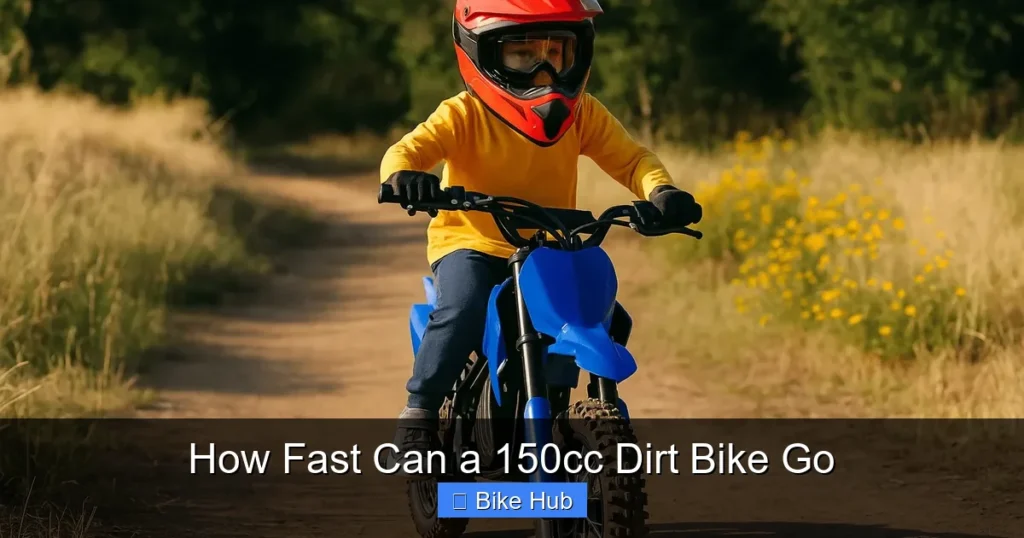
A 150cc dirt bike typically reaches speeds between 55 and 70 mph, depending on the model, rider weight, terrain, and modifications. This guide breaks down the factors that influence speed and offers practical advice to help you get the most out of your ride—safely and responsibly.
Key Takeaways
- Top speed range: Most 150cc dirt bikes hit 55–70 mph, with sport models reaching closer to 75 mph under ideal conditions.
- Bike type matters: Motocross bikes are lighter and faster than trail or enduro versions due to design and gearing.
- Rider weight impacts performance: Heavier riders may see reduced acceleration and top speed compared to lighter riders.
- Terrain and conditions play a role: Hardpack dirt allows faster speeds than mud, sand, or steep inclines.
- Maintenance is key: A well-tuned engine, clean air filter, and proper tire pressure can boost speed and efficiency.
- Modifications can help—but use caution: Upgrades like exhaust systems or sprocket changes can increase speed but may void warranties or reduce reliability.
- Safety first: Always wear protective gear and ride within your skill level, even when testing top speeds.
How Fast Can a 150cc Dirt Bike Go? A Complete Guide
If you’re new to dirt biking or considering upgrading your current ride, you’ve probably asked: *How fast can a 150cc dirt bike go?* The answer isn’t just a single number—it depends on several factors, from the bike’s design to how you maintain it. In this guide, we’ll walk you through everything you need to know about 150cc dirt bike speeds, including real-world performance, influencing factors, and tips to safely maximize your bike’s potential.
Whether you’re racing on a track, exploring trails, or just curious about your bike’s capabilities, this guide will help you understand what to expect—and how to get the best performance without compromising safety.
Understanding 150cc Dirt Bike Top Speeds
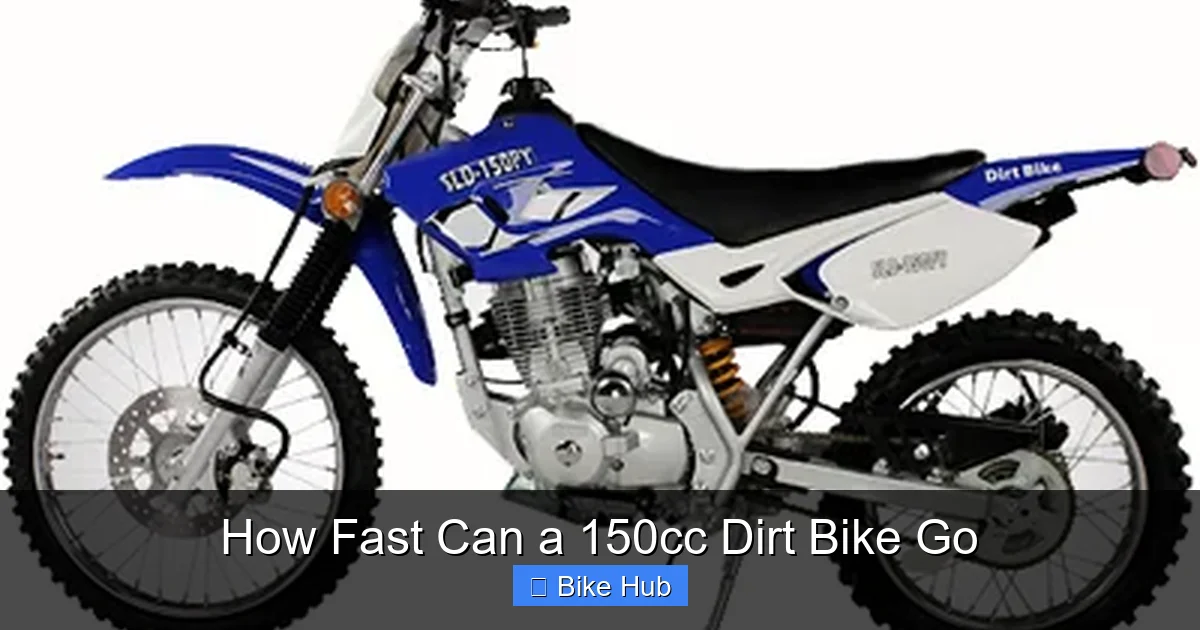
Visual guide about How Fast Can a 150cc Dirt Bike Go
Image source: mefastmotors.com
On average, a 150cc dirt bike can reach speeds between 55 and 70 miles per hour (mph). Some high-performance models, especially those built for motocross, can push closer to 75 mph under optimal conditions. However, these numbers aren’t guaranteed—they vary based on the bike’s make, model, and setup.
For example, a Yamaha YZ125 (though technically 125cc) often outperforms some 150cc bikes due to its lightweight frame and aggressive tuning. Meanwhile, a Honda CRF150F, designed more for trail riding, may top out around 60 mph. This shows that engine size alone doesn’t tell the whole story.
Real-World Speed Examples
- KTM 150 SX: A popular motocross bike that can reach up to 70–75 mph on a straight track.
- Honda CRF150R: Built for competition, this model hits around 68–72 mph with a skilled rider.
- Suzuki DR-Z150: A trail-focused bike with a top speed of about 55–60 mph, ideal for beginners.
These examples highlight how purpose-built designs affect speed. Racing bikes prioritize power and agility, while trail bikes favor durability and low-end torque.
Factors That Affect How Fast a 150cc Dirt Bike Can Go
Several variables influence your bike’s top speed. Understanding them helps you set realistic expectations and make informed decisions about upgrades or riding conditions.
1. Bike Type and Design
Dirt bikes come in different styles: motocross, enduro, trail, and dual-sport. Each has unique characteristics:
- Motocross bikes are lightweight, with high-revving engines and minimal accessories—ideal for speed.
- Enduro and trail bikes include features like lights, larger fuel tanks, and suspension tuned for comfort, which can add weight and reduce top speed.
- Dual-sport bikes are street-legal, meaning they must meet noise and emissions standards, often limiting performance.
Choosing the right type for your needs is the first step in maximizing speed.
2. Rider Weight and Position
Heavier riders exert more load on the engine and suspension, which can reduce acceleration and top speed. For example, a 120-pound rider may hit 70 mph easily, while a 200-pound rider might top out at 62 mph on the same bike.
Rider position also matters. Leaning forward reduces wind resistance, helping you go faster on straightaways. Proper body positioning during acceleration—like standing on the pegs and shifting your weight back—can improve traction and speed.
3. Terrain and Riding Conditions
You won’t hit top speed in mud or sand. Hardpack dirt, smooth tracks, or flat trails offer the best conditions for speed. Uphill climbs slow you down, while downhill sections can help you gain momentum—but always ride within your control limits.
Weather plays a role too. Hot, humid air is less dense, which can slightly reduce engine power. Cold, dry conditions often improve performance.
4. Engine Tuning and Maintenance
A well-maintained bike runs smoother and faster. Key maintenance tasks include:
- Changing the oil regularly to reduce engine friction.
- Cleaning or replacing the air filter to ensure proper airflow.
- Checking spark plugs and ignition timing for optimal combustion.
- Keeping the chain lubricated and properly tensioned.
Neglecting maintenance can lead to power loss, overheating, and reduced top speed. For detailed guidance, check out our guide on how to maintain a road bike, which covers similar principles applicable to dirt bikes.
5. Tire Type and Pressure
Tires are your bike’s only contact with the ground. Using the right tires for your terrain improves grip and speed. Knobby tires are great for dirt but create drag on hard surfaces. Street-legal tires on dual-sport bikes offer better highway performance.
Tire pressure also matters. Overinflated tires reduce traction; underinflated ones increase rolling resistance. Check your owner’s manual for recommended PSI and adjust based on conditions. For hardpack dirt, slightly lower pressure (around 12–15 PSI) can improve grip without sacrificing speed. Learn more in our article on best bike tires for hardpack dirt.
How to Safely Test Your 150cc Dirt Bike’s Top Speed
Curious about your bike’s maximum speed? Here’s a safe, step-by-step method to find out.
Step 1: Choose the Right Location
Find a long, straight, flat stretch of private land or a closed track. Avoid public roads—it’s illegal and dangerous. Make sure the area is free of obstacles, pedestrians, and vehicles.
Step 2: Warm Up the Engine
Start your bike and let it run for 5–10 minutes. Cold engines don’t perform at peak efficiency. A warm engine delivers smoother power and reduces wear during high-speed runs.
Step 3: Wear Full Protective Gear
Always wear a DOT-approved helmet, gloves, goggles, boots, and protective clothing. At high speeds, even a small fall can cause serious injury. For tips on helmet safety, see our guide on how to properly fit a bike helmet.
Step 4: Use a GPS Speedometer
Don’t rely on the bike’s built-in speedometer—many are inaccurate. Use a GPS-based app on your phone or a dedicated device like a Garmin. Mount it securely using a handlebar mount to avoid distractions.
Step 5: Perform Multiple Runs
Do at least three runs in the same direction to account for wind and minor variations. Record each speed and take the average. This gives you a more accurate top speed reading.
Step 6: Cool Down and Inspect
After testing, let the engine idle for a few minutes to cool. Check for leaks, loose bolts, or unusual noises. High-speed runs can stress components, so a quick inspection is wise.
Can You Make a 150cc Dirt Bike Go Faster?
Yes—but with caveats. Modifications can boost speed, but they may affect reliability, safety, and legality.
Common Upgrades
- Performance exhaust: Reduces backpressure and can add 3–5 mph.
- Air filter upgrade: High-flow filters improve airflow and throttle response.
- Sprocket changes: A smaller front sprocket or larger rear sprocket increases top speed (but reduces acceleration).
- Carburetor tuning or ECU flash: Optimizes fuel delivery for better performance.
Always consult a mechanic before making modifications. Some changes may void your warranty or make the bike unsafe for trail use.
Troubleshooting Slow Performance
If your 150cc dirt bike feels sluggish, here are common issues and fixes:
Bike Won’t Reach Expected Speed
- Check the air filter: A clogged filter restricts airflow. Clean or replace it.
- Inspect the spark plug: A fouled or worn plug reduces combustion efficiency.
- Verify tire pressure: Incorrect pressure affects rolling resistance.
- Look for fuel issues: Old gas or a clogged fuel line can starve the engine.
Engine Overheats at High Speed
- Ensure the radiator is clean and unobstructed.
- Check coolant levels (if liquid-cooled).
- Avoid prolonged high-RPM riding in hot weather.
Chain Slips or Feels Loose
- Tighten the chain to the manufacturer’s specification.
- Lubricate regularly to prevent wear.
Regular maintenance prevents most performance issues. For chain care tips, see our guide on how to oil a fat tire bike chain, which applies to most dirt bike chains.
Conclusion
So, how fast can a 150cc dirt bike go? The answer lies between 55 and 70 mph for most models, with some high-performance bikes reaching 75 mph. But speed isn’t just about engine size—it’s influenced by bike type, rider weight, terrain, maintenance, and setup.
To get the most out of your 150cc dirt bike, focus on regular upkeep, proper riding technique, and safe testing methods. Avoid reckless modifications, and always prioritize safety gear and controlled environments.
Whether you’re racing, trail riding, or just enjoying the thrill of speed, understanding your bike’s capabilities helps you ride smarter and safer. With the right knowledge and care, your 150cc dirt bike can deliver exciting performance for years to come.



