
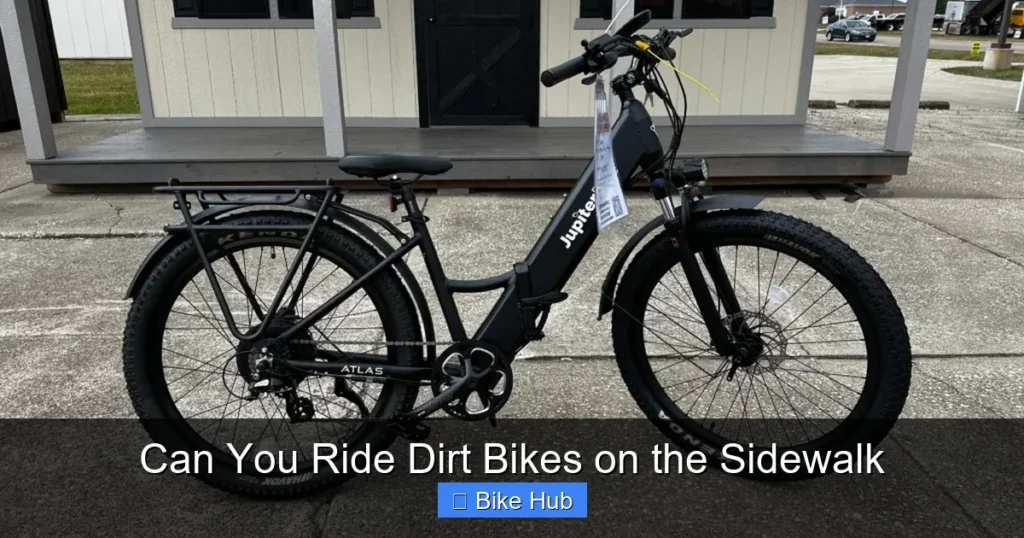
Riding dirt bikes on sidewalks is illegal in most areas and poses serious safety risks to pedestrians and riders alike. This guide explains local laws, explores safer riding options, and offers practical tips for responsible off-road biking.
[FEATURED_IMAGE_PLACEHERPLACEHOLDER]
Key Takeaways
- Sidewalk riding is typically illegal: Most cities and towns prohibit motorized vehicles, including dirt bikes, from sidewalks due to pedestrian safety laws.
- High risk of accidents: Sidewalks are designed for walking, not high-speed vehicles—collisions with pedestrians, pets, or obstacles can cause injury.
- Legal consequences apply: Fines, citations, or even impoundment of your bike can result from riding on sidewalks where prohibited.
- Off-road trails are the best option: Designated dirt bike trails, motocross parks, or private land with permission offer safe, legal riding environments.
- Know your local laws: Regulations vary by city, county, and state—always check local ordinances before riding.
- Electric dirt bikes have similar restrictions: Even quiet e-bikes are usually banned from sidewalks under motor vehicle codes.
- Safety gear is essential everywhere: Always wear a helmet, gloves, and protective clothing—even on legal trails—to reduce injury risk.
Can You Ride Dirt Bikes on the Sidewalk? A Complete Guide
If you’re new to dirt biking or just curious about where you can legally ride, you might be wondering: *Can you ride dirt bikes on the sidewalk?* The short answer is **no—most of the time, it’s not allowed**. But there’s more to the story. In this guide, we’ll walk you through the laws, safety concerns, and better alternatives so you can enjoy your dirt bike responsibly and legally.
Whether you’re riding a gas-powered trail bike or an electric dirt bike for adults, understanding where you can and cannot ride is crucial. Let’s dive in.
Why Sidewalks Aren’t Safe for Dirt Bikes
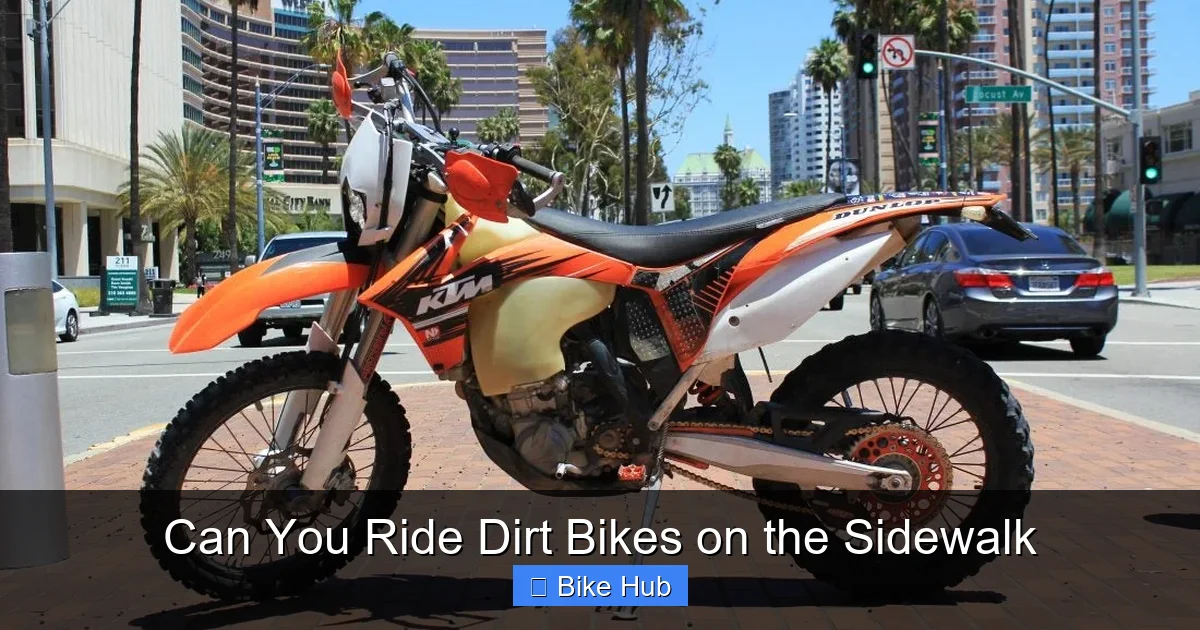
Visual guide about Can You Ride Dirt Bikes on the Sidewalk
Image source: dirtbikes.com
Sidewalks are built for people—not motorcycles. They’re narrow, often uneven, and filled with obstacles like fire hydrants, mailboxes, benches, and tree roots. Riding a dirt bike on one increases the risk of:
– Colliding with pedestrians, especially children or seniors who may not hear you coming.
– Losing control on cracks, potholes, or wet surfaces.
– Damaging public property or private landscaping.
Even if your bike is small or slow, the speed and weight of a dirt bike can cause serious harm in a collision. Plus, many sidewalks have curbs, stairs, or steep drops that are extremely dangerous for two-wheeled vehicles.
The Pedestrian Priority
Sidewalks exist to protect walkers from traffic. When you ride a motorized vehicle on them, you reverse that protection—putting others at risk. Imagine a child stepping off a curb just as you speed past. Even at low speeds, a dirt bike can cause fractures, concussions, or worse.
Noise and Disturbance
Dirt bikes are loud. Riding one on a quiet neighborhood sidewalk disrupts the peace and can disturb residents, especially early in the morning or late at night. Many communities have noise ordinances that apply to motorized vehicles—even on private property.
What Do the Laws Say?
Visual guide about Can You Ride Dirt Bikes on the Sidewalk
Image source: chicebike.com
Laws about riding dirt bikes on sidewalks vary by location, but the trend is clear: **motorized vehicles don’t belong on sidewalks**.
City and Municipal Codes
Most cities explicitly ban motorized vehicles from sidewalks. For example:
– In Los Angeles, California, it’s illegal to operate any motor-driven cycle on a sidewalk.
– New York City prohibits motorized bikes on sidewalks citywide.
– Chicago bans motorized scooters and motorcycles from sidewalks under municipal code.
These laws often fall under “pedestrian right-of-way” statutes or general traffic codes that define sidewalks as non-vehicular zones.
State Laws
At the state level, many governments classify dirt bikes as “off-highway vehicles” (OHVs), which are restricted to designated trails, private land, or off-road parks. For instance:
– Texas requires OHVs to be registered and ridden only on approved trails or private property.
– Florida bans motorized vehicles on sidewalks unless specifically allowed by local ordinance (which is rare).
Even if your state doesn’t mention sidewalks directly, broader vehicle codes usually prohibit operating motorized bikes in areas not intended for vehicle use.
Private Property Considerations
If you own land or have permission from a landowner, you may be able to ride on private sidewalks or paths—but only if local laws allow it. Always check with your city or county before assuming it’s okay.
Safer and Legal Alternatives to Sidewalk Riding
Just because you can’t ride on sidewalks doesn’t mean you can’t enjoy your dirt bike. Here are better, legal options:
1. Off-Road Trails and Parks
Dedicated dirt bike trails are designed for safe, fun riding. These areas often include jumps, berms, and varied terrain. Look for local OHV parks or national forest trails that permit motorized use. Many parks offer rentals, lessons, and beginner-friendly routes.
2. Motocross Tracks
If you’re into jumps and racing, a motocross track is ideal. These facilities are built for high-speed riding and often host events. Some tracks offer open practice days for casual riders. Check out our guide to the best dirt jump bikes for skateparks if you’re interested in track-style riding.
3. Private Land with Permission
Got a friend with acreage? Riding on private property—with the owner’s consent—is often legal and safe. Just make sure the land isn’t near roads, homes, or protected areas.
4. Electric Dirt Bikes for Quiet Zones
If noise is a concern, consider an electric model. While they still can’t be ridden on sidewalks, electric dirt bikes are quieter and may be allowed in more areas, such as certain parks or trails with e-bike permissions.
What to Do If You’re Caught Riding on the Sidewalk
If a police officer stops you for riding on a sidewalk, stay calm and cooperative. You may receive:
– A warning (especially if it’s your first offense).
– A fine (ranging from $50 to $500 depending on the city).
– Confiscation of your bike (in severe or repeat cases).
Always carry proof of registration, insurance (if required), and identification. Knowing your rights—and the law—can help you respond appropriately.
How to Ride Responsibly and Avoid Trouble
Even when riding in legal areas, responsible behavior keeps you and others safe.
Wear Proper Safety Gear
Always wear:
– A DOT-approved helmet
– Gloves and goggles
– Long sleeves and pants
– Sturdy boots
This gear can prevent serious injuries in a fall—and shows you’re a serious, safety-conscious rider.
Follow Trail Etiquette
On shared trails:
– Yield to hikers and horseback riders.
– Stay on marked paths.
– Don’t litter or damage vegetation.
– Keep noise levels down.
Respect goes a long way in keeping trails open to motorized use.
Maintain Your Bike
A well-maintained bike is safer and less likely to break down. Regularly check:
– Tire pressure and tread
– Brakes and throttle
– Chain tension and lubrication
– Lights and signals (if applicable)
For help with maintenance, see our guide on how to pick the best tire sealant to prevent flats on rough terrain.
Troubleshooting Common Issues
“But I’ve Seen Others Do It!”
Just because someone else rides on the sidewalk doesn’t make it legal. Enforcement varies, but that doesn’t mean you’re in the clear. Set a good example by following the rules.
“There Are No Trails Near Me”
If legal riding areas are far away, consider:
– Carpooling with friends to a distant trail.
– Joining a local dirt bike club for group rides and updates on new locations.
– Advocating for more OHV access in your community through local government.
“My Bike Is Too Small to Be Dangerous”
Even small dirt bikes can reach 30+ mph and weigh over 100 pounds. Size doesn’t eliminate risk—especially around pedestrians.
Conclusion
So, can you ride dirt bikes on the sidewalk? In almost all cases, **the answer is no**—and for good reason. Sidewalks are for people, not motorized vehicles. Riding there is unsafe, illegal, and disrespectful to your community.
Instead, seek out legal riding spaces like off-road trails, motocross tracks, or private land. Not only will you avoid fines and accidents, but you’ll also enjoy a better riding experience with more space, better terrain, and fewer surprises.
Remember: being a responsible rider means knowing the rules, wearing protection, and respecting others. Whether you’re mastering a 360 spin on a dirt jump bike or just cruising through the woods, safety and legality should always come first.
Ride smart, ride safe, and keep the trails open for everyone.



