

Imagine cruising down the open road, feeling the freedom and thrill of the drive, when suddenly, you hear that dreaded hiss. A flat tire can quickly turn your adventure into a stressful ordeal.
But what if you could prevent this common mishap with a simple solution? Tire sealant is your trusty sidekick, ready to save the day and keep your journey smooth and uninterrupted. Yet, with so many options available, how do you pick the best tire sealant for your needs?
In this guide, you’ll discover everything you need to know to make an informed decision. Whether you’re a weekend warrior or rely on your vehicle for daily commutes, knowing how to choose the right tire sealant can save you time, money, and headaches. Dive in to explore the essential factors that will help you select the ideal product, ensuring you’re always prepared for whatever the road throws your way. Don’t let uncertainty hold you back; keep reading to unlock the secrets of tire sealant that will empower your travels.
Importance Of Tire Sealant
Tire sealant is a safety tool for your vehicle. It helps stop air leaks in tires. A good sealant can save you from flat tires. This means less time on the side of the road. It also helps you save money. You won’t need a new tire right away.
Sealants are easy to use. You just squeeze it into the tire. The sealant fills small holes. It works fast and is very helpful. Keeping a bottle in your car is smart. It is like having a first aid kit for tires. Always check if the sealant works with your tire type. Some sealants are for specific tires only.
Credit: www.teamduval.org
Types Of Tire Sealants
Selecting the right tire sealant depends on the type of tire and its usage. Latex-based sealants are popular for bicycles and cars due to their quick sealing capability. For off-road vehicles, thicker sealants are preferred to handle rough terrains and larger punctures.
Liquid Sealants
Liquid sealants are popular for fixing small punctures. They are easy to use and flow well. These sealants coat the inside of the tire. They create a barrier against air leaks. Liquid sealants are often used in bicycles and cars. They are great for temporary fixes. But they may not work for large holes.
Gel Sealants
Gel sealants are thicker than liquid ones. They stick better to the tire walls. This makes them good for off-road vehicles. Gel sealants can cover bigger punctures. They are long-lasting and effective. But they can be messy during application. Cleanup can take extra time.
Aerosol Sealants
Aerosol sealants come in a spray can. They are quick and easy to use. Just spray and go. They are perfect for emergencies. Aerosol sealants work fast to seal leaks. But they are not a permanent solution. It’s best to fix the tire properly later.
Factors To Consider
Selecting the right tire sealant requires careful consideration. Evaluate compatibility with tire type, sealing efficiency, and ease of application. Ensure it works well in various temperature conditions for optimal performance.
Climate And Weather
Choose a tire sealant that suits your local weather conditions. Cold climates need sealants that resist freezing. Hot climates require sealants that can withstand high temperatures. Some sealants work well in both climates. Check the product label for temperature range.
Type Of Vehicle
Different vehicles need different sealants. Cars, trucks, and bicycles all have unique needs. Heavy vehicles need stronger sealants. Light vehicles can use basic sealants. Match the sealant to your vehicle type for best results.
Frequency Of Use
Regular drivers need reliable sealants. Occasional drivers can choose basic sealants. Frequent use may require sealants with longer-lasting effects. Decide based on how often you drive. Tailor your choice to your driving habits.
Performance And Durability
Choose a tire sealant that excels in performance and durability. Look for one that seals punctures quickly. Ensure it withstands various weather conditions for long-lasting protection.
Sealing Efficiency
Choose a tire sealant with quick sealing action. It should stop leaks fast. Check if it seals both small and large punctures. A good sealant works on different surfaces. Look for a product that seals nails and sharp objects. This ensures you stay safe on the road.
Longevity
A long-lasting sealant is important. It should last for many months. Check the label for the expected duration. Some sealants need frequent reapplication. Choose one that doesn’t need constant attention. This saves time and effort. A durable sealant gives peace of mind.
Temperature Resistance
Temperature affects sealant performance. It should work in hot and cold conditions. Look for a sealant that doesn’t freeze in winter. It should not melt in summer heat. This ensures it works year-round. A reliable sealant handles temperature changes well.
Installation And Ease Of Use
Choosing a tire sealant depends on its ease of installation and user-friendliness. Look for sealants that require minimal tools and offer straightforward application instructions. This ensures a hassle-free experience for both beginners and experienced users.
Application Process
Tire sealants are easy to use. First, shake the bottle well. Then, remove the valve cap from the tire. Attach the nozzle of the sealant to the valve. Squeeze the bottle to fill the tire. Check the tire pressure after filling. Make sure it is correct. Reattach the valve cap tightly. Ride or drive for a short distance. This helps the sealant spread inside.
Compatibility With Tires
Not all sealants work with every tire. Check the label for tire compatibility. Some sealants are for tubeless tires only. Others work with both tubeless and tube tires. Read instructions carefully before using. Some sealants can damage certain tire materials. Always ensure compatibility for best results.
Maintenance Tips
- Inspect tires for any leaks or punctures regularly.
- Check tire pressure often to ensure safety.
- Replace sealant every six months for best performance.
- Keep an extra bottle of sealant for emergencies.
Safety And Environmental Impact
Choose a tire sealant that prioritizes safety and minimizes environmental impact. Look for non-toxic formulas and biodegradable options. Ensure the sealant is compatible with your tire type and driving conditions.
Non-toxic Options
Choose tire sealants that are non-toxic. They are safe for kids and pets. These sealants don’t harm the air or water. Look for labels that say non-hazardous. This helps ensure you are getting a safe product.
Biodegradable Choices
Biodegradable sealants break down naturally. They do not harm nature. These sealants are friendly to the earth. They help keep our planet clean. It’s important to choose products that support the environment.
Potential Hazards
Some sealants have harmful chemicals. These can be dangerous. They might hurt your health or the environment. Always check the label. Look for warnings and avoid risky options. Safety should always come first.
Expert Recommendations
Expert recommendations emphasize checking compatibility with your tire type. Consider ease of use and drying time. Look for sealants with strong reviews and proven performance in sealing punctures.
Popular Brands
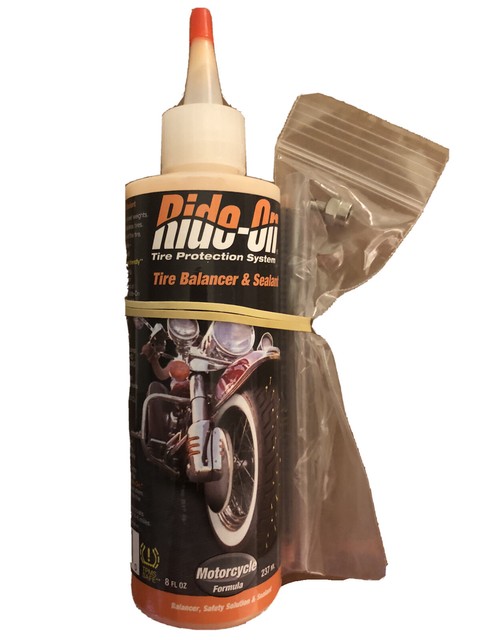
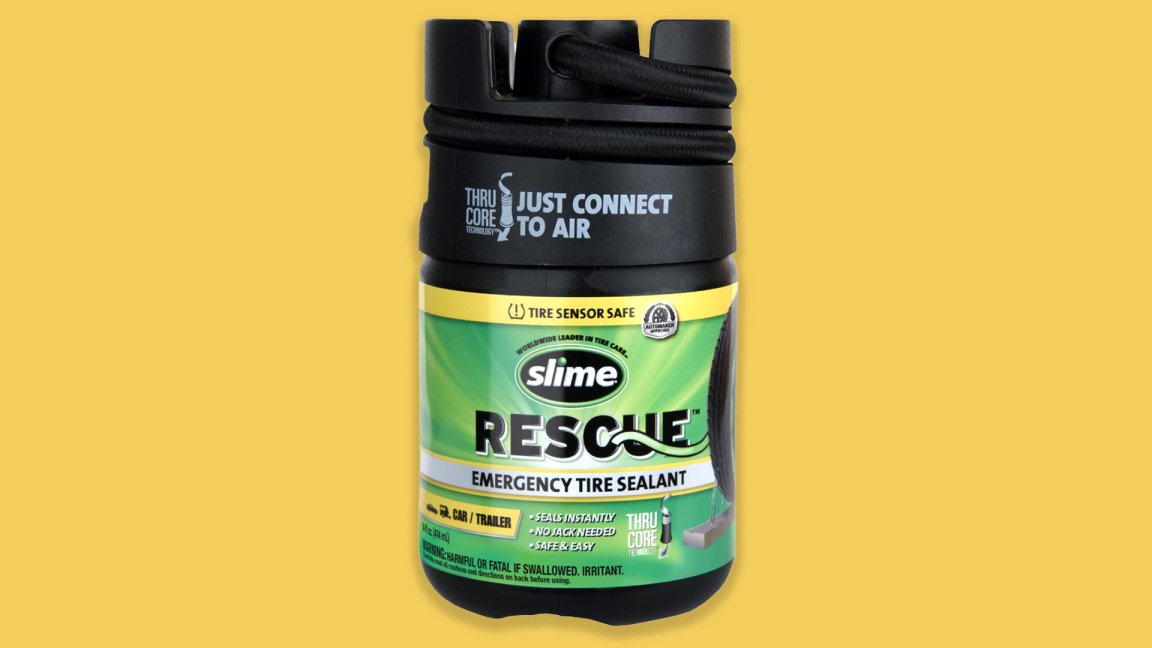
Many brands offer tire sealantstoday. Some popular choices are Slime, Fix-a-Flat, and Ride-On. Each brand has its own special features. Slime is known for its easy application. Fix-a-Flat is great for emergency repairs. Ride-On offers a long-lasting solution. Choose based on your needs.
Reviews And Ratings
Reading reviews helps in choosing the right tire sealant. Many users prefer products with high ratings. Look for reviews that mention durabilityand ease of use. High ratings often mean happy customers. This can guide your decision.
Price Considerations
Tire sealant prices vary widely. Some are more affordablethan others. Consider how much you are willing to spend. Sometimes, a higher price means better quality. But not always. Compare prices and check if the sealant fits your budget.
Credit: www.cyclingweekly.com
Credit: www.thedrive.com
Frequently Asked Questions
What Is The Best Tire Sealant To Use?
The best tire sealant is Slime Tire Sealant. It seals punctures quickly and effectively in tubeless tires. This sealant is popular for its reliable performance and ease of use. It is suitable for various tire types and offers long-lasting protection against leaks.
Which Is The Best Tubeless Sealant?
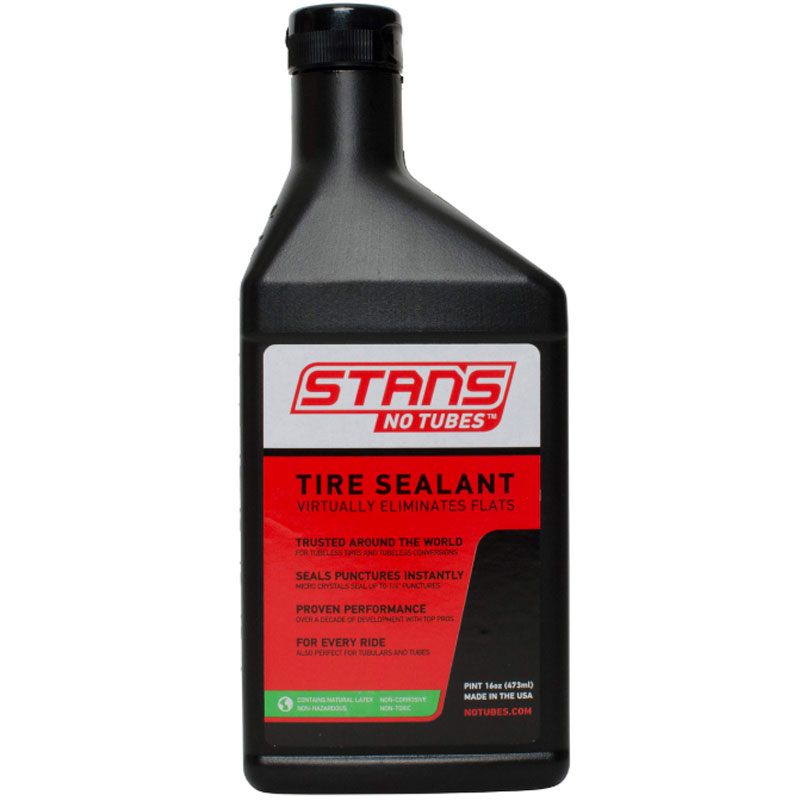
The best tubeless sealant is often considered to be Stan’s NoTubes Sealant. It offers quick sealing, longevity, and compatibility with various tires. Other popular options include Orange Seal, which is known for its endurance, and Muc-Off, recognized for its eco-friendly formula.
Choose based on your specific biking needs and conditions.
Are All Tubeless Sealants The Same?
Not all tubeless sealants are the same. They vary in composition, effectiveness, and lifespan. Some sealants work better in specific temperatures or conditions. Choose a sealant that matches your needs and riding environment for optimal performance. Always check product reviews and specifications for the best fit.
Can You Mix Stans And Orange Seal?
Mixing Stans and Orange Seal is not recommended. They have different chemical compositions that may cause adverse reactions. Using one brand consistently ensures optimal performance and longevity. Always follow the manufacturer’s guidelines for best results. Proper sealant use enhances tire protection and reliability.
Conclusion
Choosing the right tire sealant is crucial for safety and convenience. Start by understanding your driving needs and the sealant types available. Consider factors like sealant longevity and compatibility with your tires. Check user reviews for real-world insights. Always follow manufacturer instructions for application.
This ensures optimal performance and safety. A good sealant can save time and money by preventing flats. Remember, not all sealants suit every tire. Make informed choices for peace of mind on the road. Happy and safe driving!



