
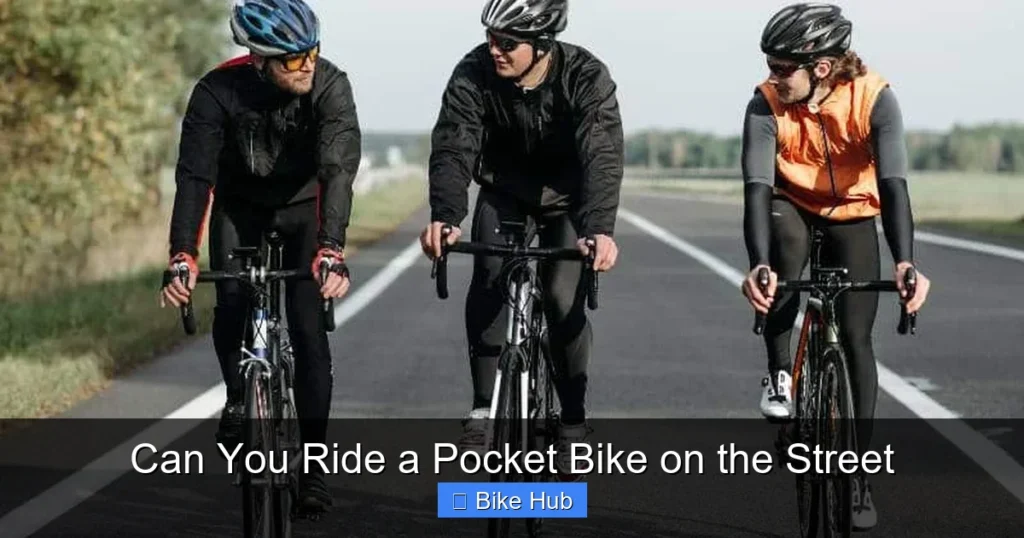
Riding a pocket bike on the street isn’t always legal—it depends on your location, the bike’s specs, and local laws. This guide breaks down everything you need to know to ride safely and avoid fines, including registration, safety gear, and where it’s allowed.
Key Takeaways
- Check local laws first: Most states and cities prohibit pocket bikes on public roads due to safety and emissions standards.
- Pocket bikes lack required features: They usually don’t have headlights, turn signals, mirrors, or VINs—making them illegal for street use.
- Off-road only in many areas: These mini bikes are typically allowed only on private property or designated tracks.
- Safety gear is essential: Always wear a helmet, gloves, and protective clothing—even if riding off-road.
- Consider alternatives: Electric bikes or mopeds may offer similar fun with full street legality.
- Modifications won’t always help: Adding lights or mirrors rarely makes a pocket bike street-legal without official certification.
- Enforcement varies: Some areas turn a blind eye, but getting caught can result in fines or impoundment.
Can You Ride a Pocket Bike on the Street? A Complete How-To Guide
If you’ve ever seen a pocket bike—those tiny, motorcycle-style machines that look like they belong in a video game—you might’ve wondered: *Can I actually ride this on the street?* The short answer? Probably not. But there’s more to the story.
Pocket bikes, also known as mini bikes or mini motorcycles, are built for fun, not commuting. They’re small, fast, and thrilling to ride—but most aren’t designed or approved for public roads. In this guide, we’ll walk you through the legal landscape, safety considerations, and practical steps to understand whether—and how—you can ride a pocket bike on the street without breaking the law or risking your safety.
By the end, you’ll know exactly what to check, what gear to wear, and where it’s safest (and legal) to enjoy your mini ride.
Step 1: Understand What a Pocket Bike Is
Visual guide about Can You Ride a Pocket Bike on the Street
Image source: d2j6dbq0eux0bg.cloudfront.net
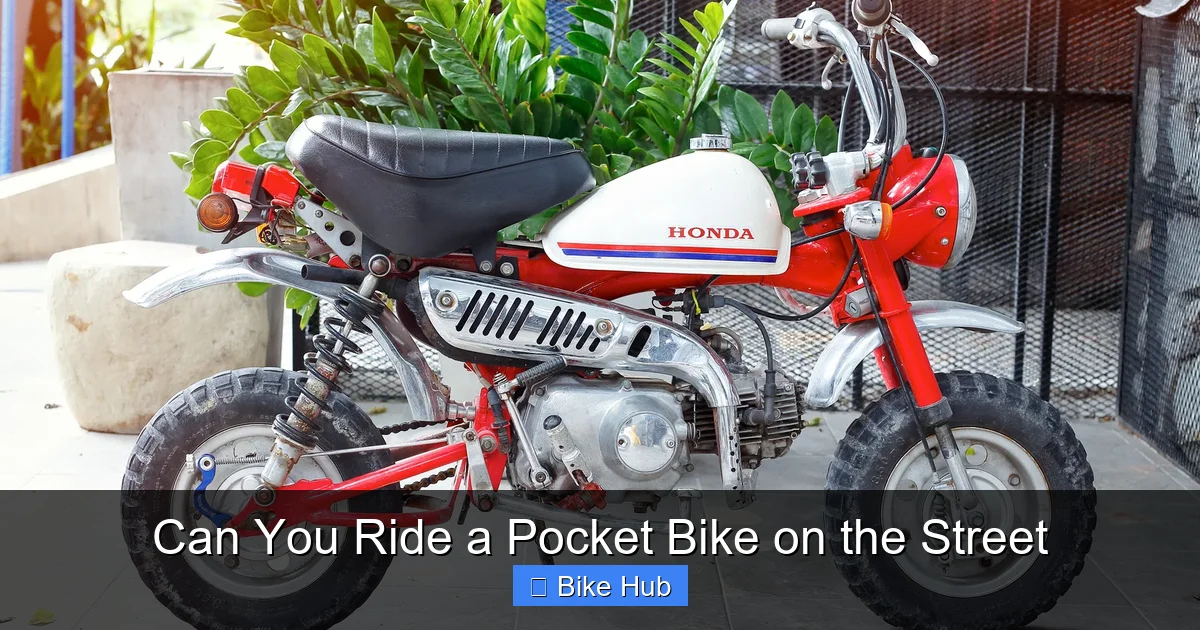
Before diving into legality, let’s clarify what we’re talking about. Pocket bikes are miniature motorcycles, usually under 50cc, with engines that resemble those found in scooters or dirt bikes. They typically have:
– A seat height of 20–24 inches
– Top speeds between 25–45 mph
– No license plate, VIN, or official registration
– Minimal lighting and no turn signals
They’re often used for racing on closed tracks or riding on private property. Unlike mopeds or electric bikes, they’re not built to meet Department of Motor Vehicle (DMV) standards for street use.
Key Differences from Legal Street Bikes
- No VIN (Vehicle Identification Number): Required for registration in most states.
- Lack of safety features: Most don’t have headlights, brake lights, or mirrors.
- Emissions non-compliance: Many pocket bikes don’t meet EPA or CARB standards.
Because of these limitations, they’re generally classified as off-road vehicles—not street-legal machines.
Step 2: Check Your Local and State Laws
Visual guide about Can You Ride a Pocket Bike on the Street
Image source: slashgear.com
This is the most important step. Laws vary widely by state, city, and even neighborhood. What’s allowed in one town might get you a $500 fine in another.
Research Your State’s DMV Rules
Start by visiting your state’s Department of Motor Vehicles (DMV) website. Look for terms like “mini motorcycle,” “pocket bike,” “off-road vehicle,” or “low-speed vehicle.” Most states fall into one of three categories:
– Prohibited on public roads: The majority of states ban pocket bikes from streets entirely.
– Allowed with restrictions: A few states permit them only on private property or in specific zones (like gated communities).
– Legal with modifications: Rare, but some areas allow registration if the bike meets safety standards (which most don’t).
For example, California explicitly prohibits pocket bikes on public roads under Vehicle Code § 38010, classifying them as “off-highway vehicles.” New York and Texas have similar bans.
Check City and County Ordinances
Even if your state is lenient, your city might not be. Some municipalities have noise ordinances, speed limits for mini vehicles, or zoning laws that restrict where you can ride.
Call your local police non-emergency line or check the city website. Ask: *“Are pocket bikes allowed on public streets or sidewalks?”* You might be surprised by the answer.
Step 3: Know Why Pocket Bikes Are Usually Illegal
It’s not just about size. There are real safety and regulatory reasons these bikes aren’t street-legal.
Safety Equipment Missing
To be street-legal, a vehicle must have:
– Headlights (high and low beam)
– Tail lights and brake lights
– Turn signals
– Mirrors (left and right)
– Horn
– Speedometer
– License plate mount and illumination
Most pocket bikes have none of these. Even if you add them yourself, they won’t pass inspection without official certification.
No Registration or Insurance
You can’t register a pocket bike with the DMV because they lack a VIN and aren’t manufactured to meet federal safety standards. Without registration, you can’t get license plates or insurance—both required for street riding in most places.
Speed and Visibility Issues
Pocket bikes are low to the ground and hard for drivers to see. At 30 mph, they’re slower than most traffic, creating dangerous situations at intersections or on busy roads.
Step 4: Where Can You Legally Ride a Pocket Bike?
Just because you can’t ride on the street doesn’t mean you can’t ride at all. Here are legal alternatives:
Private Property
With the owner’s permission, you can ride on private land—like a large backyard, farm, or warehouse. This is the most common and safest option.
Designated Tracks or Parks
Some cities have motocross parks, kart tracks, or off-road vehicle areas where mini bikes are welcome. Check local recreation departments or search for “mini bike tracks near me.”
Closed-Course Events
Pocket bike racing is a real sport! Look for organized events or clubs that host races on closed circuits. These are supervised, insured, and safe.
Gated Communities (Sometimes)
A few private communities allow mini bikes on internal roads. Always check HOA rules first.
Step 5: Safety Tips If You Ride Off-Road
Even if you’re not on the street, safety matters. Pocket bikes can be fast and tricky to control.
Wear Full Protective Gear
– Helmet: Always wear a DOT-approved motorcycle helmet. A bike helmet won’t cut it. For more on proper fit, check out our guide on how to properly fit a bike helmet.
– Gloves and jacket: Protect against scrapes and impacts.
– Sturdy pants and boots: Avoid shorts and sandals.
Start Slow and Practice
These bikes have quick acceleration and sensitive brakes. Practice in an open, flat area before trying hills or sharp turns.
Inspect Before Every Ride
Check tires, brakes, throttle, and chain. A loose bolt or flat tire can cause a crash.
Never Ride at Night Without Lights
If you must ride after dark (on private property), install bright LED lights. For tips on adding lighting to small bikes, see our article on how to install lights on a fat tire bike—many of the same principles apply.
Step 6: Consider Street-Legal Alternatives
If you love the thrill of a small, agile ride but want to cruise the streets legally, consider these options:
Electric Bikes (E-Bikes)
Many e-bikes offer speeds up to 20–28 mph and are fully street-legal in most areas. They’re quiet, eco-friendly, and don’t require a motorcycle license. Check out our review of the best electric bike for the money to find a great option.
Mopeds or Scooters
50cc scooters are often street-legal with registration, insurance, and a standard driver’s license. They have the required lights, mirrors, and VIN.
BMX or Dirt Jump Bikes
For a different kind of street fun, a BMX bike lets you cruise, jump, and stunt safely. Learn more in our guide on best BMX bike for street cruising.
Troubleshooting Common Issues
“I Added Lights and Mirrors—Why Isn’t It Legal?”
Adding parts doesn’t make a bike street-legal unless it’s inspected and certified by the DMV. Most pocket bikes can’t be modified to meet federal standards, so they remain off-road only.
“I Saw Someone Riding One on the Road!”
Just because someone else is doing it doesn’t mean it’s legal. Enforcement varies, but you risk fines, towing, or even arrest if caught.
“Can I Ride on the Sidewalk?”
No. Sidewalks are for pedestrians. Riding a motorized vehicle on sidewalks is illegal in most cities and puts others at risk.
Conclusion
So, can you ride a pocket bike on the street? In most cases, the answer is no—and for good reason. These fun-sized machines aren’t built for public roads, lack essential safety features, and aren’t recognized by DMVs.
But that doesn’t mean you can’t enjoy them. Ride on private property, hit a track, or join a racing club. And if you’re craving street-legal speed and style, consider an e-bike or moped instead.
Always prioritize safety, follow the law, and ride responsibly. Your pocket bike is built for fun—just make sure that fun doesn’t come at the cost of a ticket or a trip to the hospital.



