
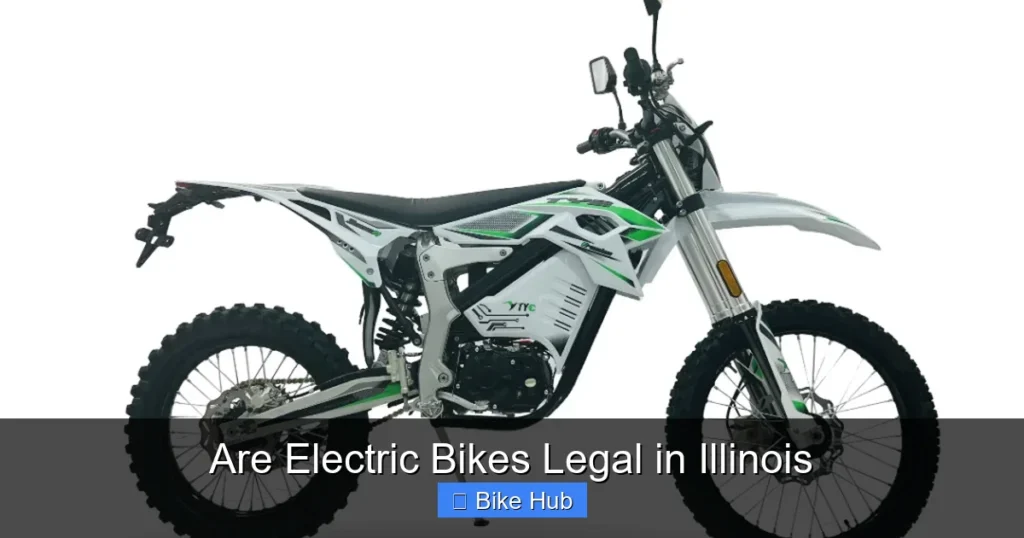
Electric bikes are legal in Illinois, but they must meet specific state regulations. This guide breaks down the three e-bike classes, speed limits, helmet requirements, and where you can ride to help you stay compliant and safe on the road.
Key Takeaways
- E-bikes are legal in Illinois as long as they meet state-defined classifications and equipment standards.
- Illinois recognizes three classes of e-bikes: Class 1 (pedal-assist up to 20 mph), Class 2 (throttle-assisted up to 20 mph), and Class 3 (pedal-assist up to 28 mph).
- Riders must be at least 16 years old to operate an e-bike, and Class 3 riders must wear a helmet.
- E-bikes are allowed on roads and bike lanes, but local rules may restrict access to sidewalks and trails.
- E-bikes are not considered motor vehicles, so no license, registration, or insurance is required.
- Always check local ordinances—cities like Chicago may have additional rules for e-bike use.
- Proper lighting, brakes, and reflectors are required for safe and legal nighttime riding.
Are Electric Bikes Legal in Illinois? A Complete Guide
If you’re thinking about buying or riding an electric bike in Illinois, you’re probably wondering: Are electric bikes legal in Illinois? The short answer is yes—but there are important rules and regulations you need to follow to ride safely and legally.
This guide will walk you through everything you need to know about e-bike laws in Illinois, from classification and speed limits to where you can ride and what safety gear is required. Whether you’re commuting to work, exploring Chicago’s lakefront trail, or just enjoying a weekend ride, understanding the rules will help you avoid fines and stay safe.
Understanding E-Bike Classifications in Illinois
Illinois follows the three-class system established by the Consumer Product Safety Commission (CPSC) and adopted by many states. This system helps define how e-bikes operate and where they’re allowed.
Class 1: Pedal-Assist Only (Up to 20 mph)
Class 1 e-bikes provide assistance only when you’re pedaling, and the motor cuts off once you reach 20 miles per hour. These are the most common type of e-bike and are widely accepted on bike paths and roads.
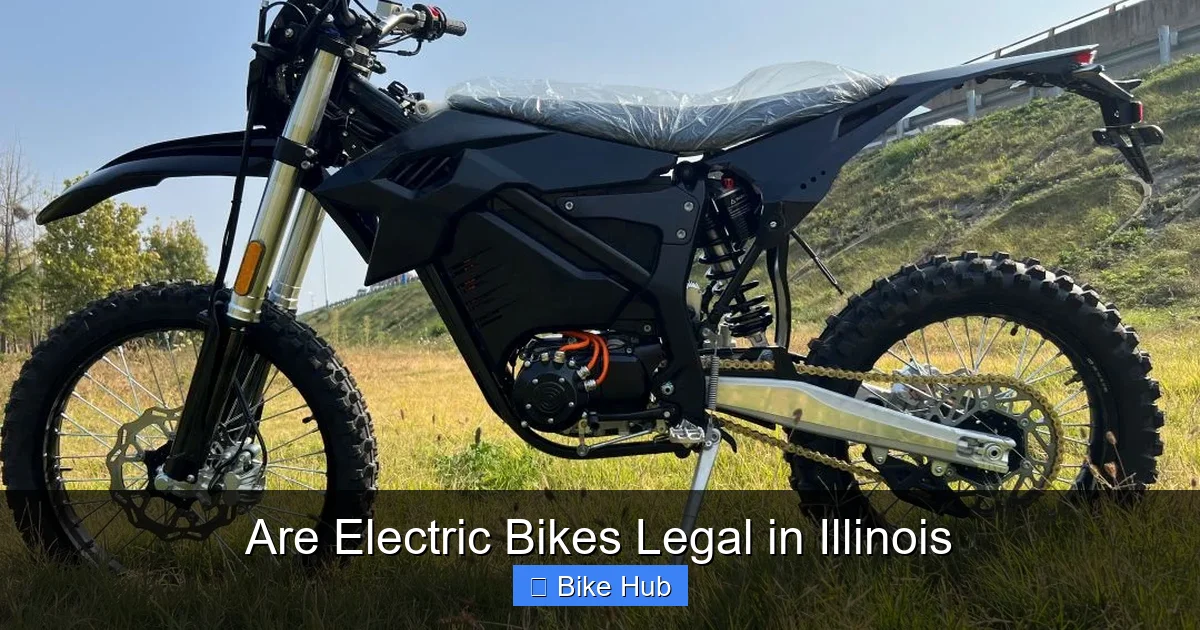
Visual guide about Are Electric Bikes Legal in Illinois
Image source: tyemoto.com
Class 2: Throttle-Assisted (Up to 20 mph)
Class 2 e-bikes have a throttle that can power the bike without pedaling, similar to a scooter. However, the motor still stops assisting at 20 mph. These are great for riders who want extra help on hills or when starting from a stop.
Class 3: Speed Pedelec (Up to 28 mph)
Class 3 e-bikes are pedal-assist only and can reach speeds up to 28 mph. Because of their higher speed, they come with stricter rules—riders must be at least 16 years old and wear a helmet. These bikes are typically allowed on roads and bike lanes but may be restricted on certain trails.
Tip: Always check the manufacturer’s label or manual to confirm your e-bike’s class. Riding a Class 3 bike without meeting the requirements could result in a citation.
Age and Helmet Requirements
Illinois law sets specific age and safety rules for e-bike riders to promote safe riding habits.
Minimum Age to Ride
You must be at least 16 years old to operate any electric bike in Illinois. This applies to all three classes. Riders under 16 are not legally allowed to ride e-bikes on public roads or paths.
Visual guide about Are Electric Bikes Legal in Illinois
Image source: energiseebikes.co.uk
Helmet Rules
- Class 1 and Class 2: Helmets are recommended but not legally required for riders 16 and older.
- Class 3: Helmets are mandatory for all riders, regardless of age.
Pro Tip: Even if it’s not required, wearing a helmet is always a smart choice. It can prevent serious injury in case of a fall or collision. For added safety, consider investing in a high-quality helmet with MIPS technology.
Where Can You Ride an E-Bike in Illinois?
Knowing where you can legally ride is just as important as knowing the technical rules. Illinois allows e-bikes on most roads and bike lanes, but restrictions may apply depending on location and trail type.
Roads and Bike Lanes
All e-bike classes are permitted on public roads and designated bike lanes. You must follow the same traffic laws as regular bicycles—this includes stopping at stop signs, obeying traffic signals, and riding in the same direction as traffic.
Sidewalks
Sadly, sidewalk riding is not allowed in most urban areas, including Chicago. Local ordinances often prohibit e-bikes on sidewalks due to safety concerns for pedestrians. Always check city-specific rules before riding on sidewalks.
Multi-Use Trails and Bike Paths
Many trails, such as the Chicago Lakefront Trail and the Illinois Prairie Path, allow e-bikes—but only Class 1 and Class 2. Class 3 e-bikes are often banned from these paths due to their higher speed.
Important: Trail rules can change, so always look for posted signs or check with local park districts before heading out.
Parks and Forest Preserves
Some forest preserves and state parks allow e-bikes on paved trails, but off-road or natural surface trails may be off-limits. For example, the Forest Preserves of Cook County permit Class 1 and 2 e-bikes on paved paths but prohibit them on dirt trails.
Equipment and Safety Requirements
To ride legally and safely, your e-bike must meet certain equipment standards. Illinois doesn’t require registration or insurance, but your bike must be properly equipped.
Required Equipment
- Working brakes: Your bike must have brakes that allow you to stop within 25 feet from 15 mph.
- Front and rear lights: If riding at night, you need a white front light visible from 500 feet and a red rear reflector or light.
- Reflectors: White front, red rear, and amber side reflectors are required for nighttime visibility.
- Horn or bell: A sound device is required to alert pedestrians and other riders.
Tip: For night riding, consider adding extra LED lights and reflective tape to increase visibility. Check out our guide on how to store bike lights when not in use for easy maintenance.
Battery and Motor Limits
Illinois law limits e-bike motors to 750 watts (1 horsepower) or less. Bikes with more powerful motors may be classified as mopeds or motorcycles and require registration, licensing, and insurance.
Local Rules and City-Specific Regulations
While state law provides a baseline, local municipalities can impose additional restrictions. This means rules in Chicago might differ from those in Springfield or Rockford.
Chicago E-Bike Rules
In Chicago, e-bikes are allowed on streets and bike lanes but are prohibited on sidewalks. The city also restricts Class 3 e-bikes from certain trails. Always yield to pedestrians and ride at a safe speed.
Suburbs and Smaller Cities
Some suburbs may have stricter rules. For example, a town might ban all e-bikes from local parks or require helmets for all riders, regardless of class. When in doubt, contact your local police department or transportation office.
Pro Tip: Use apps like Google Maps or Komoot to plan routes that avoid restricted areas. These tools often highlight bike-friendly paths and alert you to local regulations.
Troubleshooting Common E-Bike Legal Issues
Even with the best preparation, you might run into confusion or problems. Here’s how to handle common issues.
“I Got a Ticket for Riding My E-Bike!”
If you receive a citation, review the reason carefully. Common causes include riding on a prohibited trail, lacking proper lights, or being underage. If you believe the ticket was issued in error, you can contest it in court with documentation of your bike’s class and compliance.
“Can I Ride My E-Bike in the Rain?”
Yes, but take extra precautions. Wet conditions reduce traction and visibility. Use fenders to prevent spray, wear bright or reflective clothing, and consider rain gear. For tips, see our guide on how to layer clothing for cycling in the rain.
“My E-Bike Feels Too Fast—Is It Legal?”
If your bike exceeds 20 mph (for Class 1/2) or 28 mph (for Class 3), it may not comply with Illinois law. Check your bike’s settings—many models allow you to limit speed via the display or app. If unsure, consult the manufacturer or a local bike shop.
Choosing the Right E-Bike for Illinois Roads
Now that you know the rules, you might be ready to buy your first e-bike. Illinois’ mix of urban streets, bike trails, and suburban roads calls for a versatile model.
Best for City Commuting
If you’re riding in Chicago or other cities, look for a lightweight, foldable e-bike with good battery life and puncture-resistant tires. Check out our list of the best electric bikes for city commuting for top picks.
Best for Trails and Recreation
For weekend adventures on the Prairie Path or forest preserves, consider a Class 1 or 2 e-bike with wider tires and suspension. Avoid Class 3 if trail access is a priority.
Best on a Budget
You don’t need to spend a fortune to get a reliable e-bike. Explore our guide to the best electric bikes under $1,000 for affordable, high-quality options.
Conclusion
So, are electric bikes legal in Illinois? Absolutely—as long as you follow the state’s rules on classification, speed, age, and equipment. With the right knowledge and preparation, you can enjoy all the benefits of e-biking: faster commutes, easier hill climbs, and eco-friendly travel.
Remember to:
- Know your e-bike’s class and capabilities
- Wear a helmet, especially on Class 3 bikes
- Ride only where permitted
- Equip your bike with lights and reflectors
- Check local ordinances before heading out
Electric bikes are a fantastic way to explore Illinois, reduce your carbon footprint, and stay active. Ride smart, stay legal, and enjoy the journey!



