
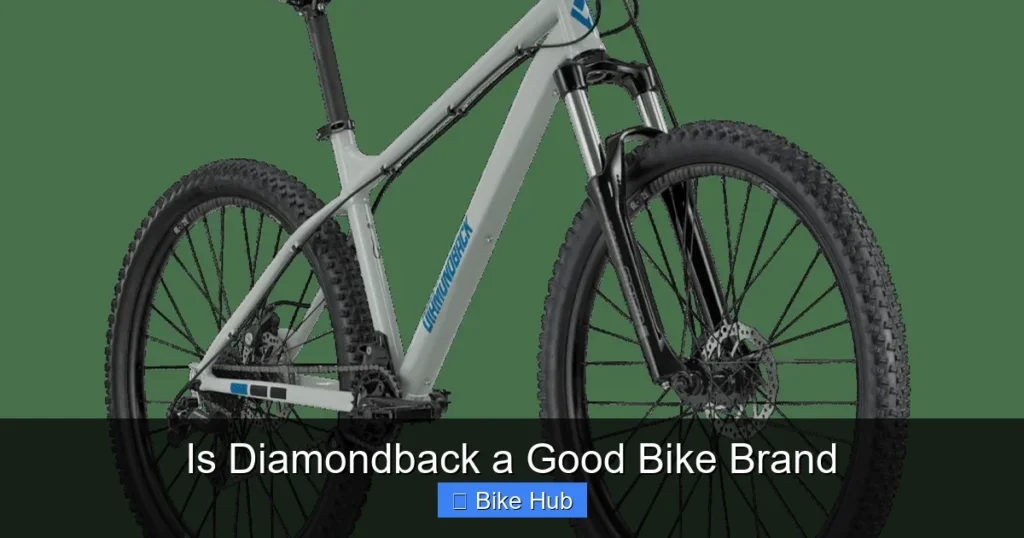
Wondering if Diamondback is a good bike brand? This guide breaks down the brand’s history, bike quality, value for money, and customer support to help you make an informed decision. Whether you’re into mountain, road, or hybrid riding, we’ve got the facts you need.
Key Takeaways
- Proven Track Record: Diamondback has been manufacturing bikes since 1977, building a reputation for durability and innovation across multiple riding styles.
- Wide Range of Bikes: From entry-level to high-performance models, Diamondback offers mountain, road, hybrid, and electric bikes for all skill levels.
- Great Value for Money: You get quality components and solid frame construction at competitive prices, especially in the mid-range segment.
- Strong Customer Support: Diamondback provides reliable warranties and responsive customer service, including easy access to replacement parts.
- Ideal for Beginners and Enthusiasts: Whether you’re just starting or upgrading your ride, Diamondback offers dependable options that balance performance and affordability.
- Regularly Updated Lineups: The brand frequently refreshes its models with modern tech, ensuring up-to-date features and improved ride quality.
- Positive Community Feedback: Riders consistently praise Diamondback for reliability, especially on trails and long-distance rides.
Is Diamondback a Good Bike Brand? A Complete How-To Guide
If you’re in the market for a new bike, you’ve probably come across the Diamondback name. But is Diamondback a good bike brand? With so many options out there, it’s smart to do your research before making a purchase. In this guide, we’ll walk you through everything you need to know about Diamondback—from its history and bike quality to real-world performance and customer satisfaction. By the end, you’ll have a clear answer and the confidence to choose the right bike for your needs.
Step 1: Understand Diamondback’s History and Reputation
Diamondback was founded in 1977 in Newbury Park, California, and quickly became a favorite among BMX and mountain biking enthusiasts. Over the decades, the brand has evolved, expanding into road bikes, hybrids, and e-bikes while maintaining a focus on performance and innovation.
What sets Diamondback apart is its commitment to quality at accessible price points. Unlike some premium brands that cater only to elite riders, Diamondback aims to serve a broad audience—from weekend warriors to daily commuters. This inclusivity has helped build a loyal customer base and a strong reputation in the cycling community.
Why History Matters
A brand’s longevity often reflects its reliability. Diamondback’s 40+ years in the industry show that it understands rider needs and adapts to changing trends. Whether it’s introducing full-suspension mountain bikes in the 1990s or launching e-bikes in the 2010s, the company stays relevant by listening to feedback and investing in R&D.
Step 2: Evaluate Bike Quality and Build
One of the biggest questions when asking “Is Diamondback a good bike brand?” is about build quality. The good news? Diamondback bikes are known for solid construction across their lineup.
Frame Materials and Design
Diamondback uses a mix of aluminum and carbon fiber frames, depending on the model. Aluminum frames are lightweight, rust-resistant, and durable—perfect for beginners and intermediate riders. Higher-end models, like the Diamondback Release or Overdrive, feature advanced aluminum alloys or carbon fiber for improved stiffness and shock absorption.
For example, the Diamondback Release 5C uses a carbon frame that reduces weight while enhancing trail responsiveness. This kind of attention to detail shows Diamondback’s focus on performance.
Component Selection
Diamondback partners with trusted component brands like Shimano, SRAM, and RockShox. Even entry-level models come with reliable drivetrains and brakes. For instance, many of their mountain bikes feature Shimano Deore or SRAM NX groupsets, which offer smooth shifting and strong stopping power.
If you’re comparing bikes, check the component tiers. A Diamondback bike with a Shimano Altus groupset may not match a top-tier model, but it still delivers dependable performance for casual and moderate use.
Step 3: Compare Value for Money
Diamondback shines when it comes to value. You often get more bike for your buck compared to competitors in the same price range.
Entry-Level Bikes ($400–$800)
Models like the Diamondback Line or Clarity offer great starter options. These bikes come with decent suspension, reliable gears, and comfortable geometry—ideal for new riders or casual trail use.
Mid-Range Bikes ($800–$1,500)
This is where Diamondback really stands out. Bikes like the Diamondback Hook or Atroz include upgraded suspension, better drivetrains, and improved frame designs. They’re perfect for riders who want performance without breaking the bank.
High-End Models ($1,500+)
For serious riders, Diamondback offers models like the Release 9 or Synapse Carbon road bike. These feature premium materials, advanced geometry, and top-tier components—competing with brands that cost significantly more.
Step 4: Assess Performance Across Riding Styles
Diamondback makes bikes for nearly every type of rider. Let’s break down how they perform in different categories.
Mountain Bikes
Diamondback is best known for its mountain bikes. Models like the Overdrive and Release series are popular on trails and in bike parks. They offer responsive handling, good suspension travel, and durable builds.
If you’re planning long rides on rough terrain, consider checking out our guide on how to prepare a mountain bike for long rides to get the most out of your Diamondback.
Road Bikes
The Synapse series is Diamondback’s flagship road line, known for endurance geometry and comfort on long rides. These bikes are great for fitness, commuting, or weekend group rides.
For road riders, maintaining your drivetrain is key. Learn how with our step-by-step guide on how to clean a road bike drivetrain.
Hybrid and City Bikes
If you’re commuting or riding on paved paths, models like the Diamondback Insight or Edgewood offer upright comfort, practical features (like racks and fenders), and reliable performance.
Electric Bikes
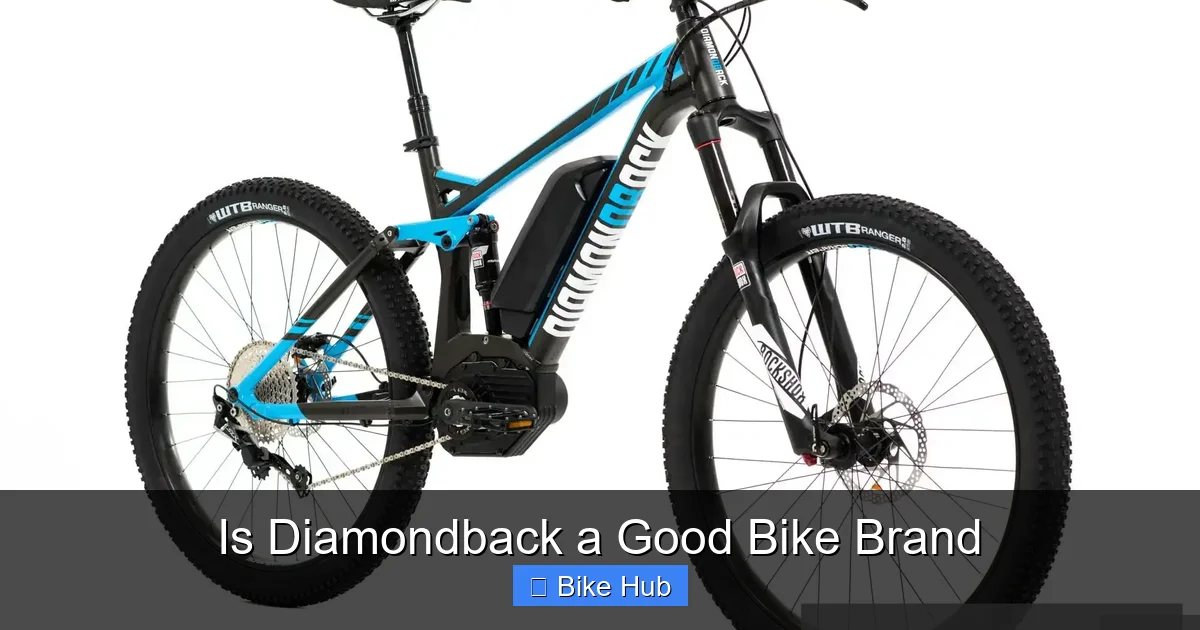
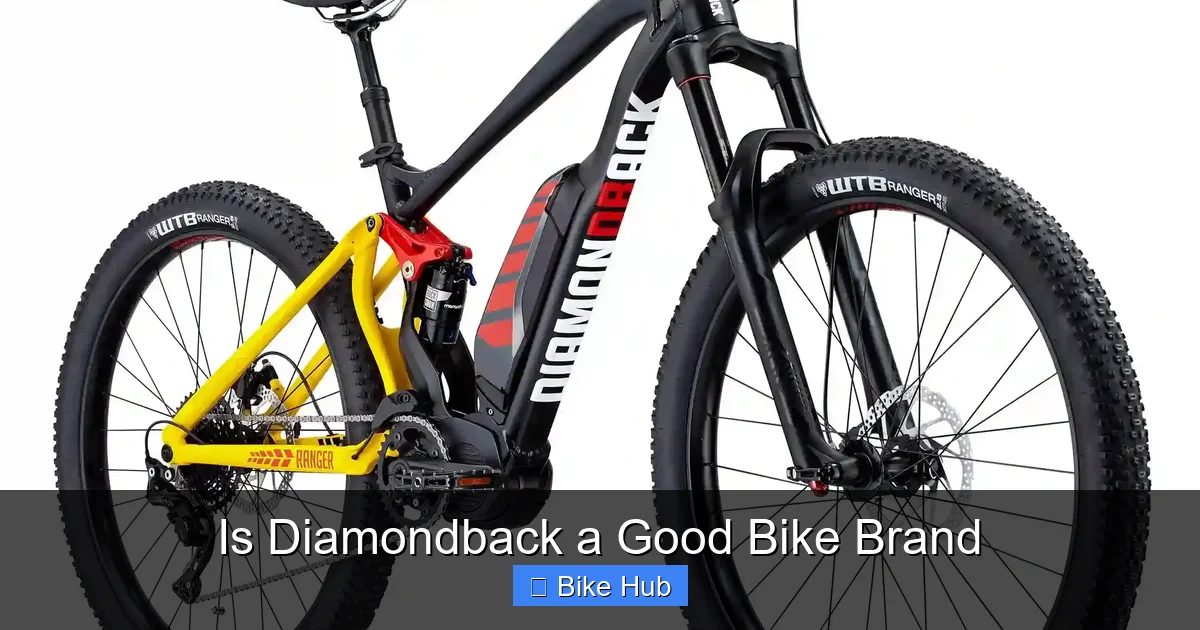
Diamondback’s e-bike lineup, including the Hathaway and Level, provides pedal-assist power for easier climbing and longer rides. These are great for urban commuting or riders who want extra support on hills.
Step 5: Consider Customer Support and Warranty
A good bike brand doesn’t just sell bikes—it supports riders. Diamondback offers a limited lifetime warranty on frames and a one-year warranty on components. This shows confidence in their products.
Warranty Coverage
The frame warranty covers defects in materials and workmanship for as long as you own the bike. Component warranties vary by manufacturer (e.g., Shimano, SRAM), but Diamondback helps facilitate repairs or replacements.
Customer Service Experience
Many users report positive experiences with Diamondback’s customer service. Whether it’s help with assembly, part replacements, or troubleshooting, their support team is generally responsive and helpful.
Step 6: Read Real Rider Reviews and Feedback
To truly answer “Is Diamondback a good bike brand?”, look at what actual riders say.
Common Praise
– “Great bike for the price.”
– “Solid build, handles trails well.”
– “Perfect for beginners who want to grow into mountain biking.”
– “Comfortable on long road rides.”
Common Criticisms
– Some entry-level models have basic components that may need upgrading.
– Assembly can be tricky for first-timers (tip: consider professional assembly).
– Limited availability in some regions.
Overall, the consensus is positive—especially when considering value and reliability.
Troubleshooting Common Concerns
Issue: Bike Feels Heavy or Sluggish
This is common with entry-level aluminum frames. Solution: Upgrade tires to lighter, faster-rolling options, or consider a higher-end model if performance is a priority.
Visual guide about Is Diamondback a Good Bike Brand
Image source: cdn.shopify.com
Visual guide about Is Diamondback a Good Bike Brand
Image source: cdn.shopify.com
Issue: Shifting Feels Rough
Often due to cable tension or dirty drivetrain. Solution: Clean and lubricate the chain, then adjust derailleur limits. For detailed help, see our guide on mountain bike gear shifting tips.
Issue: Suspension Feels Too Stiff or Soft
Adjust sag and rebound settings based on your weight and riding style. Refer to your bike’s manual or consult a local bike shop for tuning.
Conclusion: So, Is Diamondback a Good Bike Brand?
Yes—Diamondback is a good bike brand, especially if you’re looking for reliable, well-built bikes at fair prices. With a strong history, diverse lineup, and solid customer support, Diamondback delivers excellent value across mountain, road, hybrid, and e-bike categories.
Whether you’re a beginner exploring trails or an experienced rider upgrading your setup, Diamondback offers models that balance performance, durability, and affordability. While no brand is perfect, Diamondback’s consistent quality and rider-focused design make it a smart choice for many cyclists.
Before you buy, test ride a few models if possible, and consider your riding goals. And once you’ve made your pick, don’t forget to maintain it properly—regular care keeps your Diamondback running smoothly for years to come.



