
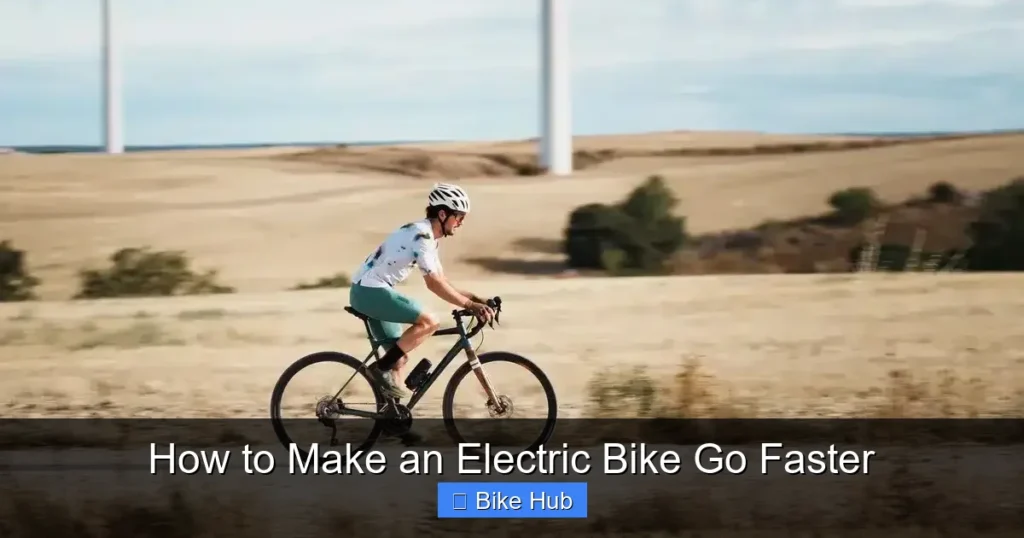
Want to boost your e-bike’s speed? This guide covers legal, safe, and practical methods to increase performance—from optimizing tires and reducing weight to upgrading components. Always prioritize safety and local laws when modifying your electric bike.
Key Takeaways
- Check local e-bike laws first: Many regions limit e-bike speed to 20 mph (32 km/h) for legal road use—exceeding this may require registration or licensing.
- Upgrade your battery: A higher-voltage or higher-capacity battery can deliver more power to the motor, increasing top speed and range.
- Switch to low-resistance tires: Slimmer, smoother tires reduce rolling resistance, helping you go faster with the same motor output.
- Reduce bike weight: Lighter components like carbon fiber parts or removing unnecessary accessories improve acceleration and efficiency.
- Maintain your drivetrain: Clean and lubricate the chain regularly—friction slows you down more than you think.
- Consider a motor tune or controller upgrade: Some e-bikes allow speed limit removal via software, but this may void warranties or break laws.
- Improve aerodynamics: Ride in a tucked position and avoid bulky bags to cut wind resistance at higher speeds.
How to Make an Electric Bike Go Faster
If you’re loving your electric bike but craving a little more zip, you’re not alone. Many riders want to squeeze extra speed out of their e-bikes—whether for commuting, fitness, or just the thrill of the ride. The good news? There are several safe, effective ways to boost performance without breaking the bank or the law.
In this guide, we’ll walk you through practical, step-by-step methods to make your electric bike go faster. From simple maintenance tweaks to component upgrades, you’ll learn how to unlock your e-bike’s true potential—while staying safe and street-legal.
Step 1: Know Your Local E-Bike Laws
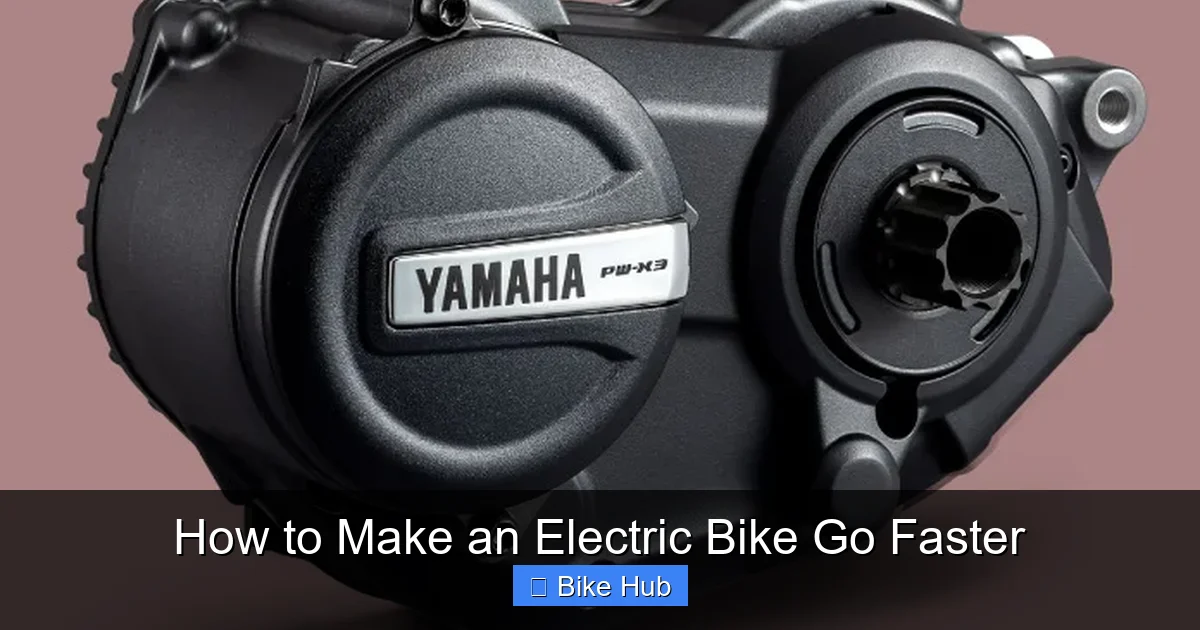
Visual guide about How to Make an Electric Bike Go Faster
Image source: sp-ao.shortpixel.ai
Before making any modifications, it’s crucial to understand the regulations in your area. In the U.S., for example, Class 1 and Class 2 e-bikes are limited to 20 mph (32 km/h) with motor assistance. Class 3 e-bikes can go up to 28 mph (45 km/h), but often require helmets and may be restricted from bike paths.
Modifying your e-bike to exceed these limits could classify it as a motor vehicle, requiring registration, insurance, and a license. Always check your local Department of Motor Vehicles (DMV) or transportation authority before making speed-related changes.
Tip: Stay Legal, Stay Safe
If you’re riding on public roads or bike lanes, sticking to legal speed limits protects you from fines and ensures compatibility with other cyclists.
Step 2: Upgrade Your Battery
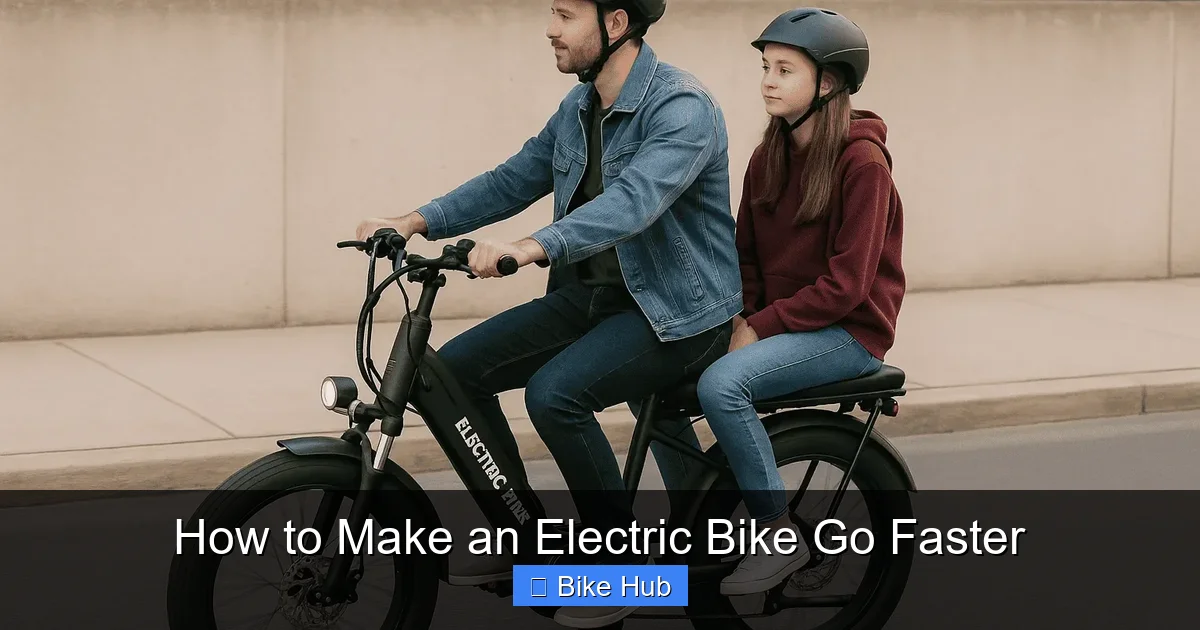
Visual guide about How to Make an Electric Bike Go Faster
Image source: boltbikers.com
Your battery is the heart of your e-bike’s performance. A weak or aging battery can’t deliver full power, limiting speed and range. Upgrading to a higher-voltage or higher-capacity (Ah) battery can make a noticeable difference.
Choose the Right Battery
Most e-bikes use 36V or 48V systems. A 48V battery typically provides more power and faster acceleration than a 36V one. If your bike supports it, upgrading from 36V to 48V can boost top speed by 10–15%.
Also, look at amp-hours (Ah). A 14Ah battery holds more energy than a 10Ah, giving you longer rides and more consistent power output.
Example: Swapping Batteries
If you have a mid-drive e-bike like a RadPower or Trek, check if the manufacturer offers higher-capacity replacement batteries. Many are plug-and-play, requiring no tools.
Warning: Compatibility Matters
Never install a battery not designed for your bike. Mismatched voltage or connectors can damage the motor or controller—or even cause a fire.
Step 3: Optimize Your Tires
Tires have a huge impact on speed. Fat, knobby tires are great for off-road traction but create lots of rolling resistance on pavement. Switching to slick, narrow tires can significantly improve speed and efficiency.
Choose Low-Resistance Tires
Look for tires labeled “low rolling resistance” or “high-pressure.” Road-style tires with smooth treads and widths between 28mm and 35mm are ideal for speed.
For example, Schwalbe’s Marathon Plus or Continental’s Grand Prix 5000 are popular choices among speed-focused e-bikers.
Check Tire Pressure Regularly
Underinflated tires slow you down. Use a quality bike pump with a gauge and inflate to the recommended PSI (usually printed on the tire sidewall). For road riding, aim for the higher end of the range.
Need help? Check out our guide on how to check bike tire pressure for a quick refresher.
Consider Tubeless Tires
Tubeless setups reduce weight and allow lower pressures without pinch flats. They also decrease rolling resistance, giving you a smoother, faster ride. Learn more in our article on how to install tubeless bike tires.
Step 4: Reduce Weight
Every pound counts when you’re trying to go faster. Lighter bikes accelerate quicker and require less motor power to maintain speed.
Remove Unnecessary Accessories
Take off heavy racks, baskets, or child seats if you don’t need them. Even small items like phone mounts or water bottle cages add up over time.
Upgrade to Lightweight Components
Swap heavy parts for lighter alternatives:
– Carbon fiber handlebars or seat posts
– Aluminum or carbon rims
– Lightweight pedals
Even switching to a lighter saddle can shave off a few ounces. For tips on choosing the right saddle, see our guide on how to clean a leather bike saddle—many lightweight options use synthetic materials.
Watch Your Gear
Carry only what you need. A heavy backpack or panniers create drag and slow you down. Use a rear rack with panniers instead of a backpack to improve aerodynamics.
Step 5: Maintain Your Drivetrain
A dirty or dry chain creates friction, forcing the motor to work harder. Regular maintenance keeps your e-bike running smoothly and efficiently.
Clean and Lubricate the Chain
Use a degreaser to remove grime, then apply a quality bike-specific lubricant. Wipe off excess oil to prevent dirt buildup.
For fat tire bikes, check out our guide on how to oil a fat tire bike chain for specialized tips.
Check Derailleur and Shifting
Misaligned gears cause power loss. Ensure your derailleur is properly adjusted and your chain runs smoothly across all gears.
Inspect Brake Pads
Dragging brake pads create constant resistance. Make sure they’re not rubbing against the rim or rotor when not in use.
Step 6: Improve Aerodynamics
At higher speeds, wind resistance becomes the biggest obstacle. Even small changes in body position or bike setup can reduce drag.
Ride in a Tucked Position
Lower your torso, keep elbows in, and look forward—not down. This reduces your frontal area and cuts through the wind more efficiently.
Avoid Bulky Accessories
Streamline your setup: use a sleek water bottle, avoid wide bags, and choose a narrow handlebar.
Add Fairings (Optional)
Some riders install small fairings or windshields to deflect airflow. These are more common on recumbent e-bikes but can work on upright models too.
Step 7: Consider a Motor or Controller Upgrade
This is the most advanced option—and comes with risks. Some e-bikes allow “speed hack” modifications via software or hardware changes.
Software Tuning
Certain brands (like Bafang) let you adjust speed limits using a display or app. This is often called “unlocking” the motor.
⚠️ Warning: This may void your warranty or violate local laws.
Controller Swap
Replacing the motor controller with a higher-powered model can increase speed and torque. However, this requires technical skill and may overload the motor or battery.
Upgrade the Motor
Swapping to a higher-wattage motor (e.g., from 500W to 750W) can boost performance—but only if your frame, battery, and controller can handle it.
Always consult a professional before attempting motor upgrades.
Troubleshooting Common Speed Issues
Even with upgrades, your e-bike might not go as fast as expected. Here’s how to diagnose common problems:
Battery Not Holding Charge
If your range drops suddenly, the battery may be aging. Test voltage with a multimeter or replace it.
Motor Overheating
Pushing the motor too hard can cause it to overheat and throttle back. Let it cool and avoid steep hills at full power.
Throttle or Pedal Assist Not Responding
Check connections, sensors, and the display. A faulty sensor can limit power output.
Unusual Noises
Grinding or clicking sounds may indicate drivetrain wear. Inspect the chain, cassette, and motor coupler.
Conclusion
Making your electric bike go faster doesn’t require a complete overhaul. Start with simple, legal improvements like better tires, proper maintenance, and weight reduction. These changes can give you a noticeable speed boost without risking safety or legality.
For bigger gains, consider a battery or motor upgrade—but always do your research and consult experts. And remember: the fastest ride is a safe one. Keep your e-bike well-maintained, follow local laws, and enjoy the ride!



