
This guide walks you through the process of installing bike handle grips, whether you’re replacing worn-out ones or upgrading for comfort. You’ll learn the right tools, techniques, and tips to ensure a secure, slip-free fit every time.
Key Takeaways
- Choose the right grips: Match grip size and material to your riding style and handlebar diameter for comfort and control.
- Clean handlebars first: Remove dirt and old adhesive to ensure a strong, lasting bond.
- Use soapy water or rubbing alcohol: These help slide grips on easily without damaging them.
- Secure with grip glue or lock-on clamps: Prevent slipping during rides, especially on rough terrain.
- Align grips properly: Position them evenly for balanced hand placement and better control.
- Test before riding: Make sure grips don’t twist or move after installation.
- Maintain regularly: Check for wear and re-tighten or replace as needed for safety.
How to Install Bike Handle Grips: A Complete Guide
Whether you’re a daily commuter, weekend warrior, or weekend cruiser, comfortable handle grips are essential for a smooth and enjoyable ride. Over time, grips can wear out, become sticky, or simply lose their cushioning. Installing new bike handle grips is a simple upgrade that can dramatically improve your comfort and control. In this guide, we’ll walk you through the entire process—from choosing the right grips to securing them properly—so you can get back on the road with confidence.
You’ll learn how to remove old grips, prepare your handlebars, and install new ones using tools you probably already have at home. We’ll also cover tips for tricky situations, like tight fits or stubborn residue, and explain how to avoid common mistakes. By the end, you’ll have a secure, comfortable grip that feels like it was installed at the factory.
What You’ll Need
Before you begin, gather these tools and materials:
Visual guide about How to Install Bike Handle Grips
Image source: weaponbike.com
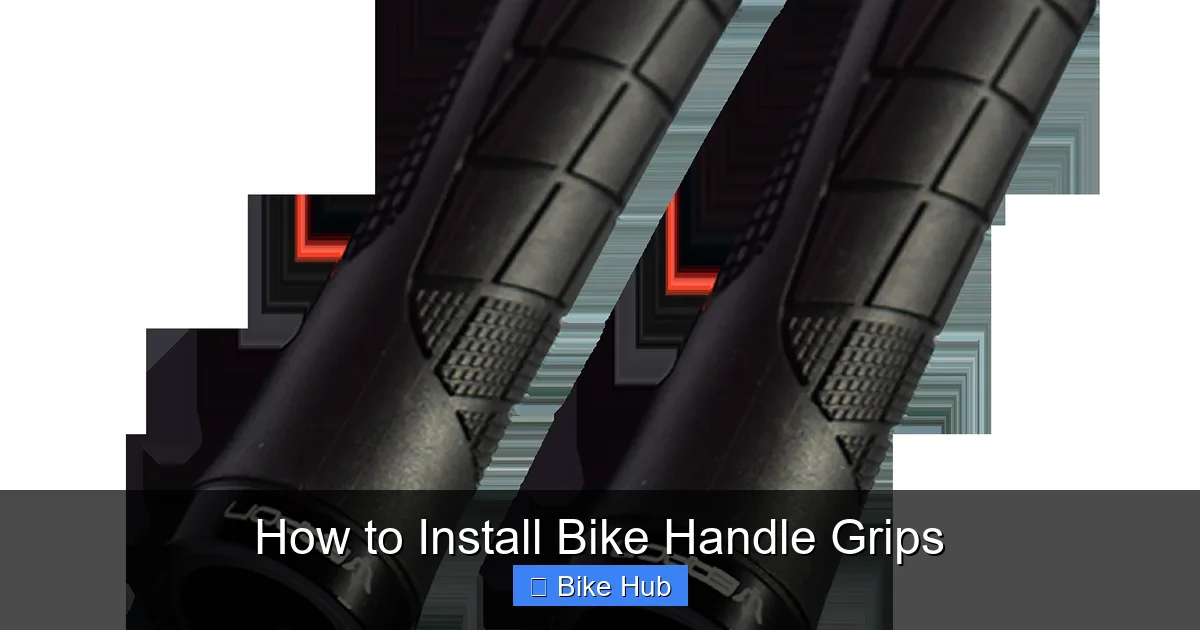
- New bike handle grips (check compatibility with your handlebar diameter)
- Isopropyl alcohol or soapy water
- Clean rag or paper towels
- Screwdriver or Allen wrench (if using lock-on grips)
- Grip glue or adhesive (optional, for standard grips)
- Hair dryer or heat gun (optional, for tight grips)
- Rubber mallet or pliers (optional, for stubborn grips)
Most grips are designed for standard 22.2mm (7/8 inch) handlebars, but always double-check your bike’s specs. Mountain bikes, road bikes, and BMX bikes may use slightly different sizes.
Step 1: Remove the Old Grips
The first step is removing your old grips. Depending on how they’re attached, this can be easy or a bit tricky.
Visual guide about How to Install Bike Handle Grips
Image source: weaponbike.com
For Standard Slide-On Grips
If your grips slide on without clamps, start by loosening them. Use a flathead screwdriver or a thin blade to gently pry the edge of the grip away from the handlebar. Slide the tool around the inside to break any adhesive or suction.
Next, spray a small amount of isopropyl alcohol or soapy water between the grip and the bar. This lubricates the surface and helps the grip slide off more easily. Twist and pull the grip gently—don’t yank it, as this can tear the rubber.
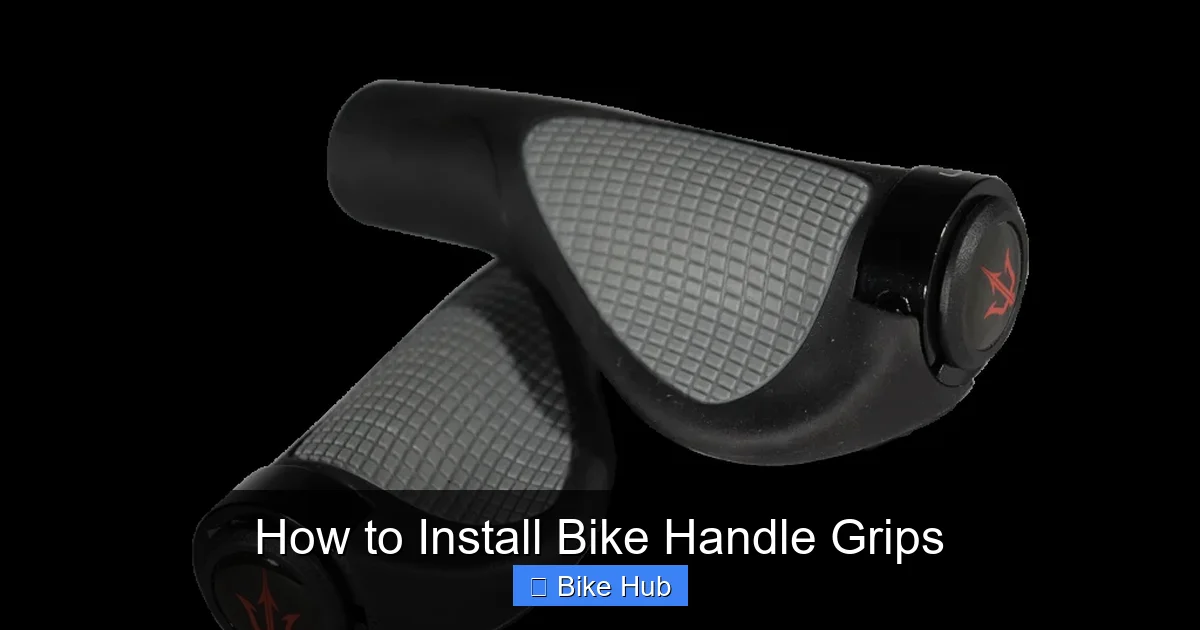
For Lock-On Grips
Lock-on grips are secured with a clamp and bolt. Use an Allen wrench or screwdriver to loosen the bolt on the end of the grip. Once it’s loose, the grip should slide right off. If it’s stuck, wiggle it back and forth while pulling.
After removal, inspect the handlebar for any residue or old glue. Wipe it down with a clean rag and alcohol to ensure a clean surface for the new grips.
Step 2: Prepare the Handlebars
A clean, dry handlebar is essential for a secure grip installation. Dirt, grease, or old adhesive can prevent new grips from staying in place.
Use a rag soaked in isopropyl alcohol to wipe down the entire length of the handlebar where the grips will go. Pay special attention to the ends, where grips tend to slip. Let the alcohol evaporate completely—this usually takes just a minute or two.
If you’re installing grips with adhesive, make sure the surface is completely dry before applying glue. For slide-on grips, a tiny bit of moisture from soapy water can actually help during installation.
Step 3: Install the New Grips
Now it’s time to put on your new grips. The method depends on the type of grips you’re using.
Installing Standard Slide-On Grips
Start by applying a small amount of soapy water or isopropyl alcohol to the inside of the grip and the handlebar. This acts as a lubricant, making it easier to slide the grip on.
Align the grip with the end of the handlebar and push it on straight. Twist the grip slightly as you push to help it slide over the bar. Work it on gradually—don’t force it, as this can stretch or tear the rubber.
If the grip is very tight, you can use a hair dryer to warm it up. Heat makes rubber more flexible. Hold the dryer a few inches away and warm the grip for 10–15 seconds, then try sliding it on again.
Once the grip is mostly on, push it the rest of the way by hand or gently tap it with a rubber mallet. Make sure it’s fully seated against the end of the handlebar.
Installing Lock-On Grips
Lock-on grips are much easier to install. Simply slide the grip onto the handlebar until it’s in the desired position. Then, use an Allen wrench to tighten the bolt on the clamp. Don’t overtighten—just enough to prevent slipping.
Most lock-on grips have a small gap when loose. When tightened, the gap should close completely. If it doesn’t, the grip may not be compatible with your handlebar diameter.
Step 4: Secure the Grips
To prevent slipping, especially during long or bumpy rides, you’ll want to secure your grips properly.
Using Grip Glue
If you’re using standard grips, apply a small amount of grip-specific adhesive to the inside of the grip before sliding it on. Avoid household glues—they can degrade rubber over time. Bike-specific grip glue is flexible and designed to hold under pressure.
After applying glue, slide the grip on and let it dry according to the manufacturer’s instructions—usually 1–2 hours. Don’t ride your bike until the glue is fully cured.
Using Lock-On Clamps
For lock-on grips, simply tighten the clamp bolt until the grip feels secure. Check both sides to ensure even pressure. Some riders like to add a drop of thread locker to the bolt to prevent it from loosening over time.
Step 5: Align and Test
Proper alignment is key for comfort and control. Sit on your bike and hold the handlebars in a natural riding position. Check that both grips are angled the same way and positioned evenly.
If one grip is higher or lower than the other, loosen it slightly (if using lock-ons) or gently twist it into place. For glued grips, you’ll need to adjust before the glue dries.
Once aligned, give the grips a firm twist and pull to test for movement. They shouldn’t budge. If they do, reapply glue or tighten the clamp.
Troubleshooting Common Issues
Even with careful installation, you might run into a few problems. Here’s how to fix them:
Grips Won’t Slide On
If the grip is too tight, try warming it with a hair dryer or using more lubricant. Avoid using oil-based products like WD-40—they can damage rubber and make grips slippery.
Grips Keep Slipping
This usually means the handlebar isn’t clean or the grip isn’t secured properly. Remove the grip, clean the bar with alcohol, and reinstall with glue or a tighter clamp.
Grip Ends Are Worn or Torn
Over time, grip ends can fray or crack. Replace them as soon as you notice damage—worn grips reduce control and can be unsafe.
Uneven Grip Position
If one grip is higher than the other, it can cause hand fatigue. Loosen and reposition it, or use grip alignment marks if your grips have them.
Maintenance Tips
To keep your grips in great condition:
- Wipe them down regularly with a damp cloth to remove dirt and sweat.
- Avoid leaving your bike in direct sunlight for long periods—UV rays can dry out rubber.
- Check lock-on bolts periodically and tighten if needed.
- Replace grips every 1–2 years, or sooner if they show signs of wear.
Proper maintenance not only extends the life of your grips but also improves your overall riding experience. For more tips on bike upkeep, check out our guide on how to clean a road bike drivetrain or learn how to check bike tire pressure for optimal performance.
Conclusion
Installing bike handle grips is a quick and rewarding DIY project that can make a big difference in your ride quality. With the right tools and a little patience, you can replace worn grips, upgrade for comfort, or customize your bike’s look. Whether you choose slide-on or lock-on grips, the key is proper preparation, alignment, and securing.
Remember to clean your handlebars, use the right lubricant, and test your grips before hitting the road. And if you’re planning a long ride, don’t forget to check other essentials—like your tires and brakes. For more helpful guides, explore our tips on how to prepare a mountain bike for long rides. Happy riding!



