
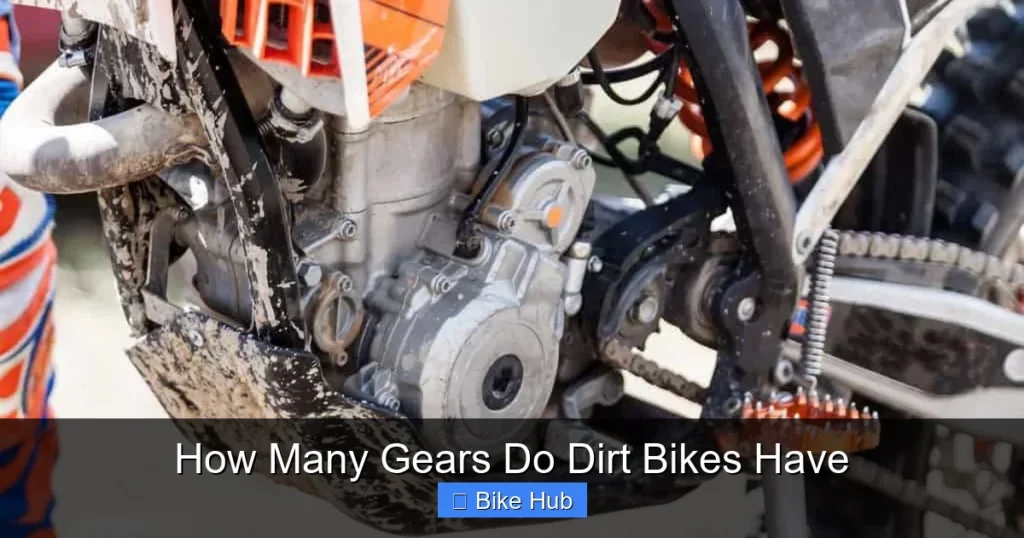
Dirt bikes typically have 5 to 6 gears, though some models offer 4 or even 7 speeds depending on engine size and purpose. Understanding gear counts helps riders optimize performance for trails, motocross, or enduro riding.
Key Takeaways
- Most dirt bikes have 5 or 6 gears: This range offers a balance of low-end torque and high-speed capability for varied terrain.
- Gear count varies by bike type: Motocross bikes often use 5-speed transmissions, while trail and enduro models may have 6 or more.
- Smaller engines may have fewer gears: Entry-level or youth dirt bikes sometimes feature 4-speed gearboxes to simplify riding.
- Electric dirt bikes are different: Many e-dirt bikes use single-speed setups due to instant torque delivery from electric motors.
- More gears aren’t always better: The right number depends on riding style, terrain, and rider experience—simplicity can be an advantage.
- Proper shifting technique matters: Knowing when and how to shift improves control, efficiency, and bike longevity.
- Maintenance affects gear performance: Clean chains, proper lubrication, and clutch care ensure smooth shifting across all gears.
How Many Gears Do Dirt Bikes Have? A Complete Guide
If you’re new to dirt biking or thinking about upgrading your ride, one of the first questions that comes up is: how many gears do dirt bikes have? It’s a simple question with a nuanced answer—because not all dirt bikes are built the same. Whether you’re hitting motocross tracks, exploring forest trails, or tackling technical enduro courses, understanding your bike’s gear setup is key to getting the most out of your ride.
In this guide, we’ll break down everything you need to know about dirt bike gears—from standard configurations to how gear count affects performance. You’ll learn how to identify your bike’s gear setup, why different bikes have different numbers of gears, and how to shift like a pro. Plus, we’ll cover maintenance tips and troubleshooting common shifting issues.
Let’s gear up and dive in!
Standard Gear Counts on Dirt Bikes
Visual guide about How Many Gears Do Dirt Bikes Have
Image source: mudbike.com
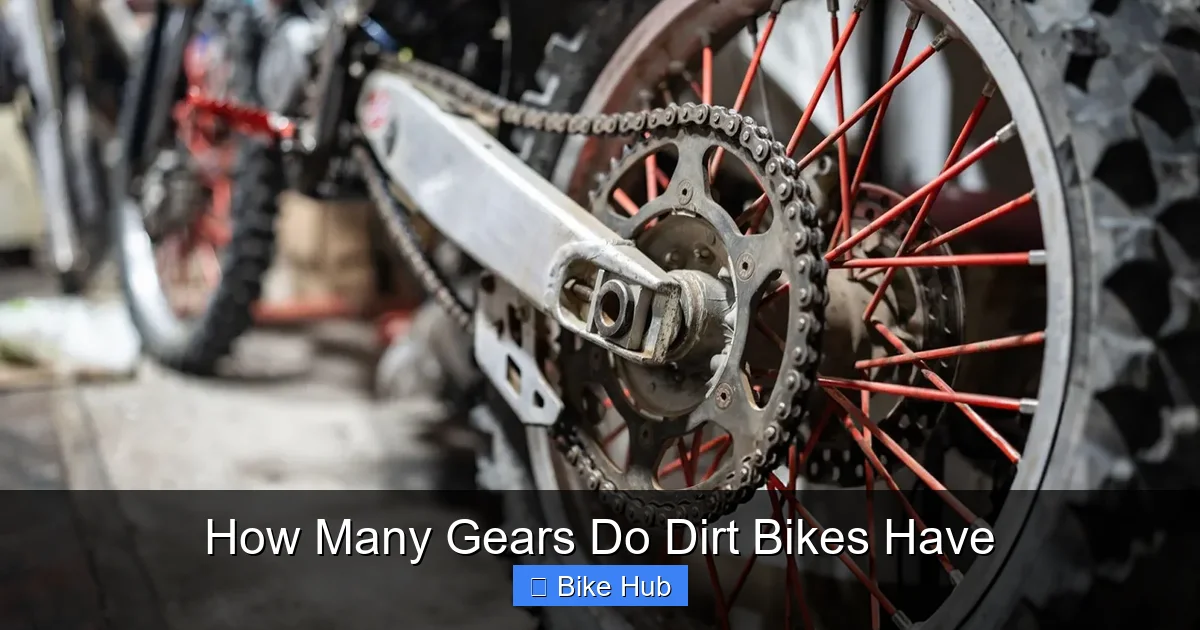
Most modern dirt bikes come equipped with either a 5-speed or 6-speed transmission. This range has become the industry standard because it offers a practical balance between low-speed control and high-speed capability.
5-Speed Dirt Bikes
The 5-speed gearbox is common on motocross bikes and many entry-level models. These bikes are designed for short, fast bursts on tracks where quick acceleration and top speed matter. With five gears, riders can smoothly progress from first (lowest) to fifth (highest), giving enough range to handle jumps, corners, and straightaways without overcomplicating the shifting process.
For example, popular motocross bikes like the Yamaha YZ250F and Kawasaki KX450 typically use 5-speed transmissions. These setups are ideal for competitive racing where simplicity and reliability are crucial.
6-Speed Dirt Bikes
Trail bikes, enduro models, and adventure-style dirt bikes often feature 6-speed transmissions. The extra gear allows for better fuel efficiency, smoother cruising at higher speeds, and improved control on long-distance rides. This makes 6-speed bikes better suited for riders who spend time on forest roads, fire trails, or multi-hour adventures.
Models like the Honda CRF450X and KTM 500 EXC-F use 6-speed gearboxes to give riders more flexibility across varying terrain. The sixth gear acts as an overdrive, reducing engine RPM at highway speeds and lowering wear and tear.
4-Speed and Other Variations
While less common today, some smaller or older dirt bikes—especially youth models or vintage two-strokes—still use 4-speed transmissions. These are simpler and lighter, making them great for beginners or lightweight trail use. For instance, the Honda CRF150R is a 4-stroke youth bike with a 5-speed, but some older two-stroke 85cc bikes stick to 4 speeds.
On the other end of the spectrum, a few high-performance or custom-built dirt bikes may feature 7-speed transmissions, though these are rare and usually found in specialized racing applications.
Why Gear Count Matters for Different Riding Styles
Visual guide about How Many Gears Do Dirt Bikes Have
Image source: apollovehicle.com
The number of gears on your dirt bike isn’t just a technical spec—it directly impacts how you ride and what kind of terrain you can tackle.
Motocross and Racing
On a motocross track, speed changes happen fast. Riders need quick bursts of power out of corners and enough top-end speed for straightaways. A 5-speed transmission provides the right balance here. It keeps the bike light, reduces complexity, and ensures the engine stays in its power band during rapid shifts.
If you’re into competitive racing, a 5-speed bike like those reviewed in our Best Dirt Jump Bikes for Skateparks guide might be a perfect fit—especially if you’re riding on tight, technical courses.
Trail and Enduro Riding
Trail riders cover longer distances and encounter varied terrain—steep climbs, rocky sections, muddy patches, and fast fire roads. A 6-speed transmission gives you more options to match your speed to the conditions. You can downshift for climbing power or upshift for efficient cruising.
For long rides, proper gear selection also reduces fatigue. Staying in the right gear keeps the engine from lugging or over-revving, which is easier on both you and the machine. If you’re planning extended adventures, check out our tips on How to Prepare a Mountain Bike for Long Rides—many of the same principles apply to dirt bikes.
Beginner and Youth Riders
New riders benefit from simpler setups. A 4 or 5-speed bike reduces the mental load of shifting, letting beginners focus on balance, throttle control, and braking. Youth dirt bikes like the Kawasaki KX85 or Yamaha TT-R125 often use 4 or 5 speeds for this reason.
If you’re shopping for a first dirt bike, our Best Beginner Dirt Bikes guide offers great recommendations based on ease of use, reliability, and gear simplicity.
Electric Dirt Bikes: The Gearless Revolution
Electric dirt bikes are changing the game. Unlike gas-powered engines, electric motors deliver instant torque from zero RPM. This means they don’t need multiple gears to access power across a wide speed range.
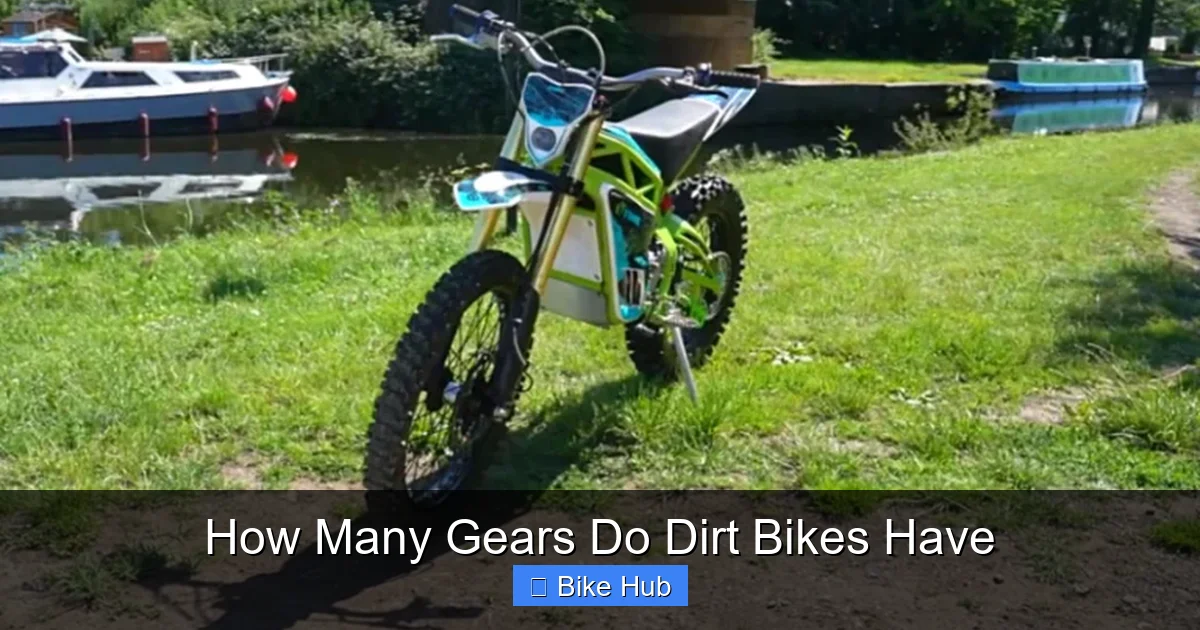
Most electric dirt bikes—like the Sur-Ron LBX or the Cake Kalk—use a single-speed transmission. Riders accelerate smoothly without shifting, making these bikes incredibly beginner-friendly and low-maintenance.
While they lack the gear variety of traditional bikes, electric models make up for it with quiet operation, zero emissions, and punchy performance. For adults looking for a clean, powerful ride, our Best Electric Dirt Bikes for Adults article highlights top models that prove you don’t need gears to have fun.
How to Shift Gears on a Dirt Bike
Shifting gears properly is essential for control and safety. Here’s a step-by-step guide:
Step 1: Understand the Shift Pattern
Most dirt bikes use a 1-down, 5-up (or 6-up) pattern:
– Press down to shift into first gear
– Click up to go to second, third, and so on
– Neutral is between first and second (you’ll feel a slight click)
Step 2: Use the Clutch Correctly
Always pull in the clutch lever before shifting. This disengages the engine from the transmission, allowing smooth gear changes. Release the clutch slowly while rolling on the throttle.
Step 3: Match Speed to Gear
Don’t force a shift. If the engine sounds strained, downshift. If it’s revving too high, upshift. Listen to your bike—it will tell you when it’s time to change gears.
Step 4: Practice on Flat Ground
Start in first gear on a flat, open area. Practice shifting up to second and back down. Get comfortable with the clutch and throttle coordination before hitting trails.
Troubleshooting Common Shifting Problems
Even the best dirt bikes can have shifting issues. Here’s how to fix the most common ones:
Hard to Shift Gears
This is often caused by a dirty or dry chain, low clutch fluid, or worn clutch plates. Clean and lubricate your chain regularly—check out our How to Store Bike Lubricant guide for tips on keeping your lube in top condition.
False Neutral or Gear Slipping
If your bike keeps falling into neutral or won’t stay in gear, the shift drum or detent mechanism may be worn. This usually requires a mechanic’s inspection.
Clutch Drag
When the clutch doesn’t fully disengage, the bike may creep forward even when the clutch is pulled. Adjust the clutch cable or check for air in the hydraulic system (on hydraulic clutch models).
Final Thoughts: Choosing the Right Gear Setup
So, how many gears do dirt bikes have? The answer is: it depends. Most have 5 or 6, but the “right” number for you depends on your riding style, experience, and the type of terrain you tackle.
– Choose a 5-speed for motocross or racing.
– Go with 6-speed for trail, enduro, or long-distance riding.
– Consider a 4-speed for youth or beginner bikes.
– Try a single-speed electric model for simplicity and instant power.
Remember, more gears don’t always mean better performance. What matters most is using the gears you have effectively. Practice shifting, maintain your drivetrain, and listen to your bike.
Whether you’re spinning 360s on a jump bike or cruising through the woods, the right gear setup makes all the difference. Now that you know how many gears dirt bikes have—and why it matters—you’re ready to ride smarter, faster, and safer.



